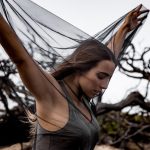
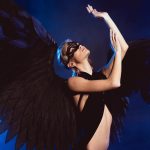
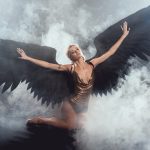
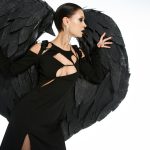
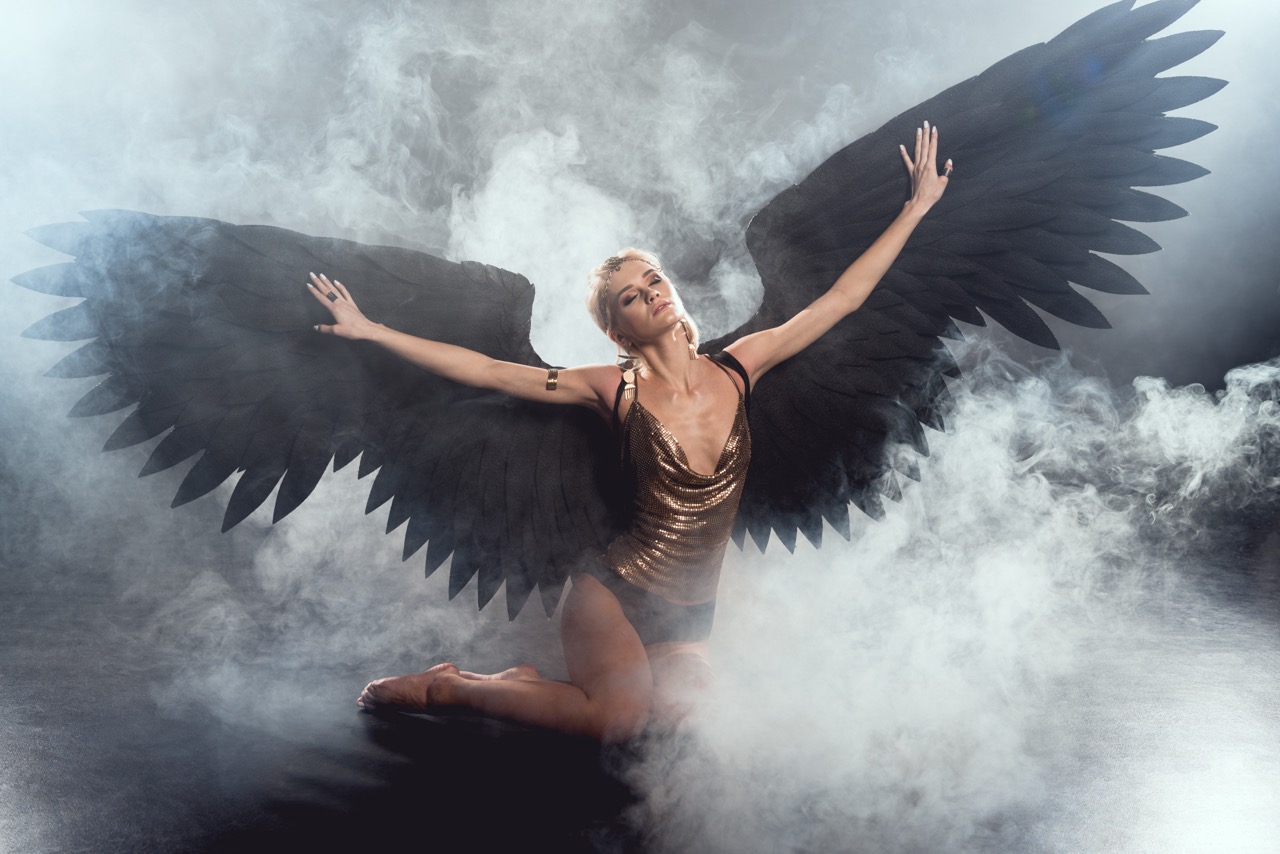
In the realms of dance film and television, few elements captivate audiences quite like winged costumes. Merging the elegance of dance with the fantastical appeal of wings, these costumes transform performers into ethereal beings, allowing them to transcend the ordinary and explore the extraordinary narrative possibilities of their art. From ballet’s enchanted swans to contemporary interpretations that defy gravity, winged attire serves as a vital component in visual storytelling. This article delves into the enchantment of winged costumes, the intricate designs behind them, their symbolic significance, and the rich tapestry of cultural expressions they embody.
The Enchantment of Winged Costumes in Dance Narratives
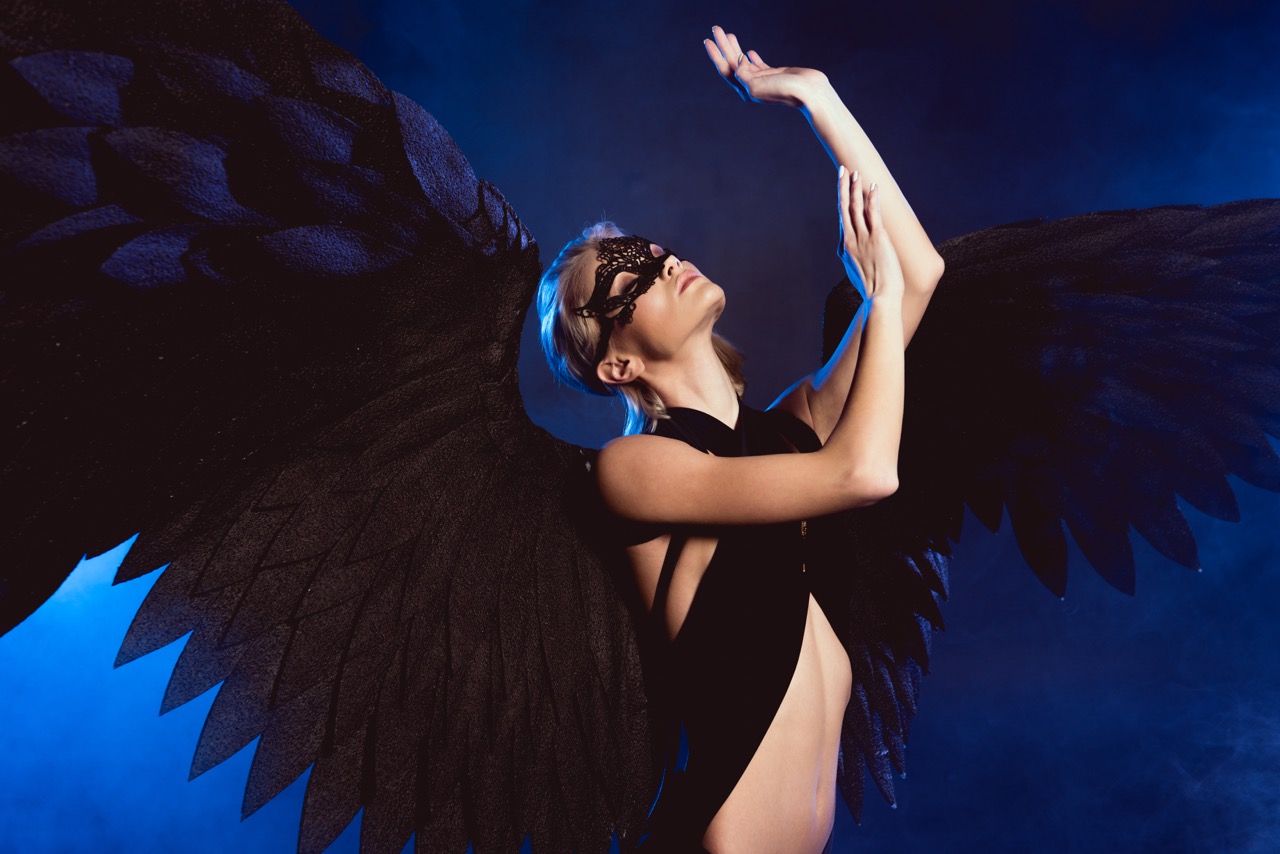
The imagery of wings evokes a sense of wonder, freedom, and transcendence. In dance film and television, winged costumes can transport characters and audiences alike into realms of imagination. Iconic performances, such as the swan in Tchaikovsky’s "Swan Lake," showcase how the flutter of wings can reflect emotional depth and duality, akin to the dual nature of the character. The enchantment lies not just in the aesthetic beauty but also in how these costumes amplify the narrative—creating a bridge between the earthbound and the celestial.
Moreover, the visual allure of winged attire often conveys themes of transformation and liberation. Take, for instance, the dance sequences in movies like "Black Swan," where the protagonist’s metamorphosis is symbolized through elaborate feathered costumes. The duality represented by the wings connects the viewer to the emotional journey of the character, enhancing the storytelling experience. This dual role of winged costumes—as both a visual spectacle and a narrative device—captivates audiences and invites them into a world where reality bends to artistic expression.
Lastly, the appeal of winged costumes transcends genre and style, finding a place in everything from classical ballet to modern interpretations. The ability to evoke awe and intrigue makes them a staple in dance narratives. Whether through full-fledged performances or subtle references in choreography, winged costumes can inspire fear, joy, or nostalgia, demonstrating their versatility as a powerful storytelling tool in the dance film and television landscape.
From Concept to Screen: Designing Winged Attire for Dance
Designing winged costumes for dance is no small feat. It requires a delicate interplay between aesthetics, functionality, and artistic vision. Costume designers often draw inspiration from various sources—nature, mythology, and even architecture—to create wings that not only look striking but also complement the movement of the dancer. The challenge lies in crafting wings that are lightweight yet visually impactful, allowing for both grace and fluidity in performance.
Working closely with choreographers and dancers, designers must consider the specific demands of the performance. The wings should facilitate movement rather than hinder it, striking a balance between grandeur and practicality. Rigorous testing is often involved; many designers create prototypes to ensure the wings can withstand the rigors of performance while achieving the desired visual effects. Innovations in materials, such as lightweight fabrics and flexible structures, have opened new avenues for creativity, allowing designers to push the envelope further than before.
Once the design is finalized, the production process begins, often involving skilled artisans who bring the vision to life. Each detail—from the texture of the feathers to the glimmer of sequins—is meticulously crafted to enhance the overall impact of the costume. The final product is not just a costume; it becomes an elaborate piece of art that embodies the spirit of the performance while showcasing the dancer’s artistry, highlighting the meticulous work behind the magic seen on screen.
Soaring Symbolism: The Role of Wings in Movement Arts
Wings symbolize a myriad of concepts, from freedom and aspiration to duality and conflict. In dance narratives, they often serve as a poignant reminder of the desire to transcend limitations, both physical and emotional. For example, in aerial dance performances, the incorporation of wings can signify the struggle against societal constraints, embodying the dancer’s yearning for liberation. This symbolism resonates deeply with audiences, inviting them to connect with the dance on a personal level.
Moreover, wings often represent transformation, a theme prevalent in many dance stories. In productions like "The Nutcracker," the titular character’s journey is accompanied by fantastical elements, where wings symbolize the shift from childhood to adulthood. The gradual unveiling of the dancer’s wings often parallels the development of their character, reinforcing the narrative arc. This connection between the costume and character growth enhances the emotional weight of the performance, allowing the audience to engage with the story on multiple levels.
Additionally, wings in dance can evoke themes of duality and conflict, particularly in performances that explore darker narratives. The interplay between light and shadow, as expressed through winged costumes, can symbolize the struggle between contrasting forces within a character. This dimension of storytelling adds depth to the choreography, inviting viewers to reflect on their own experiences of conflict and resolution. Hence, the role of wings in dance is multifaceted, with their symbolism enriching the overall impact of the performance.
Celebrating Diversity: Winged Costumes Across Cultures in Dance
Winged costumes in dance are not confined to a single cultural narrative; they span the globe, each interpretation reflecting the unique artistic traditions of various cultures. In many Indigenous cultures, winged costumes are integral to traditional dance forms, symbolizing the connection between humans and the spiritual world. For instance, the feathered headdresses and costumes of Native American dancers express respect for nature and ancestral heritage, making each performance a powerful homage to cultural identity and history.
In contrast, Asian dance traditions often use wings and wing-like garments to convey elegance and storytelling. In Chinese classical dance, for instance, flowing sleeves and intricate headdresses evoke the imagery of butterflies and other celestial beings, enhancing the gracefulness of movements. The incorporation of wings in these performances serves to amplify the narrative, allowing dancers to embody mythical creatures that reflect cultural myths and values. Each flutter and motion tells a story steeped in tradition, celebrating the beauty of cultural heritage.
Additionally, contemporary dance has embraced the concept of winged costumes, often merging elements from different cultures to create innovative and hybrid forms of expression. Choreographers may draw from diverse influences, incorporating wings that reflect a fusion of styles and techniques, thereby celebrating the interconnectedness of global dance narratives. This blending of tradition and modernity allows performers to explore and celebrate their cultural identities while engaging with broader themes of unity and diversity in the dance community.
Winged costumes in dance film and television are more than just visually captivating elements; they are powerful symbols that enrich the narratives they inhabit. From the detailed process of design to the profound meanings they embody, these costumes play a crucial role in the storytelling of movement arts. As we celebrate the diversity of winged costumes across cultures, we recognize their ability to transcend boundaries and connect us through shared human experiences. The enchantment of wings in dance continues to inspire both performers and audiences, reminding us of the beauty of flight and the endless possibilities that creativity can unfurl.