



In the realm of performance art, dance has always been a medium of expression that captivates the senses. However, the integration of technology has transformed traditional dance into an immersive spectacle, pushing the boundaries of creativity. One notable advancement is the incorporation of UV sensors in dance wings, which not only enhances the visual appeal of performances but also engages audiences in unprecedented ways. This article delves into the magic of UV sensors in dance wings, illustrating how they ignite artistry, the underlying technology that makes it possible, and the resulting interactive experiences that captivate viewers.
Illuminating Movement: The Magic of UV Sensors in Dance Wings
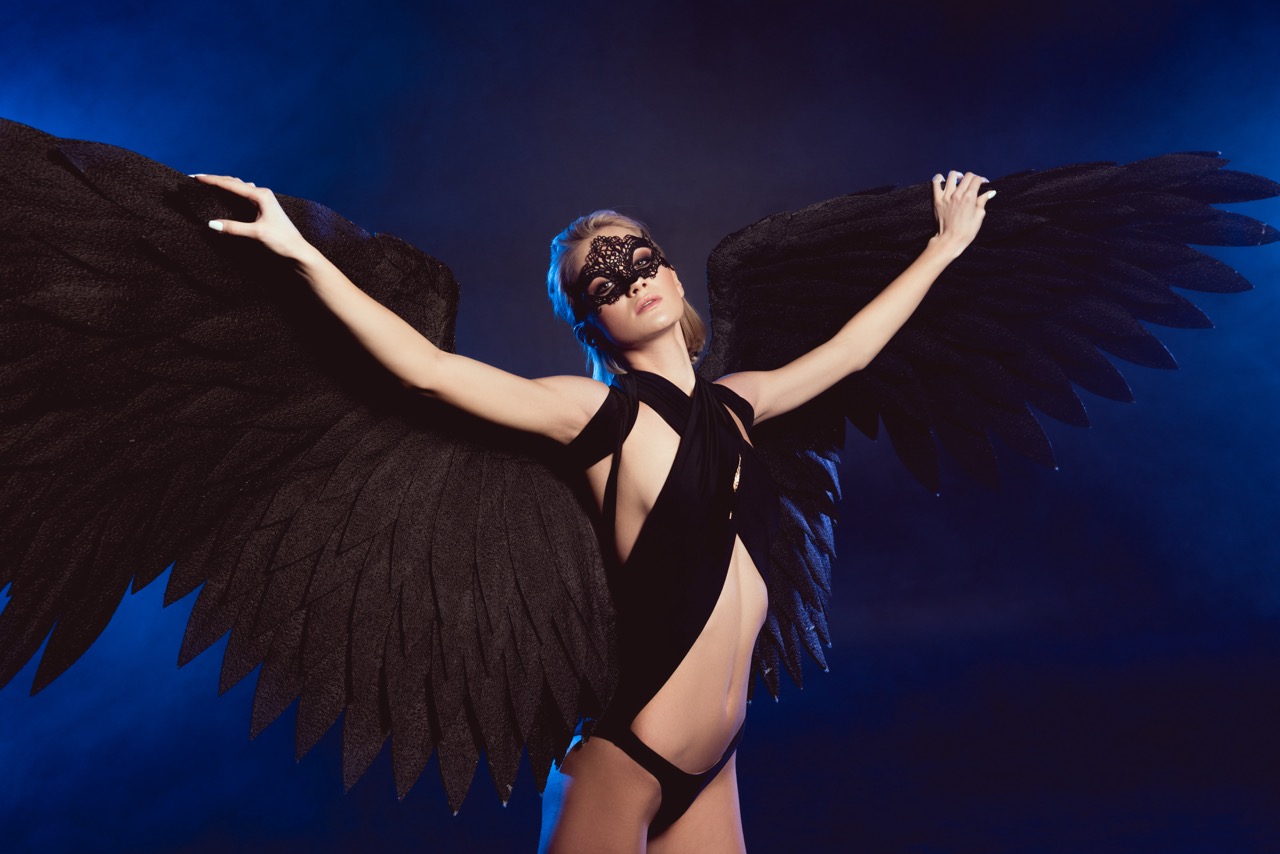
The use of UV sensors in dance wings represents a harmonious blend of artistry and innovation. These sensors, embedded within the fabric of the wings, are sensitive to ultraviolet light, allowing dancers to create stunning visual effects that synchronize with their movements. As dancers twirl and glide, UV light interacts with the specially treated materials of the wings, producing mesmerizing patterns and colors that shift dynamically with each motion. This interaction transforms the dance space into a canvas where light becomes an extension of the performers’ artistry.
Moreover, the allure of UV sensors lies in their ability to amplify the emotional undertones of a performance. By harnessing light as a narrative tool, choreographers can evoke feelings of joy, sorrow, or tension, enhancing the overall storytelling aspect of the dance. The vibrant hues generated by the UV sensors can symbolize various themes, enriching the audience’s experience and making each performance a unique journey. The visual spectacle created by these wings invites spectators to engage deeply with the dance, allowing them to interpret the interplay of light and movement in personal ways.
Ultimately, the magic of UV sensors in dance wings embodies a new era of performance art. It breaks the conventional boundaries of how dance is perceived and experienced, inviting audiences into an interactive dialogue with the performers. As technology continues to evolve, the potential for creative expression in dance seems limitless, paving the way for future innovations that will further illuminate the beauty of movement.
Choreographing Light: How UV Technology Transforms Dance Artistry
The integration of UV technology into choreography has reshaped the way dancers and choreographers conceptualize their performances. Traditional dance forms often rely on music and movement to convey emotion; however, with the infusion of light, choreographers can now choreograph not only the dancers’ movements but also the visual ambiance of the performance. This dual choreography creates a multi-sensory experience that captivates audiences and enhances the storytelling aspect of dance.
Choreographers can strategically time movements to coincide with bursts of light, creating a visual rhythm that complements the musical score. This synchronization not only emphasizes the dancers’ physical expression but also adds a layer of complexity to the performance. For instance, a dancer’s leap could be accentuated by a flash of UV light, making the moment more impactful and memorable. By foreseeing how light interacts with movement, choreographers can craft their performances to enhance dramatic highs and emotional lows, forging a deeper connection with the audience.
Furthermore, the versatility of UV sensors allows for a range of artistic styles to flourish. Different genres of dance, from contemporary to ballet, can benefit from the dynamic effects produced by the UV technology. Choreographers can experiment with various materials and colors, tailoring the visual experience to fit the narrative and emotional tone of their work. This transformative potential of UV technology empowers artists to explore uncharted territories in their artistic expression, truly choreographing light alongside movement.
The Science Behind the Glow: Exploring UV Sensor Mechanics
At the heart of the captivating glow produced in dance performances lies the intricate mechanics of UV sensors. These sensors are designed to detect ultraviolet light and convert it into a visible spectrum that can be projected through various mediums. When exposed to UV light, special pigments within the wings react by fluorescing, creating an enchanting display of colors that seem to dance along with the performers. This scientific marvel highlights the seamless connection between technology and artistry.
The functionality of UV sensors is rooted in their ability to absorb specific wavelengths of light and re-emit them at different frequencies. As dancers move, the light emitted from the sensors can vary in intensity and hue, depending on the angle and proximity to the UV source. This variability allows for a dynamic visual experience, as the colors and patterns shift in response to the dancers’ movements. Understanding this science enables choreographers and performers to exploit the full potential of the technology, manipulating light to enhance their artistic vision.
Moreover, the development of advanced UV sensor technology has made it more accessible for artists to incorporate into their work. With the advent of lightweight materials and battery-efficient sensors, dance wings can now be designed for both comfort and functionality. This democratization of technology opens doors for emerging artists to experiment with innovative light effects, pushing the boundaries of contemporary dance. As these sensors continue to evolve, they promise to deepen the interaction between movement and light, further enriching the tapestry of performance art.
Interactive Spectacle: Creating Engaging Performances with Light
The incorporation of UV sensors in dance wings has given rise to an interactive spectacle, transforming how audiences engage with performances. As viewers observe the dance unfold, they are not mere spectators but active participants in a shared experience. The visual effects generated by the UV sensors invite audiences to immerse themselves in the performance, fostering a sense of connection with the dancers and the art form itself.
Interactive performances can take many forms, from immersive installations where audience members move through the light to synchronized shows that invite viewer participation. The unpredictable nature of UV light creates an element of surprise, as dancers and audiences alike respond to the visual cues generated in real-time. This interplay fosters a sense of spontaneity, encouraging audiences to emotionally invest in the experience while making each performance unique and unforgettable.
Additionally, the interactive nature of these performances enhances the collaborative spirit within the arts community. Choreographers, visual artists, and technologists often collaborate to create these dynamic shows, merging their expertise to produce a cohesive artistic vision. As UV technology continues to advance, it opens new avenues for innovative collaborations, ensuring that the art of dance remains vibrant and relevant in an ever-changing cultural landscape.
The use of UV sensors in dance wings marks a significant evolution in performance art, merging technology and creativity to create mesmerizing interactive experiences. By illuminating movement, choreographing light, and engaging audiences in new ways, these innovations are redefining the boundaries of dance artistry. As artists continue to explore the possibilities offered by UV technology, the future of performance promises to be a dazzling spectacle of light, movement, and emotion that invites everyone to partake in the magic of the dance.