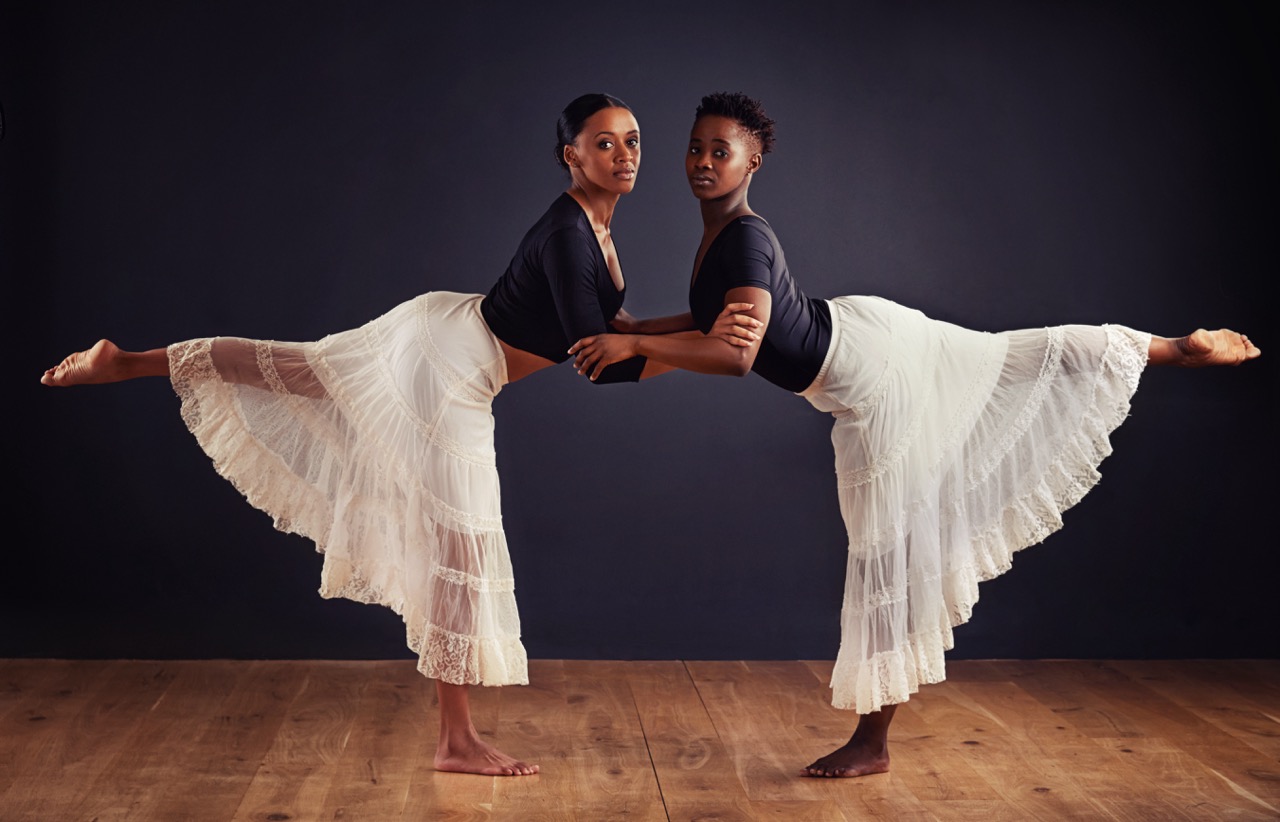





In a world where technology and art are increasingly intertwined, the realm of dance has begun to embrace innovative tools that enhance both performance and analysis. Fabric sensors, crafted from advanced materials that can detect and respond to movement, have emerged as a groundbreaking solution for dancers, choreographers, and instructors alike. By providing real-time feedback on body dynamics, these sensors are set to revolutionize how dance is taught, performed, and studied. This article delves into the transformative power of fabric sensors in tracking dance movements, exploring their technology, applications in real-time analysis, and the future of wearable tech in the dance industry.
Unveiling the Art of Movement: Fabric Sensors in Dance
The beauty of dance lies in its ability to convey emotion and tell stories through movement. However, understanding the intricate mechanics behind each gesture can be complex. Fabric sensors offer a unique solution by seamlessly integrating into dancers’ costumes or being worn as accessories, allowing for a more holistic view of their movements. These sensors can capture subtle shifts in posture, speed, and rhythm, providing valuable data that can enhance both performances and training sessions.
Dancers can now benefit from instant feedback, which is crucial for honing their skills. With fabric sensors embedded in their garments, they can visualize their movements in real-time, allowing them to refine techniques, improve body alignment, and adjust dynamics while they practice. This not only enhances their physical capabilities but also deepens their understanding of the art form, fostering a more profound connection between the dancer and their movement.
Moreover, the application of fabric sensors extends beyond the individual dancer. Choreographers can analyze group dynamics and formations with unprecedented accuracy, enabling them to craft more intricate and harmonious pieces. As these sensors continue to evolve, they promise to enrich the creative process, blending artistry with data-driven insights and opening new avenues for exploration in the dance world.
The Technology Behind Fabric Sensors: How They Work
At the heart of fabric sensors lies a sophisticated blend of materials and technology designed to capture movement with precision. These sensors are typically made from conductive fabrics that can detect changes in resistance or capacitance. When a dancer moves, the fabric stretches or compresses, altering the electric signals, which are then transmitted to a connected device for analysis. This transformation of physical movement into data is what makes fabric sensors an exciting advancement in dance technology.
In addition to their sensitivity, fabric sensors are designed for comfort and flexibility, vital attributes for performers who rely on ease of movement. They are lightweight, breathable, and can be washed, ensuring that they can be seamlessly incorporated into a dancer’s wardrobe without hindering performance. Advances in miniaturization and power efficiency have also made these sensors wireless, allowing for greater freedom of movement and less distraction during performances.
The data collected by fabric sensors can be processed in real-time, offering immediate insights into a dancer’s performance. Using algorithms, the information can be interpreted to provide feedback on various parameters, such as balance, force, and timing. This level of immediacy allows dancers to make on-the-fly adjustments during practice, paving the way for improved performances and greater artistic expression.
Real-Time Tracking: Transforming Dance Performance Analysis
The integration of fabric sensors into dance has introduced a paradigm shift in how performances are analyzed and understood. Traditionally, dance assessments relied heavily on subjective observations, which could overlook subtle nuances in movement. With real-time tracking, dancers and instructors can now access objective data that highlights areas needing improvement, making it easier to identify strengths and weaknesses in technique.
In addition to aiding individual dancers, real-time tracking facilitates collaborative learning experiences. Dance teams can engage in collective analysis, allowing them to synchronize movements and enhance overall choreography. This collaborative approach nurtures a supportive environment where dancers can learn from one another and grow as a cohesive unit, ultimately leading to more polished performances.
Furthermore, the ability to visualize movement data opens up new avenues for creativity. Dancers can experiment with choreography based on the insights provided by the sensors, challenging their physical limits and exploring innovative movement patterns. This fusion of technology and artistry not only enriches the dance experience but also encourages dancers to push the boundaries of their craft.
The Future of Dance: Integrating Wearable Tech and Artistry
As fabric sensors continue to evolve, the future of dance looks increasingly intertwined with wearable technology. The potential for integrating augmented reality (AR) and virtual reality (VR) into training and performance experiences is particularly exciting. Imagine a world where dancers can don a VR headset and see a visual representation of their movements alongside their physical performance, receiving instant feedback on their technique and flow.
Moreover, the incorporation of machine learning algorithms could further enhance the capabilities of fabric sensors. By analyzing vast amounts of movement data, these algorithms could provide personalized training programs tailored to each dancer’s unique style and needs. This level of customization would not only optimize performance but also foster a deeper understanding of one’s physicality, allowing dancers to explore their artistry in new and profound ways.
In essence, the fusion of dance and technology through fabric sensors signifies a new era where artistry and science coexist harmoniously. As this integration continues to grow, we can expect to see a more holistic approach to dance that values both the aesthetic and the analytical, paving the way for a future where movement is celebrated not just for its beauty but also for the depth of understanding it can provide.
The advent of fabric sensors in dance represents a remarkable convergence of art and technology, offering unprecedented opportunities for dancers to enhance their craft. By providing real-time feedback and insightful analysis, these innovative tools empower performers and choreographers alike to push the boundaries of their artistry. As we look toward the future, the potential for further integration of wearable technology within the dance community is immense, promising an exciting evolution that honors the rich tradition of dance while embracing the possibilities of the digital age. The dance floor of tomorrow is set to be a stage not only for performance but for exploration, innovation, and creative synergy.