
Feathered dance wings have long captivated audiences with their ethereal beauty and dynamic presence. These vibrant adornments not only enhance the visual spectacle of dance performances but also encapsulate a deeper symbolism that resonates across cultures and artistic expressions. In this exploration, we delve into the enchanting allure of feathered dance wings, their cultural significance, the emotional interplay they evoke, and how they serve as a canvas for personal storytelling and identity crafting.
The Enchanting Allure of Feathered Dance Wings Explored
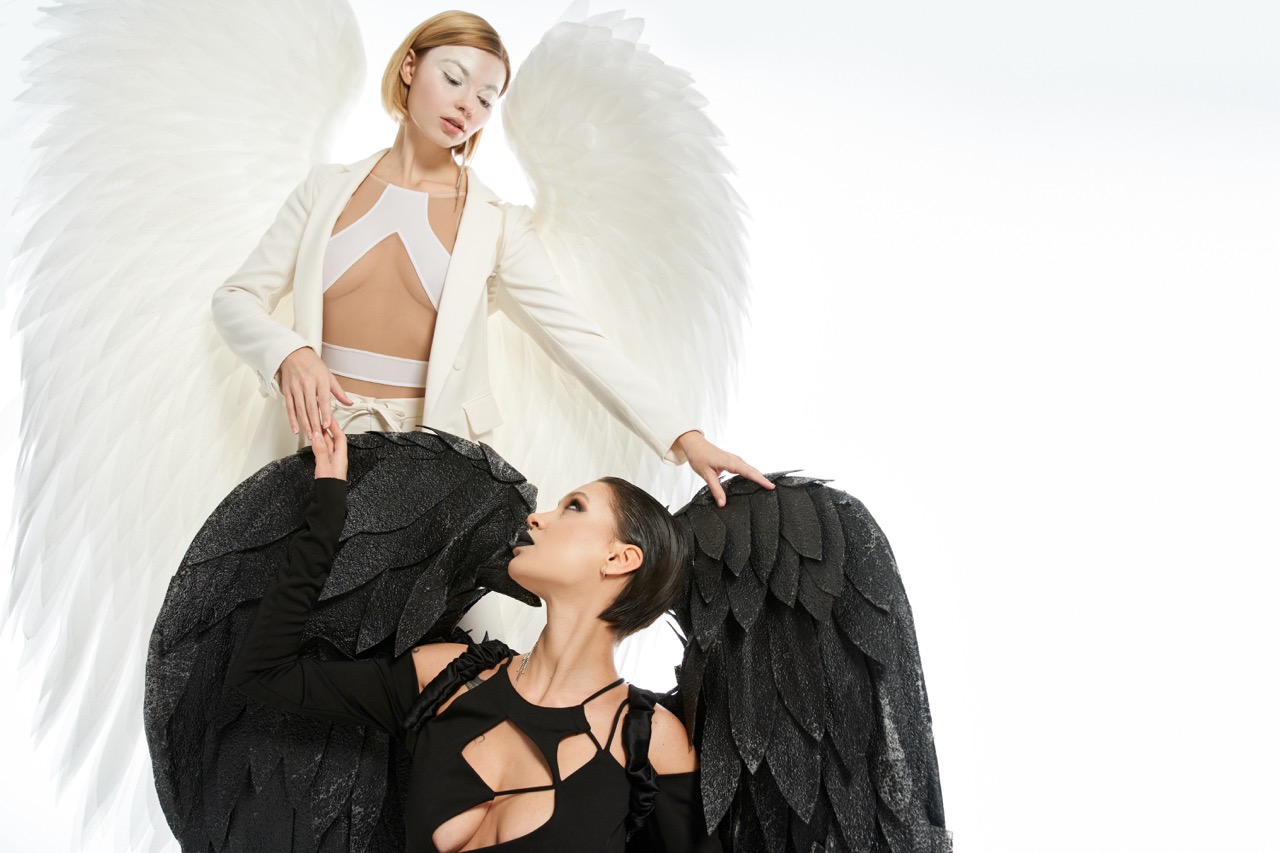
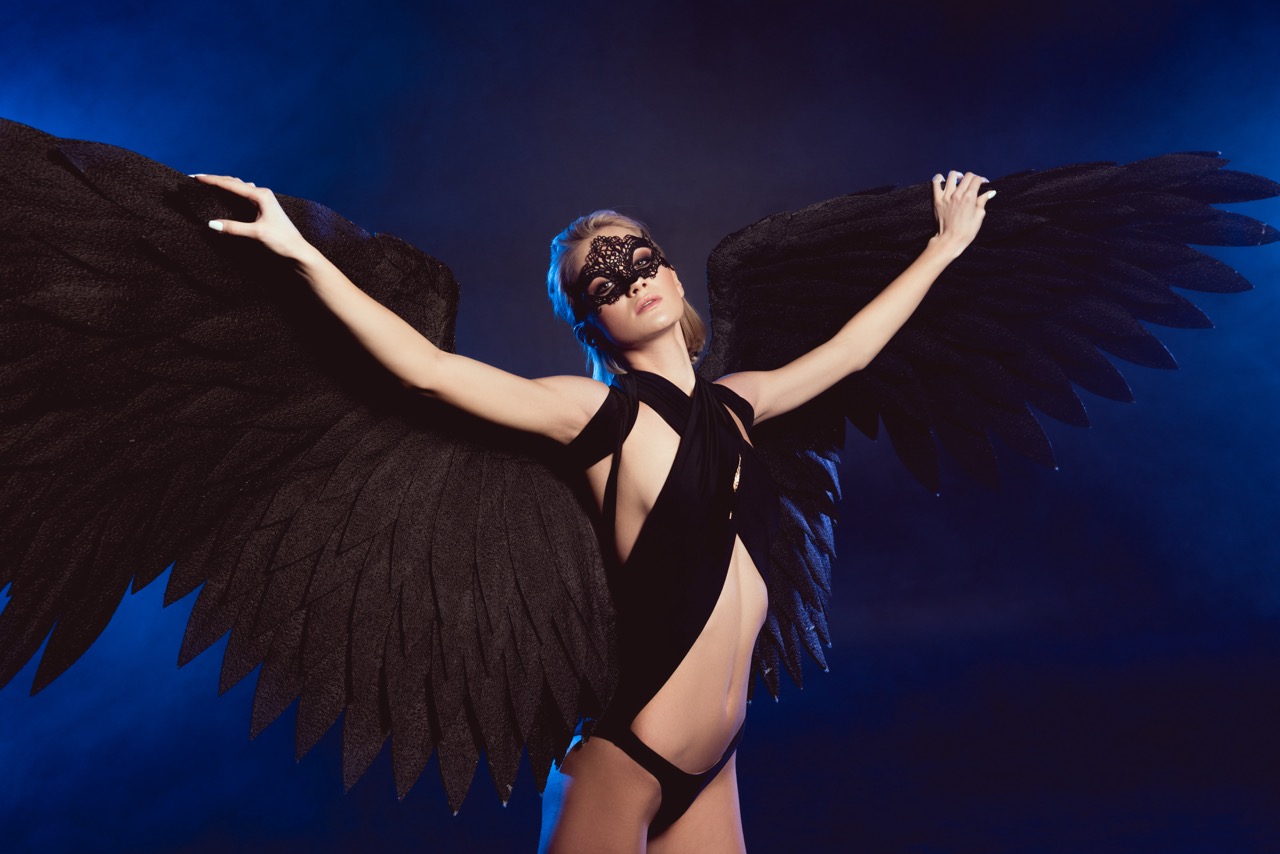
Feathered dance wings are often regarded as a mesmerizing fusion of nature and artistry. The delicate texture and vibrant colors of feathers evoke feelings of lightness and freedom, allowing dancers to embody the very essence of flight. When performers don these elaborate wings, they transform into living creatures, blurring the lines between the human form and the divine. Much like a bird in flight, dancers equipped with feathered wings create a visual narrative that captivates and transports viewers into a realm of fantasy and wonder.
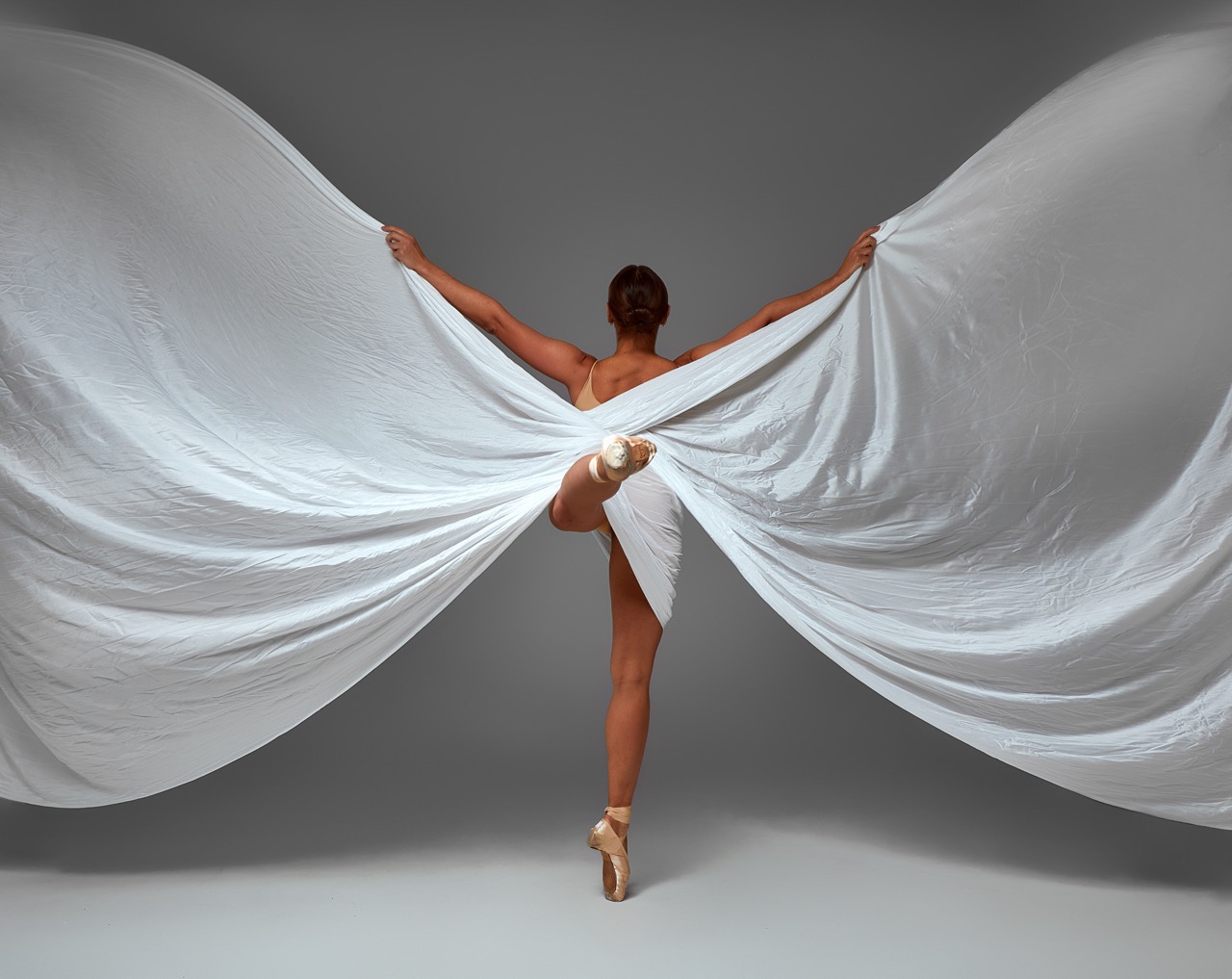
The allure of feathered wings is also deeply rooted in the aesthetic principles of dance. As performers move, the wings ripple and flow, creating a visual symphony that complements the choreography. The interplay of light and shadow against the feathers enhances the overall spectacle, drawing the audience’s attention and amplifying the emotional resonance of the performance. The enchanting qualities of these wings serve not only as a costume but as a vital component of the storytelling process, enriching the narrative and engaging the audience on multiple sensory levels.
Beyond their aesthetic appeal, feathered dance wings symbolize transformation and transcendence. In many cultures, feathers are seen as a bridge between the earthly and spiritual realms, representing ascension and enlightenment. For dancers, wearing these wings can signify a personal metamorphosis, allowing them to step into a new identity or explore different facets of themselves. This transformative power of feathered wings fosters a deeper connection between the dancer and the audience, creating a shared experience that transcends language and cultural boundaries.
Unraveling the Cultural Significance of Feathered Adornments
Throughout history, feathered adornments have held significant cultural importance across various societies. In indigenous cultures, feathers are often imbued with spiritual symbolism, representing connection to the divine and the natural world. Wearing feathered wings in a dance performance can pay homage to ancestral traditions, allowing performers to weave cultural narratives into their artistry. This practice not only preserves cultural heritage but also fosters a sense of community and shared identity among dancers and audiences alike.
In the realm of theatrical dance, feathered wings can also serve as powerful symbols of freedom and liberation. Many contemporary dance forms utilize these adornments to challenge social norms and express the desire for personal and collective emancipation. For instance, feathered wings might be employed in performances that explore themes of identity, gender, or cultural representation, allowing dancers to assert their individuality while simultaneously highlighting broader societal issues. This dual role of feathered wings enhances their cultural significance, making them a poignant tool for social commentary.
Moreover, the symbolism of feathers extends beyond the performance itself. In many cultures, feathers are considered sacred objects, often used in rituals and ceremonies to invoke blessings or protection. Incorporating feathered wings into dance can thus serve as a form of reverence, connecting the art form to a deeper spiritual significance. This relationship between culture, spirituality, and artistic expression enriches the meaning of feathered dance wings, positioning them as more than mere decorations but as vital conduits for cultural storytelling and exploration.
The Interplay of Movement and Emotion in Dance Wing Symbolism
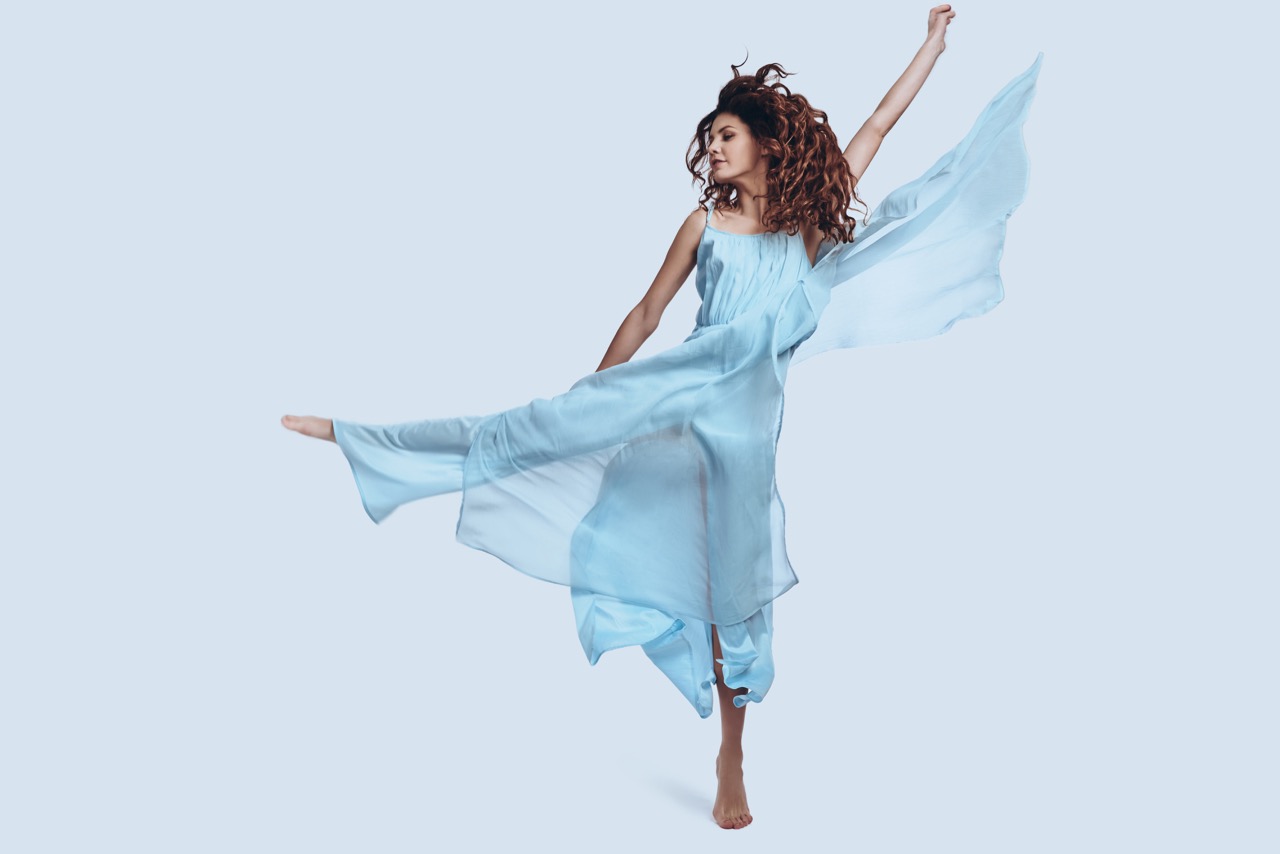
The dynamic relationship between movement and emotion is crucial in understanding the symbolism behind feathered dance wings. When dancers don these elaborate adornments, they not only take on a visual identity but also a unique emotional palette. The fluidity and gracefulness of the wings mirror the dancer’s own emotional journey, allowing for a visceral expression of feelings that might otherwise remain unspoken. Every flutter and wave of the feathers tells a story, communicating joy, sorrow, freedom, or confinement, depending on the choreography and the dancer’s interpretation.
This emotional interplay is heightened by the physicality of the wings themselves. The weight and texture of the feathers can influence the dancer’s movements, encouraging a more expansive style that emphasizes fluidity and grace. As dancers navigate through space, the wings become an extension of their bodies, allowing them to explore themes of liberation and constraint. The contrast between the weight of the feathers and the lightness of the dancer’s movements creates a compelling visual juxtaposition, enriching the emotional landscape of the performance and inviting audiences to engage with the underlying themes.
Furthermore, the symbolism of feathered wings can evoke a wide range of emotional responses from the audience. The sight of a dancer soaring through the air, with wings unfurling like an ethereal creature, can inspire feelings of awe and wonder. Conversely, the same wings can evoke a sense of nostalgia or melancholy when paired with themes of loss or longing. This multifaceted emotional resonance underscores the power of feathered dance wings as a symbolic tool, transforming the act of dancing into a profound exploration of the human experience.
Crafting Identity: How Feathered Wings Reflect Personal Narratives
Feathered dance wings serve as a powerful medium for dancers to craft and convey their personal narratives. Each dancer brings their own story, experiences, and cultural background into their performance, and the wings become an essential part of that expression. The choice of colors, styles, and designs often reflects the dancer’s identity, allowing them to communicate aspects of themselves that may not be easily articulated through words alone. Whether representing heritage, individuality, or personal struggles, feathered wings become a visual representation of the dancer’s journey.
In many contemporary performances, the act of donning feathered wings can be a form of self-affirmation, allowing dancers to reclaim their narratives and assert their right to be seen and heard. For marginalized communities, this can be particularly significant, as the wings symbolize resilience and the reclamation of space within the performing arts. By incorporating these adornments into their performances, dancers not only honor their personal stories but also challenge societal perceptions and stereotypes, using their art as a platform for change.
Moreover, the act of crafting feathered wings can be a deeply personal and transformative experience in itself. Many dancers take on the challenge of creating their own wings, infusing them with meaning and intention that resonates with their individual stories. This creative process allows for a deeper connection to the wings, making them an integral part of the dancer’s identity on stage. As a result, feathered wings not only enhance the visual spectacle of a performance but also serve as a testament to the multifaceted nature of personal narrative and the power of dance as a form of self-expression.
In conclusion, feathered dance wings are far more than ornamental attire; they embody a rich tapestry of symbolism that spans culture, emotion, and personal identity. From their enchanting allure and cultural significance to their capacity to evoke deep emotions and reflect individual narratives, these wings play a vital role in the dance world. As dancers continue to explore and innovate with these adornments, they will undoubtedly continue to inspire awe and provoke thought, inviting audiences to look beyond the surface and appreciate the profound stories that feathered dance wings reveal.