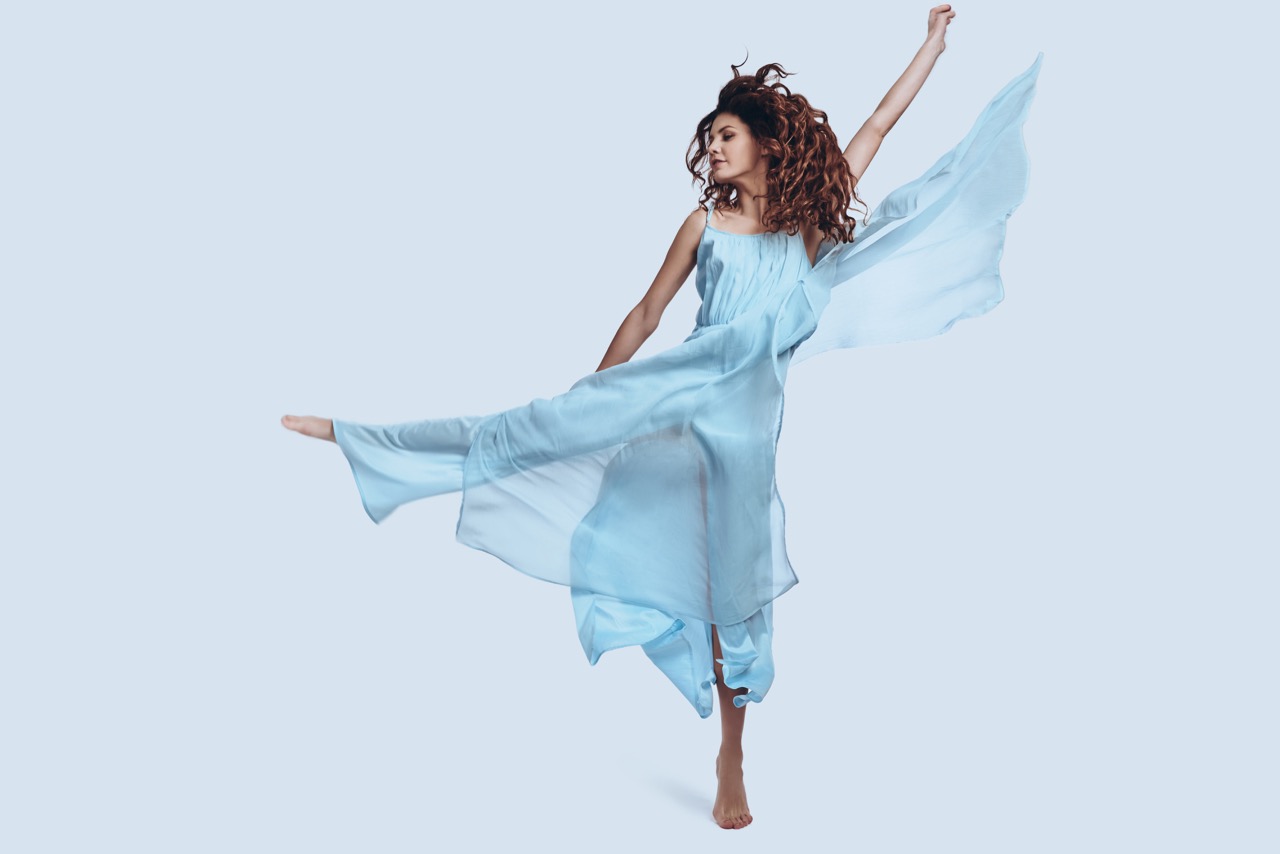



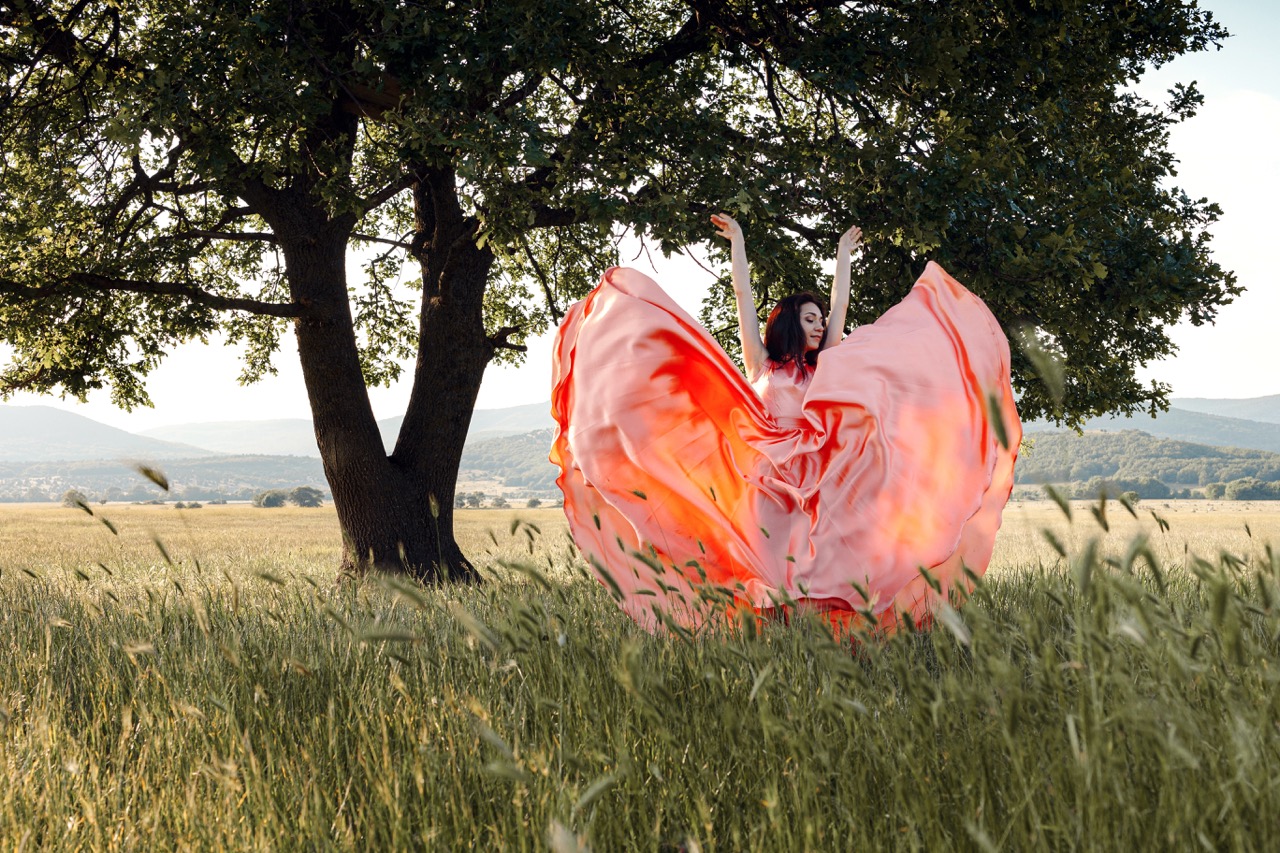
Improvisation in dance is a timeless art form that transcends mere movement to reflect the dancer’s internal landscape and spontaneity. Whether in a structured performance or a casual studio setting, improvisation invites dancers to explore their bodies and the space around them in unique and personal ways. This article delves into the significance of improvisation in dance, highlighting its transformative qualities, creative potential, and the profound connection it fosters between mind and body.
The Art of Spontaneity: Elevating Dance Performance
Improvisation in dance is fundamentally an expression of spontaneity, allowing performers to break free from choreographed confines. When dancers embrace the freedom of improvisation, they create a dynamic energy that captivates audiences. Each movement becomes an exploration as they respond to their environment, music, and even their emotions in real-time. This element of surprise not only enhances the performance but also invites viewers into a shared experience, where the outcome remains unpredictable and fresh.
Moreover, improvisation challenges dancers to cultivate a heightened sense of awareness. As they navigate through spontaneous movements, they learn to attune their senses to rhythm, space, and the energy of their fellow performers. This attentiveness fosters a deeper engagement with the audience, creating a visceral connection that transcends the physical act of dancing. In this way, improvisation becomes a powerful tool for elevating performances, as dancers tap into raw expression and connect authentically with those who watch them.
Finally, the practice of improvisation also serves as a form of personal exploration. Dancers often find that the act of improvising allows them to unlock emotions and memories that may have been buried. This self-discovery is not only enriching for the performer but can also resonate with the audience, who may find themselves reflecting on their own experiences. Ultimately, the art of spontaneity in dance becomes a powerful vehicle for both expression and connection, transforming both the dancer and the viewer.
Breaking Boundaries: Improvisation as a Creative Force
Improvisation is a catalyst for creativity, enabling dancers to break boundaries and explore new realms of movement. Traditional dance styles often come with established techniques and forms, which can sometimes stifle personal expression. However, improvisation invites dancers to take risks and venture into the unknown, allowing for the discovery of uncharted territories within their movement vocabulary. It encourages experimentation with different styles, rhythms, and even cultural influences, leading to innovative fusions that enrich the dance landscape.
In addition, improvisational techniques challenge the preconceived notions of what dance can be. Dancers are empowered to draw from their unique experiences and heritage, integrating personal narratives into their performances. This blending of diverse backgrounds and perspectives not only fosters inclusivity but also fosters a broader understanding of the art form. By embracing improvisation, dancers contribute to an evolving art scene that values authenticity and originality over adherence to tradition.
Moreover, the creative force of improvisation extends beyond the individual dancer. It inspires collaboration among performers, as they engage in a dialogue through movement. This collaborative spirit often leads to groundbreaking performances that defy categorization, as dancers respond to each other’s impulses and create a tapestry of shared creativity. In this way, improvisation acts as a revolutionary force within the dance community, encouraging artists to dismantle barriers and forge new pathways of expression.
Mind and Body: The Connection Through Dance Improvisation
The practice of dance improvisation deepens the intrinsic connection between mind and body, fostering a holistic approach to movement. When dancers improvise, they engage not only their physical selves but also their mental faculties, creating an intricate dialogue between thought and action. This synergy enhances their ability to express themselves, as they tap into an intuitive understanding of their body’s capabilities and limitations. Through improvisation, dancers learn to listen to their bodies, allowing instinct to guide their movements without the constraints of preconceived choreography.
Furthermore, the improvisational process cultivates mindfulness, as dancers become present in the moment. Each improvisational session invites them to let go of external distractions and focus solely on their body and its sensations. This practice of mindfulness not only enhances their performance but also contributes to their overall well-being, reducing stress and promoting emotional balance. By fostering a deeper awareness of their physicality, dancers can explore new ways of moving that are authentic and resonant, resulting in a more profound connection to their craft.
Finally, improvisation allows dancers to confront and navigate their internal landscapes. Embracing spontaneity can often lead to unexpected emotional releases, providing a safe space for self-expression. This process encourages dancers to explore their vulnerabilities and experiences, transforming the dance floor into a canvas for personal storytelling. The connection between mind and body is thus fortified, as dancers learn to channel their thoughts and emotions into physical movement, enriching both their performances and their personal journeys.
Transformative Experience: The Impact of Improvisation in Dance
The impact of improvisation in dance extends far beyond the individual dancer; it transforms the collective experience of performance. Audiences are often drawn to the authenticity that arises from the unpredictability of an improvised dance. The raw energy and emotional honesty inherent in such performances create a shared moment that resonates deeply with viewers. In this regard, improvisation serves as a bridge between performer and audience, inviting onlookers into an intimate dialogue that celebrates the ephemeral nature of art.
Additionally, the transformative power of improvisation fosters community within the dance world. Workshops and improvisational sessions create spaces for dancers to connect, collaborate, and share their unique movement vocabularies. This communal experience cultivates an environment of support and creativity, where participants can inspire and challenge one another. As dancers engage in collective improvisation, they develop a sense of belonging and collective identity that enriches their artistry and contributes to a vibrant dance culture.
Finally, the lessons learned through improvisation often extend beyond the dance floor. Dancers who engage in improvisational practices develop resilience, adaptability, and confidence—skills that are invaluable both in their personal and professional lives. The ability to think on one’s feet, embrace uncertainty, and express oneself authentically is transformative, empowering dancers not only as artists but as individuals. Ultimately, the impact of improvisation in dance reverberates through the entire artistic community, enhancing the cultural landscape and inspiring future generations of dancers.
Improvisation in dance is a multifaceted practice that elevates performances, breaks boundaries, strengthens the mind-body connection, and fosters transformative experiences. As dancers embrace the spontaneity and creativity inherent in improvisation, they craft unique narratives that resonate deeply with audiences. The significance of improvisation extends beyond the realm of dance, shaping dancers into resilient, adaptable individuals while enriching the cultural tapestry of the art form itself. As we continue to celebrate and explore the vast potentials of dance improvisation, we invite the next generation of artists to venture into the uncharted territories of movement, where imagination knows no bounds.