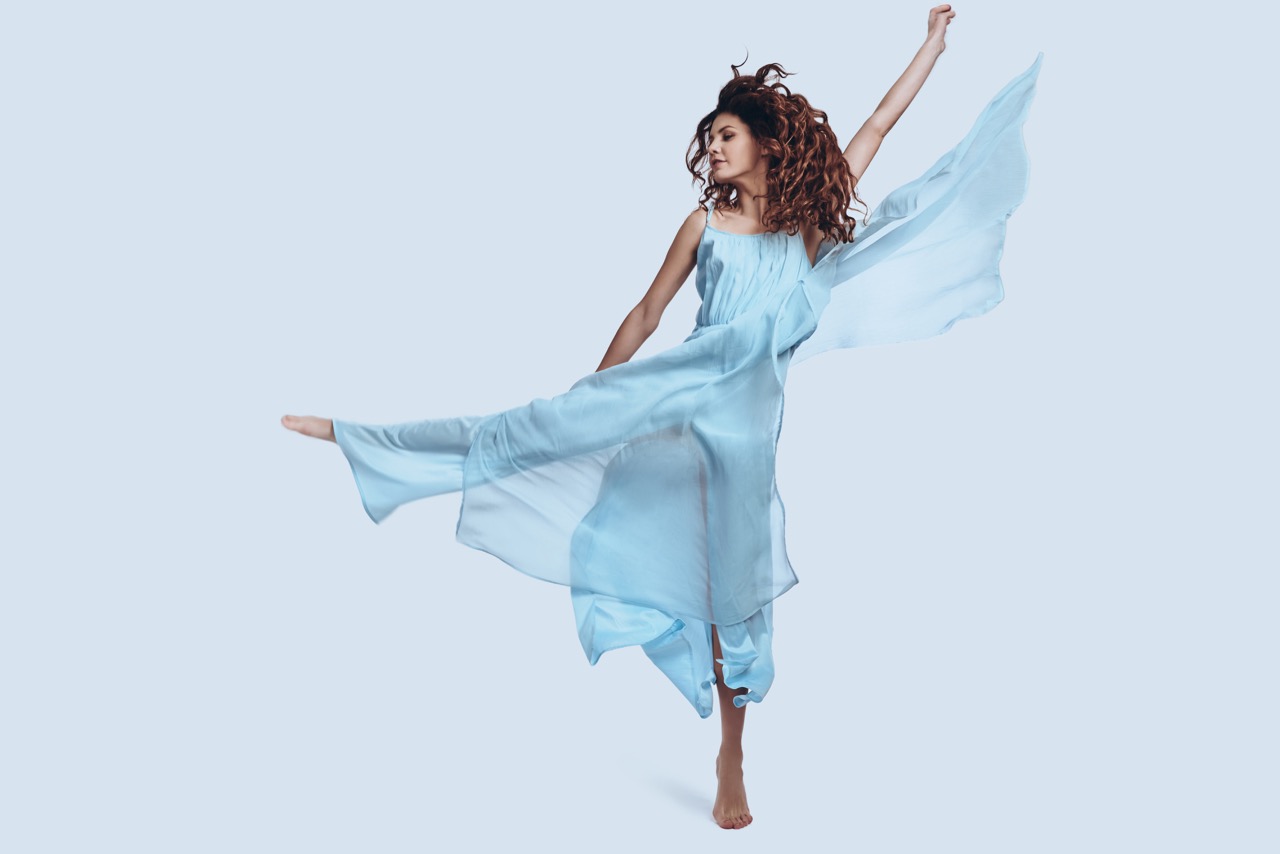



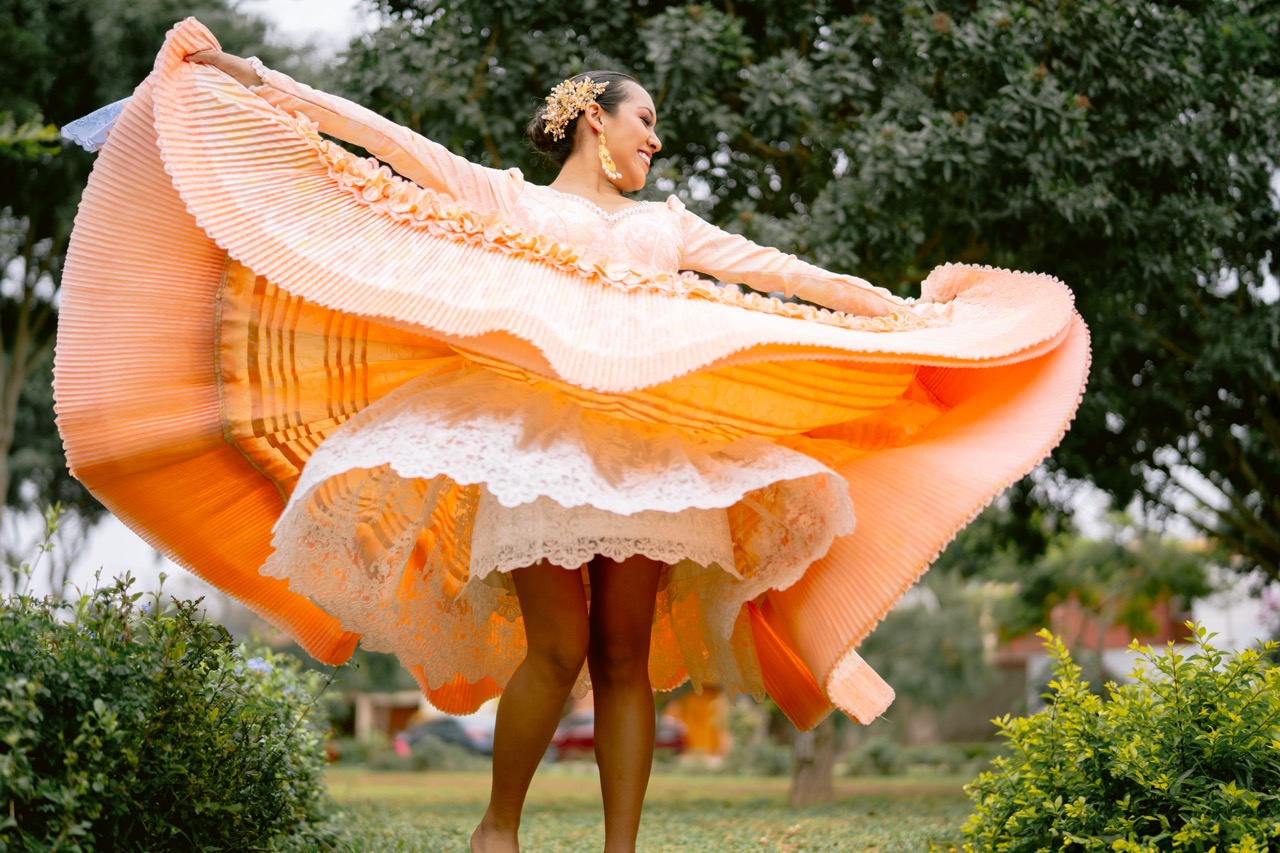
Dance is an art form that transcends cultural boundaries, allowing individuals to express a range of emotions and narratives through movement. But beneath the beauty and grace of dance lies a complex interplay of biology, mechanics, and neuroscience that enables the human body to perform such extraordinary feats. This article delves into the science behind dance, exploring how our bodies move and how understanding these principles can enhance performance and prevent injuries.
Exploring the Mechanics: Dance as a Form of Human Expression
Dance is not just about movement; it’s a powerful medium for storytelling, communication, and self-expression. The mechanics of dance involve a careful orchestration of body parts working in harmony, where each motion conveys a feeling or story. Whether it’s the fluidity of ballet, the energetic beats of hip-hop, or the intricate rhythms of traditional folk dances, each style utilizes different mechanics to achieve its unique aesthetic and emotional impact.
At the heart of dance mechanics is the kinetic chain, which refers to the interconnected movements of muscles and joints. When a dancer performs a pirouette or a leap, various muscle groups engage in a coordinated effort to maintain balance, height, and precision. Understanding these mechanics allows dancers to harness their bodies effectively, translating artistic intentions into physical actions that resonate with audiences.
Moreover, the mechanics of dance are influenced by external factors such as gravity, floor surfaces, and even the presence of an audience. Dancers must adapt their movements to these variables, showcasing their skill and creativity. This adaptability is what makes dance an enduring form of human expression—one that is as much about the science of movement as it is about the art of performance.
The Biology of Movement: Muscles, Joints, and Coordination
The biological foundation of dance is rooted in the anatomy of muscles and joints, which work together to facilitate movement. Our skeletal muscles, which are voluntary and striated, allow for precise control over movements, enabling dancers to perform intricate sequences with agility and finesse. Each muscle group, from the core that stabilizes the body to the limbs that create striking lines, plays a vital role in achieving the desired fluidity and grace.
Joints, the connections between bones, are essential for movement as well. They allow for various ranges of motion, from the pivoting of the shoulders during a turn to the flexing of the knees in a plié. Ligaments and tendons provide stability and support, ensuring that dancers can execute their movements safely. A deep understanding of joint mechanics can aid dancers in optimizing their techniques while minimizing the risk of injury.
Coordination is another critical aspect of biological movement in dance. It involves the integration of sensory feedback and motor control. Dancers develop exceptional proprioception, the ability to sense the position of their body in space, allowing them to make real-time adjustments during performance. This fine-tuned coordination is what enables dancers to execute complex patterns seamlessly, captivating audiences with their artistry.
Rhythm and Balance: The Neurological Symphony of Dance
At its core, dance is a rhythmic expression, deeply intertwined with the human brain’s capacity to perceive and interpret patterns. The auditory system processes music, while the motor cortex activates the muscles needed to execute the movements. This interplay creates a neurological symphony, where rhythm becomes the conductor guiding the dancer’s body. Understanding this connection allows dancers to enhance their performance, as they learn to feel the music and align their movements accordingly.
Balance is another crucial aspect of this neurological symphony. The inner ear’s vestibular system plays a key role in maintaining equilibrium, enabling dancers to execute intricate spins, jumps, and lifts without losing stability. Training involves not only strengthening the muscles involved in balance but also developing the brain’s ability to process information rapidly and respond in real-time to maintain center of gravity.
Furthermore, the emotional impact of dance is largely attributed to the brain’s release of neurotransmitters during movement. Activities like dance stimulate the production of endorphins, serotonin, and dopamine, which enhance mood and contribute to an overall sense of well-being. This biochemical response underscores the profound connection between dance and mental health, demonstrating that the science of movement extends beyond the physical realm into emotional expression and psychological resilience.
Injury Prevention: Science-Backed Tips for Dancers’ Health
Injury prevention is paramount for dancers who push their bodies to the limits of flexibility, strength, and endurance. Understanding the biomechanics of the body can help dancers identify potential stressors that may lead to injuries. Incorporating warm-up and cool-down routines tailored to the specific demands of their dance style can significantly reduce the risk of strains and sprains. Warming up prepares the muscles for the rigor of dance, while cooling down aids in recovery.
Cross-training is another essential strategy for injury prevention. Engaging in complementary physical activities, such as swimming, yoga, or Pilates, can strengthen muscles that dancers may not directly utilize in their primary discipline. This holistic approach not only enhances overall fitness but also improves flexibility and core stability—both vital for maintaining balance and reducing injury risk in dance.
Finally, listening to the body is crucial. Dancers should be attuned to signs of fatigue or discomfort and take necessary precautions to avoid pushing through pain. Regular check-ins with healthcare professionals, such as physiotherapists or sports medicine specialists, can provide personalized insights into maintaining optimal health and performance. By embracing these science-backed tips, dancers can enjoy their craft while minimizing the risk of injury.
The science behind dance reveals a captivating interplay of mechanics, biology, and neuroscience that underpins this expressive art form. Understanding how our bodies move not only enhances performance but also fosters a deeper appreciation for the skill and artistry that dancers exhibit on stage. By prioritizing injury prevention and embracing the scientific principles of movement, dancers can continue to inspire audiences while safeguarding their health and longevity in this beautiful discipline. Through the lens of science, we see dance not just as an art, but as a testament to the incredible capabilities of the human body.