
Dance is an art form that transcends mere movement; it is a powerful medium for storytelling. The integration of wings, whether metaphorical or physical, adds a captivating layer to dance narratives. Wings signify freedom, transformation, and aspiration, enhancing the visual experience and emotional resonance of the performance. This article explores the multifaceted role of wings in dance, highlighting their significance in movement, symbolism, choreography, and as a transformative element in visual storytelling.
Wings Unveiled: The Art of Movement in Dance Narratives
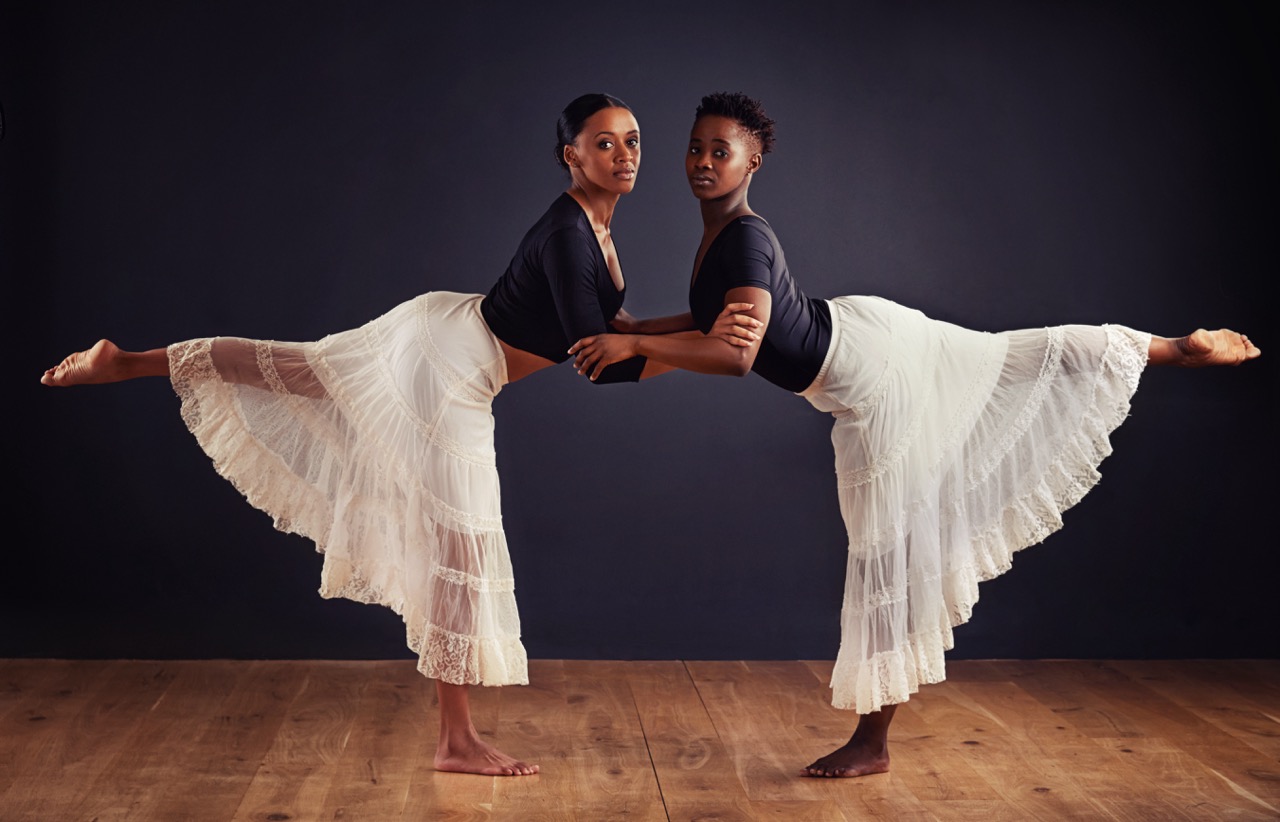
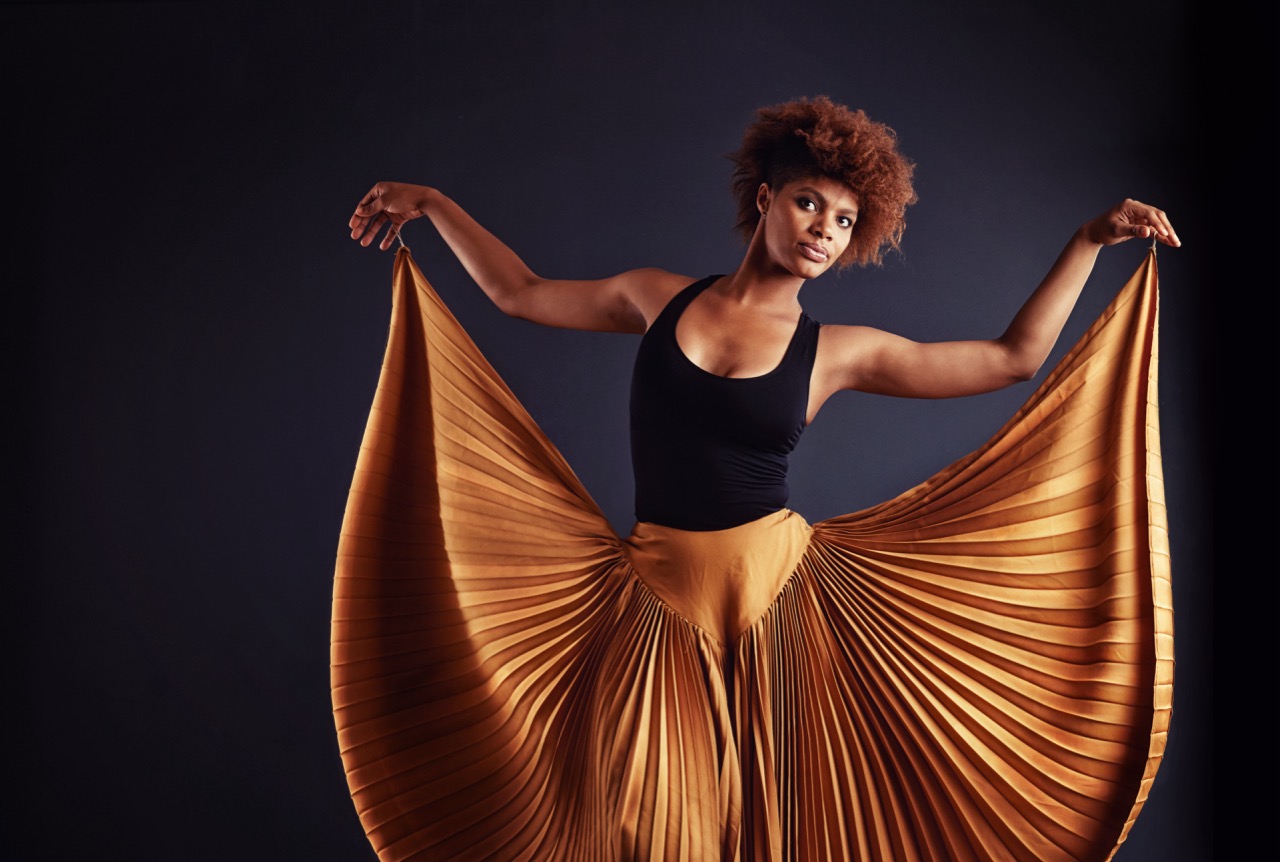
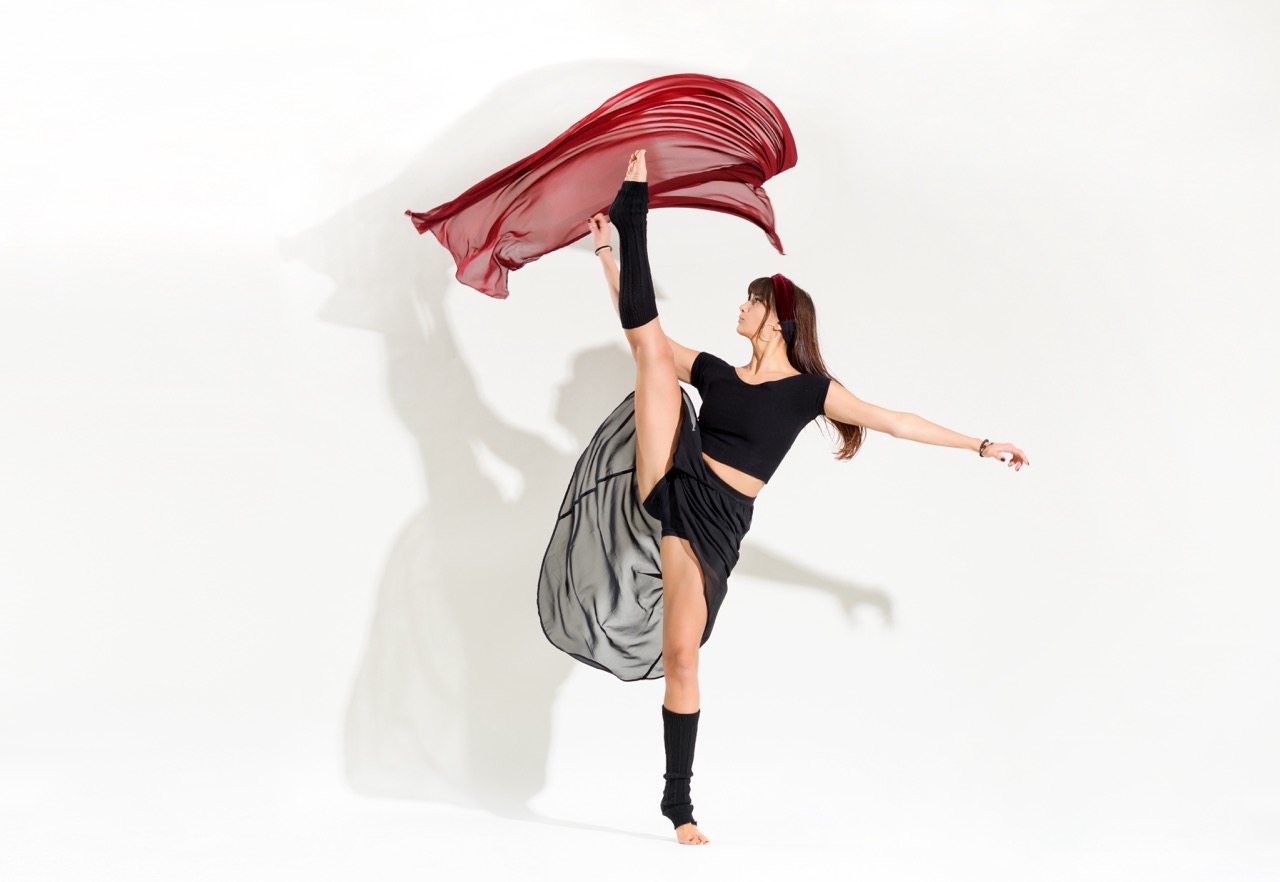
Wings in dance are not just accessories; they serve as extensions of the dancer’s body and soul, transforming the physicality of movement. When dancers incorporate wings, they can manipulate space and dynamics, evoking a sense of lightness or weightiness in their performances. The flapping of fabric or the graceful arching of arms mimics the movement of birds, allowing the audience to experience the sensation of flight. This interplay between the dancer’s form and the wings creates a compelling visual narrative that captivates and inspires.
Moreover, the use of wings can convey a character’s emotional journey. For instance, a dancer might begin their performance cloaked in heavy, grounded movements, only to unfurl their wings as a symbol of liberation and growth. Each motion becomes a brushstroke on the canvas of storytelling, revealing inner struggles and triumphs. Through the art of movement, wings become a powerful vehicle for expressing complex emotions, inviting the audience to connect deeply with the narrative on stage.
Additionally, wings can signify transformation within the dance narrative. Just as a caterpillar becomes a butterfly, the emergence of wings can represent personal metamorphosis. Dance becomes a visual metaphor for change, allowing performers to explore themes of identity and self-discovery. The aesthetic beauty of wings, combined with the fluidity of dance, creates an enchanting atmosphere where the audience is encouraged to reflect on their own journeys of transformation.
Symbolism in Flight: Wings as a Storytelling Device
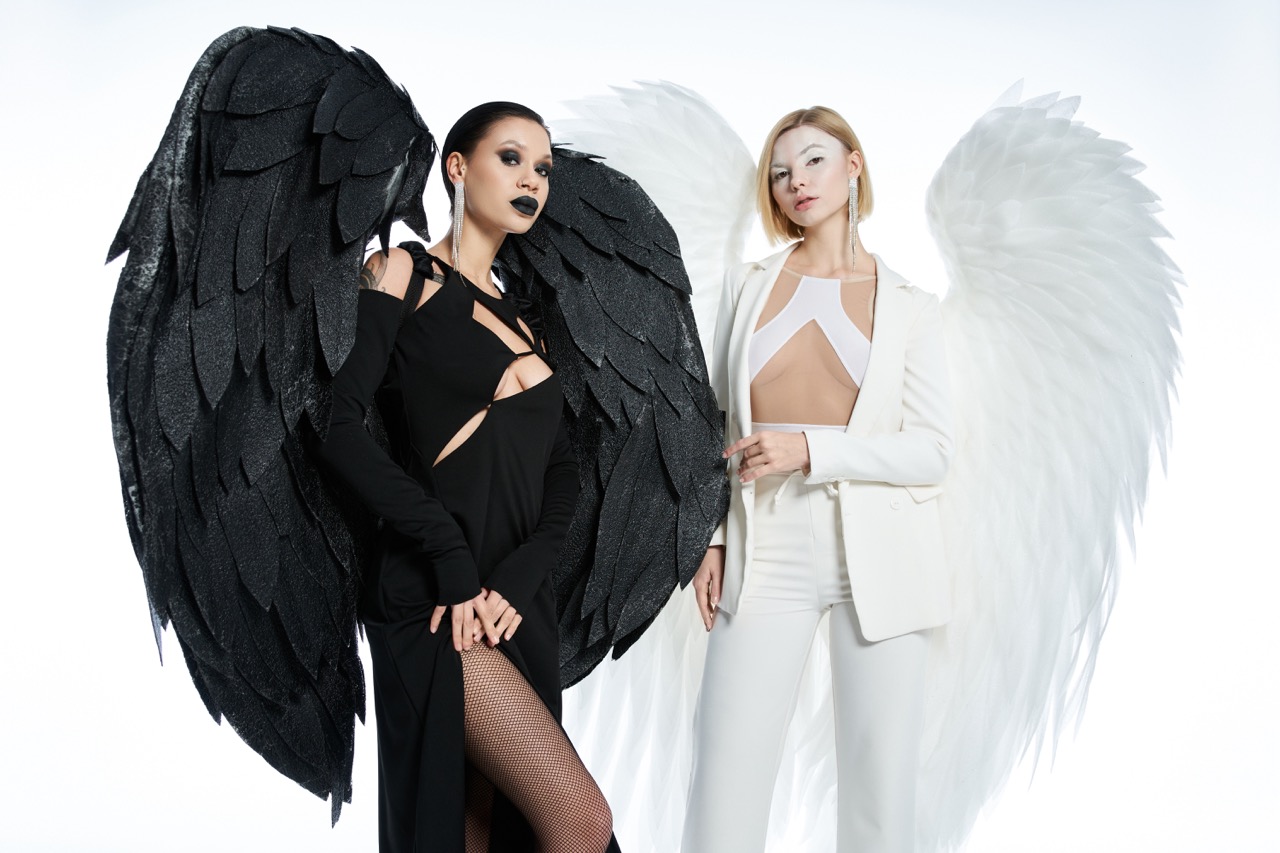
The symbolism of wings extends far beyond mere aesthetics; they resonate with themes of freedom, escape, and transcendence. In many cultures, wings are associated with the divine, representing the aspirations of the human spirit to reach greater heights. In dance, this symbolism is potent, as performers embody these ideals, inviting spectators to witness a narrative of liberation and the quest for self-actualization. By using wings, dancers evoke a sense of yearning that resonates deeply with the human experience.
Furthermore, wings can also convey the fragility of existence. Just as birds can be endangered by their environment, dancers with wings can represent vulnerability amidst a quest for freedom. This duality enriches the storytelling, as the audience grapples with the tension between aspiration and the inherent risks involved in pursuing dreams. The visual contrast of soaring movements against the backdrop of the earth creates a poignant reminder of both the beauty and the precariousness of life.
The incorporation of wings allows for a broader exploration of narrative themes, transforming performances into allegorical tales. For example, a dance piece can illustrate the journey of overcoming obstacles—where wings symbolize hope and the potential for ascendance. Such storytelling devices render the dance not just an art form, but a meaningful commentary on the universal human condition, inviting interpretations that transcend cultural and linguistic barriers.
Choreography and Wings: Weaving Tales Through Motion
Choreography involving wings requires meticulous attention to detail, as the integration of these elements must align seamlessly with the overall narrative and movement style. The choreography should enhance the symbolism of the wings, whether through synchronized flaps, ethereal lifts, or powerful sweeps. Each movement must be intentional, creating a cohesive story where the wings become an intrinsic part of the dancer’s expression. The collaboration between the dancer and their wings opens a dialogue within the performance, allowing the audience to witness a physical representation of the narrative.
Moreover, the choreography often reflects the notion of duality, where the dancer’s body and the wings must work in harmony while also conveying distinct themes. For example, a dancer may portray an internal struggle through grounded, heavy movements, gradually transitioning to soaring, expansive gestures as they embrace their wings. This juxtaposition emphasizes the transformative power of the wings, allowing the audience to witness a compelling evolution of character and emotion. The intricate choreography draws spectators into a world where movement tells a story that is both personal and universal.
In addition to individual performances, group choreography featuring wings can create a stunning visual tableau. Dancers can simulate a flock in flight, using synchronized movements to convey unity and collective aspiration. This communal aspect enhances the narrative, emphasizing themes of connection, support, and shared journeys. The choreography, when executed with precision and artistry, elevates the entire performance, transforming it into a breathtaking spectacle that resonates with audiences long after the final bow.
The Impact of Wings: Elevating Dance into Visual Poetry
The impact of wings in dance transcends the physical realm; they elevate the performance into a realm of visual poetry. When executed effectively, the combination of wings and dance creates a visceral experience that captivates audiences, allowing them to connect emotionally with the narrative. The visual imagery of wings takes on a life of its own, allowing the audience to suspend disbelief and immerse themselves in the story being told. Each flutter, each sweep of fabric, becomes a poetic expression of the dancer’s intent, compelling viewers to engage with the performance on a deeper level.
Wings also serve to amplify the emotional weight of the narrative. The visual element of flight can evoke feelings of joy, longing, or melancholy, transforming the stage into a space where emotions are laid bare. The dancer’s ability to convey these feelings through the wings enhances the overall impact of the story, allowing the audience to experience a spectrum of emotions. Consequently, wings can be seen as a bridge between the dancer’s internal world and the spectators’ perceptions, fostering a connection that blurs the lines between performer and audience.
Ultimately, the role of wings in dance is about more than aesthetics; it is about the transformative power of storytelling. They allow dancers to transcend the ordinary, creating a visual manifestation of the human experience that resonates with audiences on multiple levels. The integration of wings transforms dance into an art form that is not only visually stunning but also rich with meaning and emotion, elevating it into a profound expression of visual poetry that leaves a lasting impression.
In conclusion, wings play a vital role in visual storytelling through dance, enriching the narratives and enhancing the emotional landscape of performances. They serve as symbols of freedom, transformation, and connection, inviting audiences to engage with the stories being told. Through the intricate choreography and powerful imagery, wings elevate dance into an art form that speaks to the universal human experience. As dancers continue to explore the possibilities of movement and narrative, the incorporation of wings will undoubtedly remain a significant element in the evolution of visual storytelling in dance.