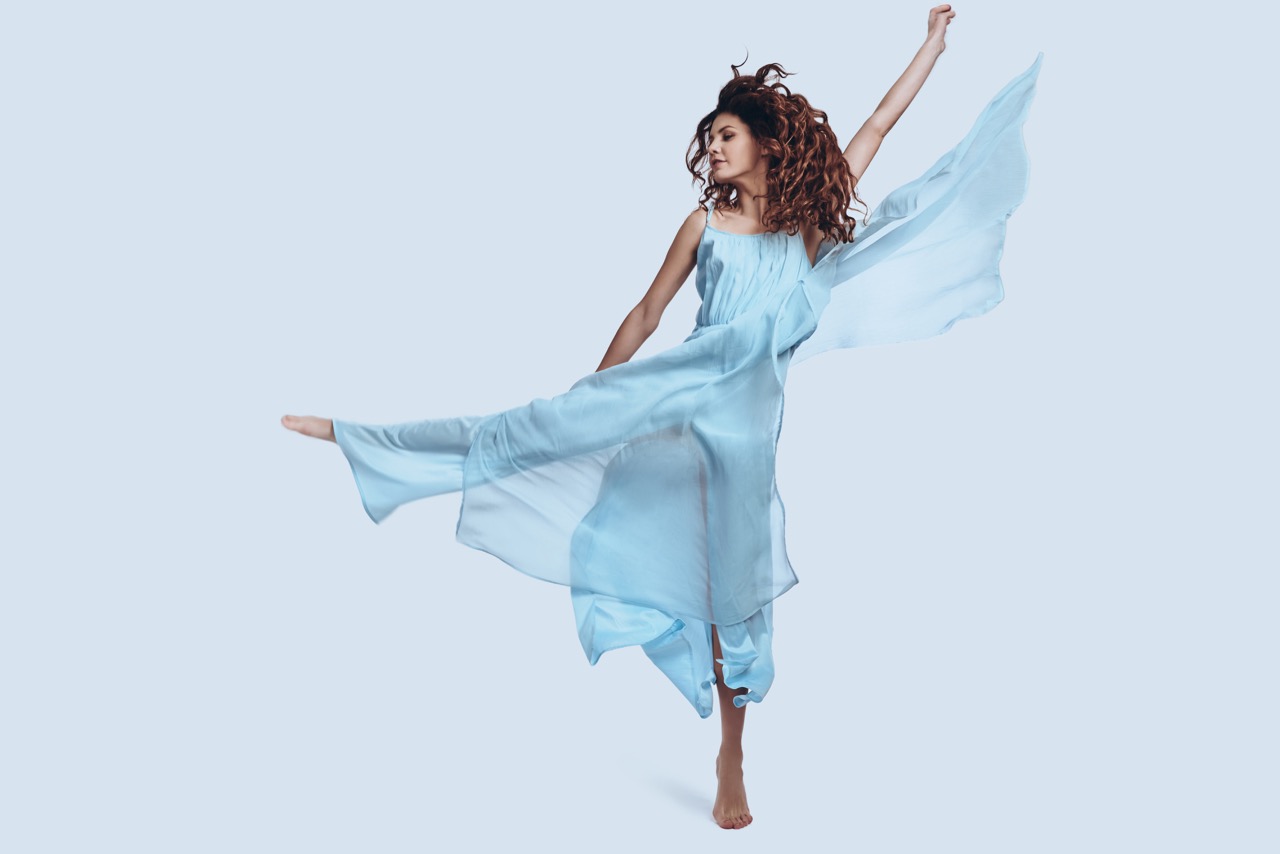




In the realm of performing arts, the fusion of technology and creativity has birthed groundbreaking innovations that have transformed traditional practices. Dance, an art form rooted in physical expression, has embraced wearable technology, particularly in the realm of wing performances. These captivating displays of movement not only elevate the aesthetic appeal of the dance but also offer new dimensions of expression and storytelling. As we delve into the role of wearable tech in dance wing performances, we uncover the intricate relationship between art, technology, and the future of this vibrant medium.
Revolutionizing Movement: Wearable Tech in Dance Wings
The integration of wearable technology in dance wings has revolutionized how dancers express themselves. Traditionally, dance wings have been crafted from lightweight materials, allowing for graceful movements that enhance the flow of a performance. However, the introduction of smart fabrics and sensors has added a new layer of interactivity to this age-old art form. Dancers can now incorporate wearable tech that responds to their movements, generating visual and auditory feedback that immerses the audience in a multisensory experience.
With the ability to track movement in real time, these technologies allow performers to explore new choreography possibilities. For instance, smart wings equipped with motion sensors can trigger LED lights or sound effects that correspond to specific movements, creating a dynamic interplay between the dancer and the technology. This level of interaction not only transforms the aesthetic of wing performances but also empowers dancers to experiment with their artistry, pushing the boundaries of what is possible in live performance.
Moreover, this technological integration fosters collaboration between dancers and technologists, resulting in innovative artistic expressions that were previously unimaginable. By melding dance with cutting-edge technology, performers can craft stories that resonate on deeper emotional levels, captivating audiences in ways that traditional dance alone cannot achieve. This revolution in movement powered by wearable tech is creating a new genre of performance art that is as exciting as it is transformative.
Enhancing Expression: The Tech Behind Dance Performance
As technology evolves, so does the way dancers express their emotions and narratives through movement. Wearable tech in dance wings goes beyond mere aesthetics; it enhances the expressive capabilities of performers by providing them with tools to elevate their storytelling. For example, haptic feedback devices allow dancers to feel the rhythm and pulse of their movements, enabling them to synchronize their body language with the accompanying music or ambient sounds. This heightened awareness of bodily kinesthetics leads to more authentic and emotive performances.
Furthermore, the incorporation of augmented reality (AR) into dance performances opens up new avenues for artistic expression. Dancers can interact with virtual elements projected onto the stage, creating a seamless blend of physical and digital realms. This technology allows for the exploration of themes such as identity, space, and time, inviting audiences to engage with the performance on multiple sensory levels. The tech behind these advancements is not merely a tool but a partner in the creative process, enriching the dancer’s ability to convey complex emotions and narratives.
Moreover, the accessibility of these technologies has encouraged more diverse voices in the dance community. Aspiring dancers from varied backgrounds can leverage wearable tech to explore their unique styles and stories, promoting inclusivity within the art form. This democratization of technology is fostering a vibrant ecosystem where innovative choreography flourishes, ultimately transforming the dance landscape and enhancing expression in ways that resonate with contemporary audiences.
Data-Driven Dance: Analytics in Wing Performances
The advent of data analytics in dance is reshaping how performances are conceived, choreographed, and executed. Wearable technology equipped with sensors collects data about a dancer’s movements, posture, and even emotional responses during a performance. This data-driven approach enables choreographers to analyze performance metrics, identifying patterns that can refine and enhance choreography. Furthermore, real-time feedback allows dancers to make immediate adjustments, leading to improved execution and artistic outcomes.
Insights gathered from performance analytics can also lead to personalized training regimens for dancers. By assessing strengths and weaknesses through data, instructors can tailor their coaching strategies to meet individual needs, resulting in more effective skill development. This level of customization not only enhances the dancer’s abilities but also contributes to safer practices by reducing the risk of injury through informed movement training.
Additionally, data-driven insights can enrich the audience’s experience. By understanding audience reactions through biometric feedback, performers can adapt their performances in real time, creating a more engaging and responsive atmosphere. This symbiosis of technology and human expression not only elevates the quality of performances but also deepens the connection between the dancers and their audience, fostering a more immersive and memorable experience for all.
Bridging Art and Innovation: The Future of Dance Tech
As wearable technology continues to evolve, the future of dance wing performances looks increasingly bright. The integration of artificial intelligence (AI) and machine learning into dance technology opens up limitless possibilities for choreography and performance enhancement. Future iterations of wearable tech may be able to anticipate a dancer’s movements, suggesting creative transitions or visual effects that align with the performance’s emotional arc. This innovative interplay between technology and creativity promises to redefine the conventions of dance as we know them.
Moreover, there is a growing interest in collaborative projects that link artists with technologists, leading to groundbreaking works that challenge traditional narratives in dance. As multidisciplinary art forms gain popularity, the role of dance in cultural conversations will expand, inviting new audiences to engage with the art form. This collaboration between artists and technologists fosters a rich dialogue that encourages experimentation and encourages a shift towards a more inclusive and diverse representation of stories told through dance.
In conclusion, the future of dance tech is a collaborative, creative landscape that bridges art and innovation. As wearable technology continues to develop, it will undoubtedly empower dancers to push their artistry to new heights, transforming how we perceive and experience dance wing performances. By embracing the relationship between technology and creativity, the performing arts can continue to thrive and evolve, captivating audiences with increasingly dynamic and immersive experiences.
The intersection of wearable technology and dance is a testament to the ever-evolving nature of the performing arts. As we witness the transformation of wing performances through the integration of tech, it becomes clear that this fusion is not merely a trend but a vital evolution that enriches the expressive power of dance. With each new technological advancement, we are reminded of the boundless potential of artistic innovation, inviting us to envision a future where dance continues to inspire, challenge, and connect us all.