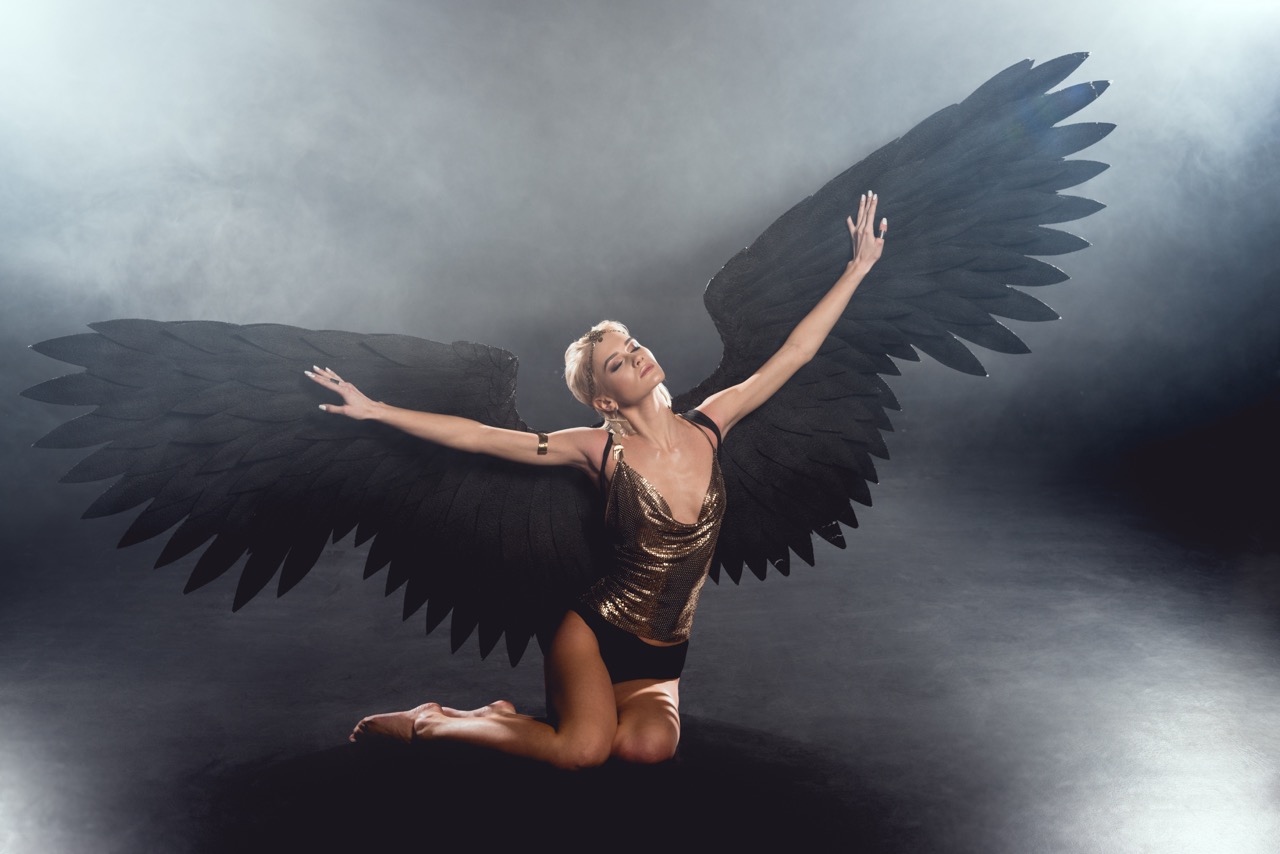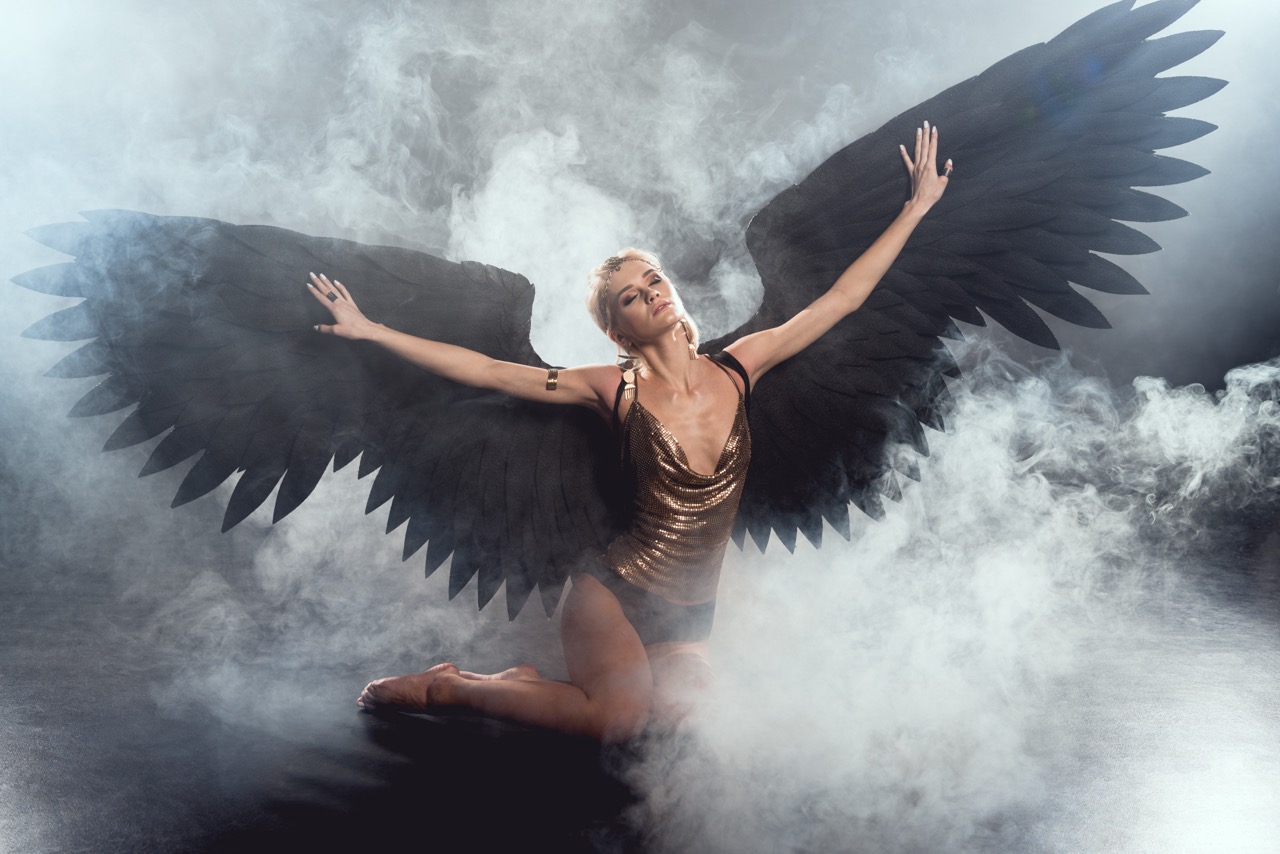





The world of dance is not just about rhythm and movement; it also embodies creativity and the pursuit of artistic expression. One of the fascinating elements that dancers incorporate into their performances is the use of wings—ornate extensions that enhance visual storytelling. However, these wings, often designed to dazzle, can also weigh down the dancer, making movement cumbersome. Fortunately, advancements in technology are transforming the way these accessories are created. By integrating innovative materials and design techniques, the dance community is witnessing a revolution in the creation of lightweight wings that maintain their beauty while enhancing performance.
Revolutionizing Dance: The Tech Behind Lightweight Wings
The integration of technology into dance has historically been limited to choreography and performance arts. Yet, in recent years, tech has taken center stage in the design of dance accessories, with lightweight wings emerging as a prime example. Dancers are now leveraging computer-aided design (CAD) software to create intricate wing patterns that are both aesthetically pleasing and functional. This technology enables designers to simulate different wing shapes, ensuring that they not only look good but also perform well during a dance routine.
Moreover, 3D printing technology has opened new avenues for creating dance wings with unparalleled precision. Artists can experiment with various designs and materials that were previously unimaginable. The ability to prototype and test different configurations allows for rapid iteration, enabling designers to refine their creations until they achieve the perfect balance of beauty and performance. As a result, the process has evolved from a labor-intensive craft to a streamlined design venture that embraces cutting-edge technology.
Finally, digital platforms have democratized access to information and resources in the dance community. Dancers and choreographers can now share their insights regarding wing designs and their corresponding impacts on performances, cultivating a culture of collaboration and innovation. The confluence of technology and the performing arts is enabling a new generation of dancers to express themselves freely, without the burden of clunky, cumbersome accessories.
Innovations in Materials: The Future of Dance Wing Design
One of the most significant factors contributing to the lightweight revolution in dance wings is the development of advanced materials. Traditional fabrics can be heavy and unwieldy, but innovative synthetic materials such as carbon fiber and lightweight nylon are changing the game. These materials not only reduce weight but also add durability and flexibility, allowing dancers to move with grace and agility.
Furthermore, advancements in textiles have led to the creation of smart fabrics that can respond to movement and environmental conditions. For example, some fabrics can change color or pattern based on body temperature or the surrounding light, providing an interactive element to performances. This technological advancement allows for a dynamic visual experience that engages audiences on multiple levels, making the performance not just a dance but an immersive experience.
In addition to performance enhancement, these materials also contribute to sustainability in the dance world. As the industry shifts towards eco-friendly practices, many designers are now opting for recycled and biodegradable materials in crafting dance wings. This evolution aligns with a growing awareness of environmental responsibility within the arts, ensuring that the beauty of dance can be appreciated without compromising the planet’s health.
Balancing Performance and Comfort: Tech’s Key Contribution
The intersection of comfort and performance is a crucial focus for dancers, and technological advancements are pivotal in achieving this balance. Traditional wings often restrict movement and may cause strain, leading to diminished performance quality. However, with smart engineering and design, modern dance wings are now being tailored to fit the dancer’s body more closely, allowing for free movement without sacrificing visual impact. This attention to ergonomics is invaluable, as it enables dancers to execute their routines with confidence and poise.
Research into biofeedback technologies is also playing a role in the development of dance wings. By utilizing sensors that monitor body movement, designers can gather important data about how wings interact with the dancer’s body during performance. This information allows for the creation of wings that are not just visually stunning but also enhance overall performance dynamics by analyzing aspects like weight distribution and drag. As a result, dancers can enjoy a seamless experience rather than be encumbered by their own accessories.
Additionally, the advent of customizable wings, which allow for adjustability in terms of size and weight, has made it easier for dancers to find the perfect match for their specific needs. This personalization ensures that each dancer can express their unique style while feeling comfortable and supported, ultimately elevating the entire dance performance.
From Concept to Stage: How Tech Enhances Dance Artistry
The journey of creating dance wings is a collaborative process that marries artistry and technology, taking concepts from imagination to reality. Utilizing virtual reality (VR) and augmented reality (AR), designers and choreographers can visualize how wings will interact with movement. This tech-aided visualization helps artists refine the intricacies of their performance, ensuring the wings complement the choreography rather than hinder it.
Moreover, comprehensive digital modeling allows for real-time adjustments and fine-tuning. Designers can experiment with color palettes, textures, and shapes from the comfort of their studios, giving them the freedom to innovate without the constraints of traditional crafting methods. This iterative process fosters creativity while ensuring that the end product aligns seamlessly with the vision of the dance piece.
The final test of these tech-enhanced designs comes during live rehearsals. As dancers take to the stage with their newly crafted wings, both artist and accessory must work in harmony. Technologies like motion capture can provide valuable feedback, allowing for further refinements even after the design has been finalized. This commitment to continuous improvement showcases how technology not only influences the creation of dance wings but also deeply enhances the overall artistry of the performance.
The evolution of dance wings illustrates the profound impact that technology can have on artistic expression. By reducing weight and enhancing functionality through innovative materials and design techniques, dancers can now focus on their craft with greater freedom and ease. As the dance community continues to embrace technological advancements, we can expect to see even more groundbreaking developments that will redefine the relationship between art and science. Ultimately, these innovations not only elevate the performers but also deepen the audience’s engagement, ensuring that dance remains a dynamic and enchanting form of expression in the years to come.