


In the theatrical world, where every detail matters in conveying a story, costume design plays a pivotal role in enhancing performances. Among the most striking elements that can transform a dancer into a captivating spectacle are dance wings. These ethereal accessories offer not just visual appeal but also a profound connection to the narrative being portrayed. This article explores the multifaceted role of dance wings in costume design, examining their integration into performance, their aesthetic contributions, their functional attributes, and their power in storytelling.
Elevating Performance: The Art of Dance Wing Integration
The integration of dance wings into performance costumes serves as a transformative tool that elevates the overall artistry of the dance. When seamlessly attached to the dancer’s attire, these wings can synchronize with movements, amplifying the grace and fluidity of the performance. Dancers can create a mesmerizing visual rhythm, with the wings flowing in tandem with their choreography, turning even the simplest movements into an extravagant display of elegance and beauty.
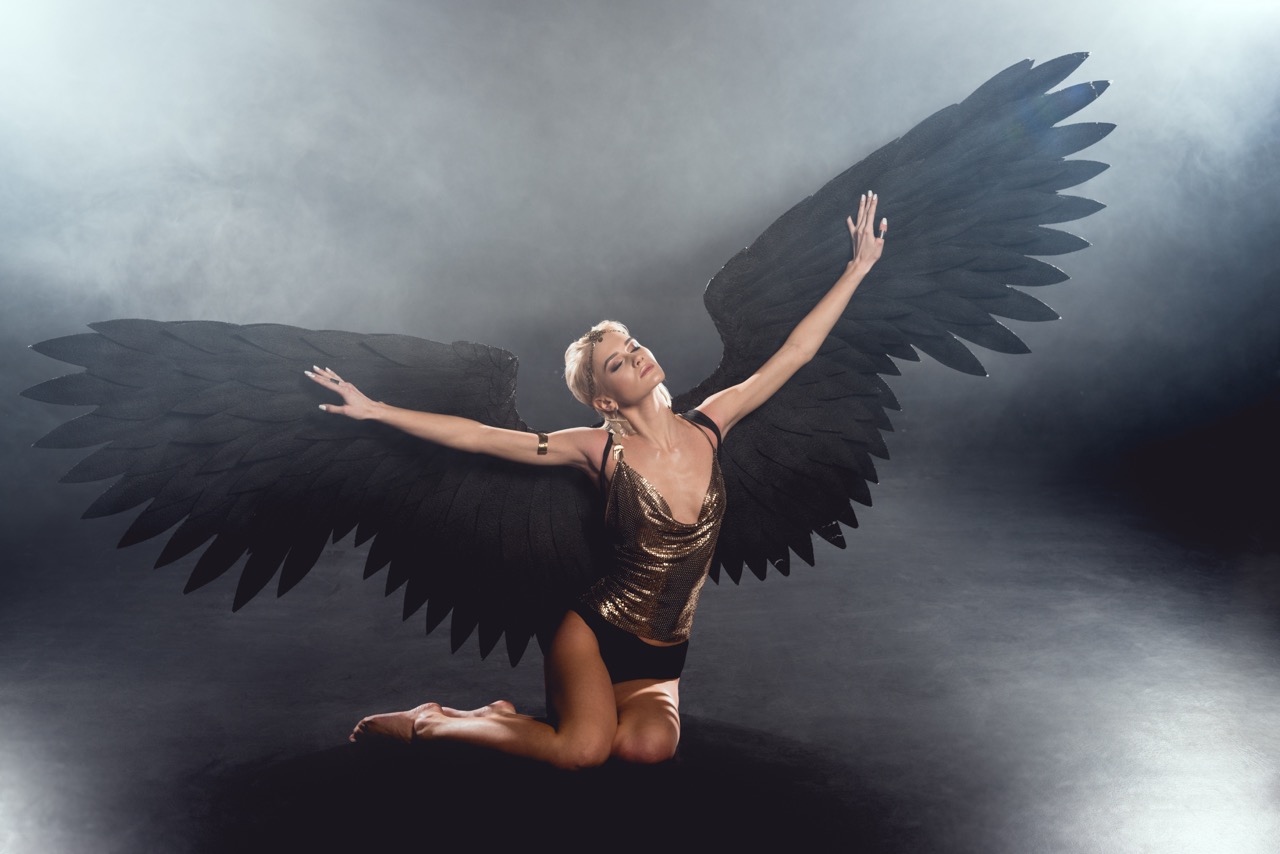
Moreover, the integration of dance wings can be adapted to a variety of styles and themes. From the delicate, gossamer wings that evoke a sense of fragility to the bold, structured designs that symbolize strength and power, the choice of wings can dramatically alter the audience’s perception of the character being portrayed. This adaptability allows choreographers and costume designers to create a cohesive vision that resonates deeply with the intended message of the performance.
Additionally, the technical aspects of integrating dance wings must be meticulously considered. Factors such as weight, material, and attachment methods are crucial in ensuring that the wings enhance rather than hinder the dancer’s movement. A well-executed design can facilitate aerial choreography or intricate footwork, allowing the dancer to express emotion through both their body and their costume. Thus, the art of integrating dance wings is a delicate balance of design and functionality, resulting in a performance that captivates and enchants.
Aesthetic Allure: Dance Wings in Costume Aesthetics
Dance wings contribute significantly to the visual spectacle of a performance, adding an element of fantasy and allure. When adorned with vibrant colors, intricate patterns, and shimmering embellishments, wings can evoke a sense of wonder, drawing the audience into the ethereal world of the performance. The aesthetic allure of dance wings not only enhances the costumes but also enriches the overall atmosphere of the event, making it a feast for the eyes.
The interplay of light and movement with dance wings can create breathtaking moments on stage. As the wings catch the light, they can transform a dancer into a living canvas, highlighting their movements while providing a dynamic backdrop that enhances each scene. This visual dynamism elevates the storytelling aspect of dance, as the wings can symbolize transformation, freedom, or even the spiritual journey of the character. In this way, the aesthetic application of dance wings transcends mere decoration; it becomes a vital component of the narrative.
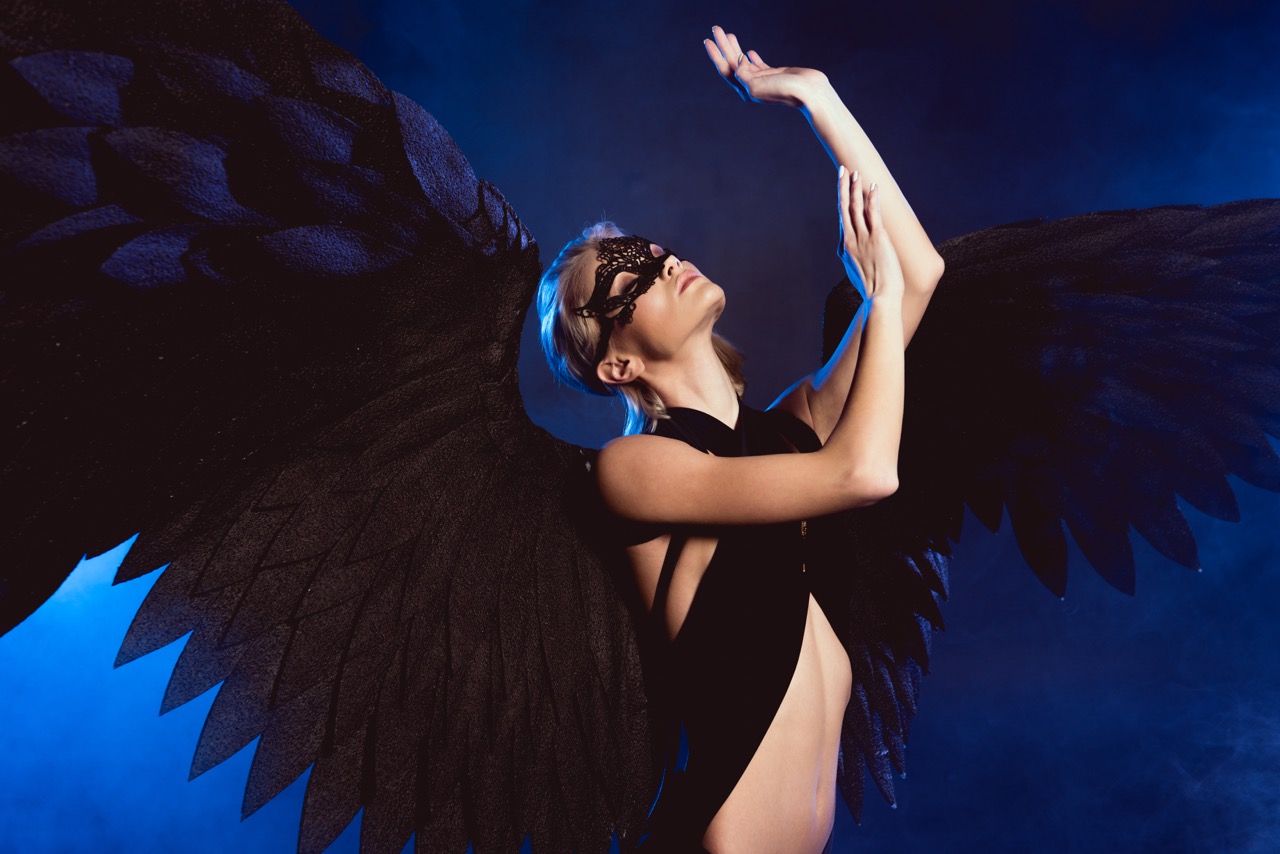
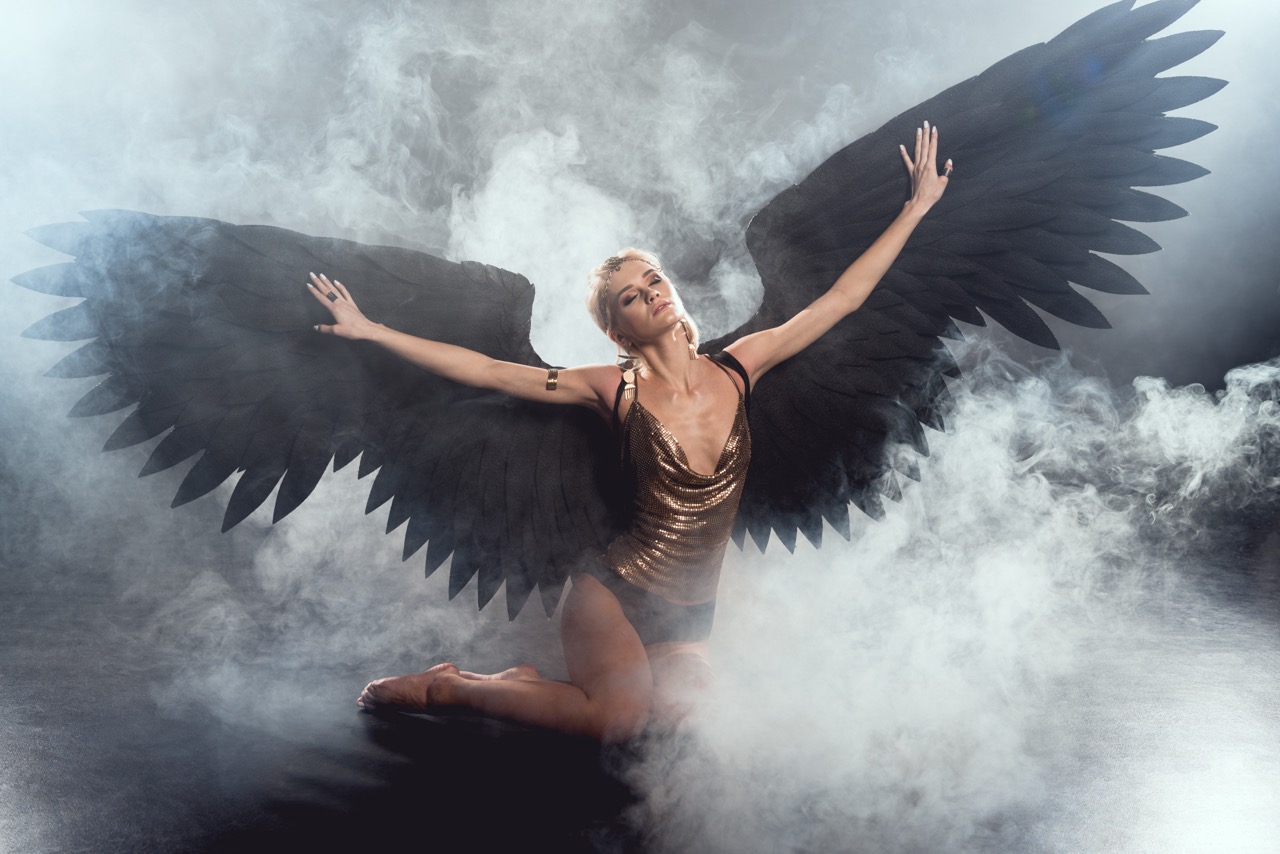
Furthermore, the design of dance wings can be heavily influenced by cultural and thematic elements, allowing them to resonate on a deeper level. For example, wings inspired by nature—such as those resembling butterflies or birds—can convey themes of metamorphosis and liberation. In contrast, wings that draw from mythological motifs, like angelic or elemental designs, can invoke a sense of otherworldliness. Through thoughtful aesthetic choices, dance wings can contribute layers of meaning to the performance, ensuring that they do more than just dazzle—they also engage and inspire.
Movement and Emotion: The Functionality of Dance Wings
Beyond their aesthetic appeal, dance wings serve a crucial functional role in conveying the emotional depth of a performance. As dancers move, the wings can act as an extension of their physical expression, allowing for a greater range of motion and a more profound emotional connection with the audience. The act of unfurling, fluttering, or even retracting the wings can mirror the character’s emotional journey, making tangible the internal struggles and triumphs experienced throughout the performance.
The materials used in dance wing design greatly influence their movement and emotional impact. Lightweight fabrics, such as chiffon or organza, allow the wings to float gracefully, creating an ethereal quality that emphasizes the dancer’s fluidity. Conversely, heavier materials can evoke a sense of weight or burden, mirroring the emotional complexity of the character. Designers often experiment with different textures and fabrics to achieve specific emotional responses, transforming the wings into a powerful storytelling device.
Furthermore, the choreography can enhance the emotional resonance of dance wings. Moments of high drama can be accentuated by sudden bursts of movement or a slow, deliberate reveal of the wings, thus heightening the audience’s emotional engagement. By intertwining the movement of the wings with the dance itself, choreographers and costume designers create a multi-layered experience that resonates on both a visual and emotional level, ensuring that the performance lingers in the hearts and minds of the audience long after the final curtain falls.
Crafting Magic: Designing Dance Wings for Impactful Storytelling
The process of designing dance wings is a creative endeavor that requires meticulous attention to detail and a deep understanding of the story being told. Effective storytelling through dance wings involves collaborating with choreographers and dancers to ensure that the wings reflect the character’s journey. Designers often begin by brainstorming concepts that align with the narrative themes, whether it be hope, loss, freedom, or transformation. This foundational work sets the stage for the entire design process.
Once the concept is established, designers delve into material selection, color palettes, and structural elements that will bring their vision to life. For instance, a performance centered around rebirth may incorporate soft pastel colors and lightweight fabrics, while a story steeped in darkness might call for bold, dramatic colors and more rigid designs. Additionally, incorporating elements such as LED lights or reflective materials can further enhance the visual storytelling, allowing the wings to change dynamically throughout the performance.
Ultimately, the impact of dance wings in storytelling lies in their ability to evoke emotions, create visual metaphors, and enhance the narrative arc. When designed thoughtfully, wings can act as a catalyst for audience connection, allowing viewers to feel the dancer’s journey on a visceral level. By crafting wings that are not only visually stunning but also deeply intertwined with the story, designers can create a magical experience that transcends the stage, leaving a lasting imprint on the hearts of all who witness it.
Dance wings serve as a remarkable intersection of art, emotion, and storytelling within the realm of dance performance. Their ability to enhance both aesthetic appeal and functional expression makes them an invaluable asset in costume design. As choreographers and designers continue to innovate and explore the possibilities of dance wings, they will undoubtedly push the boundaries of creative expression, captivating audiences and enriching the art of dance for generations to come.