
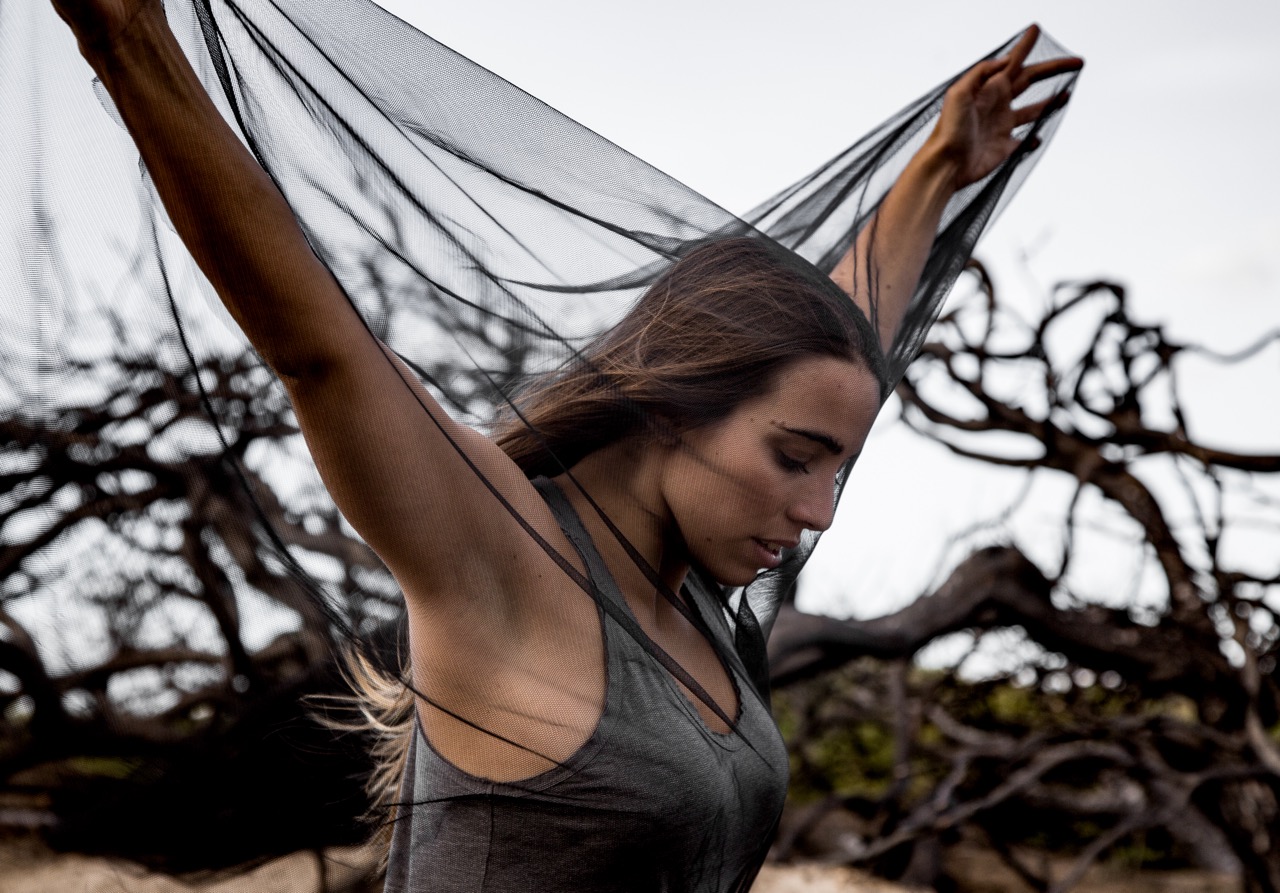
Dance has long served as a powerful form of expression, allowing individuals to communicate emotions and experiences that words often fail to convey. In the LGBTQ+ community, dance transcends mere movement; it nurtures identity, creates solidarity, and fosters healing. This article explores the multifaceted role of dance within the LGBTQ+ community, focusing on identity celebration, historical perspectives, community bridging, and the therapeutic benefits of movement.
Celebrating Identity: Dance as a Safe Space for Expression
For many in the LGBTQ+ community, dance functions as a vital sanctuary where individuals can express their true selves without fear of judgment. Dance clubs, pride festivals, and drag performances provide platforms for self-exploration and authenticity. These venues allow individuals to break free from societal norms and embrace their unique identities, be it through the fluidity of movement or the costumes that adorn them. This sense of freedom is crucial; it allows for personal narratives to be woven into the fabric of the dance, making each performance a celebration of individuality.
Additionally, dance is an art form that transcends language barriers. The rhythms and beats resonate deeply, allowing people to connect with their emotions and with each other. In LGBTQ+ spaces, this connection often translates into a shared sense of understanding, fostering an environment where vulnerability and strength can coexist. For many, expressing their gender identity or sexual orientation through dance can be a liberating experience, helping to dismantle the stigma associated with their identities while simultaneously instilling pride.
Furthermore, the act of dancing—whether it’s in a club, at a protest, or in a community gathering—creates a sense of belonging. Participants often find solace in the collective experience, where the dance floor becomes a microcosm of acceptance. In these spaces, the joy of movement cultivates camaraderie, allowing individuals to celebrate their identities together in joyous unity. The dance floor thus transforms from a mere physical space into a powerful emotional landscape that nurtures personal and collective expression.
Historical Perspectives: Dance Movements in LGBTQ+ Culture
Historically, dance has played a pivotal role in LGBTQ+ culture, often serving as both a refuge and a form of resistance. From the flamboyant ballrooms of the Harlem Renaissance to the underground disco scenes of the 1970s, dance has been woven into the fabric of LGBTQ+ history. The rise of voguing in the 1980s, for example, not only showcased the creativity and resilience of LGBTQ+ communities but also challenged mainstream gender norms and expectations. This dance form, with its origins in ballroom competitions, became a powerful means of self-affirmation and political statement, mirroring the struggles and triumphs of the community.
In the face of oppression, the LGBTQ+ community has continuously utilized dance as a tool for protest and visibility. The AIDS crisis in the 1980s, for instance, spurred innumerable dance-related fundraisers and awareness campaigns, emphasizing the intersection of dance with activism. Events such as the "Dance-a-Thon" not only provided entertainment but also fostered a sense of solidarity, bringing together individuals united in their grief and determination to combat stigma while raising crucial funds for research and support.
Moreover, the history of dance in the LGBTQ+ community is also rich with the influence of various cultures and styles. From the traditional influences of indigenous dances to the modern interpretations of hip-hop and contemporary styles, dance reflects the diversity within the LGBTQ+ spectrum. Each movement tells a story, offering insights into the struggles, victories, and aspirations of the community. As such, understanding this historical context allows us to appreciate the profound impact dance has had as an avenue for cultural expression and social commentary.
Bridging Communities: Dance as a Unifier and Connector
Dance serves as a bridge across diverse communities, effectively connecting individuals from various backgrounds through shared movement and rhythm. In LGBTQ+ spaces, dance fosters intergenerational dialogue and communal ties, allowing people to come together in celebration of diversity. Whether it’s through local dance workshops, community festivals, or drag shows, these gatherings serve not only as entertainment but also as opportunities for learning and understanding one another’s experiences.
Moreover, dance can break down barriers that often separate individuals. In a world where social divisions and misunderstandings can create rifts, the universal language of dance invites people to engage in a shared experience, regardless of their identities. The dance floor becomes a melting pot where differences dissolve, and a mutual respect emerges. This inclusivity is essential in promoting solidarity and fostering relationships that span beyond the LGBTQ+ community, inviting allies to participate and deepen their understanding.
Additionally, the role of dance in charity events cannot be understated. Fundraisers often incorporate dance performances, providing a platform for artists within the LGBTQ+ community while simultaneously raising awareness for various causes. These initiatives not only spotlight talent but also serve as a reminder of the power of collective action. Through the shared experience of dance, communities come together to strive for a common goal, reinforcing the notion that movement is not just an art form, but a catalyst for change and unity.
Empowerment Through Movement: The Impact of Dance Therapy
The therapeutic benefits of dance extend far beyond simple enjoyment, particularly for individuals within the LGBTQ+ community who may face mental health challenges stemming from discrimination and societal prejudice. Dance therapy has emerged as a powerful tool for healing, offering a non-verbal outlet for expression. Participants are encouraged to explore their feelings through movement, allowing for the release of pent-up emotions and facilitating emotional processing in a safe and supportive environment.
Furthermore, dance therapy encourages self-acceptance and body positivity. Many LGBTQ+ individuals grapple with issues related to body image and societal ideals. By engaging in dance, they are invited to celebrate their bodies in motion, promoting self-love and acceptance. This empowerment through movement can significantly enhance self-esteem and resilience, offering a much-needed counter-narrative to the negative messages often encountered in society.
Additionally, dance therapy fosters a sense of community and belonging. Group sessions create opportunities for connection, where individuals can share their stories and experiences while moving together. This shared journey through movement cultivates empathy and understanding, reinforcing the idea that healing is often most effective when undertaken collectively. As participants learn to trust their bodies and each other, they build supportive relationships that can endure long after the session ends, further contributing to their overall well-being.
In conclusion, the role of dance in the LGBTQ+ community is multifaceted and profound. From providing a safe space for self-expression and celebrating identity to serving as a bridge between diverse communities, dance fosters unity and resilience. Historical movements reflect the rich tapestry of LGBTQ+ culture, showcasing dance as a tool for activism and solidarity. Moreover, the therapeutic benefits of dance offer empowerment and healing, demonstrating its importance beyond mere entertainment. As we continue to explore and embrace the power of movement, we acknowledge that dance remains an integral part of the LGBTQ+ narrative—one that celebrates love, identity, and community in all its vibrant forms.