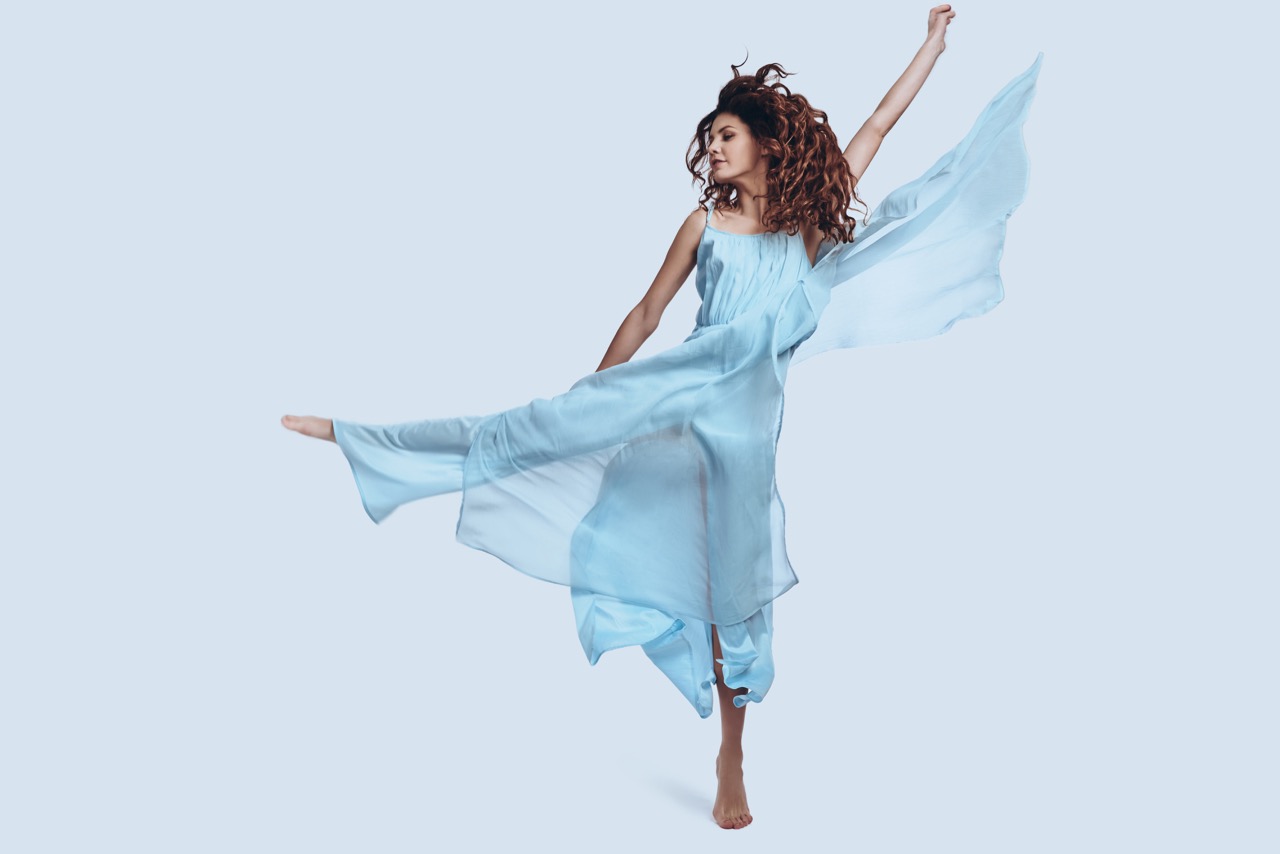




Dance has long been an integral component of storytelling across various art forms, particularly in film and theatre. The mesmerizing blend of movement, music, and emotion creates a unique language that transcends words, evoking a powerful response from audiences. This article delves into the multifaceted role of dance within these mediums, exploring its narrative capabilities, cultural implications, and its journey through time. As we dissect the essence of dance in storytelling, we gain insight into how this art form shapes our perceptions and enriches our collective experience.
Captivating Movement: The Essence of Dance in Storytelling
Dance serves as a dynamic vehicle for expression, allowing characters to communicate feelings and ideas that words often fail to convey. Through fluid movements, dancers can encapsulate a spectrum of emotions—from joy and love to despair and conflict. In theatre, a poignant pas de deux can reveal the intricacies of a relationship, while in film, a well-timed dance sequence can elevate the emotional weight of a pivotal moment. Each movement choreographed with intent not only captivates the audience visually but also invites them to partake in the characters’ journeys.
The immediacy of dance enhances its storytelling capabilities, providing a visceral experience that engages the audience on a deeper level. An elaborate dance number can swiftly transition scenes or underscore thematic elements, creating a rhythm within the narrative flow. For instance, in musicals like "West Side Story," dance is intertwined with the plot, character development, and emotional arcs, allowing audiences to feel the urgency of the moment. This kinetic storytelling blurs the lines between dialogue and movement, crafting a holistic performance that resonates long after the curtain falls.
Moreover, dance has the unique ability to break down barriers of language and culture, enabling universal connections among diverse audiences. A spellbinding ballet or an electrifying hip-hop routine can convey feelings and stories that transcend linguistic differences, inviting interpretation from every viewer. This shared experience fosters empathy and understanding, illustrating dance’s profound role as a universal language that encapsulates the human experience.
Choreography as Character: Dance’s Narrative Power
In the realm of storytelling, choreography can emerge as a character in its own right, imparting personality, intention, and nuance that enhances the narrative. Each choreographed sequence can possess a distinct identity, shaping the audience’s understanding of the characters involved. For instance, the aggressive movements of a villain may strike fear, while the delicate gestures of a heroine convey vulnerability and grace. This interplay between dance and character development enriches the narrative landscape, as movements become extensions of their personalities.
Additionally, dance can serve as a means of character evolution, allowing performers to embody their growth through physical expression. As characters navigate their arcs, their dance routines can transform, reflecting their internal struggles and triumphs. This is particularly evident in coming-of-age stories, where a character’s journey is mirrored in their evolving dance style—transitioning from awkward, tentative movements to confident, expressive performances. This visual representation of growth harnesses the power of movement to evoke empathy from the audience, heightening emotional engagement.
Choreographers often collaborate closely with directors and writers to weave dance into the fabric of the narrative. By crafting dances that are not merely ornamental but integral to character development, they elevate the storytelling experience. This synergy culminates in performances where dance becomes a crucial narrative device, enriching the plot and embedding characters’ emotional states within the choreography. As such, the role of dance transcends mere entertainment; it becomes a fundamental element of character depth and storytelling authenticity.
Cultural Resonance: Dance as a Mirror of Society
Dance acts as a reflection of culture, encapsulating societal values, beliefs, and historical moments. Throughout history, various dance forms have emerged as responses to social dynamics, political movements, and cultural shifts. In theatre and film, dance can provide a visceral commentary on contemporary issues, offering perspectives that challenge the status quo. For instance, productions like "Hamilton" utilize dance to address themes of revolution and identity, weaving historical narratives with modern sensibilities, thereby inviting audiences to reflect on their own societal context.
Moreover, dance serves as a platform for cultural exchange, allowing diverse traditions to coexist and flourish in the global landscape of performance arts. Cross-cultural collaborations in dance—from African dance styles to contemporary ballet—celebrate the richness of human expression while challenging homogenized narratives. Such diversity not only broadens the scope of storytelling but also fosters dialogue among different communities, creating a mosaic of shared experiences that resonate across borders.
As society evolves, so too does the representation of dance within film and theatre. The emergence of social movements and the increasing visibility of marginalized voices have prompted a re-examination of dance’s role in articulating identity and resistance. Productions that incorporate elements of street dance, indigenous movements, or feminist choreographies stand as powerful testaments to the ongoing conversation about culture, identity, and empowerment. In this way, dance remains a living archive of human experience, celebrating both individuality and collective narratives.
The Evolution of Dance: From Stage to Screen and Beyond
The journey of dance from the stage to the screen marks a significant evolution in its role within storytelling. Historically, dance was predominantly showcased in live performances, where the immediacy of the moment created a unique bond between the audience and performers. However, with the advent of film, choreography was transformed, allowing for new dimensions of storytelling that could not be achieved in traditional theatre. The camera became a tool to capture the nuances of movement, offering varied perspectives and enhancing the emotional impact of dance sequences.
This transition to screen opened up innovative possibilities for choreographers and filmmakers alike. Dance films began to emerge, where choreography was at the forefront, telling stories through the lens of movement. Iconic films like "Dirty Dancing" and "Flashdance" popularized dance as a central narrative device, showcasing how movements could convey passion, aspiration, and transformation. Such films highlighted dance’s adaptability, allowing it to traverse genres, from musicals to dramas, and solidifying its place in cinematic storytelling.
As technology continues to advance, the evolution of dance in film and theatre expands even further. Virtual reality, augmented reality, and digital media introduce new platforms for choreographed storytelling, captivating audiences in immersive ways. Dance is no longer confined to the stage or screen; it has found a home in multimedia performances, live-streamed events, and interactive experiences that engage audiences on multiple levels. This ongoing evolution signifies the resilience of dance as an art form, ensuring its relevance in contemporary storytelling while challenging the boundaries of artistic expression.
The role of dance in film and theatre is a testament to its extraordinary power as a storytelling medium. Through captivating movement, choreography that serves as character, and cultural resonance, dance remains an essential element of artistic expression. As it evolves from stage to screen and beyond, dance continues to inspire, challenge, and connect audiences across the globe. Its ability to articulate the human experience transcends time and space, reminding us that, at its core, dance is not just about movement—it’s about storytelling, identity, and the shared journey of humanity.