The artistry of dance has always been a profound means of storytelling, enabling artists to express emotions and convey narratives through movement. Among the myriad of images and symbols that dancers employ, wings serve as a powerful metaphor, evoking feelings of freedom, aspiration, and transformation. The integration of wings into dance not only enhances physical expression but also deepens the narrative layers, inviting audiences to explore the connection between body, spirit, and the transformative power of flight. This article delves into the multifaceted role of wings in dance, exploring how they unleash creativity, elevate movement, symbolize deeper meanings, and transcend the limitations of gravity.
Unleashing Creativity: Wings as a Dance Metaphor
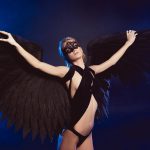
Wings, as a dance metaphor, evoke the innate human desire for freedom and exploration. When dancers embody the essence of wings, they transcend the boundaries of their physical forms, allowing their artistry to soar into new realms of expression. The visual representation of wings—whether through costumes, props, or choreography—invites dancers to tap into their creativity, inspiring them to experiment with fluid movements and expansive gestures. This liberation from conventional movement sets the stage for innovation, where the act of dancing transforms into a journey of self-discovery and artistic exploration.
Incorporating wings into choreography can also lead to unique interpretations of classical themes. For instance, the story of Icarus can be reimagined through a dance that illustrates ambition and the consequences of hubris. As dancers unfold their "wings," they evoke both the anticipation of ascent and the poignant beauty of eventual descent. This duality allows for a rich tapestry of storytelling, where audiences can engage with the complexities of human experience—hope, aspiration, and the inevitable limitations that bind us.
Moreover, wings can serve as a collaborative tool among dance creators, enabling them to exchange ideas and expand their artistic vocabulary. Dancers and choreographers can draw inspiration from nature, mythology, or even technology, exploring how wings can manifest in various styles and genres. This collaborative exploration results in innovative performances that challenge traditional narratives and spark dialogue within the dance community, ultimately contributing to the evolution of the art form.
Elevating Movement: How Wings Enhance Dance Expression
The physicality of wings significantly enhances the expressiveness of dance movements. When dancers emulate the flapping and gliding motions of wings, they create a dynamic interplay between tension and release, mirroring the energy of flight. This kinesthetic experience not only captivates the audience but also deepens the dancer’s connection to their body, encouraging them to explore new levels of strength, flexibility, and grace. The incorporation of wing-like movements invites dancers to play with momentum and rhythm, fostering an environment where the body can communicate in ways that words cannot.
Beyond the mechanics of movement, wings have the power to evoke a range of emotions within the performance. For example, the gentle flutter of feathers can convey fragility and grace, while a powerful swoop may suggest raw energy and determination. By cultivating an awareness of these emotional nuances, dancers can craft performances that resonate deeply with audiences, inviting them to feel the narrative’s weight and beauty. The act of embodying wings allows for profound emotional storytelling, where every movement becomes a brushstroke on the canvas of dance.
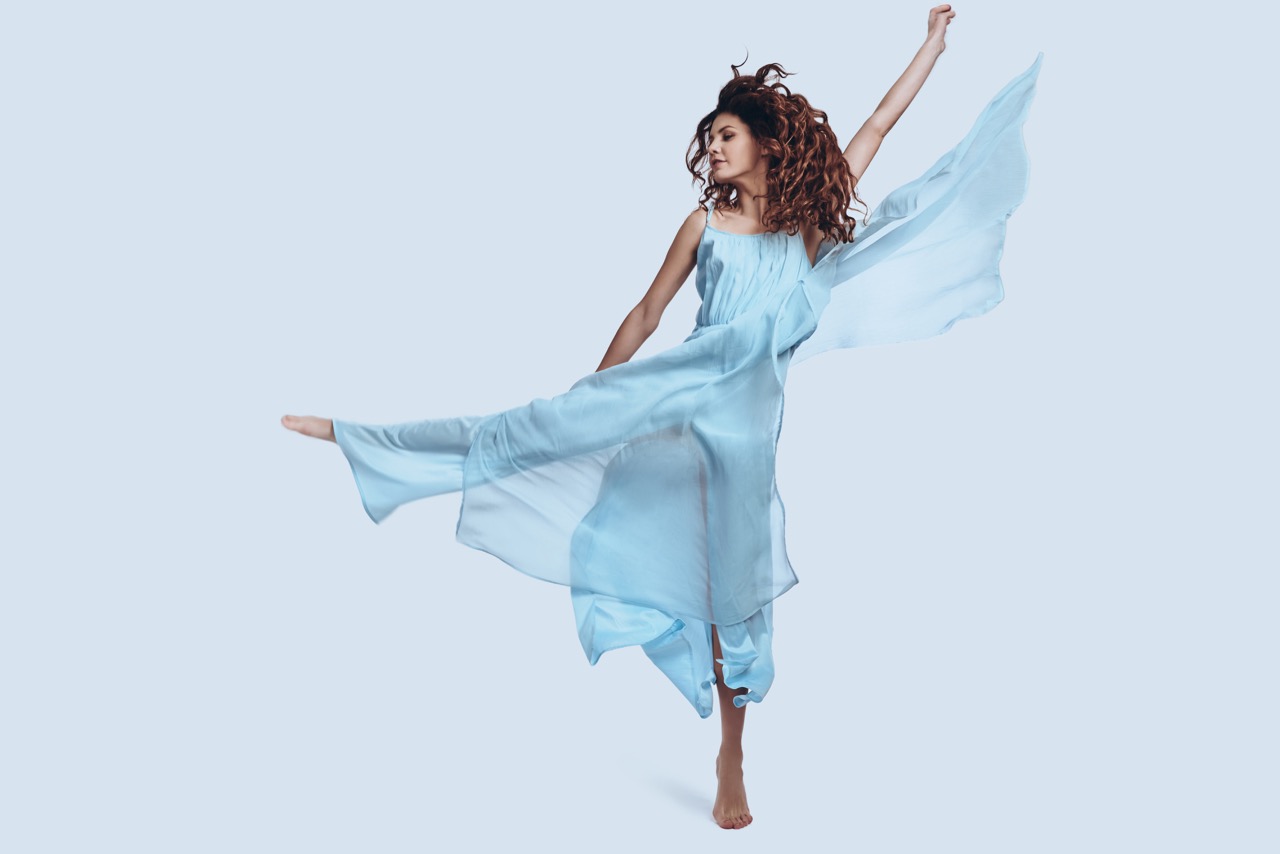
Additionally, the use of wings can transform the spatial dynamics of a performance. As dancers navigate their environment, the visual impact of extended arms or flowing fabrics simulating wings can create striking formations and shapes on stage. This not only enhances the aesthetic appeal but also serves to highlight the relationships between dancers, the music, and the audience. The resulting synergy elevates the overall experience, making it a collaborative tapestry woven from movement, emotion, and shared understanding.
The Symbolism of Wings: Narratives in Motion and Flight
Wings represent a wealth of symbolism across cultures, often embodying freedom, transcendence, and the spirit of adventure. In dance, these symbols can be harnessed to convey complex narratives that resonate on multiple levels. For instance, a performance featuring wings may explore the themes of liberation from societal constraints or the personal quest for self-identity. By integrating these symbolic elements, dancers can draw audiences into a rich narrative experience, where the metaphorical weight of wings aligns seamlessly with the choreography.
In addition to themes of freedom, wings often symbolize transformation and rebirth. Much like a butterfly emerging from its cocoon, dancers might portray character arcs that evolve through struggle and resilience. This narrative of transformation is not only visually stunning but also deeply relatable, offering audiences a glimpse into their own journeys of growth. The incorporation of wings can thus serve as a powerful reminder of the beauty in change and the potential for renewal that exists within every individual.
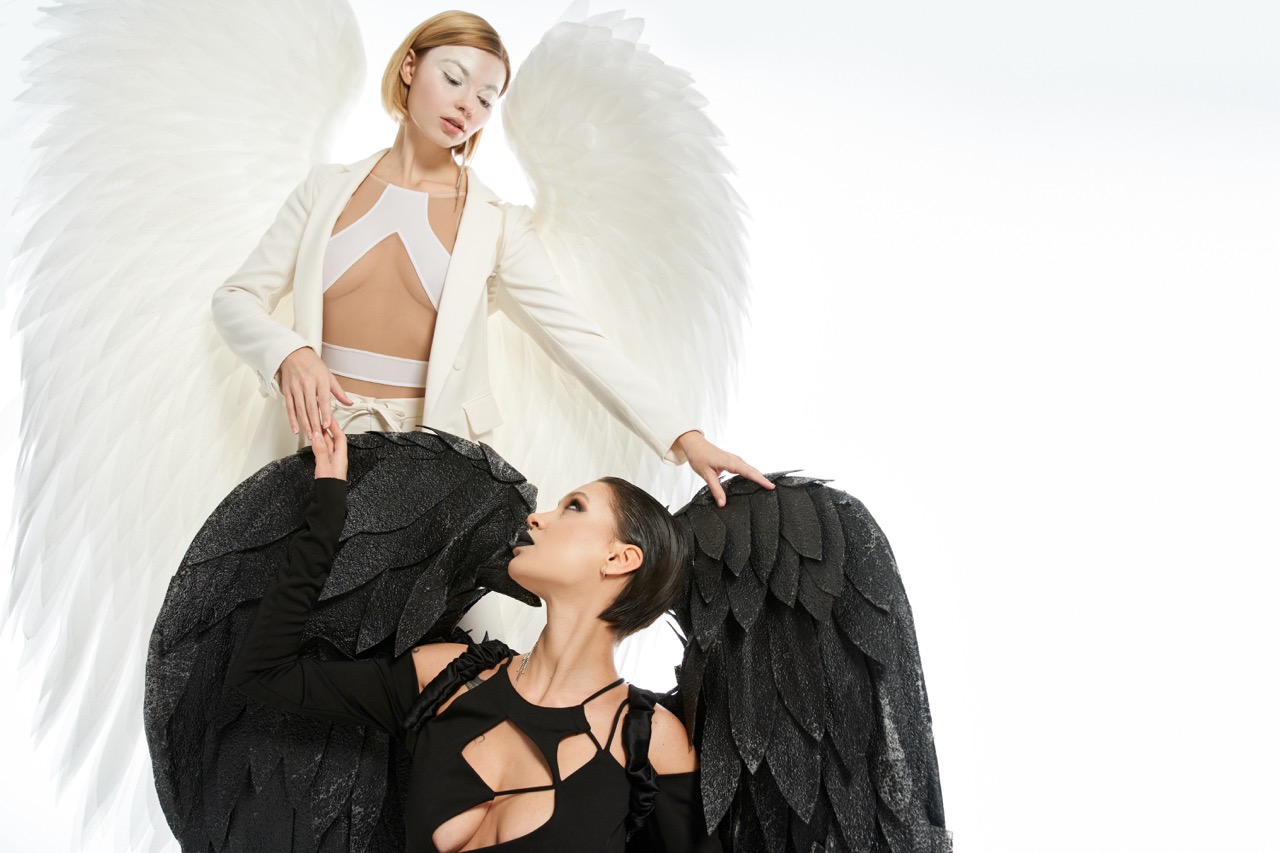
Furthermore, the spiritual connotations of wings can elevate a dance narrative beyond the physical realm, inviting audiences to contemplate existence, purpose, and connection to the universe. Many cultures associate wings with divine messengers or guides, suggesting that the journey of dance can be seen as a spiritual exploration. By tapping into these deeper meanings, dancers can create performances that resonate on both a personal and collective level, bridging the gap between the tangible and the ethereal.
Beyond Gravity: Transforming Dance with Winged Imagery
The imagery of wings transcends the limitations of gravity, allowing dance to explore realms of possibility that defy physical constraints. Choreography that incorporates winged elements challenges dancers to push the boundaries of their movements, creating a visual narrative that suggests elevation and freedom. By playing with the idea of flight, dancers can embody a sense of weightlessness, encouraging audiences to suspend their disbelief and marvel at the beauty of human expression.
The transformative nature of winged imagery can also serve as a metaphor for personal growth and overcoming obstacles. Dancers who emulate the act of soaring can narrate stories of triumph, resilience, and the pursuit of dreams. This theme resonates universally, reminding audiences of their own aspirations and the struggle to achieve them. As dancers take to the stage, the imagery of wings becomes a beacon of hope, celebrating the spirit of perseverance and the joy of liberation.
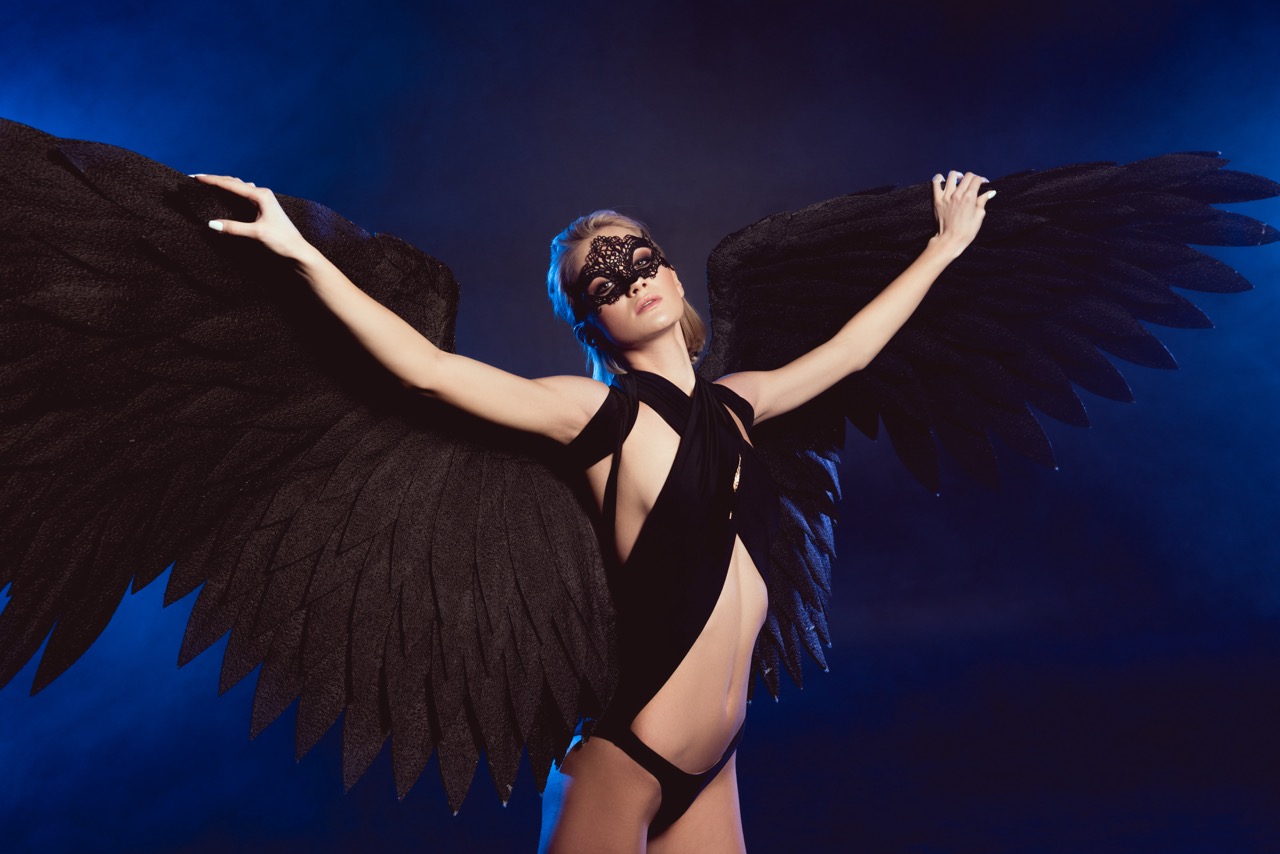
Moreover, the interplay of light and shadow created by winged imagery can evoke a range of emotions, further enhancing the narrative dimension of the dance. As dancers move, the fluttering of fabric or the arc of their limbs can create a visual symphony that captivates the audience’s attention. This dance between light and dark mirrors the complexities of life, where moments of joy and sorrow coexist. Ultimately, the use of wings in dance not only transforms the aesthetic experience but also deepens the audience’s engagement with the story being told.
The power of wings in dance extends far beyond mere embellishment; they serve as transformative symbols that ignite creativity, elevate movement, and deepen narratives. By embracing the metaphorical and physical qualities of wings, dancers can explore the vast possibilities of expression, inviting audiences to embark on a journey that celebrates freedom, transformation, and the human spirit. As the world of dance continues to evolve, the imagery of wings remains a potent reminder of our own aspirations, urging us to soar beyond the confines of our limitations and embrace the beauty of our unique narratives.