
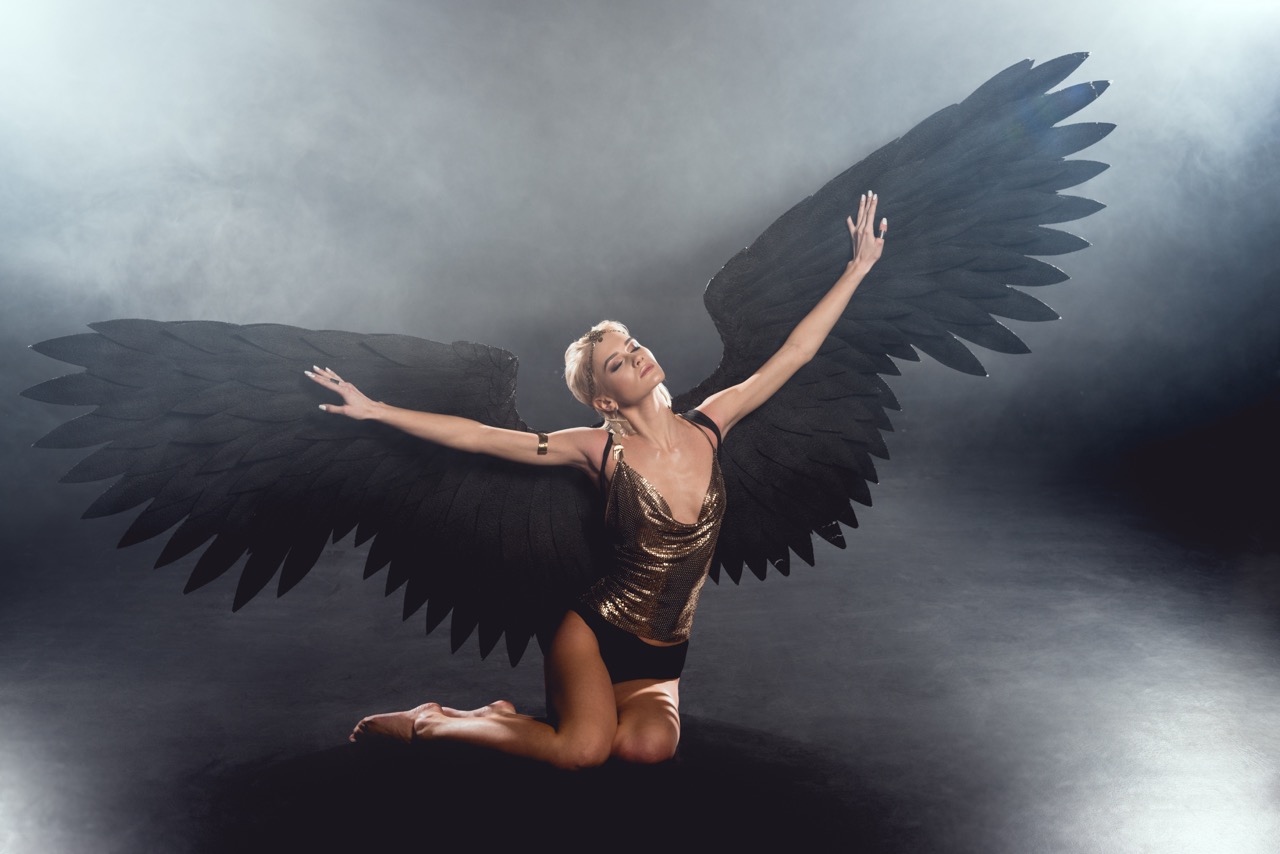
In a world increasingly defined by digital communication and virtual connections, the timeless art of dance remains one of the most potent forms of expression available to humanity. It transcends languages and cultures, acting as a conduit for emotions, stories, and shared experiences. Whether at weddings, festivals, or informal gatherings, dance has the power to unite individuals in a joyful celebration of life. This article delves into the significance of dance in social gatherings, exploring its role as a universal language, a bridge across barriers, a cornerstone of community, and a catalyst for engagement.
Dance: The Universal Language of Connection and Joy
Dance has long been celebrated as a universal language—a form of communication that transcends linguistic and cultural differences. In every corner of the globe, people turn to dance to express their emotions, tell their stories, and connect with one another. The rhythmic movements, the energy of the music, and the shared experience of dancing forge bonds that words alone often cannot achieve. When bodies move in sync, there is an unspoken understanding that fosters connection and empathy among participants.
Additionally, the joyful nature of dance elevates the mood of any gathering. The infectious beats and vibrant movements can transform an ordinary event into an extraordinary celebration. As individuals dance together, they experience a release of endorphins that enhances feelings of happiness and belonging. The laughter, the smiles, and the collective energy create an atmosphere of joy that makes lasting memories, enriching the social fabric of any gathering.
Furthermore, the diversity of dance styles—from tango to hip-hop to traditional folk dances—reflects the rich tapestry of human experience. Each style carries unique cultural significance and history, allowing people to share their heritage while also exploring others. By engaging in different forms of dance, individuals broaden their understanding of the world, fostering appreciation for diversity and connection through shared joy.
How Movement Breaks Barriers in Social Interactions
The act of dancing has a remarkable ability to break down social barriers. In a society often stratified by class, race, or age, dance invites people from different backgrounds to come together in harmony. When the music starts, inhibitions fade away, and individuals feel liberated to express themselves in a way that promotes inclusivity. This shared experience encourages people to step outside their comfort zones, fostering interactions that might not occur in more traditional social settings.
Moreover, dance helps to dissolve language barriers. It offers a means of communication that transcends words, allowing individuals to connect on a more primal level. Whether through the grace of ballet or the fervor of a samba, movements can convey emotions that words may fail to articulate. This nonverbal dialogue creates a sense of understanding and camaraderie, empowering individuals to connect deeply, regardless of their verbal communication skills.
Additionally, dance can serve as a powerful tool for healing and reconciliation in communities that have experienced division or conflict. When people dance together, they engage in a collective act that promotes empathy, understanding, and shared experiences. This transformative power of movement encourages individuals to find common ground, fostering relationships that can lead to meaningful dialogue and collaboration.
The Role of Dance in Fostering Community and Belonging
In many cultures, dance serves as a vital ritual that strengthens community bonds. From tribal gatherings to contemporary flash mobs, these collective experiences create a sense of belonging that is essential for social cohesion. Engaging in dance together fosters camaraderie, as individuals realize they are part of something greater than themselves. This sense of unity reinforces community ties and encourages ongoing participation in communal life.
Moreover, dance can empower individuals by giving them a voice within their communities. Through participation in local dance events, individuals can take pride in their cultural heritage and contribute to the preservation of traditions. This active participation fosters a sense of responsibility and ownership, further embedding individuals within the fabric of their community.
In addition to cultural pride, dance cultivates emotional resilience and well-being within communities. Through its expressive nature, dance allows individuals to process emotions and experiences collectively. This shared outlet can be particularly beneficial in navigating personal and collective challenges, reinforcing the notion that community support is vital in overcoming adversity.
Transforming Gatherings: Dance as a Catalyst for Engagement
The presence of dance in any social gathering can dramatically transform the atmosphere, turning passive attendees into active participants. When music fills the air and the invitation to dance is extended, it breaks the monotony of traditional social interactions. Dance encourages people to engage, to move, and to experience a shared sense of joy. This dynamic energy not only invigorates the gathering but also invites creativity and spontaneity into the mix.
Moreover, dance can serve as an icebreaker, facilitating introductions and encouraging interactions among guests who may not know each other. The shared activity of dancing allows individuals to forge connections quickly, creating an environment where conversations can flourish. This organic interaction can lead to lasting friendships and networks, further enhancing the social value of the gathering.
Lastly, incorporating dance into gatherings opens avenues for collaboration and teamwork. Whether through choreographed group dances or spontaneous jam sessions, participants learn to work together, listen, and respond to one another. This collaboration nurtures skills essential for effective communication and teamwork, enriching the overall experience of the event and fostering a sense of collective accomplishment.
In conclusion, the importance of dance in social gatherings cannot be overstated. As a universal language, it connects individuals across barriers, fosters community belonging, and transforms gatherings into vibrant celebrations of life. By incorporating dance into social events, we not only enhance the experience but also create opportunities for deeper connections, understanding, and joy. As we navigate the complexities of modern social interactions, let us embrace the power of dance to enrich our gatherings and nurture the bonds that unite us all.