




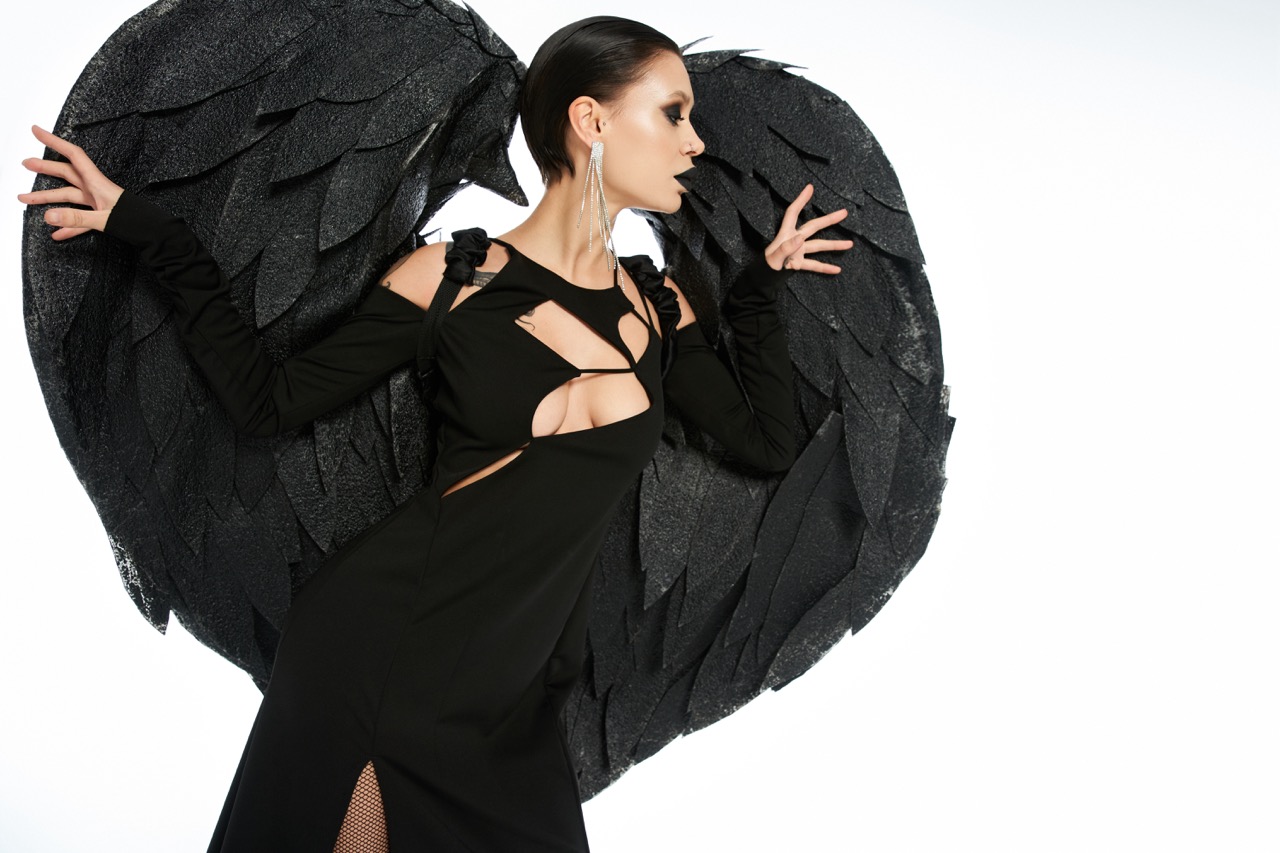
In the realm of performing arts, dance serves as a powerful medium of expression and storytelling. Among the various elements that enhance the visual experience of dance, dance wings emerge as transformative accessories that not only elevate the performance but also significantly influence audience perception. These elaborate garments, often adorned with vibrant colors and intricate designs, can create a striking visual narrative that complements the choreography. The magic of dance wings lies in their ability to transcend the physical realm, inviting audiences to engage with the performance on a deeper, more emotional level.
Unveiling the Magic: Dance Wings Transforming Perception
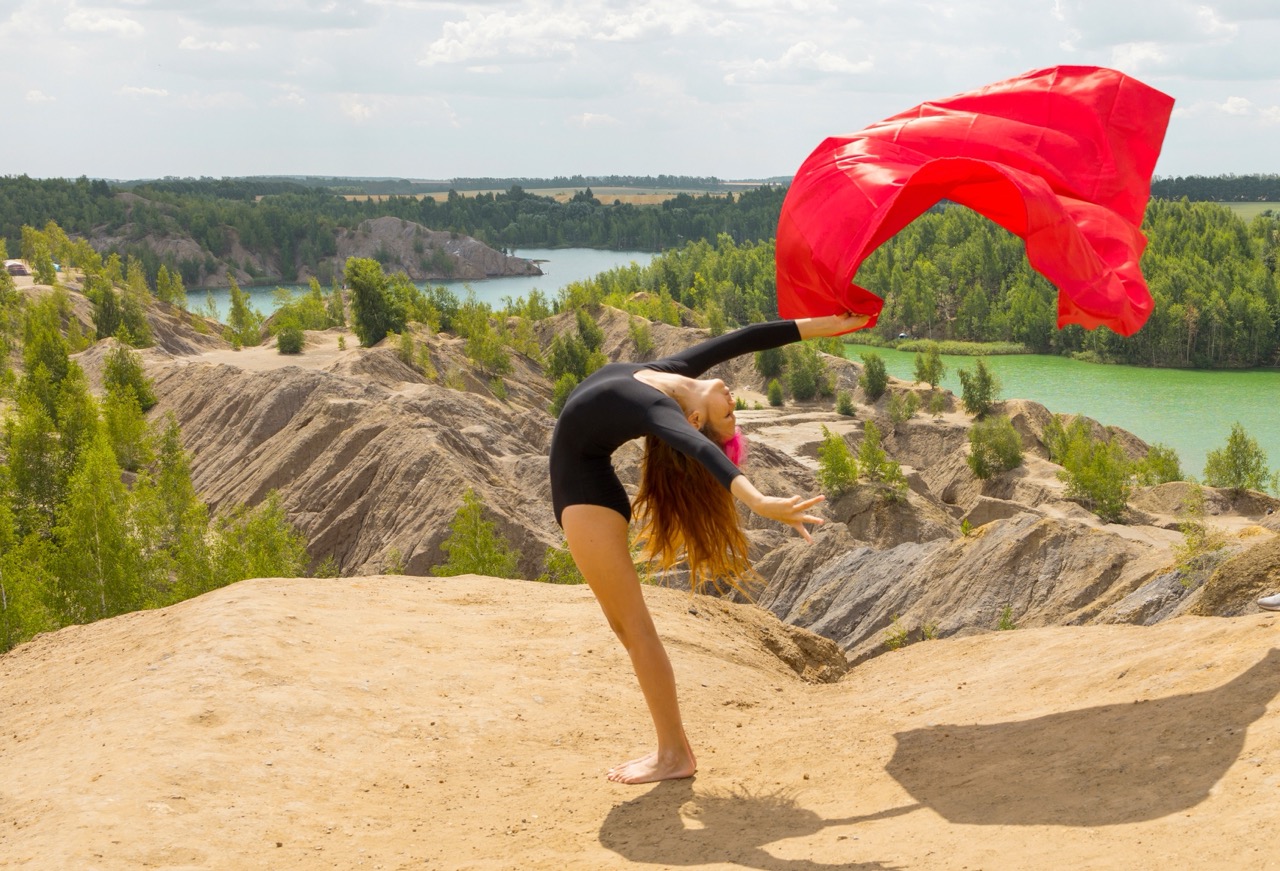
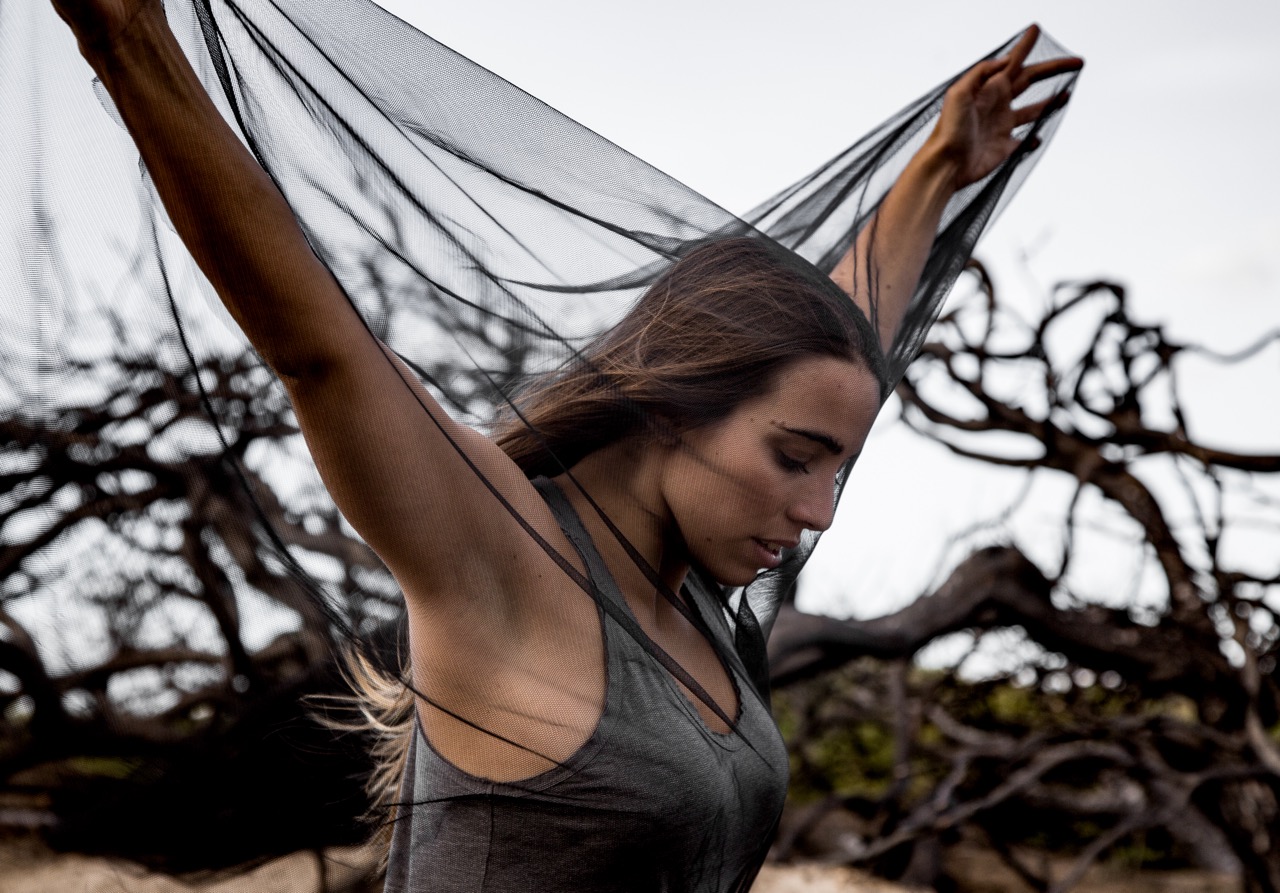
Dance wings serve as a dynamic extension of the dancer’s body, allowing for a profound transformation in the presentation of movement. When dancers take the stage adorned with these flowing fabrics, they instantly command attention, creating a spectacle that captivates the viewer’s gaze. The visual impact of the wings, combined with the dancer’s movements, enhances the storytelling aspect of the performance, making it a rich sensory experience. As the wings unfurl and catch the light, they can evoke a sense of magic and wonder, drawing the audience into a fantastical world where the boundaries of reality seem to blur.
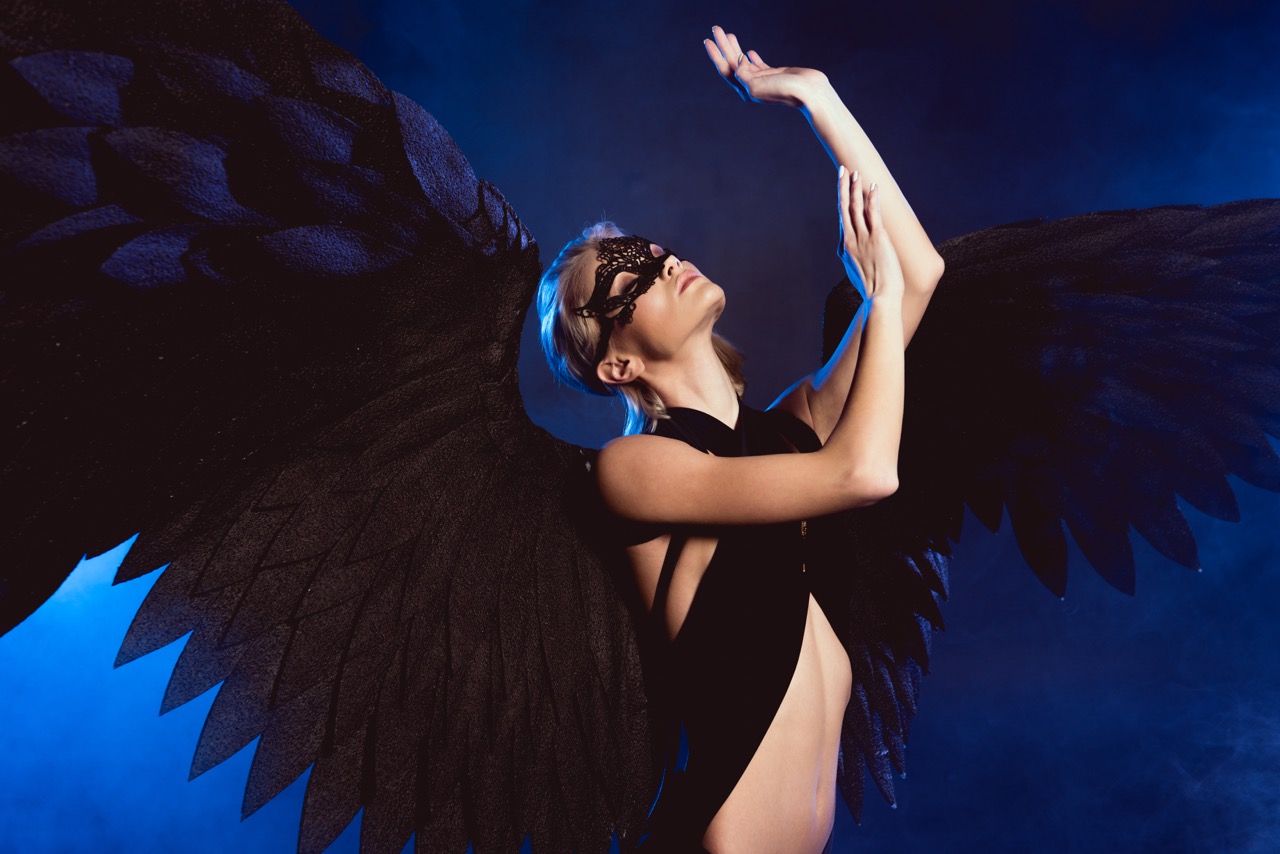
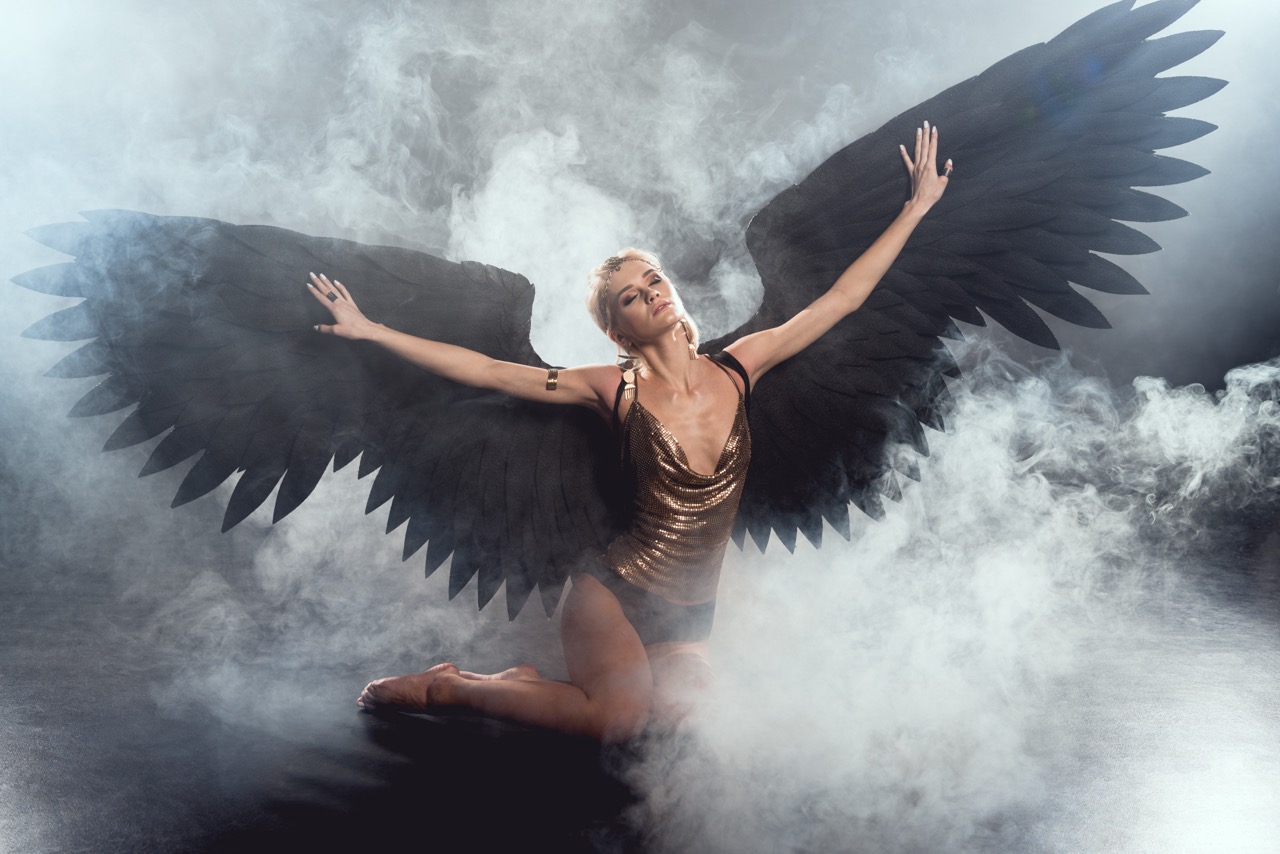
Moreover, the symbolism of dance wings plays a crucial role in shaping audience perception. Traditionally associated with freedom and transcendence, wings have long been used in art and literature to represent enlightenment and escape from the mundane. When integrated into dance performances, this symbolism resonates deeply with viewers, fostering a connection that goes beyond mere observation. The act of witnessing a dancer in flight—albeit metaphorically—can inspire a range of emotions, from joy to nostalgia, allowing audiences to reflect on their own desires for liberation and self-expression.
As dance wings flutter and sway with each movement, they also contribute to the overall ambiance of the performance. The alluring visuals can create a dreamlike atmosphere that invites the audience to suspend disbelief. This transformation can shift viewer perceptions, making them more receptive to the underlying themes and emotions of the piece. Ultimately, dance wings do more than enhance the aesthetic of a performance; they forge a powerful link between the dancer and the audience, altering the way the narrative is perceived and felt.
The Art of Movement: How Dance Wings Captivate Audiences
The intricate relationship between dance and movement is further enriched by the addition of dance wings. These garments add layers of complexity to the choreography, inviting dancers to explore new dimensions in their performance style. The way wings billow and ripple in response to movement creates a dialogue between the dancer and their costume, resulting in a symbiotic relationship that elevates the overall artistry of the piece. Audiences are drawn to the fluidity and grace that wings facilitate, as each gesture becomes amplified and more striking, leaving a lasting impression.
Dance wings also encourage experimentation in choreography, allowing for innovative movements that provoke awe and admiration. Dancers can use their wings to emphasize specific actions, creating dramatic moments that resonate with viewers. This interplay between the dancer’s physical movements and the visual spectacle of the wings can heighten emotional responses, such as excitement, tension, or serenity. Audiences become more engaged as they witness the interplay of colors, shapes, and forms, heightening their overall appreciation for the artistry of dance.
Additionally, the captivating nature of dance wings often leads to a more immersive experience for audiences. When dancers adorn wings that shimmer and shift with every movement, they create a visceral connection that encourages spectators to become fully invested in the performance. The spectacle becomes a multi-sensory journey, where viewers are not only witnesses to a story but are also participants in an emotional voyage that transcends linguistic boundaries. This heightened sense of involvement fosters a deeper understanding of the themes explored in the performance, ultimately enriching the audience’s perception and enjoyment.
Dance Wings: Elevating Performances and Viewer Experience
As integral components of contemporary dance, dance wings have the power to elevate performances to new heights. They serve as an artistic tool that enhances the visual narrative, allowing for a more profound expression of the dancer’s intent and creativity. The incorporation of wings invites dancers to push their boundaries, explore new choreography, and fully embrace the fluidity of movement. This synergy between dance and costume adds an additional layer of depth, captivating audiences and immersing them in the artistic experience.
The transformative effect of dance wings extends beyond the stage, as they can also influence the viewer’s emotional engagement. Audiences are often drawn to the ethereal beauty created by the interplay of fabric and movement, prompting a sense of wonder and fascination. In this context, dance wings become more than mere accessories; they become an emblem of the dancer’s journey and the emotions that accompany it. This emotional resonance enhances the overall viewer experience, fostering a connection that lingers long after the final curtain.
Moreover, the elevation of performances through dance wings can lead to increased audience appreciation for the complexities of dance as an art form. When viewers witness the synergy between movement and visual spectacle, they are more likely to recognize the skill, dedication, and artistry that goes into each performance. This enhanced understanding can cultivate a greater respect for the discipline of dance, prompting audiences to seek out more diverse performances and engage with the art form on a deeper level.
Beyond Aesthetics: The Psychological Effects of Dance Wings
The psychological impact of dance wings extends far beyond their aesthetic appeal. When audiences experience a performance enriched by the visual allure of wings, their emotional responses are often intensified. The symbolism of flight and liberation that wings represent can spark introspective thoughts about one’s aspirations and desires. This connection to personal experiences can evoke memories, aspirations, and emotions unique to each viewer, creating a rich tapestry of reactions that enhances the performance’s overall impact.
Additionally, the presence of dance wings can create a sense of wonder that offers an escape from reality. In today’s fast-paced world, audiences often seek moments of transcendence, and the beauty of dance, coupled with the enchanting presence of wings, provides a temporary refuge from the everyday grind. The visual spectacle encourages viewers to immerse themselves in the moment, allowing for a collective experience that fosters community and shared emotion. As they watch the dancer take flight, audiences are momentarily lifted from their own lives, creating a shared space of emotional exploration.
Furthermore, the psychological effects of dance wings can extend to the performers themselves. The act of dancing with wings often instills a sense of empowerment and confidence in the dancer, enabling them to fully embrace their artistry. This confidence can resonate with the audience, creating a feedback loop that enhances the overall experience. When audiences perceive a dancer’s genuine joy and empowerment, they too become more engaged, fostering a powerful cycle of connection and inspiration that underscores the transformative nature of performance art.
Dance wings undoubtedly play a pivotal role in shaping audience perception, transforming performances into captivating experiences that resonate on multiple levels. From their ability to enhance movement and storytelling to the psychological effects they evoke, these beautiful garments elevate the art of dance into a realm of magic and wonder. As audiences continue to embrace the transformative power of dance wings, the boundary between performer and viewer blurs, creating a shared journey that celebrates the beauty of expression and the human experience. Ultimately, dance wings remind us that art is not merely something to be observed; it is a journey to be felt and shared, a celebration of creativity that transcends the ordinary.