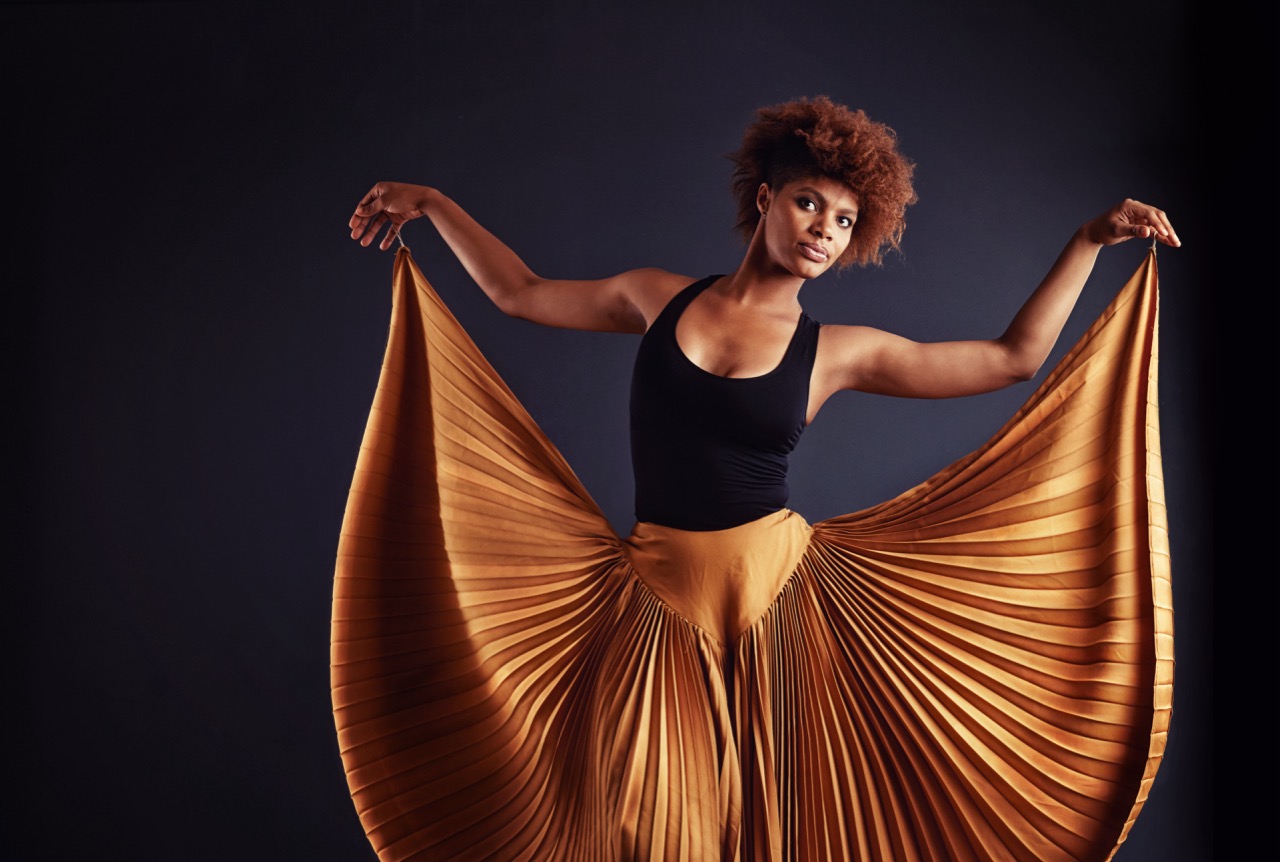




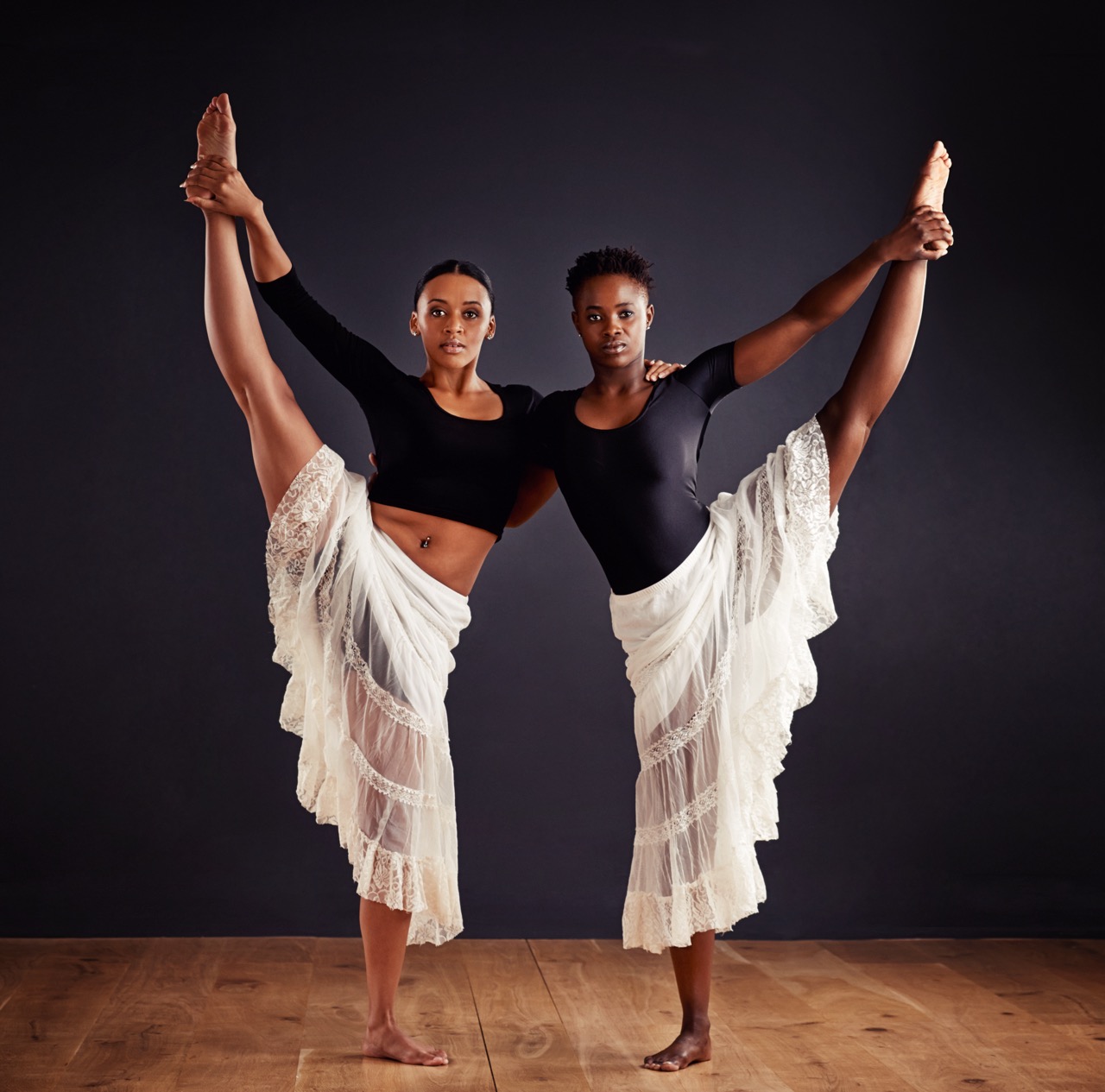
In an age where mental health is increasingly recognized as a fundamental component of overall well-being, creative outlets like dance are being explored for their therapeutic potential. While many may initially view dance as a form of physical exercise or artistic expression, its profound impact on mental health often goes unnoticed. The art of movement taps into the deepest recesses of our emotions, providing a unique pathway to healing, joy, and resilience. This article delves into the intricate relationship between dance and mental health, revealing how this vibrant form of expression can transform lives.
The Unseen Connection: Dance and Mental Well-Being
At its core, dance embodies freedom of expression and creativity, allowing individuals to communicate feelings that may be difficult to articulate verbally. This unique form of communication serves as a bridge between the mind and body, enabling people to release pent-up emotions and cultivate a deeper understanding of their internal states. The rhythmic movements and dynamic energy required in dance can help alleviate feelings of anxiety and depression, offering a momentary escape from the pressures of daily life.
Moreover, dance fosters social connections, an essential component of mental well-being. Group classes and performances create a sense of community, encouraging individuals to support one another and share in the collective joy of movement. These social interactions can combat feelings of isolation, which are often associated with mental health challenges. Engaging in dance cultivates a sense of belonging and camaraderie, proving that the benefits of movement extend far beyond the dance floor.
Furthermore, the immersive nature of dance encourages individuals to become present in the moment, a practice akin to mindfulness. By focusing on the rhythm, the music, and the movements, dancers can distance themselves from intrusive thoughts and stressors. This practice of being present not only enhances one’s physical performance but also contributes to improved mental clarity and emotional regulation, setting the stage for a healthier mindset.
Moving Through Emotions: How Dance Heals the Mind
Dance serves as a physical manifestation of emotions, providing a safe space for individuals to explore and express their feelings. Whether through a joyful ballet performance or an intense hip-hop routine, each movement can unwittingly narrate a personal story and facilitate emotional healing. This process allows dancers to confront feelings of grief, anger, joy, and fear in a constructive manner, ultimately leading to greater self-awareness and emotional processing.
In therapeutic settings, dance movement therapy has emerged as an effective approach for various mental health issues. Trained therapists utilize movement to help clients connect with their emotions, identify unresolved trauma, and develop coping strategies. This engagement with the body can unlock memories and feelings that may have been suppressed, fostering a sense of release and catharsis. As individuals move through their emotions, they often find clarity and empowerment in their journey towards healing.
Additionally, dance can serve as a mode of self-discovery. Engaging in creative movement allows individuals to explore different aspects of their identity, leading to increased self-esteem and self-acceptance. This exploration can be particularly beneficial for those grappling with identity-related concerns, as dance encourages individuals to embrace their uniqueness and celebrate their personal narratives. By stepping into their bodies and expressing themselves through movement, individuals can cultivate a sense of authenticity and resilience.
The Science Behind Dance: Boosting Mood and Resilience
Research has shown that physical activity, including dance, profoundly influences the brain’s chemistry, releasing endorphins—commonly known as "feel-good" hormones. These natural mood lifters can help alleviate feelings of sadness and anxiety, contributing to an overall sense of well-being. Studies have demonstrated that individuals who regularly participate in dance report higher levels of happiness and life satisfaction compared to those who engage in less active forms of recreation.
Moreover, the cognitive benefits of dance extend to improved memory and concentration. Learning choreography requires mental agility, enhancing brain function and promoting neuroplasticity—the brain’s ability to reorganize itself by forming new neural connections. Engaging in dance activates various regions of the brain, fostering cognitive flexibility and resilience. This enhanced mental acuity can be a powerful tool for managing stress and mental health challenges, equipping individuals with the skills to adapt and thrive.
Dance also nurtures resilience by teaching individuals how to cope with mistakes and imperfections. In a dance class or during a performance, errors are often inevitable, yet they offer valuable lessons in perseverance and adaptability. This mindset translates into everyday life, empowering individuals to face challenges with confidence and grace. By embracing the art of movement, one can cultivate a resilient spirit that enhances mental fortitude, ultimately contributing to improved mental health outcomes.
Dance as Therapy: Transforming Lives One Step at a Time
As a form of therapy, dance has gained recognition for its ability to bring about transformative change in individuals facing various mental health challenges. Dance therapy sessions often involve structured activities that encourage participants to express their thoughts and emotions through movement. This therapeutic approach not only fosters healing but also empowers individuals to reclaim their narratives and find strength in vulnerability. Many participants report profound shifts in their mental health, often describing a renewed sense of hope and purpose.
Furthermore, dance therapy can be particularly effective in addressing trauma. Through movement, individuals can confront painful memories and experiences in a non-verbal manner, allowing for healing without the pressure of direct confrontation. This approach can reduce the stigma surrounding mental health struggles, providing a supportive environment that encourages individuals to seek help and embrace their journey toward recovery. The transformative power of dance therapy reflects its capacity to heal at a profound level.
Lastly, the accessibility of dance as a form of therapy is noteworthy. With various styles and forms available—from salsa to contemporary, from structured classes to improvisational sessions—there is a dance modality for everyone. This inclusivity means that individuals from all walks of life, regardless of age or physical ability, can experience the mental health benefits of dance. As more people recognize dance as a legitimate therapeutic practice, the potential for positive change continues to expand, transforming lives one step at a time.
In conclusion, the impact of dance on mental health is multi-faceted and profound. By fostering emotional expression, building community, enhancing cognitive function, and promoting resilience, dance emerges as a powerful tool for healing and personal growth. Whether through formal therapy or informal expression, engaging in dance offers individuals a unique avenue to explore their emotions, connect with others, and cultivate a healthier mindset. As we continue to uncover the layers of this art form, the potential for dance to uplift and transform lives becomes increasingly apparent. Embrace the rhythm and let the movement guide you towards better mental health.