




Hip-hop dance, rooted in the vibrant streets of the United States, has transcended geographical boundaries to become a global phenomenon. With its dynamic movements, rhythmic beats, and expressive styles, hip-hop dance has not only influenced the world of performance but also fostered a sense of community across diverse cultures. As it continues to evolve, hip-hop dance remains a powerful medium for expression, storytelling, and connection among people worldwide. This article explores the multifaceted global influence of hip-hop dance, highlighting its rise, cultural significance, community impact, and future trends.
From Streets to Stages: The Rise of Hip-Hop Dance Worldwide
The origins of hip-hop dance can be traced back to the urban landscapes of New York City in the late 1970s. Initially born as a form of self-expression among marginalized youth, hip-hop dance quickly gained traction within street culture, incorporating styles such as breakdancing, locking, and popping. Its dynamic nature and spontaneous flair attracted attention, leading to local competitions and gatherings like the famous “battle” events. As hip-hop music rose to prominence, so too did its dance forms, leading to a burgeoning global interest that would soon see these movements migrate from the streets to formal stages.
In the 1980s and 1990s, hip-hop dance began to permeate mainstream culture, notably through television shows, movies, and music videos. Iconic films such as "Flashdance" and "Beat Street" showcased hip-hop choreography, catalyzing its acceptance within the broader dance community. As dance crews began to emerge, they brought with them a unique blend of styles that captivated audiences. The increasing visibility of hip-hop dance led to the establishment of dance studios and training programs, creating a structured environment for aspiring dancers worldwide to learn and refine their skills.
Today, hip-hop dance is a recognized and celebrated art form with international competitions like the World Hip Hop Dance Championship and television programs such as "So You Think You Can Dance" showcasing its talent. Cities around the globe have embraced hip-hop festivals, workshops, and classes, further solidifying its place in the global cultural landscape. The transition of hip-hop dance from street corners to grand stages symbolizes a broader acceptance and appreciation of this powerful form of artistic expression, paving the way for future generations of dancers to explore and innovate.
Cultural Crossroads: Hip-Hop Dance as a Global Language
Hip-hop dance serves as a cultural crossroads, connecting people from various backgrounds through a shared love of movement and music. This universal language transcends linguistic barriers, allowing individuals to communicate emotions and stories through their bodies. As hip-hop dance spreads across continents, it integrates local traditions and influences, creating a rich tapestry of styles that reflect the diversity of global culture. From the intricate footwork of South African Gumboot dancing to the vibrant energy of Brazilian samba, hip-hop dance adapts and evolves, embracing regional nuances while retaining its core essence.
Moreover, hip-hop dance has become a vehicle for social change and cultural exchange. It promotes messages of unity, resilience, and empowerment, resonating with communities facing adversity. Dance workshops and performances often address pressing societal issues, such as racism, gender inequality, and economic hardship, fostering dialogue and encouraging solidarity among participants. This ability to confront and reflect on real-world challenges highlights hip-hop dance’s role as a catalyst for positive change, using the power of movement to inspire and uplift.
The global influence of hip-hop dance is evident in its widespread presence in various cultural festivals, educational programs, and community outreach initiatives. Collaborations between dancers from different countries and backgrounds showcase the versatility and adaptability of hip-hop dance, allowing for the creation of hybrid styles that celebrate cultural diversity. As hip-hop dance continues to flourish, it remains an essential tool for fostering understanding and appreciation among diverse communities, reinforcing the idea that art can bridge gaps and build connections.
Breaking Boundaries: Hip-Hop Dance in Diverse Communities
Hip-hop dance has successfully infiltrated diverse communities, enabling individuals to express their identities and experiences in a powerful and engaging way. Its inclusive nature encourages participation from people of all ages, backgrounds, and skill levels, making it an accessible form of artistic expression. Community centers, schools, and local organizations have adopted hip-hop dance programs to foster creativity and provide a safe space for self-exploration, allowing participants to break free from conventional norms while embracing their individuality.
The impact of hip-hop dance extends beyond personal expression; it cultivates a sense of belonging and camaraderie among participants. Dance crews and collectives often form as a result of shared experiences, creating strong bonds among members. These groups serve as support systems, enabling individuals to navigate challenges and celebrate successes together. The collaborative spirit inherent in hip-hop dance reinforces the idea that everyone has a voice and can contribute to the larger narrative of their community, fostering a culture of inclusivity and respect.
Furthermore, hip-hop dance has played a crucial role in addressing social issues within marginalized communities. Many dancers use their platform to raise awareness about topics such as mental health, poverty, and systemic inequality, utilizing performances as a means of advocacy. Programs that incorporate hip-hop dance often prioritize youth engagement, empowering the next generation to become change-makers within their communities. By inspiring individuals to share their stories through movement, hip-hop dance not only entertains but also educates, ultimately leading to a more informed and empathetic society.
The Future of Movement: Evolving Trends in Hip-Hop Dance
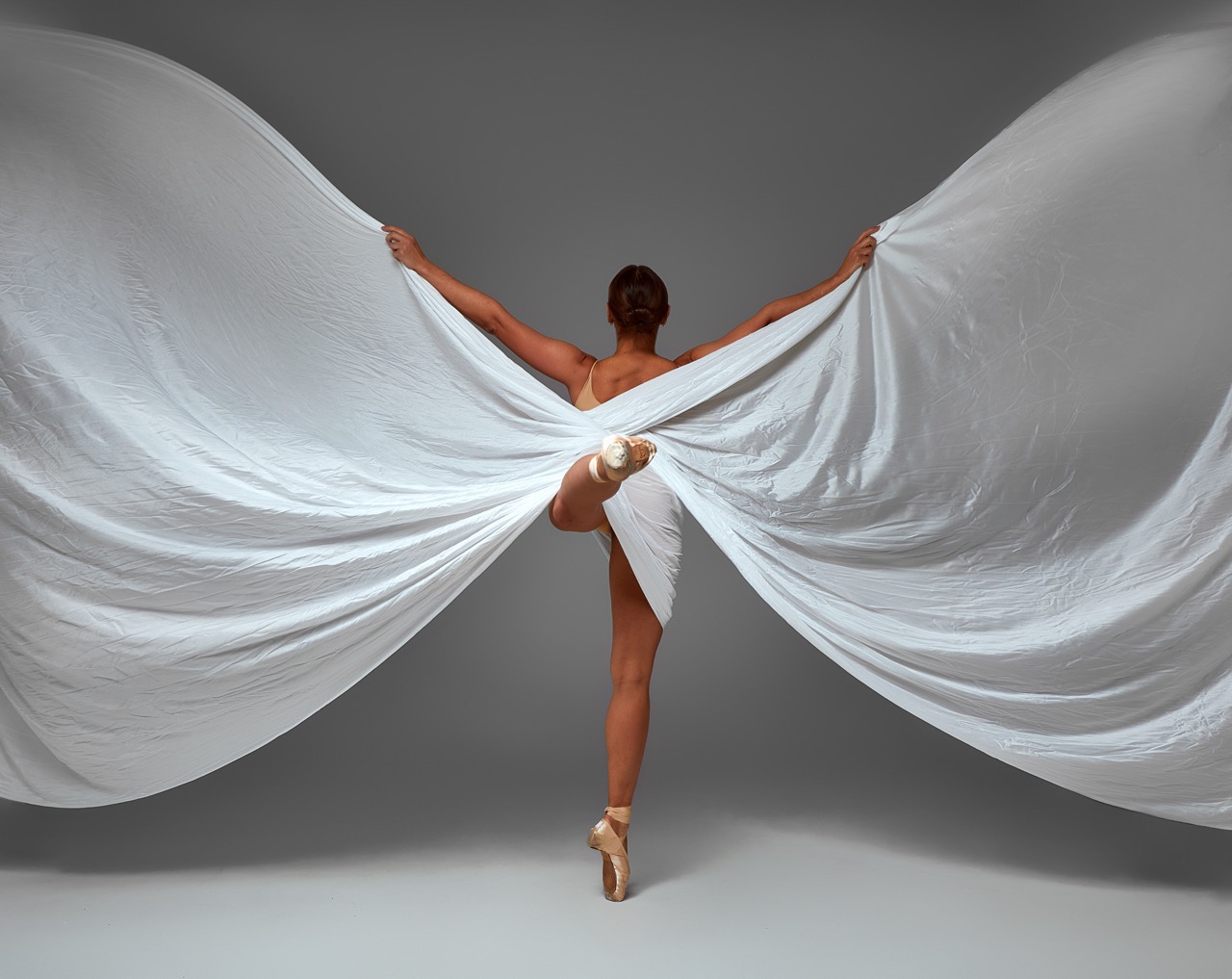
As hip-hop dance continues to evolve, it reflects the ever-changing landscape of contemporary culture. Dancers and choreographers are increasingly experimenting with new styles and techniques, blending traditional hip-hop movements with elements from other genres such as contemporary, jazz, and even classical ballet. This fusion has given rise to innovative choreographies that challenge conventional definitions of hip-hop dance, inviting audiences to experience it in fresh and exciting ways. As a result, hip-hop dance is not only a reflection of current trends but also a driving force behind the evolution of dance as an art form.
Social media has played a significant role in shaping the future of hip-hop dance by providing a platform for dancers to showcase their talent and creativity to a global audience. Viral dance challenges on platforms like TikTok and Instagram have revolutionized how dance is consumed and shared, allowing movements to spread rapidly across cultures and borders. This digital landscape has democratized dance, enabling aspiring dancers to gain visibility and connect with others, regardless of geographic limitations. The influence of social media has created a new generation of hip-hop dancers who are redefining the art form and pushing its boundaries even further.
Looking ahead, the future of hip-hop dance seems bright, with an emphasis on inclusivity and collaboration. As more artists and choreographers from diverse backgrounds contribute to the genre, the richness of hip-hop dance will only continue to grow. Educational institutions are increasingly recognizing the importance of hip-hop dance in their curricula, offering courses that celebrate its history and impact. This recognition ensures that hip-hop dance will not only thrive but will also serve as a vital component of contemporary dance education, inspiring future generations to embrace their creativity and tell their stories through movement.
The global influence of hip-hop dance is a testament to its power as a medium for expression, connection, and cultural exchange. From its humble beginnings in urban streets to its current status as a celebrated art form, hip-hop dance has united communities, addressed social issues, and evolved into a dynamic force that transcends geographical boundaries. As we look to the future, hip-hop dance will undoubtedly continue to shape the world of movement, inspiring individuals to find their voice and connect with others through the universal language of rhythm and dance.