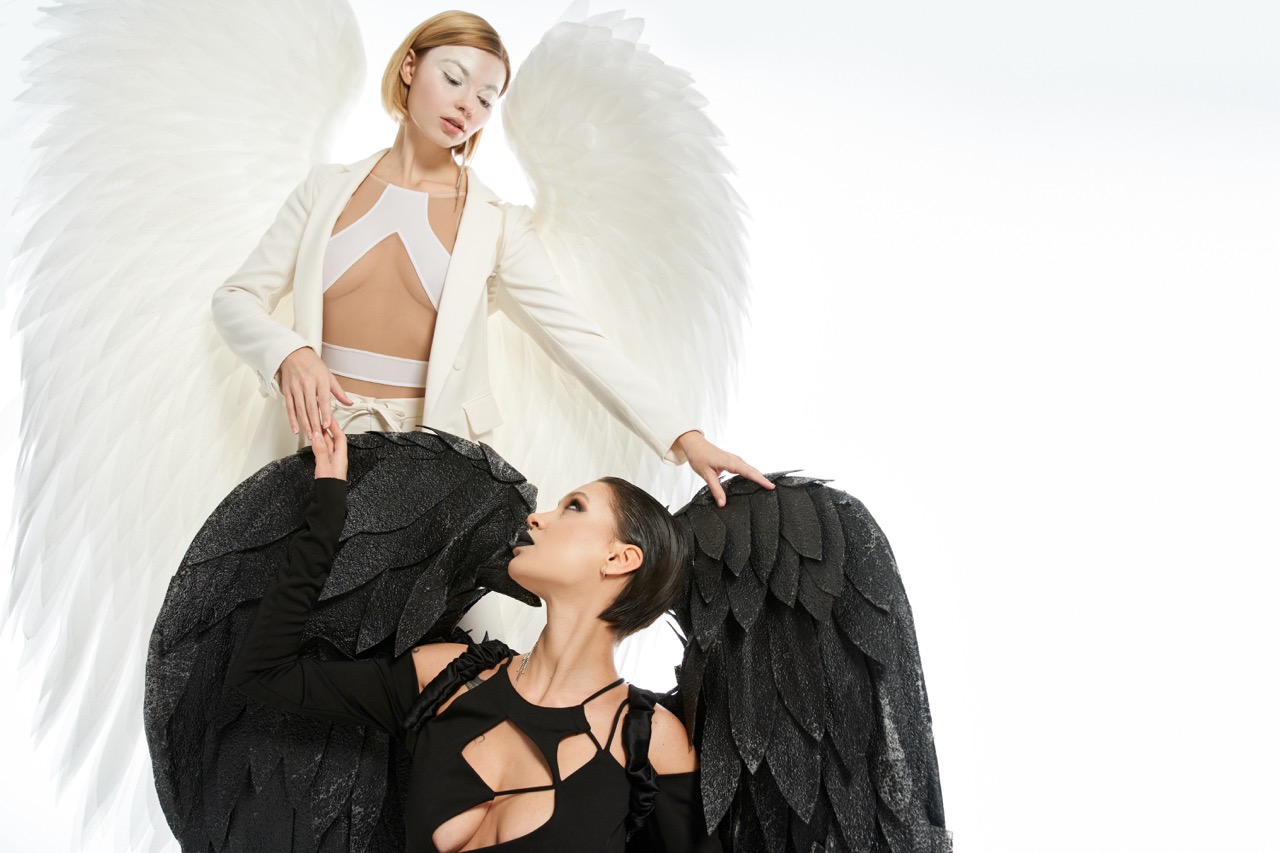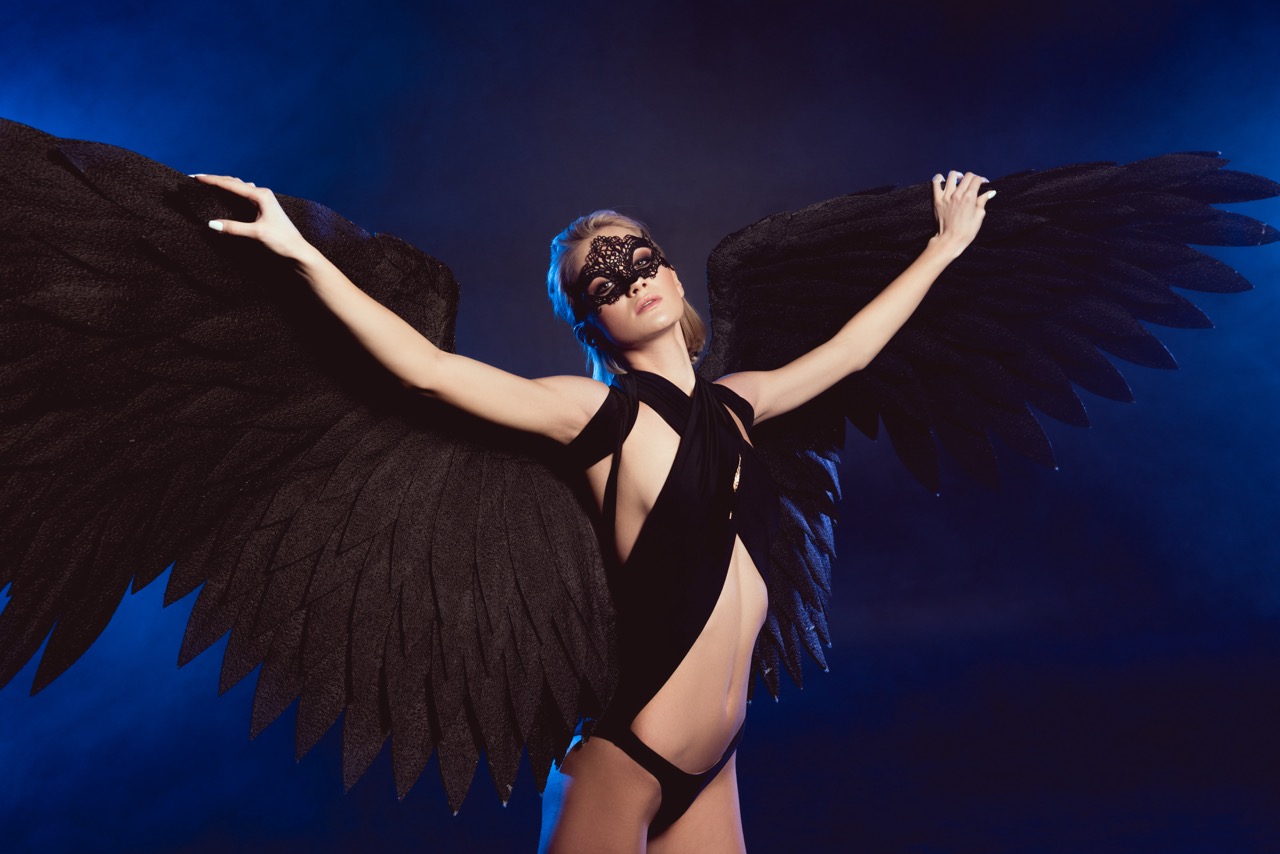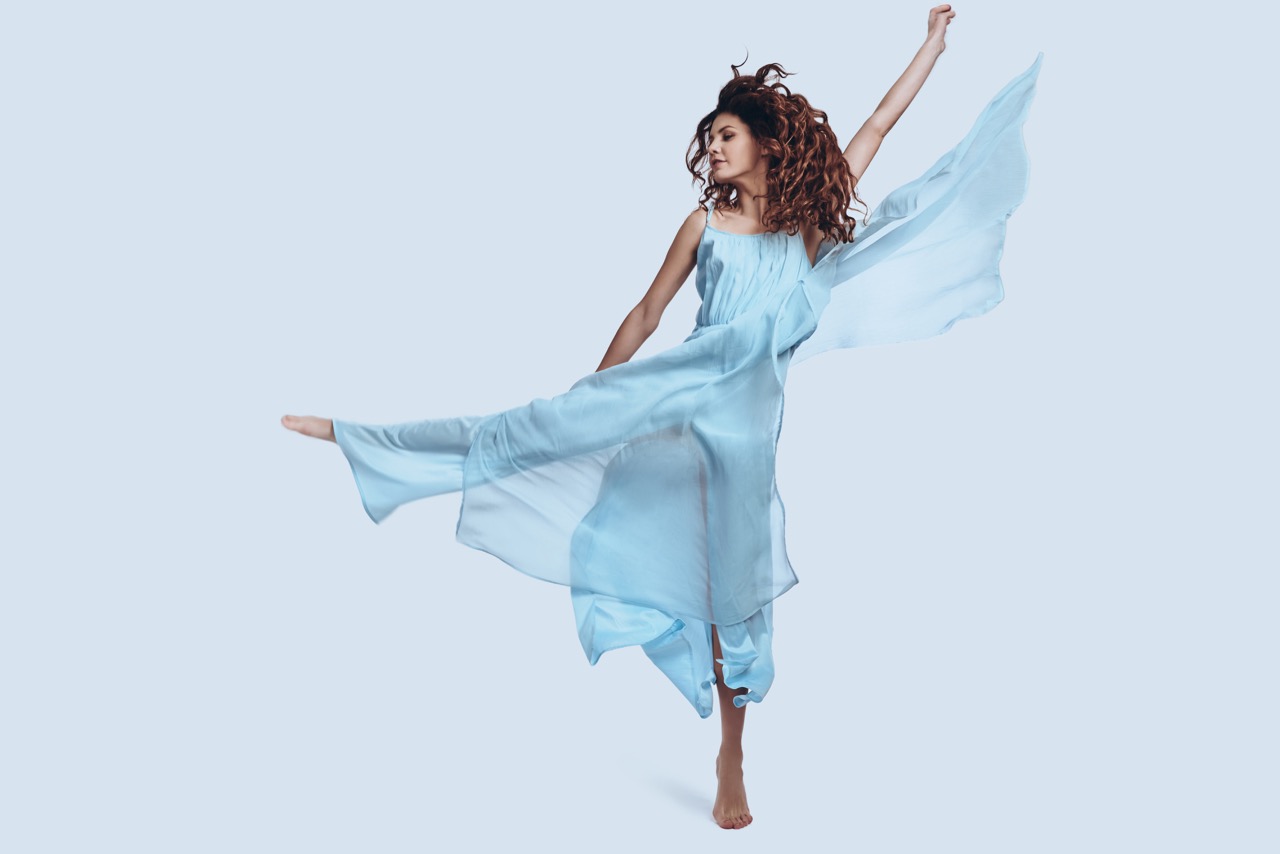

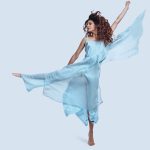
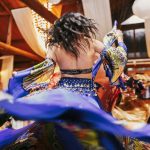
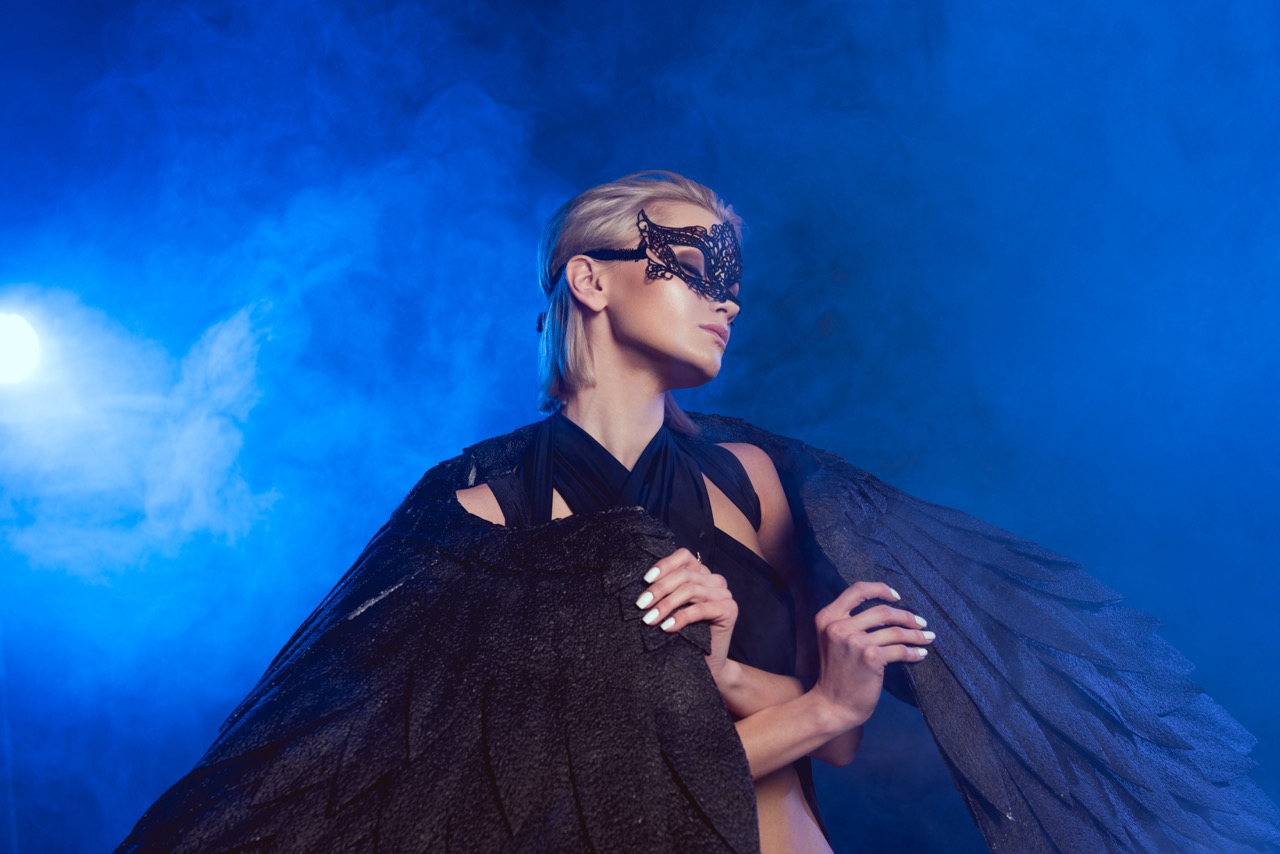
In the vibrant realm of pop culture, where expression intertwines with creativity, dance wings have emerged as a striking symbol of freedom and individuality. These ethereal garments, often associated with dance, theater, and performance art, have transcended their utilitarian roots to become a powerful aesthetic statement. From grand stages to music videos and social media, dance wings have captured the imagination of audiences and artists alike, embodying the spirit of liberation and self-expression. This article delves into the multifaceted role of dance wings in pop culture and media, exploring their evolution, iconic performances, and cultural significance.
Dance Wings: A Symbol of Freedom in Pop Culture
Dance wings evoke a sense of boundless freedom, serving as an artistic manifestation of the spirit of flight. Their flowing fabrics and vibrant colors allow performers to create captivating visual narratives that resonate with audiences on a profound level. In various cultures, wings symbolize aspiration and transcendence, often representing the desire to break free from societal constraints. As such, dance wings have become emblematic of personal and artistic liberation, enabling artists to express their identities and visions without hesitation.
Throughout the years, dance wings have also been embraced by various movements within pop culture, from the psychedelic era of the 1960s to the contemporary world of social media influencers. Their ability to transform ordinary dance performances into extraordinary visual spectacles has made them a favorite among choreographers and fashion designers alike. As artists experiment with materials and designs, the concept of dance wings has evolved, integrating elements of contemporary fashion while retaining their symbolic association with freedom and creativity.
In a world increasingly defined by the quest for individuality, dance wings offer a canvas for self-expression. They invite performers and audiences to explore the depths of their imagination, encouraging a celebration of diversity and uniqueness. Whether seen in theatrical performances or casual dance gatherings, dance wings have become a universal symbol of the human desire to soar above limitations and embrace one’s true self.
From Stage to Screen: The Evolution of Dance Wings
The evolution of dance wings can be traced back to their theatrical roots, where they were primarily utilized in stage performances to enhance the storytelling experience. Early adopters of dance wings, such as ballet and modern dance troupes, employed them to create visual metaphors for emotions and themes. As the theatrical landscape evolved, so did the design and purpose of dance wings, leading to the introduction of more diverse and innovative styles that catered to a wider range of performances.
With the rise of film and television, dance wings found their way into the limelight, becoming a staple in iconic performances. Movies like "Flashdance" and "Moulin Rouge!" showcased dance wings in ways that enchanted viewers, elevating the visual experience to new heights. The integration of dance wings into cinematic storytelling not only highlighted the artistry of the performers but also emphasized the fluidity and grace that these garments embody. As films continued to push the boundaries of visual storytelling, dance wings emerged as a powerful tool for creating memorable and emotive scenes.
In recent years, the digital age has transformed the way we consume media, and dance wings have seamlessly adapted to this new landscape. Platforms like YouTube and TikTok have given rise to a new generation of dancers and choreographers who use dance wings to create viral content. Social media influencers showcase their creativity through elaborate performances, capturing the attention of a global audience. This evolution reflects the adaptability of dance wings, as they continue to inspire and resonate with diverse audiences across various media formats.
Iconic Performances: Dance Wings in Music Videos
Music videos have long been a powerful medium for artistic expression, and dance wings have become synonymous with some of the most memorable performances in pop culture history. From the dramatic flair of Sia’s "Elastic Heart" to the ethereal visuals in Beyoncé’s "Halo," dance wings have played a pivotal role in enhancing the themes and emotions conveyed in these iconic pieces. The interplay of movement and fabric creates a striking visual narrative, elevating the overall impact of the performance.
One of the most notable examples of dance wings in music videos is found in the work of Jennifer Lopez, whose choreography often incorporates flowing fabrics to amplify her performances. In songs like "Waiting for Tonight," the use of dance wings not only highlights her vocal prowess but also adds a layer of visual storytelling that captivates audiences. The elegance and dynamism of these garments complement the energy of the music, creating a synergistic effect that leaves a lasting impression.
As dance wings continue to permeate the music industry, their presence serves as a reminder of the artistry inherent in performance. They encourage musicians and choreographers to push the boundaries of traditional dance, blending various styles and aesthetics to create a unique signature. The impact of dance wings in music videos is undeniable, as they help shape the visual language of popular music, inviting audiences to partake in a shared experience of artistic exploration.
Crafting Identity: The Cultural Impact of Dance Wings
The cultural significance of dance wings extends beyond their aesthetic appeal; they play a crucial role in crafting identity within the realms of dance and performance. For many performers, dance wings symbolize a connection to their cultural roots and personal stories. Various cultures have utilized similar garments in traditional dance forms, and the modern interpretation of these wings serves as a bridge between heritage and contemporary expression. This blending of influences inspires artists to explore their identities while honoring the traditions that inform their craft.
Dance wings also encourage dialogue surrounding gender and sexuality in performance art. The fluidity of these garments allows performers of all backgrounds to embody their authentic selves, challenging the rigid norms often present in the industry. In recent years, we have seen the emergence of non-binary and gender-fluid performers who utilize dance wings as a means of self-expression and as a statement against conventional gender roles. This evolution reflects a broader cultural shift toward inclusivity and acceptance, making dance wings a powerful symbol of progress.
As social media continues to reshape the landscape of performance and identity, dance wings remain a transformative force. Platforms like Instagram and TikTok provide a stage for emerging artists to showcase their creativity and unique styles, leading to a global celebration of diversity in dance. The cultural impact of dance wings resonates within this digital space, as performers from various backgrounds contribute to a rich tapestry of artistic expression, forging connections that transcend geographic boundaries.
Dance wings have undoubtedly carved a niche in pop culture and media, serving as a dynamic symbol of freedom, creativity, and identity. From their theatrical origins to their contemporary presence in music videos and social media, these garments have evolved in tandem with the ever-changing landscape of performance art. As artists continue to push boundaries and challenge norms, dance wings will remain an enduring emblem of self-expression, inspiring future generations to embrace their uniqueness and soar to new heights. It is through this lens of artistic exploration that dance wings will continue to thrive, shaping the narrative of contemporary culture in profound and lasting ways.