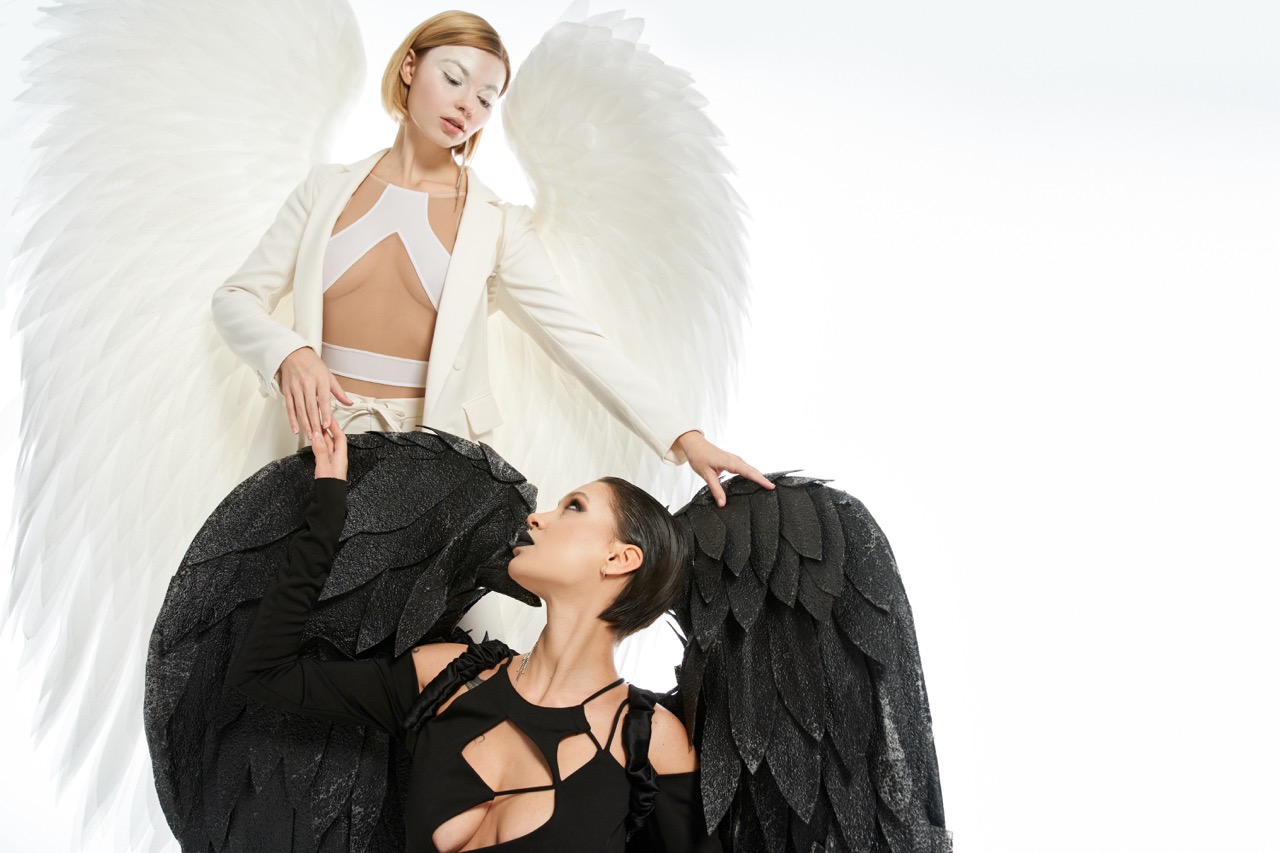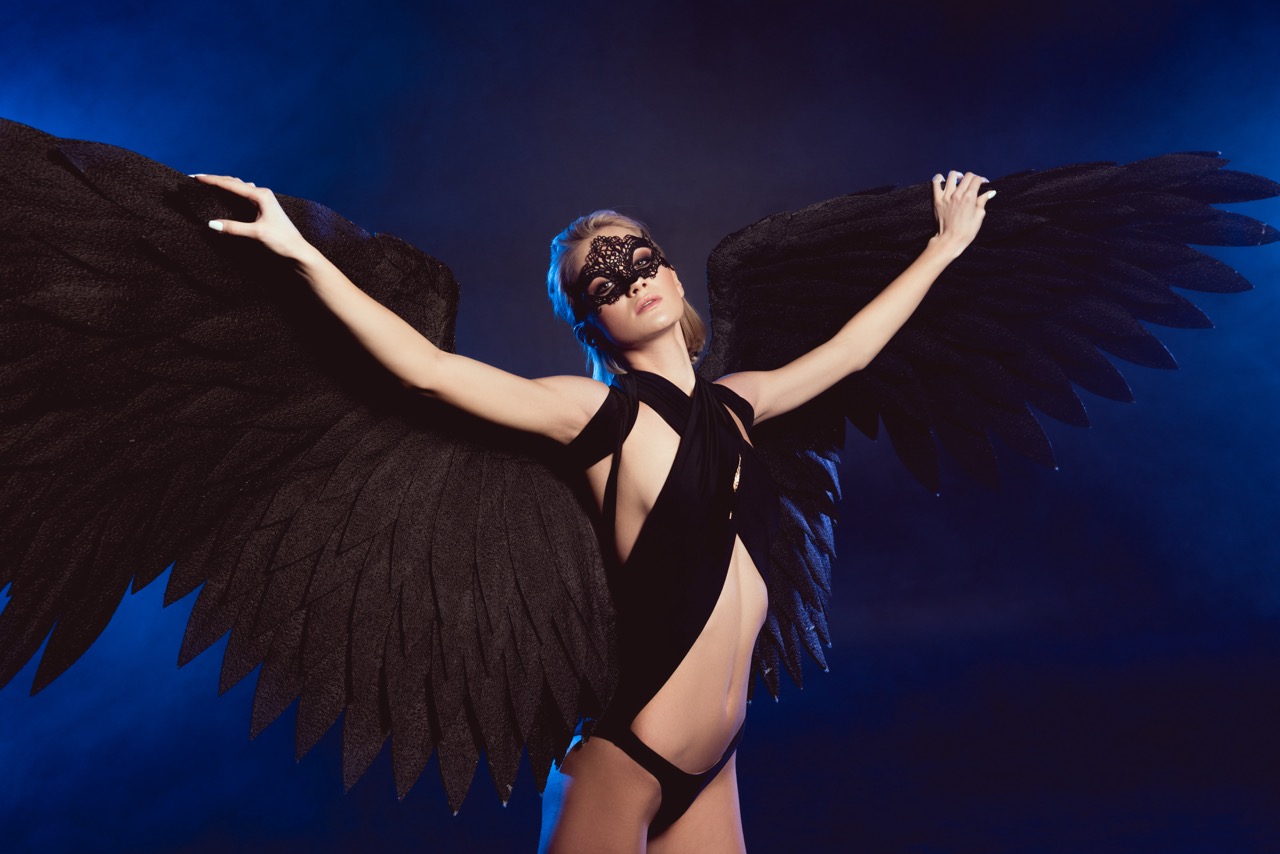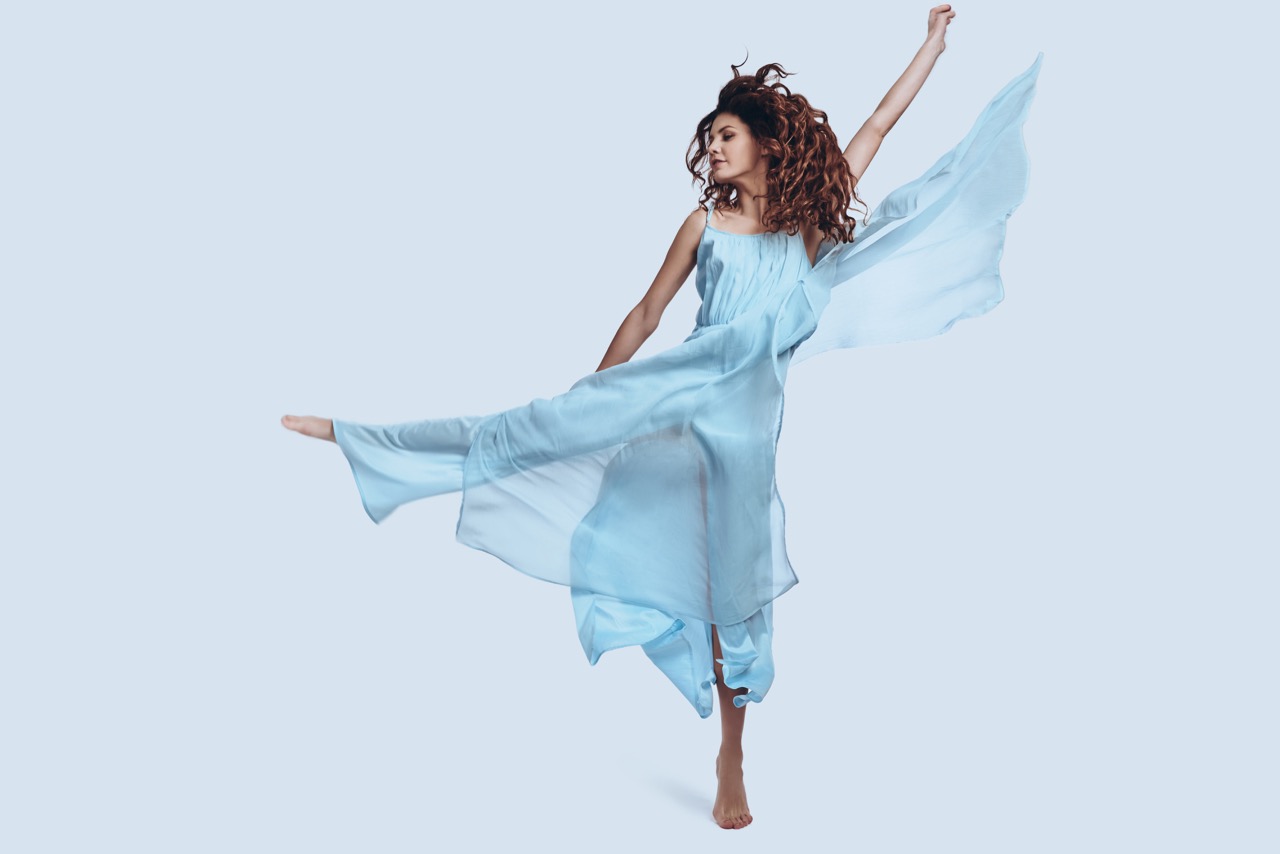

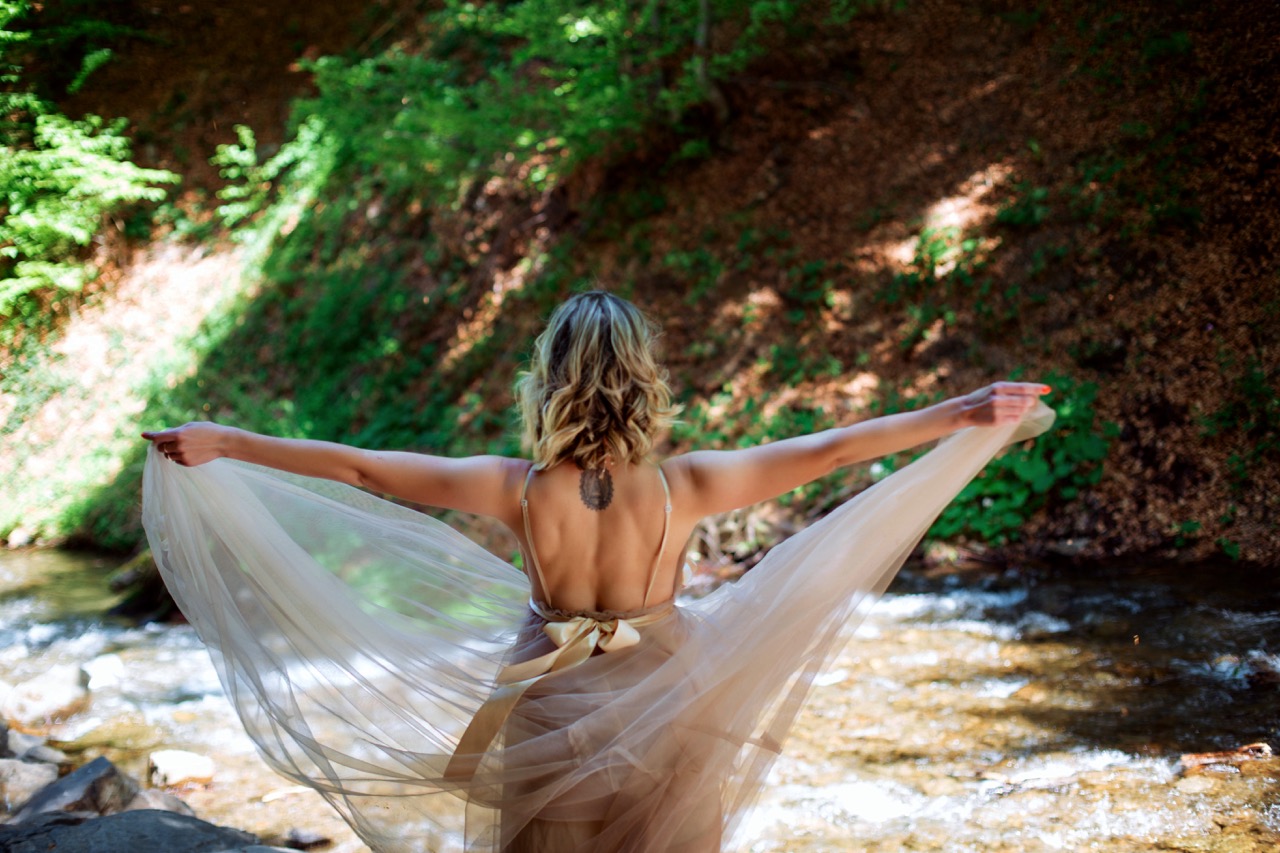
Dance has always been a powerful medium for expression, transcending cultural and geographical boundaries. Among its many styles and elements, dance wings have emerged as a distinctive feature, capturing the imagination of performers and audiences alike. These flowing, vibrant extensions serve not only to enhance choreography but also to tell stories and express emotions. In this article, we delve into the evolution, aesthetic appeal, cultural significance, and future innovations of dance wings across global dance styles.
Exploring the Evolution of Dance Wings Across Cultures
The history of dance wings can be traced back to ancient civilizations where they were often used in religious and ceremonial dances. From the feathered costumes of Native American tribes to the elegant silk wings of the Chinese traditional dance, these elements signify both spiritual connection and cultural identity. In many indigenous cultures, wings symbolize freedom and transcendence, linking the earthly realm with the divine. As societies evolved, so did the use of dance wings, adapting to new aesthetics and cultural narratives.
In the Middle Ages, dance wings found their place in courtly dances, where elaborate costumes adorned with feathers and fabrics became a hallmark of nobility. The burgeoning theater scene of the Renaissance highlighted the use of wings in performances, merging dance with storytelling and drama. By the 19th century, dance wings evolved into more structured forms, exemplified by the tutus of ballet, which played a pivotal role in shaping classical dance aesthetics. This transition marked a significant turning point where the symbolic nature of wings began to blend seamlessly with artistry and movement.
Today, dance wings are a global phenomenon, having adapted to various contemporary styles, including belly dance, jazz, and even modern hip-hop. Their evolution reflects a dialogue between tradition and innovation, showcasing how a once-religious symbol can morph into a dynamic element of modern choreography. As dance continues to evolve, so too does the significance of wings, weaving a narrative that spans cultures and generations.
The Aesthetic Appeal: Dance Wings in Modern Performances
The aesthetic allure of dance wings lies in their ability to amplify movement, creating a visual spectacle that captivates audiences. When dancers incorporate wings into their performances, they add an element of fluidity and grace, transforming simple movements into breathtaking displays. The visual impact of swirling fabric and shimmering colors enhances the emotional depth of the dance, allowing performers to convey narratives that resonate with viewers on a deeper level.
Contemporary choreographers are increasingly experimenting with the design and integration of dance wings, utilizing innovative materials such as LED fabrics, holographic prints, and even interactive technology. These modern adaptations not only elevate the performance’s visual appeal but also challenge traditional notions of dance and performance art. By merging art with technology, dancers can create immersive experiences that engage audiences in novel ways, pushing the boundaries of what can be achieved on stage.
Furthermore, the aesthetic appeal of dance wings extends beyond the visual realm; it also invites emotional connections. Many performers find that wearing wings enhances their stage presence, emboldening them to explore new dimensions of their artistry. As wings flutter and cascade, they mirror the dancer’s movements, creating a symbiotic relationship that amplifies the overall performance. This aesthetic synergy draws audiences into a world where movement, emotion, and visual artistry collide in a celebration of human expression.
From Tradition to Trend: Dance Wings in Global Styles
The journey of dance wings from traditional garments to contemporary fashion statements is a fascinating one. In various cultures, wings have been woven into the fabric of dance, serving as symbols of cultural heritage. For example, the vibrant silk wings of Middle Eastern dance tell stories of celebration and femininity, while the feathered adornments used in Hawaiian hula celebrate the beauty of nature and the divine. These cultural contexts provide a rich tapestry that informs how dance wings are perceived and utilized across different styles.
As the global dance community becomes increasingly interconnected, the trend of incorporating dance wings has gained momentum. Dance wings are no longer solely confined to their traditional settings; they have made their way into popular dance forms like contemporary, urban, and even commercial performances. This shift highlights a growing appreciation for cultural diversity and the blending of styles. Dancers and choreographers are now inspired by a multitude of influences, leading to innovative design choices and creative storytelling through the use of wings.
The fusion of tradition and modernity is also reflected in the fashion industry, where dance wings have inspired designers to create performance wear that transcends mere function. Fashion shows often incorporate dance elements, showcasing garments that replicate the movement and grace of traditional wings. This trend not only elevates the status of dance but also fosters a deeper understanding of the narratives and cultural significance that dance wings embody. As global dance styles continue to evolve, the integration of wings will remain a vital element, serving as a bridge between the past and the future.
The Future of Dance Wings: Innovation Meets Heritage
The future of dance wings promises to be an exciting evolution, characterized by innovation that respects and celebrates their rich heritage. As technology advances, the potential for new materials and designs expands significantly. Imagine wings equipped with motion sensors that react to a dancer’s movements, creating a dynamic interplay of lights and colors. Such innovations could redefine the visual experience of dance, transforming performances into multi-sensory adventures that engage audiences in unprecedented ways.
Moreover, the trend towards sustainability in the fashion and performing arts sectors is encouraging designers to explore eco-friendly materials for dance wings. By using biodegradable fabrics, recycled materials, and sustainable production methods, the dance community can honor the environment while maintaining the aesthetic grandeur that wings provide. This conscious approach to design connects the cultural significance of dance wings with a modern commitment to sustainability, ensuring that future generations can enjoy and learn from this art form.
In addition to technological advancements and sustainability, the future of dance wings will increasingly reflect the diverse narratives and identities within the global dance community. As dancers continue to draw from their cultural heritages and personal experiences, wings will become a canvas for storytelling, carrying the weight of history while also embracing contemporary themes. In this way, dance wings will not only serve as a visual spectacle but also resonate as a powerful symbol of unity, resilience, and creativity in an ever-evolving world of dance.
The journey of dance wings from ancient cultural icons to modern performance staples is a testament to the enduring power of dance as a form of expression. These ethereal extensions not only enhance the aesthetic appeal of performances but also serve as conduits for storytelling and emotional expression. As we look to the future, the fusion of innovation and heritage promises to keep the legacy of dance wings alive, ensuring they flourish in both tradition and trend. In doing so, they will continue to inspire dancers and audiences alike, celebrating the beauty of movement across cultures and generations.