


The world of stage lighting has undergone a remarkable transformation over the past few decades, with innovations that have redefined the theatrical experience. Among these innovations, LED dance wings have emerged as a vibrant and versatile element in the realm of performance art. This article explores the evolution of these stunning visual tools, tracing their journey from conceptualization to their current status as essential components of stage design. As we delve into their development, we will highlight their impact on performances and look ahead to what the future may hold for stage lighting.
Illuminating the Stage: A Journey Through LED Dance Wings
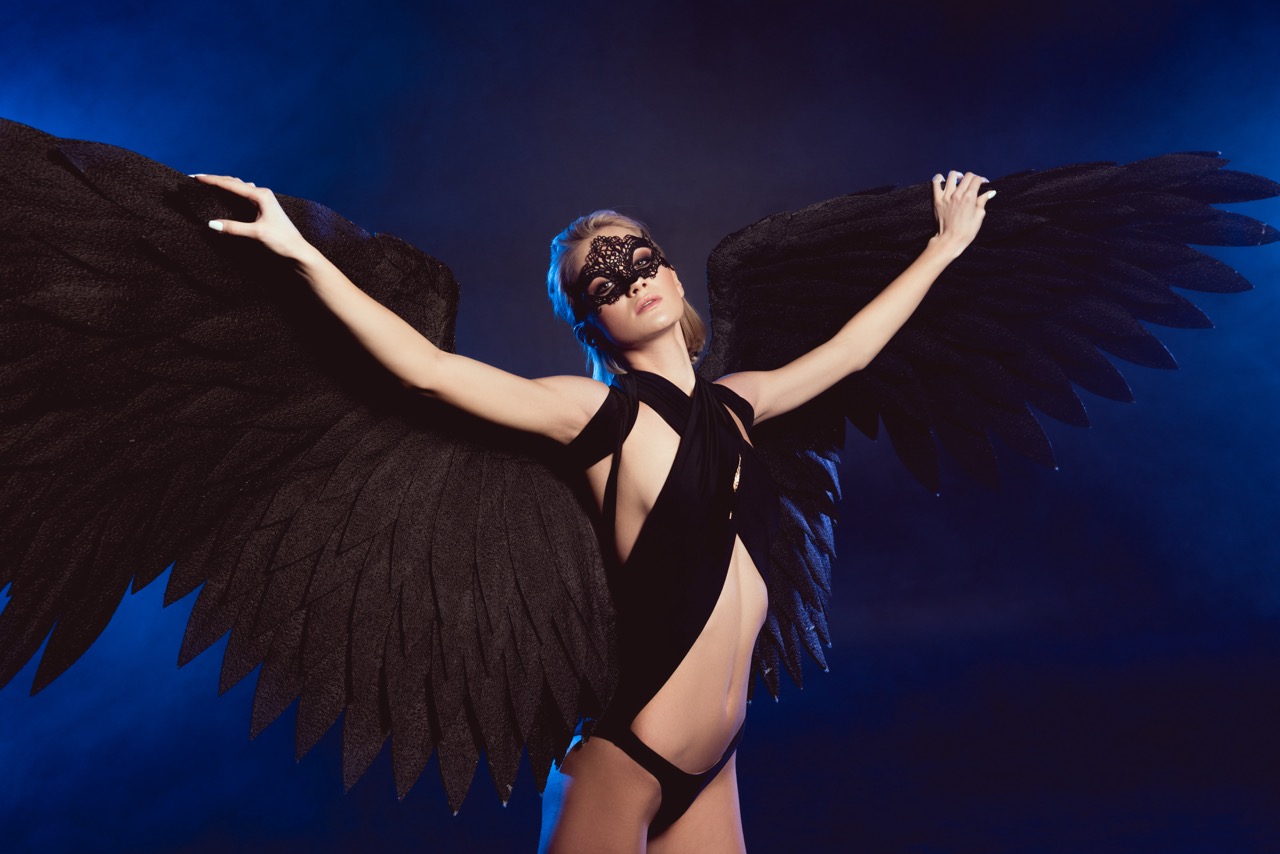
LED dance wings are not just an accessory; they are a visual spectacle that enhances the connection between performer and audience. Originally conceived as a means to incorporate light into dance performances, these wings have evolved into a powerful storytelling device. With their captivating glow and dynamic color variations, they are designed to reflect the emotions and themes of the performance, making them an integral part of the narrative.
The journey of LED dance wings began with traditional fabric wings that dancers would wear, often adorned with sequins or reflective materials. However, as technology began to advance, the introduction of LED lights allowed for a broader spectrum of colors and effects. This shift opened the door for choreographers and designers to experiment with lighting in ways previously unimaginable, leading to the creation of wings that could transform in real time, adapting to the rhythm of the music and the energy of the performance.
In the current landscape of stage production, LED dance wings have become a staple in a vast array of performances, from modern dance to theatrical productions and large-scale concerts. Their ability to create breathtaking visuals while being lightweight and easily maneuverable has made them a favorite among performers, enriching the overall aesthetic of the stage and providing a new canvas for artistic expression.
From Concept to Creation: The Rise of LED Technology
The rise of LED technology has been a game changer, shifting the paradigm of how light is utilized in theatrical productions. Initial concepts of integrating light into dance performances were often limited by the constraints of traditional lighting systems. However, the advent of LED technology has revolutionized this concept, allowing for a more immersive integration of light and movement.
LEDs offer a versatility that was previously unattainable, with features such as programmable color changes, brightness adjustments, and dynamic effects. These attributes empower designers to create intricate lighting patterns that align with choreography, enabling a true fusion of dance and visual art. As designers embraced this technology, the possibilities expanded, leading to unique innovations such as wings that can sync with sound and movement, creating a harmonious experience for the audience.
The manufacturing of LED dance wings has also seen advances in design and functionality. From customizable sizes and shapes to enhanced battery life and durability, the evolution of LED technology has made it accessible and practical for a wide range of artists. As more creators adopt these tools into their work, the industry has witnessed an increase in collaboration between lighting designers, choreographers, and performers, resulting in groundbreaking performances that captivate audiences worldwide.
Transformative Effects: Enhancing Visual Performances
The impact of LED dance wings on visual performances is nothing short of transformative. By incorporating these lit wings, performers can create stunning visual effects that enhance their storytelling capabilities. The interplay of light and movement captivates audiences, drawing them into the narrative and allowing them to experience the performance on a deeper level.
Incorporating LED wings into choreography has also opened new avenues for creative expression. Dancers can use their movements to manipulate the colors and patterns emitted from their wings, creating a dialogue between light and motion. This synergy adds layers to the performance, where every twirl, leap, and gesture contributes to a larger visual tapestry. The ability to change colors and patterns at a moment’s notice allows for spontaneous creativity, making each performance a unique experience.
Moreover, the visual appeal of LED dance wings attracts diverse audiences, from traditional theater-goers to younger generations who resonate with the vibrant aesthetics often seen in digital media. As performers continue to push the boundaries of how they utilize light in their acts, LED dance wings are solidifying their place as an essential tool for creating memorable and impactful performances.
Shaping the Future: The Next Frontier in Stage Lighting
As technology continues to evolve, the future of LED dance wings and stage lighting is poised to become even more innovative. Emerging concepts such as augmented reality and holography are being explored, paving the way for an even more immersive experience. The fusion of these technologies with LED dance wings could allow for interactive performances where visuals adapt not only to the dancer’s movements but also to audience reactions, creating a truly communal experience.
Sustainability is also a growing concern in the world of stage production, and LED lights shine brightly in this context. Their energy efficiency and longevity significantly reduce the carbon footprint of performances, aligning with the industry’s shift towards greener practices. As designers and manufacturers focus on eco-friendly materials and practices, the next generation of LED dance wings is likely to prioritize sustainability without compromising on aesthetics or functionality.
Furthermore, the integration of artificial intelligence and machine learning into stage lighting design could revolutionize how performers and designers interact with their tools. Real-time feedback systems could allow for adaptive lighting that not only responds to choreography but also anticipates changes in the performance, offering an unprecedented level of synergy between technology and artistry. This evolution will undoubtedly reshape the future of stage lighting, providing limitless possibilities for artistic exploration and innovative storytelling.
The evolution of LED dance wings has not only transformed stage lighting but has also fundamentally changed the relationship between performers and their art. As these tools continue to advance, they will undoubtedly inspire new forms of creativity and expression, enhancing our collective experience of performance art. With the promise of further innovation on the horizon, the dance community and stage designers are well-equipped to embrace the next chapter in this thrilling journey, illuminating the stage in ways we have yet to imagine.