


The connection between dance and music is one of the most profound and intrinsic relationships in the world of performing arts. From the rhythmic pulse that drives a dancer’s feet to the haunting melodies that evoke emotion, these two art forms exist in a symbiotic relationship that transcends cultures and history. While dance is often seen as a visual spectacle, it is, at its core, an auditory experience as well. This article explores how music shapes dance, reflects cultural narratives, and elevates emotional expression.
The Rhythmic Symphony: Dance as Music in Motion
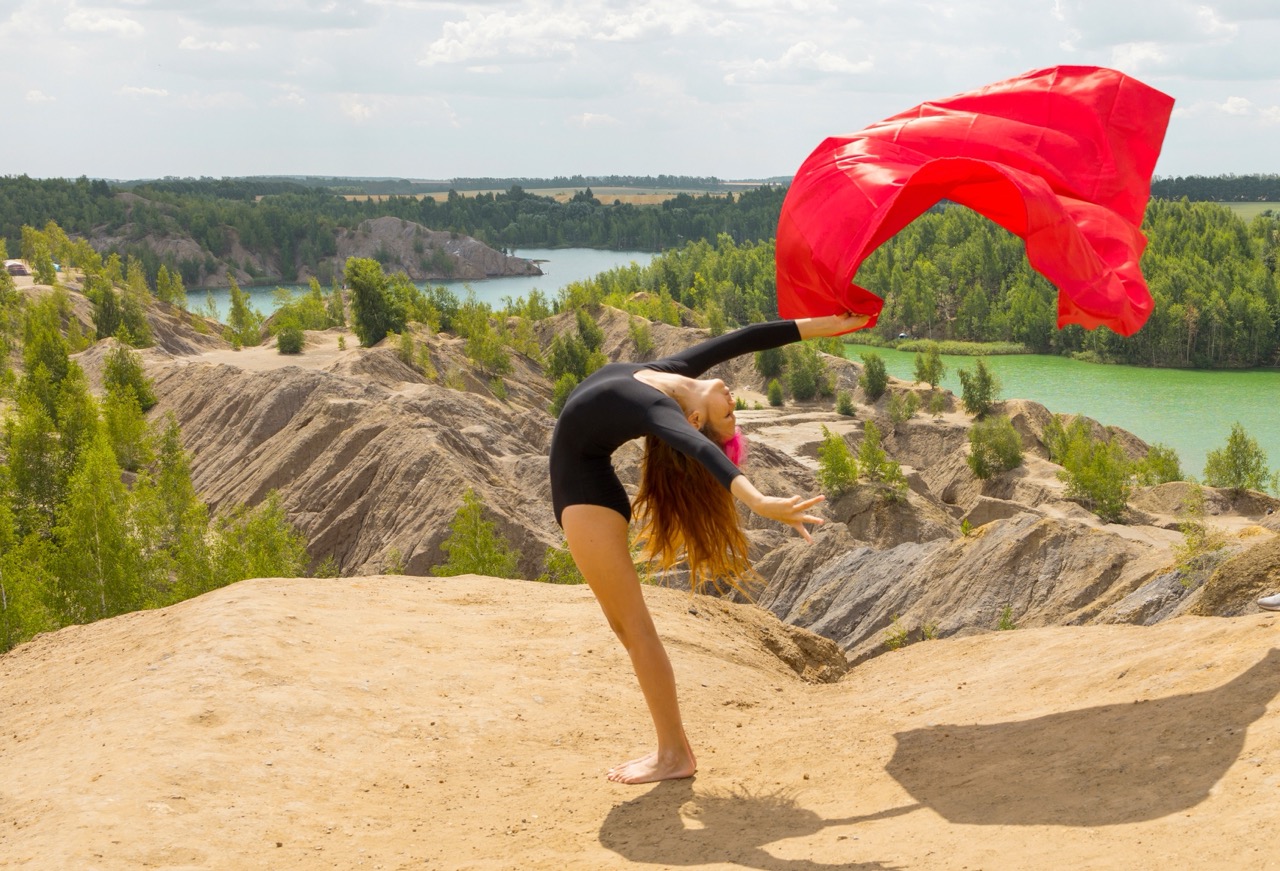
Dance is essentially music in motion, a visceral expression of the rhythms and tones that surround us. Every beat, every tempo, creates a tactile energy that dancers interpret through their bodies. Whether it’s the energetic quickstep of a tap dancer or the fluid movements of a contemporary ballet performance, the rhythmic pulse of music serves as the driving force behind every step. Dancers embody the music, translating auditory vibrations into a visual narrative that communicates feelings and stories without the need for words.
Moreover, the physicality of dance allows for an exploration of music that goes beyond mere interpretation. Dancers often visualize the structure of a piece, feeling the crescendos and decrescendos in their very bones. The connection is not just about matching movements to sound but rather creating a dialogue where each movement amplifies the musical score. In this dance-music symphony, the performers become both the instrument and the conductor, crafting an experience that resonates deeply with audiences.
The interplay of dance and music can also be seen in various forms of performance art, where the two are interwoven to create a multidimensional experience. In genres like musical theatre or modern dance, choreography is often developed alongside the musical score, resulting in a seamless blend that captivates the senses. This rhythmic symphony invites spectators to engage with the performance on a deeper level, where the experience is not just seen, but felt, making the connection between dance and music an essential element of artistic expression.
Harmonizing Steps: How Music Shapes Dance Styles
The style of music profoundly influences the character and execution of dance. Each musical genre has its own distinctive tempo, rhythm, and mood, which dancers adapt to create unique movement styles that resonate with the music’s essence. For example, the syncopated beats of jazz music give rise to energetic, improvisational dance styles like swing and bebop, where spontaneity and flair take center stage. In contrast, the smooth melodies of classical music invite the grace and precision of ballet, where every movement is meticulously crafted to mirror the elegance of the score.
As musical styles evolve, so do the corresponding dance forms. The rise of electronic dance music has birthed new genres such as hip-hop and breakdancing, which emphasize rhythm and body isolation, inviting dancers to express themselves in innovative ways. These dance forms are not just influenced by the music; they often emerge as a response to cultural shifts within society, showcasing how the evolution of sound can spark new artistic movements. Thus, the relationship between dance and music is one that continuously adapts and grows, fueled by the creativity of artists from diverse backgrounds.
Moreover, the integration of technology in music has also transformed dance styles. The incorporation of digital beats and synthesized sounds has led to the emergence of contemporary dance forms that utilize innovative techniques and styles, allowing for a fusion of traditional and modern practices. Dancers harness these new sounds to push boundaries, experiment with movement, and explore the connection between the auditory and the visual. This harmonious relationship between music and movement drives the evolution of dance, illustrating how closely they are entwined in the artistic fabric of society.
Cultural Echoes: The Interplay of Dance and Melody
Cultural narratives find expression in the intertwined art forms of dance and music, reflecting societal values, histories, and emotional landscapes. From the traditional folk dances that tell stories passed down through generations to the contemporary styles that address modern issues, this interplay serves as a mirror to the cultures it originates from. For instance, the flamenco dance of Spain encapsulates passion and despair, drawing its emotive strength from the intricate guitar melodies that accompany it. Here, music and dance become channels for cultural identity, empowering communities to share their unique stories with the world.
Cross-cultural influences have also enriched the relationship between dance and music, creating fusion styles that celebrate diversity and innovation. The blending of African rhythms with European melodies gave rise to genres like salsa and samba, where cultural histories intermingle to create vibrant expressions of life and joy. These hybrid dance forms not only celebrate their roots but also pave the way for new interpretations and collaborations that further enhance the dynamic relationship between movement and sound. As artists continue to explore these connections, they highlight the universal languages of music and dance, transcending borders and fostering understanding in a globalized world.
Moreover, social movements have leveraged the powerful alliance of dance and music to advocate for change and express dissent. From the civil rights movement in the United States, where spirituals and folk dance became symbols of resistance, to the modern-day dance protests that use choreography as a form of activism, this connection serves as a potent reminder of the role that art plays in shaping societal narratives. The melodies and movements become rallying cries, connecting individuals to a greater cause and demonstrating how deeply music and dance resonate within the human experience.
Elevating Expression: The Emotional Bond of Beat and Body
The relationship between dance and music is often driven by a profound emotional connection that transcends words. Music has the power to evoke a wide range of feelings, and dancers tap into this emotional reservoir to bring their performances to life. A haunting melody may inspire a dancer to convey sorrow through slow, deliberate movements, while an upbeat tempo can ignite a sense of joy that is expressed through quick, lively steps. This emotional bond is what makes dance a compelling form of storytelling, where the dancer’s body becomes a canvas for the music’s emotional landscape.
Furthermore, the interplay between beat and body allows for a unique form of catharsis, both for the dancer and the audience. The act of moving in sync with music can provide an outlet for feelings that may be difficult to articulate, creating a space where emotions are laid bare. In this sense, dance becomes a therapeutic experience, fostering a sense of release and connection that is vital to our well-being. As the dancer interprets the music, both the performer and the viewer embark on a shared emotional journey, illustrating the universal nature of human experience.
Finally, the emotional resonance of dance and music can create lasting memories and connections among individuals. Whether it’s a couple swaying to a love song or a community gathering for a traditional dance, these moments forge bonds that transcend time and space. The shared experience of music and dance fosters a sense of belonging, creating memories that linger long after the music fades. This emotional connection is what makes the relationship between dance and music so powerful; it serves as a reminder of our shared humanity and the beauty of expression through art.
In conclusion, the connection between dance and music is a vibrant tapestry woven from rhythm, emotion, culture, and expression. Each art form complements the other, enriching our understanding of both. As dancers move to the beat of the music, they create a language that speaks directly to the heart, transcending barriers and inviting us to engage with the world in a more profound way. This dynamic relationship will continue to evolve, inspiring future generations to explore the depths of artistic expression and the unbreakable bond between dance and music.