


When it comes to performing with a partner, the right wing style can elevate your artistry to new heights. Whether you’re gliding across the stage in a dance duet, engaging in a theatrical performance, or exploring aerial arts, the choice of wing style can greatly influence both the visual appeal and the technical execution of your act. In this article, we will delve into the essentials of choosing the best wing style for partner performances, examining the nuances of synchronization, aesthetic appeal, and connection that each style can offer.
Elevate Your Performance: Choosing the Right Wing Style
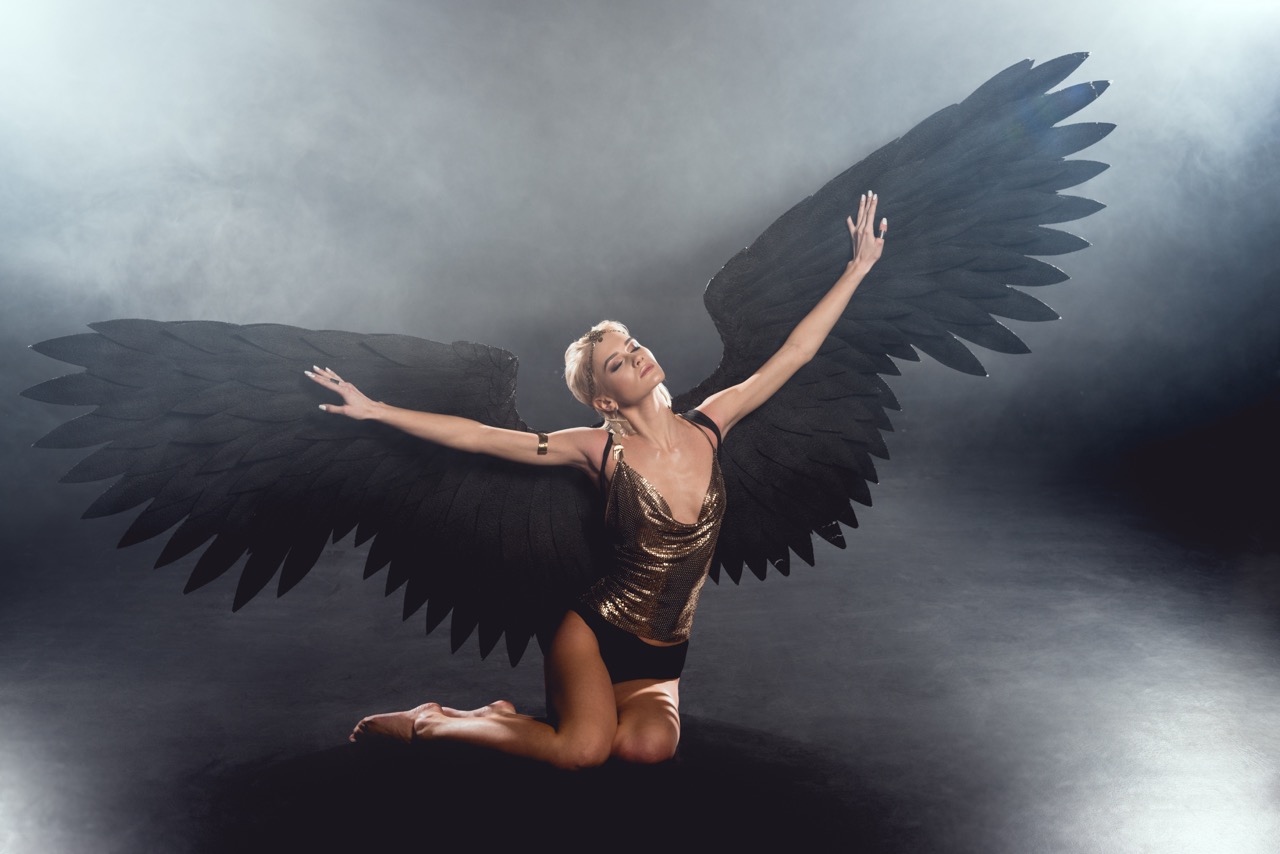
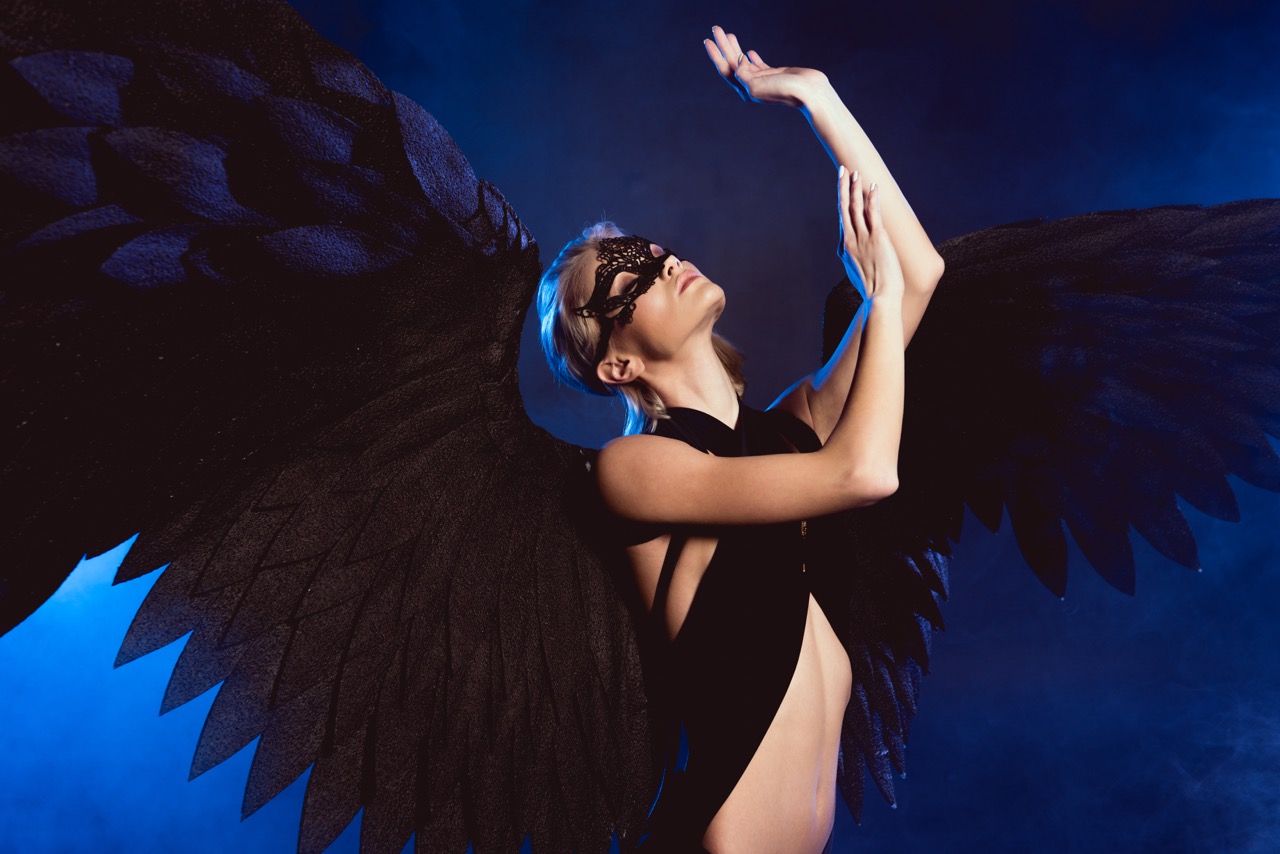
Selecting the right wing style is not merely an aesthetic decision; it is pivotal to the success of your performance. Each wing style not only conveys different visual effects but also affects movement dynamics. For instance, elongated wings can create a sense of grandeur and elegance, perfect for softer, more flowing performances. In contrast, structured wings might lend an air of sharp precision and drama, suited for more dynamic routines. When partnering, consider how these effects enhance the overall theme of your performance.
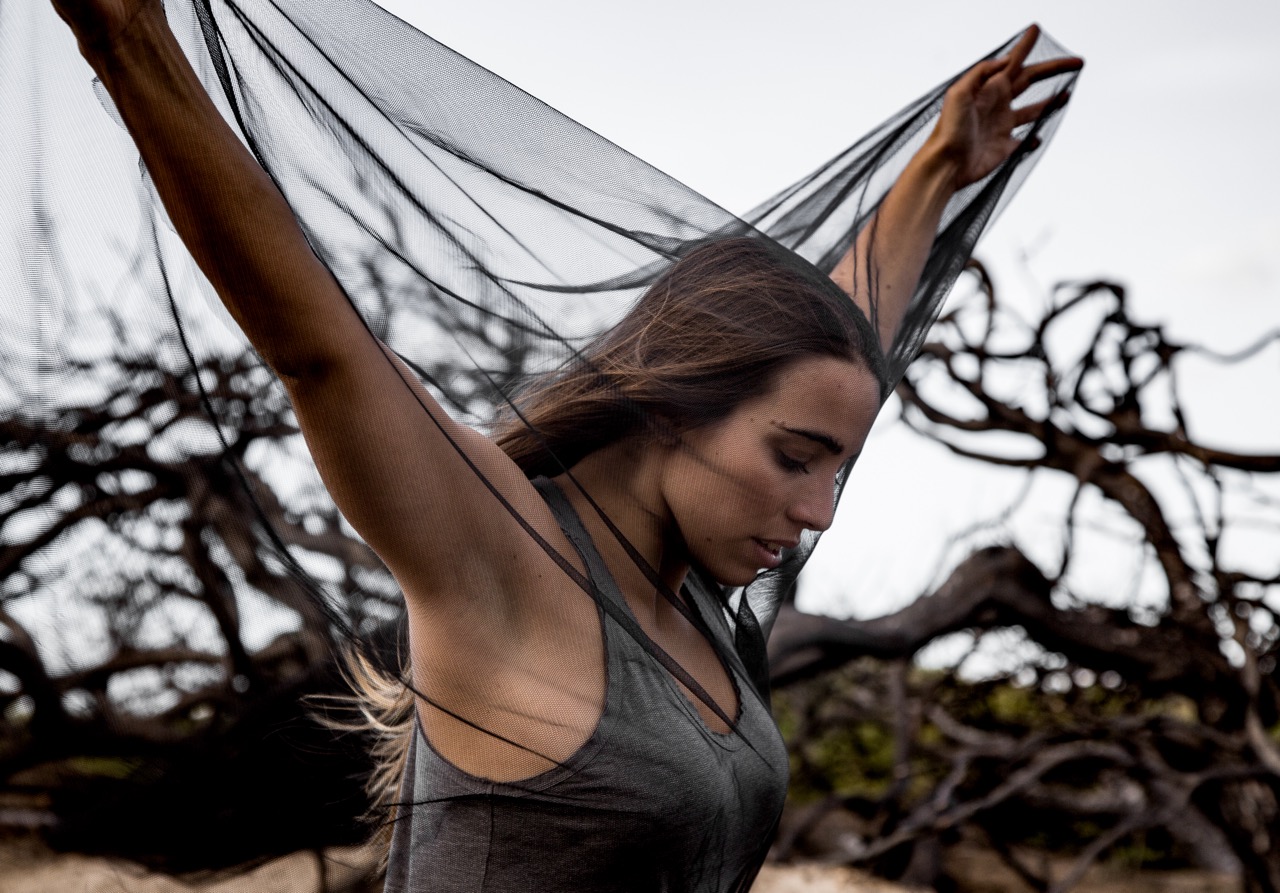
Moreover, the choice of material plays a crucial role in wing performance. Lightweight fabrics allow for fluid movements, enabling both partners to execute intricate choreography with ease, while heavier materials can provide a striking visual impact that can captivate an audience. It’s essential to align your wing style with your performance’s demands, ensuring that both partners can effectively utilize the wings without compromising their movement or individuality.
Lastly, communication between partners is key in selecting the right wing style. Discussing your vision, comfort level, and choreographic intentions can help both performers agree on a wing style that complements their strengths. Collaborating to choose wings that resonate with both parties ensures a unified performance, showcasing not only individual artistry but also the beautiful synergy forged through partnership.
The Art of Synchronization: Harmonizing Wing Techniques
Synchronization in wing styles takes practice, but it is the backbone of a compelling partner performance. Both performers must develop wing techniques that complement each other, ensuring that movements are in sync and fluid. This harmony can create a mesmerizing spectacle that enhances the viewers’ experience, drawing them into the world you’ve created on stage. Practicing together and experimenting with different movements will help you discover how your wing styles can move as one.
To achieve seamless synchronization, consider the rhythm and timing of your choreography. Certain wing styles may require adjustments in speed or tempo to maintain harmony. For example, if one partner is using flowing fabric wings, the other may need to adapt their movements to match that flow, balancing energy and keeping the visual narrative cohesive. Establishing a strong sense of timing and awareness will help performers anticipate each other’s movements, resulting in a captivating display of coordination.
Additionally, practicing in front of a mirror or recording your rehearsals can provide valuable feedback. This allows both partners to identify areas where synchronization falters and make necessary adjustments. By embracing a supportive practice atmosphere, you can refine your wing techniques collectively and ensure that the final performance showcases not just individual skills but the artistry of partnership.
Aesthetic and Functionality: Finding Your Perfect Fit
In the world of performance, aesthetics and functionality must coexist harmoniously. When selecting a wing style, consider how the visual appeal aligns with practical functionality. While flamboyant wings can capture attention, they should not hinder your ability to execute the choreography effectively. Finding the right balance between design and usability is crucial, as an eye-catching wing that restricts movement will ultimately detract from the overall performance quality.
Exploring various wing styles can reveal options that marry aesthetic beauty with practicality. For instance, wings with adjustable elements can provide versatility, allowing performers to modify their look and functionality during the act. This adaptability not only enhances visual variety but also contributes to the seamless flow of performance, ensuring that both partners can express themselves fully without feeling constrained.
Ultimately, the perfect fit is achieved when both partners feel comfortable and confident in their chosen wing styles. Consider personal preferences, physical attributes, and individual comfort levels when selecting wings. When both performers are satisfied with their designs, it will translate into a more cohesive and engaging performance, captivating the audience’s attention and leaving a lasting impression.
Enhancing Connection: Wing Styles That Work for Partners
The right wing style can significantly enhance the emotional and physical connection between partners on stage. Wings can serve as an extension of each performer’s body language, allowing for richer storytelling and deeper connection. For example, wings that are larger or more flowing can create a visual metaphor for shared experiences or emotions, enhancing the narrative of the performance and drawing the audience into the performers’ journey.
Moreover, specific wing styles can facilitate physical interactions between partners. Wings with a soft, flowing design can allow for intimate movements, as they can wrap around or envelop both performers, creating a sense of unity. Conversely, more structured or rigid wings can serve as a barrier, establishing tension or separation that can tell a different story. By choosing wings that align with the desired emotional tone, performers can effectively communicate complex themes through their movements and interactions.
Finally, enhancing connection through wing styles requires mindful collaboration and experimentation. Partners should explore how their wings react to each other during movement, testing various configurations and interactions. This process not only strengthens their bond as performers but also encourages creative exploration, which can lead to more innovative and captivating performances. As you navigate the world of wing styles, remember that the ultimate goal is to create a synergistic experience that resonates with both the audience and the performers.
Choosing the best wing style for performing with a partner is a multifaceted journey that encompasses aesthetics, functionality, synchronization, and emotional connection. By carefully considering each element, performers can elevate their artistry, creating a mesmerizing spectacle that captivates audiences and showcases the unique synergy of partnership. As you explore wing styles, remember that collaboration and open communication are essential elements in this artistic endeavor. So spread your wings, find your perfect fit, and let your performance soar!