
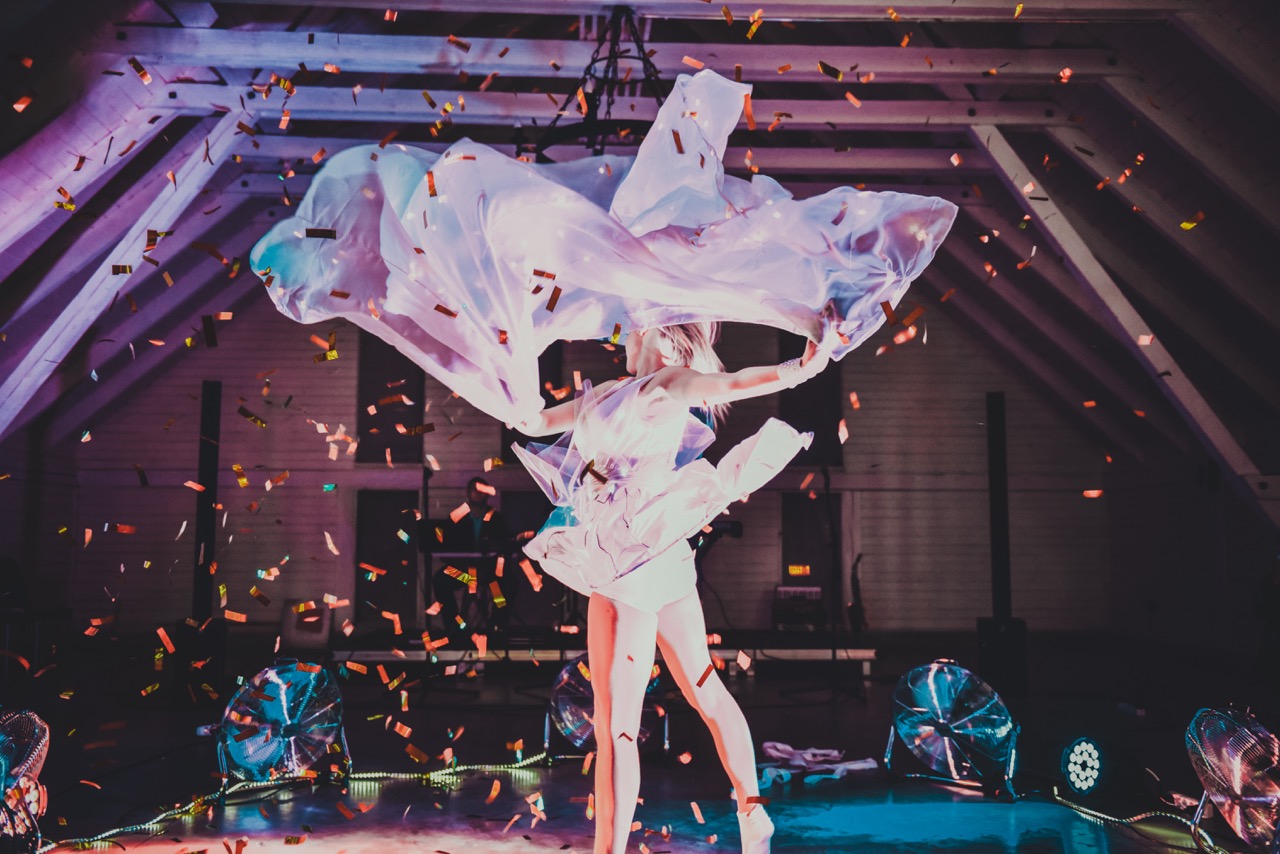
Dance wings are a mesmerizing addition to any performance, transforming a dancer’s movement into a spectacle of color and light. These flowing fabrics not only enhance the aesthetic of a piece but also allow dancers to express emotions in a vibrant, visual manner. Creating the perfect dance wings involves careful consideration of materials, as the choice can greatly affect both performance and presentation. In this article, we will explore the best materials for crafting dance wings, focusing on fabric types, weight and flow, color and texture, and the balance between durability and elegance.
Unveiling the Magic: Choosing Dance Wing Fabrics
When selecting fabrics for dance wings, the options can seem endless, but certain materials stand out for their unique properties. Silk is one of the most popular choices due to its luxurious feel and beautiful drape. The natural sheen of silk catches the light beautifully, adding an ethereal quality to every movement. However, its delicate nature means that it must be handled with care, making it more suitable for performances where the dancer can maintain control over the fabric.
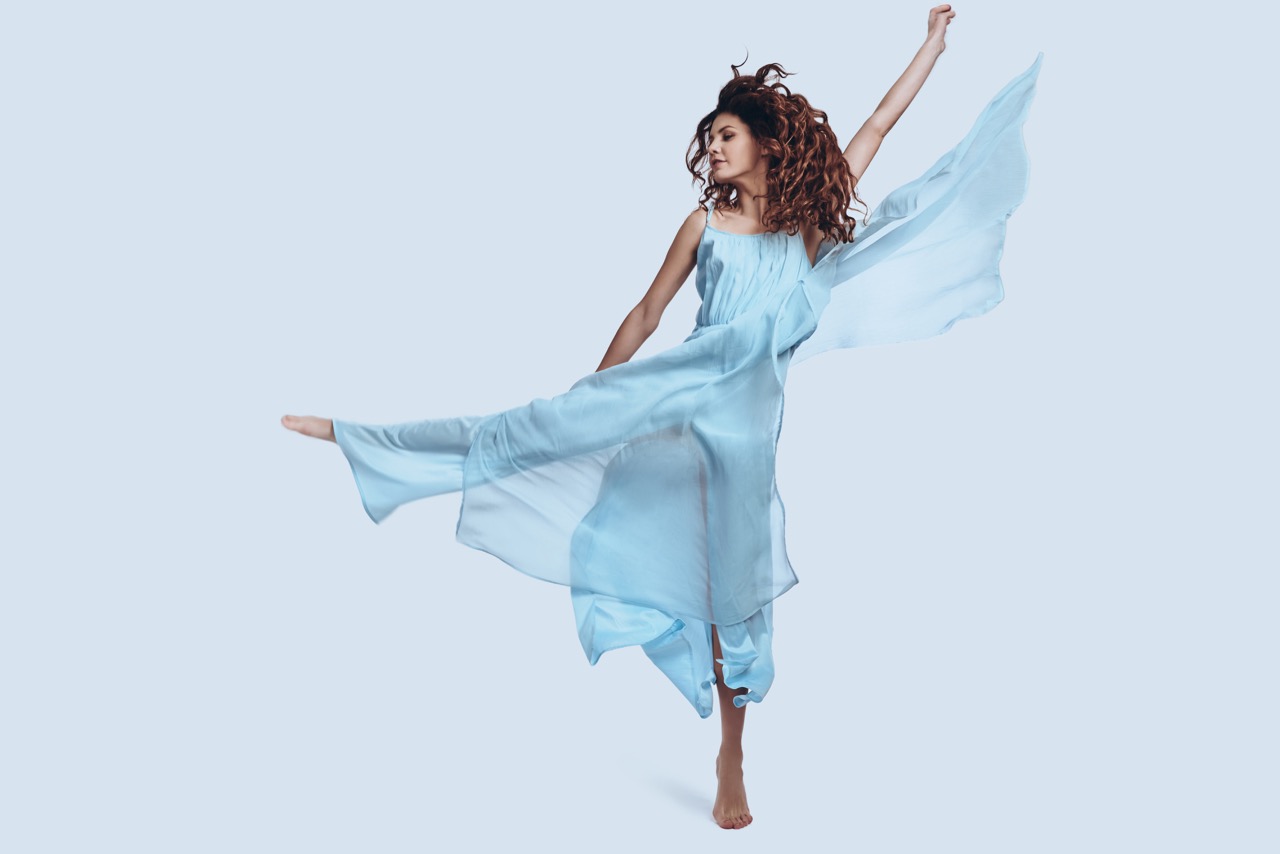
Another excellent fabric option is chiffon, which is lightweight and offers a soft, flowing appearance. Chiffon wings can create stunning visual effects as they billow and ripple with the dancer’s movements. Its affordability and availability in a wide range of colors make chiffon an appealing choice for dancers on a budget. Additionally, the fabric’s transparency allows for layering, enabling dancers to create depth and dimension in their performances.
Lastly, organza is a stiffer fabric that provides structure while still allowing for movement. This material can create distinct shapes and lines, enhancing the visual impact of a performance. Organza’s crispness means it can stand up to more vigorous motions, making it ideal for dynamic dance styles. While it may lack the softness of silk or chiffon, its unique texture and appearance can add an interesting contrast to softer fabrics when layered together.
Weight and Flow: Finding the Perfect Material Balance
The weight of the fabric is a crucial consideration in the creation of dance wings, as it directly influences their flow and movement. Lightweight materials like chiffon and silk are favored for their ability to flutter and catch the air, creating an enchanting effect as the dancer moves. These delicate fabrics are perfect for soft and lyrical dances, allowing for an effortless, flowing aesthetic that captivates audiences.
On the other hand, heavier fabrics like satin or taffeta can add a different dimension to the dance wings. These materials provide a more structured look and can create bold, defined shapes. While they may not billow as lightly as chiffon, their weight can instill a sense of gravity and power in a performance, making them ideal for dramatic pieces. It’s essential to consider the dance style and theme when selecting the weight of the fabric to ensure it complements the choreography.
Another factor to consider is the interaction between the dancer and the fabric. The dancer’s movements should be reflected in the way the wings respond, enhancing the overall performance. Striking the right balance between weight and flow is key; a combination of lightweight and heavier fabrics may offer the best of both worlds, allowing for versatility in movement while still delivering stunning visual effects.
Color and Texture: Enhancing Visual Impact in Dance
Color selection plays a pivotal role in the impact that dance wings have during a performance. Brighter hues can energize a stage, drawing the audience’s eye and conveying emotions with vibrancy. Neon colors or bold patterns can be particularly effective in contemporary dance, where a lively, upbeat atmosphere is desired. Meanwhile, softer colors or pastels might be more suitable for romantic or ethereal performances, creating an inviting and gentle ambiance.
The texture of the fabric also contributes significantly to the visual experience. Combining different textures, such as pairing a smooth satin with a sheer chiffon, can create stunning contrasts that enhance the overall look of the wings. These contrasts not only enrich the visual narrative but also add depth to the performance, allowing the audience to engage more fully with the dancer’s expression. Textures can also influence how light interacts with the fabric, casting intriguing shadows and highlights that enhance the dance’s emotional resonance.
Furthermore, the way colors interact with light can elevate a performance to another level. Fabrics with metallic or iridescent finishes can dazzle under stage lights, creating a captivating spectacle that captures the audience’s imagination. As dancers move, the shifting colors and textures can evoke various emotions, making the choice of fabric integral to storytelling in dance. Ultimately, thoughtful consideration of color and texture will elevate the dance wings from mere accessories to vital components of the performance itself.
Durability Meets Elegance: Long-lasting Dance Wing Solutions
While the visual appeal of dance wings is paramount, durability should not be overlooked. Dancers often perform under rigorous conditions, and the choice of fabric can determine how well the wings withstand the test of time. For regular performers, fabrics like polyester or a cotton blend are excellent options. These materials are not only durable and less prone to tearing but also easy to clean, making them practical for dancers who frequently rehearse or perform.
Additionally, investing in reinforced seams and double stitching can significantly enhance the longevity of dance wings, regardless of the fabric chosen. These techniques prevent fraying and ensure that the wings can endure the rigors of performance. A well-constructed pair of wings can withstand repeated use, ensuring that dancers can rely on their equipment without fear of unexpected wardrobe malfunctions during a critical moment.
Moreover, the intersection of durability and elegance can be beautifully achieved with high-quality synthetic fabrics. Modern technology has produced materials that mimic the aesthetics of silk and chiffon while offering enhanced strength and resilience. These innovative options provide a perfect blend of style and functionality, enabling dancers to shine on stage without compromising the performance’s integrity. Ultimately, a well-crafted pair of dance wings should embody both beauty and practicality, ensuring they remain a cherished part of a dancer’s repertoire for years to come.
In the world of dance, every detail contributes to the overall experience, and the choice of materials for dance wings is no exception. From the fabrics that flutter gracefully in the air to the careful consideration of weight, color, and durability, each element plays a crucial role in crafting a memorable performance. By understanding the various options available, dancers can select the perfect materials that not only enhance their artistic expression but also stand the test of time. As you embark on your journey to create or choose your dance wings, remember that the right materials can transform the ordinary into the extraordinary, captivating audiences and leaving a lasting impression.