




Dance is a powerful form of expression that combines physicality, creativity, and emotion. For young dancers, exploring various styles can ignite a passion for movement and rhythm. Among the most captivating genres are dance wing styles, which not only elevate performances but also provide a unique aesthetic appeal. This article dives into the enchanting world of wing dance styles, spotlighting the most exciting options for young talents, the myriad benefits these styles offer, and tips for mastering them.
Discovering the Magic of Dance Wing Styles for Youth
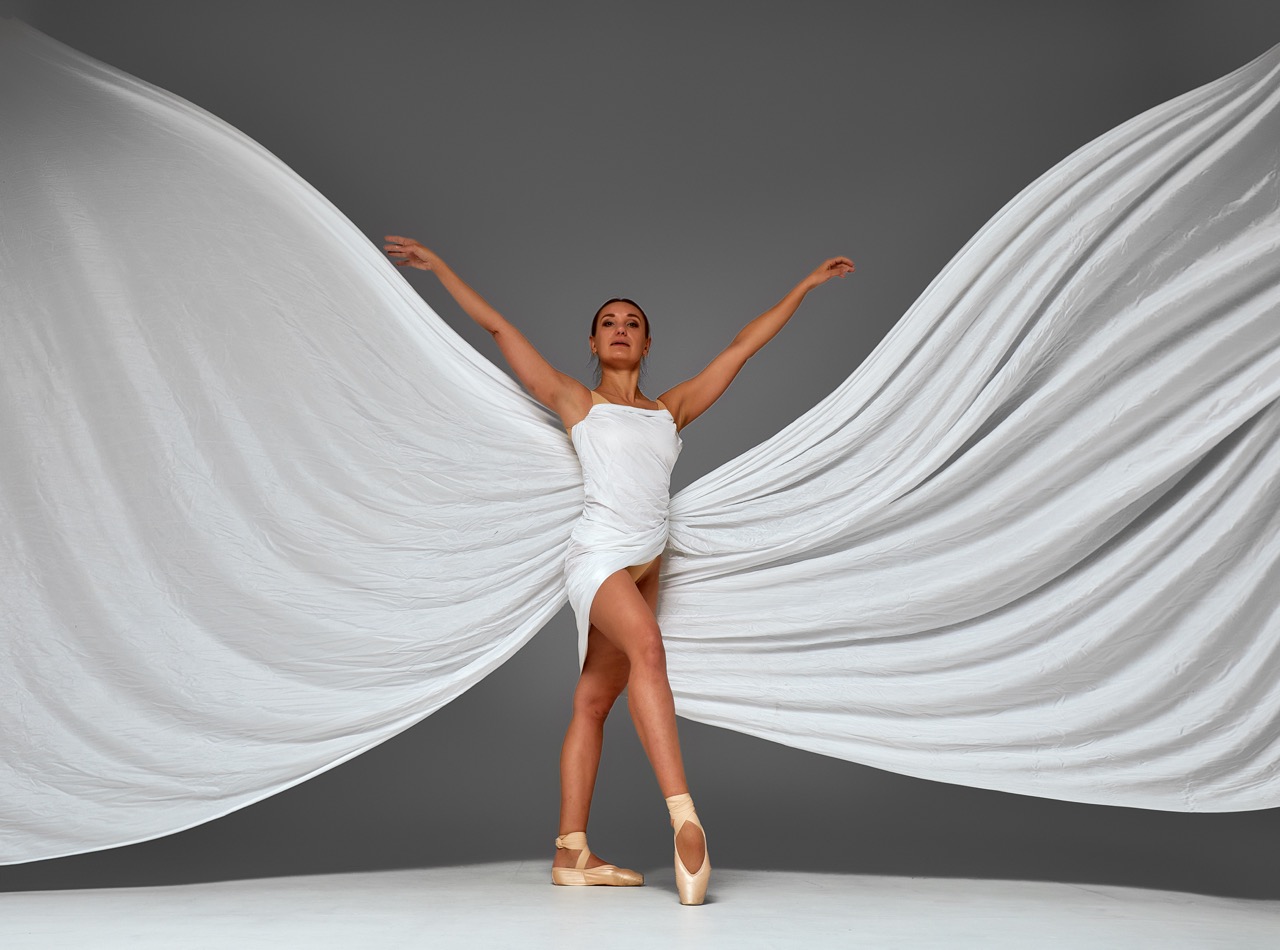
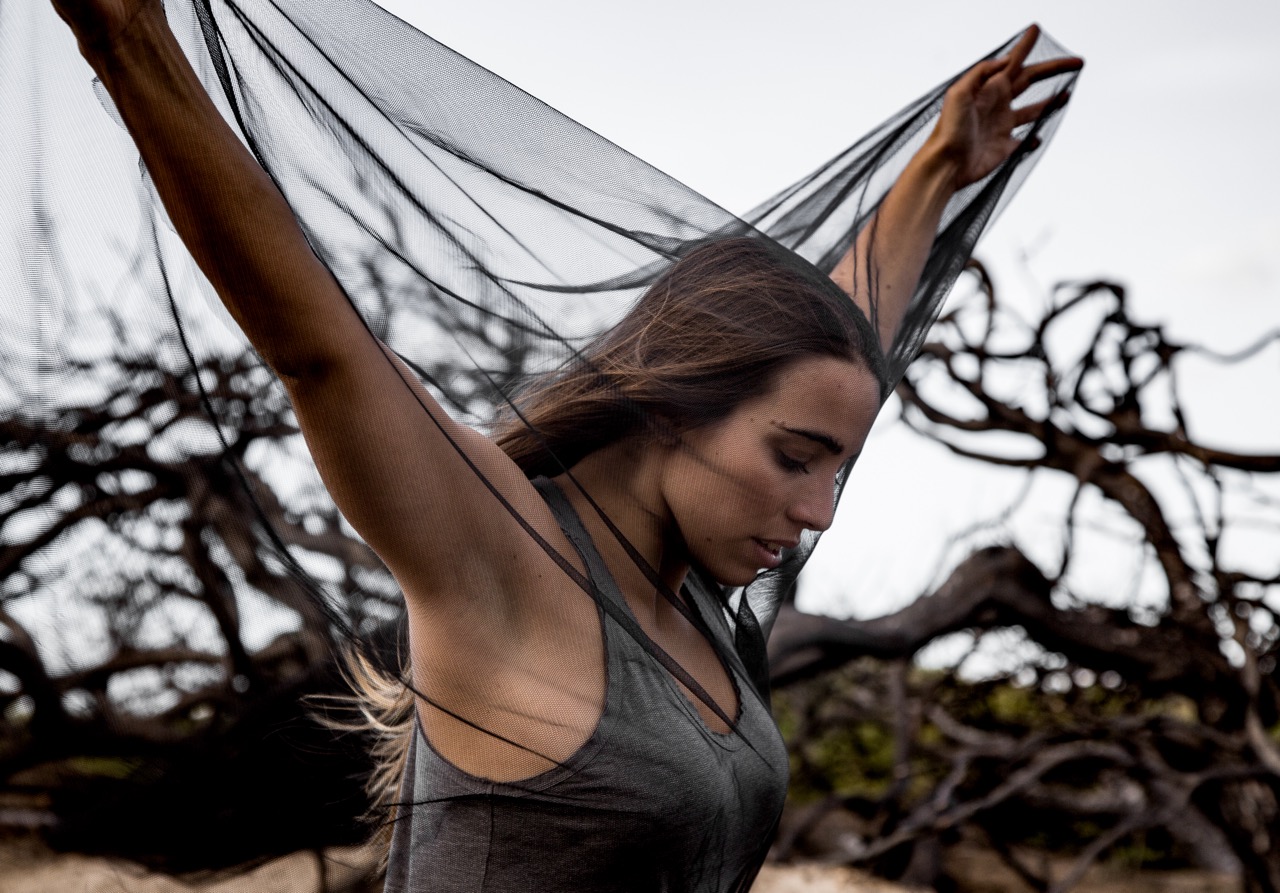
Dance wing styles are characterized by their fluid movements and dramatic use of space, often resembling the graceful flutter of wings. These styles draw inspiration from various cultures and genres, including ballet, contemporary, and traditional folk dances. For young dancers, discovering the magic of wing styles can be a transformative experience, allowing them to express their creativity while developing essential skills. The visual impact of wing movements can captivate audiences, drawing them into the performance’s emotional core.
The beauty of dance wing styles lies in their versatility. Young dancers can experiment with different interpretations, incorporating elements from their personal experiences and cultural backgrounds. This adaptability encourages self-expression and helps dancers carve out their unique artistic voices. Additionally, wing styles often emphasize storytelling through movement, allowing young performers to connect with their audience on a deeper level. This connection is crucial for building confidence and stage presence.
Furthermore, dance wing styles provide an opportunity for young dancers to explore rhythm and musicality. The sweeping, expansive movements associated with these styles require a keen sense of timing and synchronization with music. By engaging with a range of musical genres, young dancers can enhance their understanding of rhythm and develop a strong sense of musicality—skills that will serve them well in any dance form they pursue.
Top Picks: Exciting Dance Wing Styles for Young Talent
When it comes to dance wing styles, several standout genres are particularly well-suited for young dancers. One of the top picks is Ballet, often regarded as the foundation of many dance forms. The grace and poise inherent in ballet, combined with its focus on technique, make it an excellent choice for young performers to develop strong fundamentals. Ballet’s various styles, from classical to contemporary, allow for a wide range of expression and creativity.
Another exciting wing style is Contemporary Dance, which embraces freedom and individuality. This genre often incorporates elements from various dance forms, allowing young dancers to blend techniques and create unique movements. With contemporary dance, young performers can experiment with dynamics, using their bodies to convey different emotions and narratives. This style encourages improvisation and personal interpretation, making it an appealing option for dancers eager to explore their creativity.
Lastly, Hula Dance offers a beautiful cultural perspective on wing styles. Rooted in Hawaiian tradition, hula dance emphasizes fluid movements and storytelling through gesture. For young dancers, learning hula not only introduces them to a vibrant cultural heritage but also enhances their ability to express emotions through movement. The incorporation of hands and arms as "wings" makes hula a visually stunning choice, perfect for those looking to engage audiences with captivating performances.
Benefits of Dance Wing Styles for Aspiring Young Dancers
Engaging in dance wing styles offers numerous benefits for young dancers, both physically and mentally. One significant advantage is the improvement of physical fitness. Wing dance styles often involve expansive movements that require strength, flexibility, and coordination. By practicing these styles, young dancers can build their overall physical health, enhance their posture, and improve their muscle tone. This physical foundation is crucial for their long-term success in dance and other physical activities.
Moreover, dance wing styles foster creativity and self-expression. As young dancers explore different movements and styles, they learn to express their thoughts and feelings through their bodies. This form of artistic expression can be particularly beneficial during adolescence, a time when many young individuals grapple with identity and self-discovery. The freedom to explore dance allows them to find their voices and gain confidence, empowering them both on and off the stage.
Finally, participating in dance wing styles helps cultivate essential life skills such as discipline, teamwork, and perseverance. Learning choreography, rehearsing, and performing require dedication and commitment. Young dancers must collaborate with their peers, learning to support one another and work towards a common goal. These experiences teach invaluable lessons in resilience and collaboration, shaping young dancers into well-rounded individuals who are prepared for the challenges of life beyond the dance studio.
Elevate Your Skills: Tips for Mastering Wing Dance Styles
To truly master dance wing styles, young dancers should prioritize consistent practice. Regular training helps to refine technique, enhance musicality, and develop a deeper understanding of movement dynamics. Setting aside dedicated time for practice not only builds muscle memory but also allows dancers to explore their creativity and experiment with new ideas. Utilizing a mirror during practice can provide valuable feedback, enabling dancers to observe their movements and make necessary adjustments.
In addition to practice, seeking out a diverse range of instructional resources can be beneficial. Young dancers should consider attending workshops, dance camps, or online classes that specialize in wing dance styles. Learning from various instructors can introduce new techniques, perspectives, and styles that enrich their understanding of dance. Incorporating feedback from experienced dancers and choreographers can also help young performers identify areas for improvement and enhance their skills.
Lastly, cultivating a positive mindset is essential for growth in dance. Young dancers should focus not only on their goals but also on the joy of movement and expression. Embracing mistakes as part of the learning process allows for greater exploration and creativity. Building a supportive dance community can further enhance this experience, instilling a sense of camaraderie that encourages dancers to uplift one another. With dedication, practice, and a positive outlook, young dancers can truly elevate their skills in wing dance styles.
Dance wing styles offer an inspiring and expressive pathway for young dancers to explore the art of movement. With a diverse range of styles to choose from, the benefits of engaging with these genres extend beyond the dance floor, fostering creativity, fitness, and important life skills. By committing to practice, seeking diverse learning opportunities, and maintaining a positive mindset, aspiring dancers can unlock their full potential. As they embrace the magic of dance wing styles, young dancers have the opportunity to soar, both artistically and personally.