
Dance has always been a powerful medium for expression, storytelling, and connection. Among the myriad styles that dancers can adopt, wing styles stand out as a captivating way to enhance performances. These styles can elevate both the aesthetic and emotional impact of a dance, making them a vital consideration for any performer looking to engage their audience. In this article, we will explore the art of dance wing styles, highlight the top wing styles for stage performances, discuss techniques for captivating audiences, and provide guidance on choosing the right wing style for your dance.
Unleashing Expression: The Art of Dance Wing Styles
Dance wing styles draw inspiration from the elegance of wings, whether they are those of birds, butterflies, or mythical creatures. This unique approach allows dancers to embody freedom, grace, and fluidity as they move across the stage. The incorporation of wing movement amplifies the emotional narrative being conveyed, enabling performers to express a spectrum of feelings—from joy and love to sorrow and longing. By engaging the visual metaphor of wings, dancers can evoke a deeper connection with their audience, transforming a routine into an evocative storytelling experience.
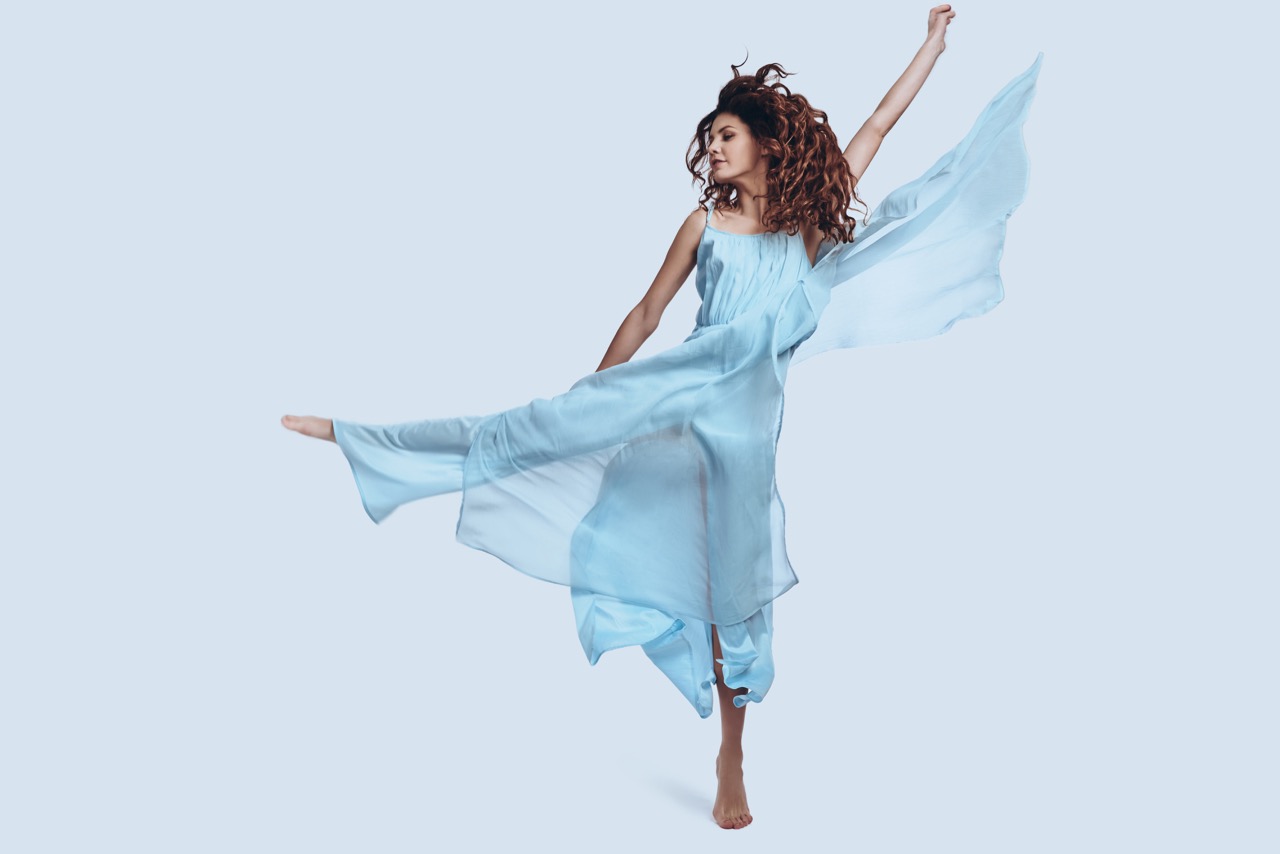
Moreover, dance wing styles are not limited to the movements of the body; they also invite the use of props such as fabric wings or even body paint that mimics feathers. This adds layers of visual intrigue to a performance. Dancers can experiment with various materials—lightweight silks for ethereal effects or heavier fabrics for dramatic weightiness—to create a unique presence on stage. This versatility allows the artist to customize their performance to suit the theme or narrative they wish to convey, making each dance a personal masterpiece.
The beauty of wing styles in dance lies in their ability to transcend traditional boundaries. Dancers can blend different genres—ballet’s poise, contemporary’s fluidity, or even hip-hop’s energy—while incorporating wing movements that resonate with their style. This multicultural amalgamation can enrich the dance repertoire, offering audiences a delightful variety of performances that intrigue and inspire. As artists explore these styles, they not only push their own creative limits but also contribute to the evolution of dance as an art form.
Elevating Stage Presence: Top Wing Styles to Consider
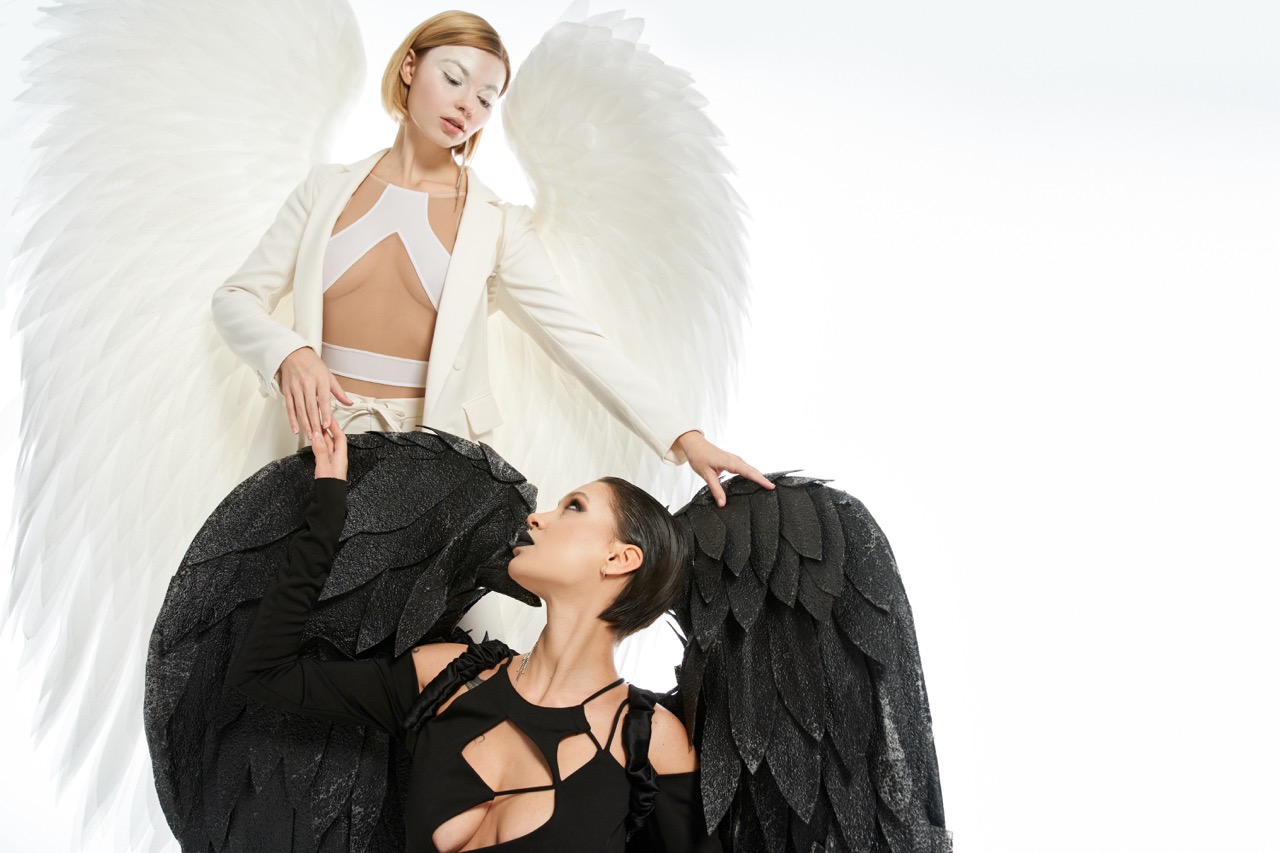
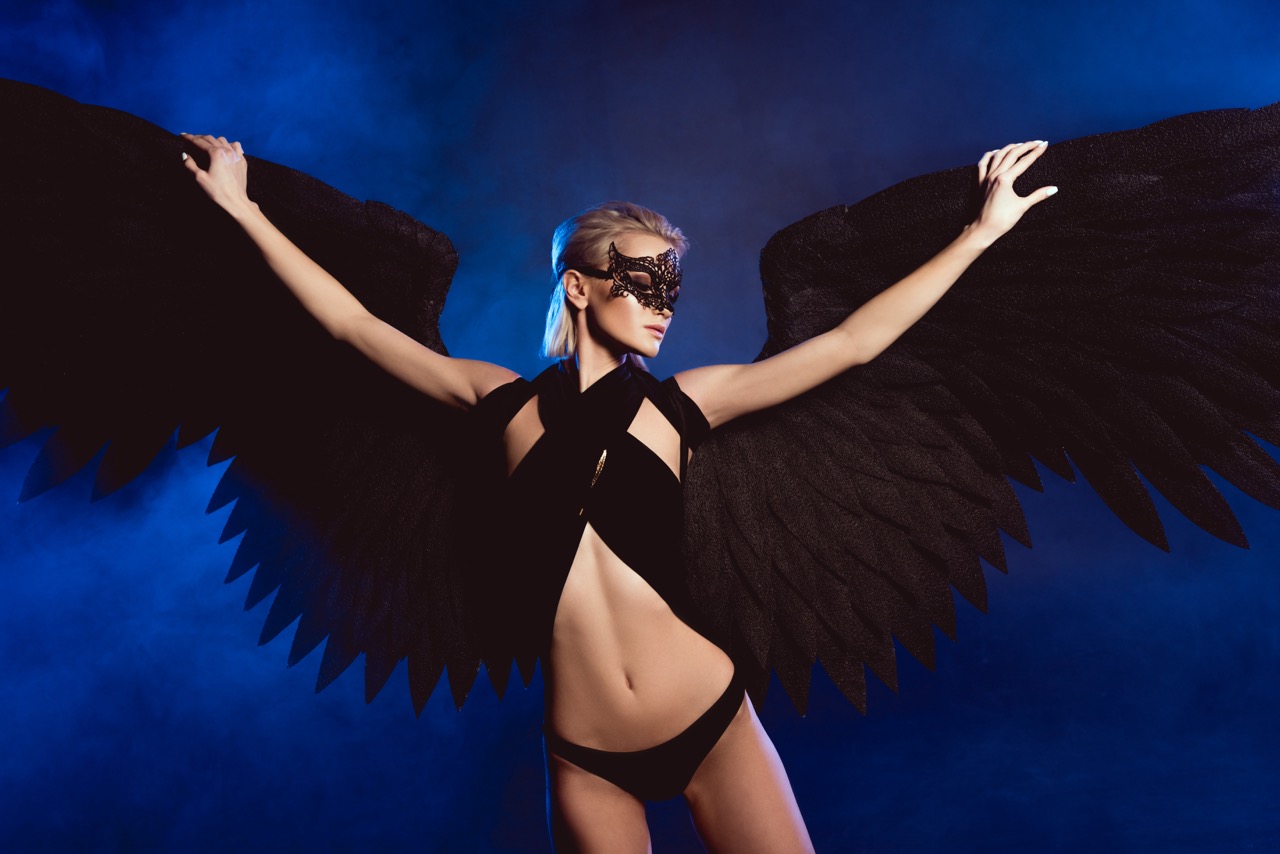
When considering the best wing styles for stage performances, two prominent styles emerge: the dramatic “angel” wings and the delicate “butterfly” wings. Angel wings, often characterized by their size and grandeur, can transform a dancer into a celestial being, invoking themes of light and spirituality. This style is particularly effective in contemporary performances where storytelling is essential. The sheer presence of large wings allows for striking visuals, making movements appear more impactful and enhancing the emotional gravity of the piece.
On the other hand, butterfly wings embody transformation, grace, and fragility. Dancers using this style can effortlessly convey themes of metamorphosis and renewal. The lightness of butterfly wings encourages fluid, gentle movements that create a sense of whimsy and playfulness. This style is especially suited for performances that focus on nature or themes of personal growth. The delicate fluttering of the wings complements soft choreography, allowing the dancer to explore intricate patterns that mesmerize audiences.
Another notable wing style is inspired by the mythical phoenix, where performers utilize fiery colors and bold movements to symbolize rebirth and resilience. This style encourages powerful, dynamic choreography that can inspire awe among spectators. The combination of bright colors and dramatic movements can effectively convey a range of emotions, from struggle to triumph. Ultimately, the choice of wing style should align with the dancer’s intent and the narrative they wish to portray, allowing for a powerful stage presence that resonates with viewers.
Captivating Audiences: Techniques for Impactful Performance
To ensure a performance captivates its audience, the integration of wing styles must be executed with intention and precision. One key technique is to synchronize wing movements with the body’s rhythm, creating a harmonious flow that enhances the overall aesthetic. This requires practice and mindfulness, as the dancer must be aware of how their wings move in relation to their core movements. By aligning the timing of wing flares with key beats or emotional peaks in the music, a dancer can create gripping moments that leave the audience breathless.
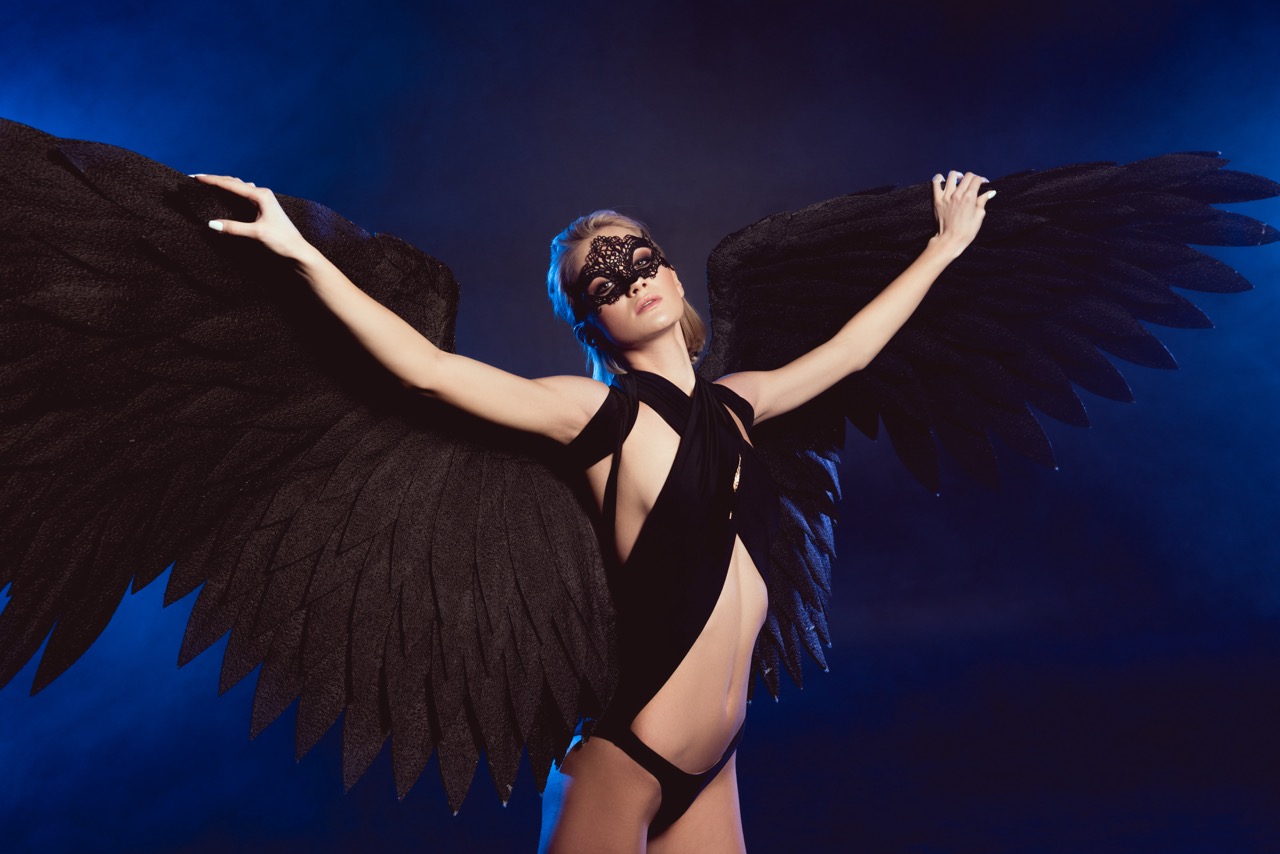
In addition, lighting plays a significant role in amplifying the impact of wing styles on stage. Properly designed lighting can accentuate the contours and colors of the wings, transforming the visual experience. Dancers should collaborate with lighting designers to experiment with different effects, such as backlighting or spotlighting, to highlight their movements dynamically. This interplay between movement and light adds an additional layer of depth to the performance, enhancing the dramatic effect of the wings and evoking stronger emotional responses from the audience.
Finally, storytelling should be at the forefront of any dance performance featuring wing styles. Dancers are encouraged to convey a narrative that resonates with viewers, allowing them to connect emotionally with the performance. This could mean incorporating facial expressions and body language that reflect the story being told, ensuring that the wings are not merely decorative but integral to the dance. When a dancer embodies their character fully, utilizing their wings as an extension of their expression, audiences are more likely to be drawn into the journey being shared.
Choosing the Right Wing Style: A Guide for Dancers
Selecting the right wing style for a dance performance is crucial for creating an impactful experience. Dancers should first consider the theme and emotional tone of their piece. If the narrative centers on themes of liberation or spirituality, larger angel wings might be more appropriate, while more intimate themes could benefit from the subtlety of butterfly wings. Reflecting on the core message of the performance is essential in making this choice, as it will guide the dancer in conveying their intent.
Next, dancers should assess their skill level and comfort with various wing styles. Some wing styles require extensive training and practice to master, particularly those that entail precise coordination and strength. It’s important for performers to choose wings that complement their existing skills, allowing them to focus on delivering a compelling performance rather than struggling with technique. Experimenting with different styles in rehearsal can help dancers discover which wings feel most natural to them and best enhance their expression.
Finally, dancers should consider the practical aspects of performing with wings. This includes the logistics of costume changes, the weight of the wings, and how they impact mobility on stage. A dancer must ensure that their chosen wing style allows for freedom of movement while still achieving the desired visual impact. Consulting with costume designers and choreographers can provide valuable insights into how to balance aesthetics with functionality, ensuring that the dancer can perform their best while showcasing the stunning beauty of their wing style.
Incorporating wing styles into dance performances can significantly enrich the experience for both the dancer and the audience. By understanding the artistic potential, elevating stage presence, employing captivating techniques, and choosing the right style, dancers can create unforgettable performances that resonate long after the final curtain falls. As the world of dance continues to evolve, wing styles remain a fascinating frontier, inviting performers to explore the limitless possibilities of expression and storytelling. Embrace the wings of creativity, and let your dance take flight!