



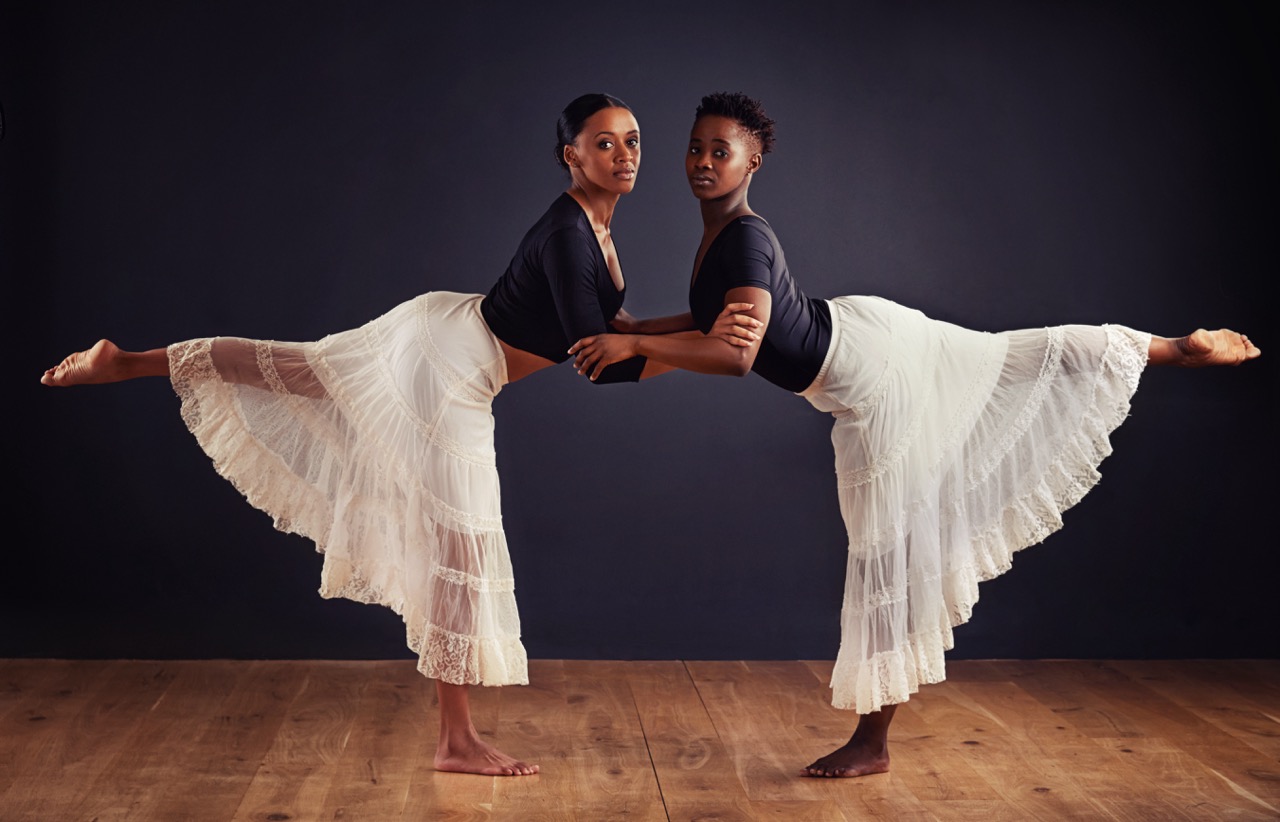
Dance has always been a medium of expression, a language that transcends barriers and speaks to the soul. As technology evolves, so does the world of dance, inviting new methods of interaction and creativity. The integration of motion sensors into dance wings represents a groundbreaking fusion of art and technology, creating opportunities for innovative performances that captivate and engage audiences like never before. This article explores how motion sensors can be seamlessly incorporated into dance wings, transforming the art form and enhancing the overall performance experience.
Transforming Dance: The Fusion of Art and Technology
The realm of dance has witnessed immense changes, especially with the advent of digital technology. Traditional dance forms are now blending with modern innovations, resulting in performances that are not only visually stunning but also technologically sophisticated. Dance wings, which have historically been used to create dramatic effects, can now be enhanced with the addition of motion sensors. These sensors provide real-time feedback, allowing choreographers to create dynamic pieces that respond to the performer’s movements.
By integrating technology into dance wings, artists can explore new dimensions of storytelling. Each movement can trigger sound, light, or visual effects, making it possible to craft immersive experiences that are as much about the visuals as they are about the choreography. This fusion creates a dialogue between the dancer and the technology, allowing for a transformative performance space where the boundaries of traditional dance are pushed and redefined.
Audiences are increasingly drawn to performances that engage their senses, and the use of technology plays a pivotal role in achieving this. The integration of motion sensors into dance wings not only enhances the visual spectacle but also allows for a deeper connection between the performer and the audience. As the dance becomes a living, breathing art form, spectators are invited to witness a narrative that unfolds in real-time, making each performance unique and captivating.
The Magic of Motion: Sensors Elevate Dance Wing Dynamics
At the heart of this innovative approach lies the magic of motion sensors. These devices, capable of detecting movement, orientation, and even environmental factors, can be programmed to react in extraordinary ways. Imagine a dancer moving gracefully across the stage, their wings expanding and contracting in response to their every gesture. With motion sensors embedded in the fabric of the wings, each flutter can generate soundscapes or visual projections that enhance the narrative of the performance.
The dynamics of dance are inherently about movement and expression, and motion sensors amplify this by introducing an element of interactivity. Dancers can manipulate their environment, creating an engaging performance that resonates with the audience. For example, a dancer might trigger a cascade of lights with a dramatic turn, enveloping the stage in a visual narrative that complements the choreography. This seamless interplay between dancer and technology invites spectators to immerse themselves in the experience, making them feel as though they are part of the performance.
Moreover, the adaptability of motion sensors allows for a range of artistic experimentation. Choreographers can design pieces in which the technology evolves with the dancer’s skill level, creating a responsive stage where the art is as fluid as the movement itself. This not only enables dancers to explore their capabilities but also offers audiences a fresh perspective on the dance form, showcasing the potential for innovation within tradition.
Interactive Performance: Engaging Audiences through Innovation
As audiences increasingly seek immersive experiences, interactive performances have become a vital aspect of modern stagecraft. The incorporation of motion sensors into dance wings offers a unique opportunity for audience engagement, transforming the way spectators interact with the art form. With technology at play, performance becomes a shared experience, inviting viewers to connect not only with the dancers but also with the story being told.
Imagine a performance where audience movements influence the dance itself. Through motion sensors, dancers can respond to shifts in the crowd, adjusting their choreography based on the energy and reactions of those watching. This level of interactivity blurs the line between performer and spectator, fostering a sense of community and shared experience that elevates the overall impact of the performance. The audience becomes participants, contributing to the narrative in real-time, making every performance a unique tapestry of movement and emotion.
Furthermore, this interactive element encourages a dialogue about the relationship between art and technology. It challenges both performers and audiences to consider how innovation can enhance traditional practices, ultimately leading to a richer understanding of the art form. By embracing this new paradigm, artists can unlock new avenues for creativity while audiences become active participants in the unfolding narrative, creating lasting memories that extend beyond the stage.
Future of Dance: Enhancing Creativity with Smart Technology
The future of dance is undoubtedly intertwined with advancements in smart technology. As artists continue to explore the capabilities of motion sensors, we can anticipate a new wave of creativity that harnesses these tools for innovative expression. By integrating smart technology into choreography, performers can break free from conventional limits, crafting experiences that are as much about the audience as they are about the art itself.
This evolution opens up exciting possibilities for collaboration among artists, technologists, and designers. Interdisciplinary partnerships can lead to groundbreaking performances that challenge traditional boundaries and redefine what dance can achieve. Imagine a world where dance is not only a visual spectacle but also a sensory experience that engages sight, sound, and even touch, thanks to advancements in haptic feedback technology and augmented reality.
As we look to the future, one thing is clear: the integration of motion sensors into dance wings is just the beginning. This innovative approach not only enhances the artistic landscape but also redefines the possibilities of performance. As dancers embrace these technologies, we can expect to witness a new era of creativity in dance, one that invites collaboration, interaction, and a deeper connection with audiences around the world.
The integration of motion sensors into dance wings marks a significant milestone in the evolution of performance art. By merging technology with creativity, dancers can explore new dimensions of storytelling that engage audiences on multiple levels. This innovative approach not only enriches the performance experience but also fosters a sense of community, inviting spectators to participate in the narrative. As we embrace the future of dance, the possibilities are limitless. With every movement, we step closer to a world where art and technology collaborate to create transformative experiences that resonate deeply within us all.