Throughout history, the world of dance has been a canvas for creativity, expression, and innovation. Among the many visual elements that have captivated audiences, winged costumes stand out as a symbol of freedom, transformation, and otherworldliness. From the grace of ballet to the dynamism of contemporary dance, these costumes have adorned legendary performers, enhancing their artistry and the narratives they convey. This exploration dives into the allure of wings in dance, the enchanting performances of those who wore them, iconic costumes that made history, and the profound significance of this motif through time.
The Allure of Wings: A Dance Tradition Through Time
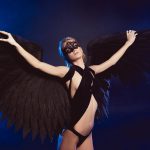
Wings have long been a powerful metaphor in various cultures, representing freedom, transcendence, and the connection between the earthly and the divine. In dance, they serve as more than mere adornments; they symbolize the aspirations of humanity to rise above, glide effortlessly, and escape the mundane. The visual impact of wings adds a layer of magic to performances, allowing dancers to embody mythic creatures, celestial beings, or even symbolic representations of emotions and ideals.
Historically, the imagery of wings can be traced back to ancient civilizations. In rituals and performances, dancers donned feathered garments to invoke the celestial and the divine. Egyptian dancers, for example, often wore wing-like costumes in performances that honored their deities, while in Greek mythology, the story of Daedalus and Icarus is a poignant reminder of the human desire to soar. The timeless appeal of wings in dance echoes this narrative, inviting audiences to witness not just the physical, but the spiritual journey of the dancer.
As dance evolved, so did the use of winged costumes. The romantic period of ballet saw the introduction of elaborate winged designs, enhancing the ethereal quality of performances. The ballet "La Sylphide," which debuted in the early 19th century, features sylphs—spirit-like figures with delicate wings—symbolizing the interplay between fantasy and reality. Today, the allure of wings continues to inspire choreographers and costume designers, marking a rich tradition that seamlessly blends the magic of movement with the poetry of visual art.
Enchanting Performances: Dancers Who Took Flight
One of the most iconic dancers known for wearing winged costumes is Martha Graham. Her revolutionary approach to modern dance often involved striking imagery and powerful narratives, epitomized in pieces such as "Appalachian Spring." Though not literal wings, the expansive movements of her dancers often evoked the sensation of flight, emphasizing the human spirit’s capacity to rise above challenges. Graham’s work paved the way for future generations to explore the emotional depth and transformative power found in movement.
Another standout is the legendary ballet dancer Anna Pavlova, whose interpretation of "The Dying Swan" remains etched in the annals of dance history. Clad in a feathered costume that suggested the delicate beauty of a swan, Pavlova’s performance transcended the physical act of dancing. Her wings, though symbolic, converged with her intense emotional expression, creating a mesmerizing aura that resonated with audiences worldwide. This melding of artistry and costume cemented her status as a cultural icon, illustrating how wings can elevate a dance performance to new heights.
In contemporary dance, choreographers like Philippe Decouflé have embraced winged costumes to push the boundaries of storytelling. In his piece "Iris," dancers don elaborate wing-like attire that transforms them into fantastical creatures, captivating audiences with a visual feast that blends dance, acrobatics, and theater. These performances showcase not only technical skill but also the enchanting possibilities that arise when wings are woven into the fabric of dance, inviting viewers into a world where imagination takes flight.
Spotlight on Legends: Iconic Winged Costumes in Dance
The ballet world has seen numerous iconic winged costumes, but few have captured the imagination like the costumes created for "The Firebird." The original production by Igor Stravinsky, choreographed by Michel Fokine, featured stunning designs by Léon Bakst that included elaborate feathered wings. The vibrant colors and intricate patterns of the costumes not only highlighted the character’s magical qualities but also influenced the subsequent evolution of costume design in ballet, creating a legacy that is still celebrated today.
In modern dance, the costumes worn by the legendary troupe Pilobolus often incorporate themes of transformation and flight. Known for their innovative use of the human body, their performances frequently feature wing-like costumes that challenge perceptions of movement and gravity. The dancers, appearing as a cohesive unit, create the illusion of a singular, winged creature that transcends individual identity. This unique approach to winged costumes underscores the power of collaboration and the collective strength of dancers as they embody fantastical elements.
Another example can be seen in Cirque du Soleil productions, where winged costumes are ingeniously integrated into aerial performances. The fusion of acrobatics and dance, coupled with costumes that evoke the image of soaring birds or mythical creatures, creates a mesmerizing experience for audiences. Performers like those in "O" and "Kà" artfully blend movement with elaborate wing designs, showcasing the versatility of wings in storytelling and the breathtaking possibilities they bring to the stage.
The Art of Transformation: Wings in Dance History
The use of wings in dance serves as a powerful tool for transformation, both for the performer and the audience. Dancers often embody the essence of the creatures or ideals they portray, allowing them to transcend their physical forms and explore new identities. This transformative aspect of wings has been integral in various dance forms, from classical ballet to modern interpretations, allowing artists to push beyond the limitations of their bodies and create a deeper connection with their audience.
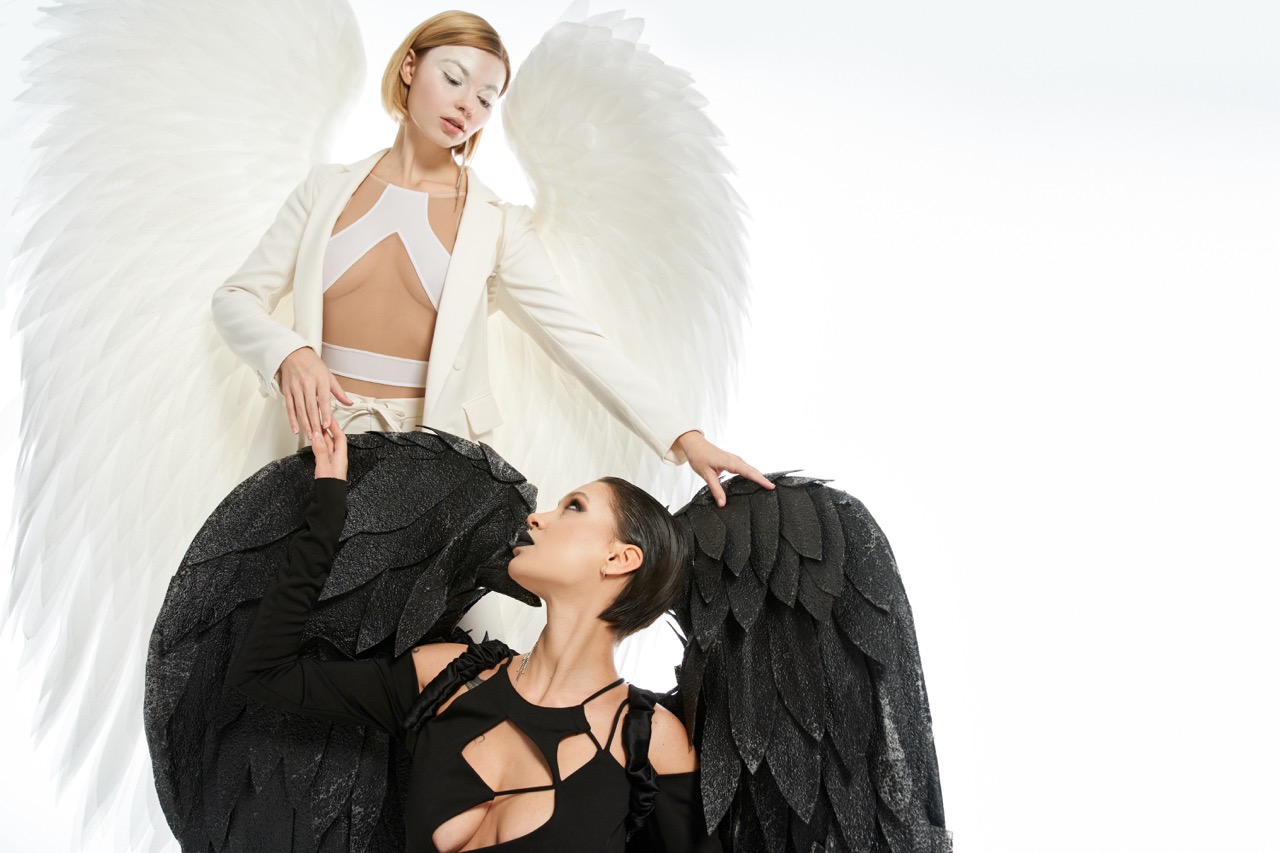
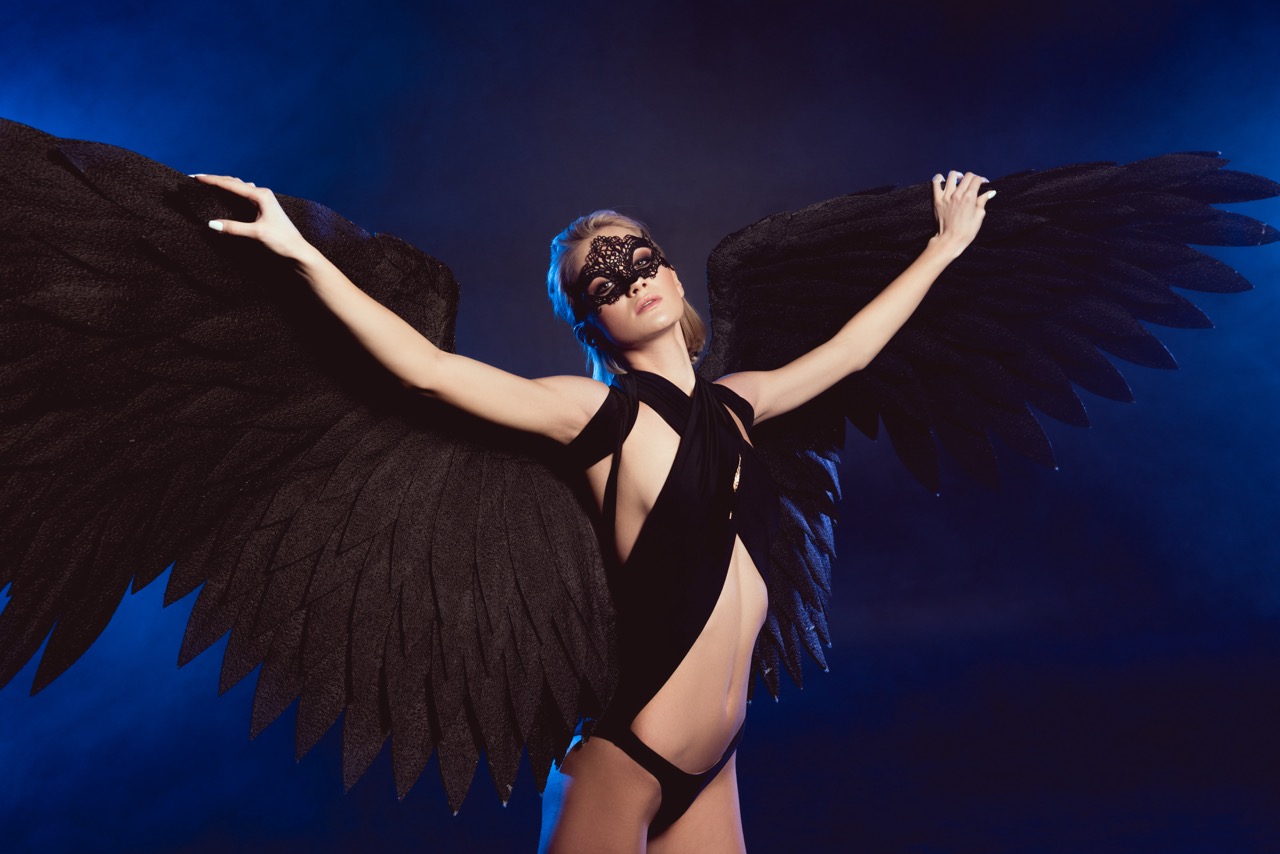
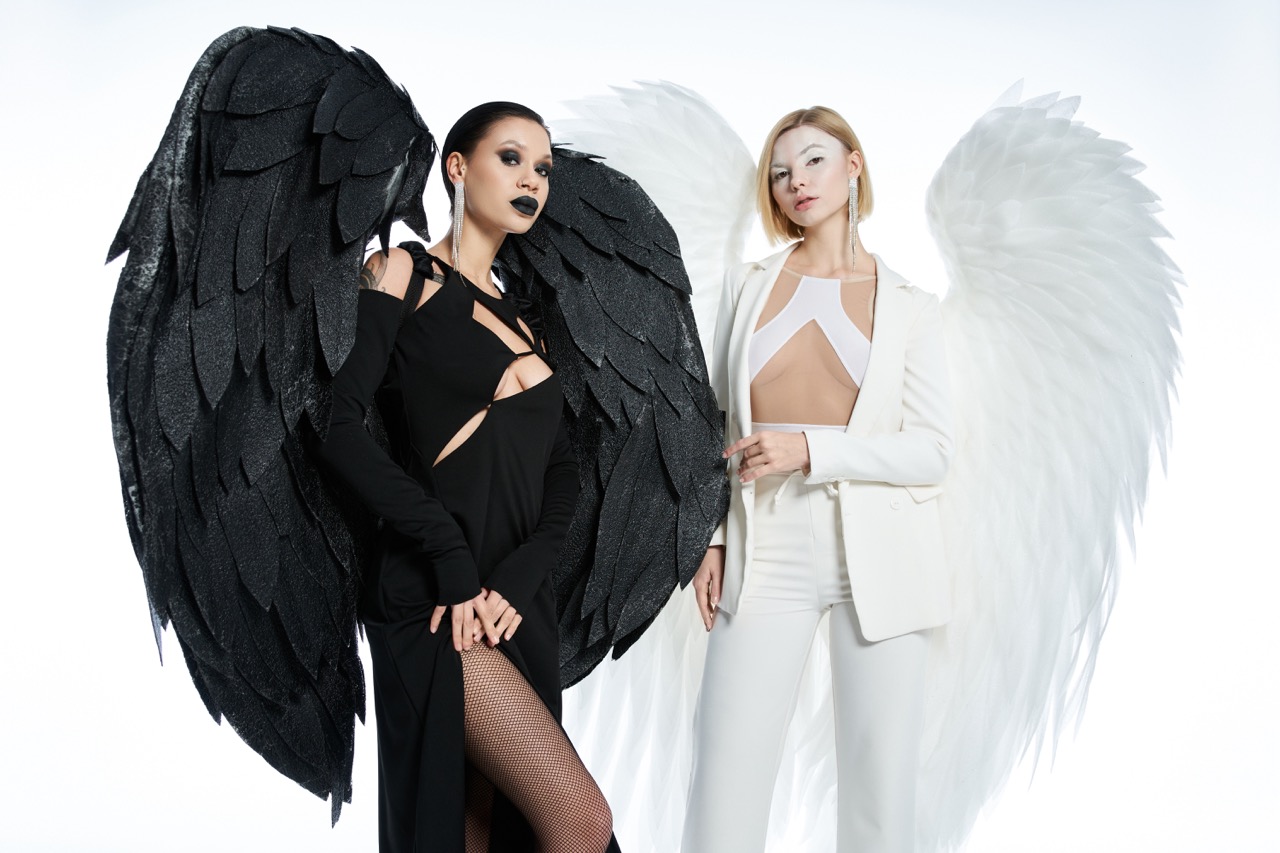
The symbolism of wings is also deeply embedded in the narratives of dance. In ballets like "Swan Lake," the duality of the characters—Odette and Odile—is powerfully expressed through their winged costumes, reflecting themes of innocence, deception, and duality. The contrast between the white swan and the black swan not only serves to heighten the emotional stakes of the story but also showcases the transformative power of dance as a medium for storytelling. Through the use of wings, dancers can embody conflicting identities and convey complex emotions that resonate with audiences on a profound level.
Moreover, the evolution of winged costumes in dance reflects broader cultural shifts and artistic movements. From the spiritual connotations of wings in ancient rituals to the theatrical spectacle of modern performances, the use of wings has adapted to mirror societal changes. Contemporary choreographers continue to innovate, using wings not only as a visual element but as a means of exploring identity, liberation, and the human experience, ensuring that the art of transformation remains a central theme in the dance world.
In conclusion, the enchanting allure of winged costumes in dance transcends mere aesthetics, embodying a rich tapestry of historical significance, cultural symbolism, and artistic innovation. From the ethereal performances of iconic dancers like Anna Pavlova and Martha Graham to the groundbreaking work of contemporary choreographers, wings have served as a conduit for transformation, enabling performers to convey profound narratives and emotions. As dance continues to evolve, the legacy of winged costumes will undoubtedly inspire future generations, reminding us all of the beauty and freedom that come from taking flight.