
In the realm of dance, the fusion of movement and visual artistry creates a captivating spectacle that transcends mere performance. Among the myriad of elements that contribute to this enchanting world, wings have emerged as a powerful symbol and aesthetic enhancement. From the graceful flutter of feathers to the dramatic sweep of fabric, wings can elevate a dance performance, adding layers of depth and meaning. This article explores the multifaceted role of wings in dance, examining their impact on movement, visual appeal, storytelling, and symbolism.
The Art of Movement: Wings as a Dance Element
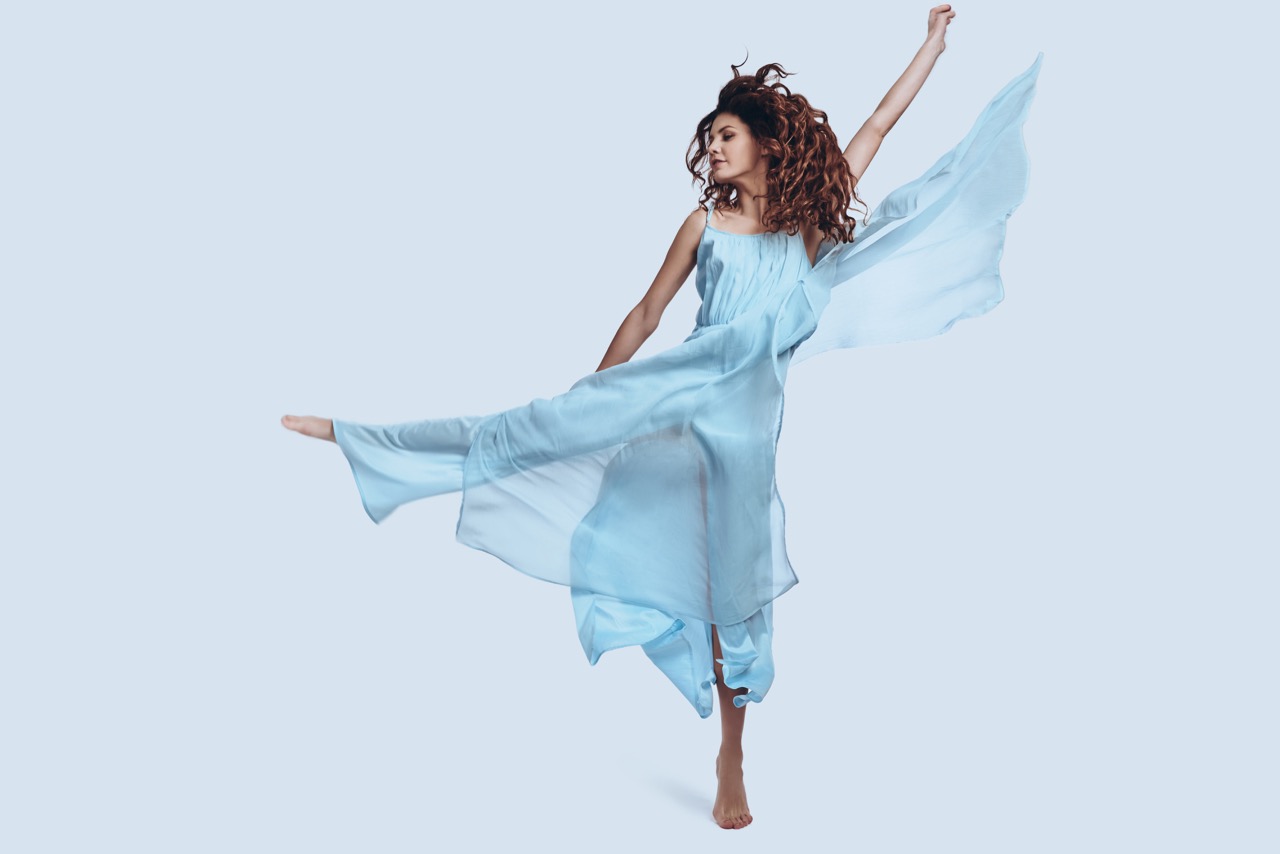
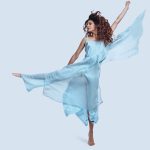
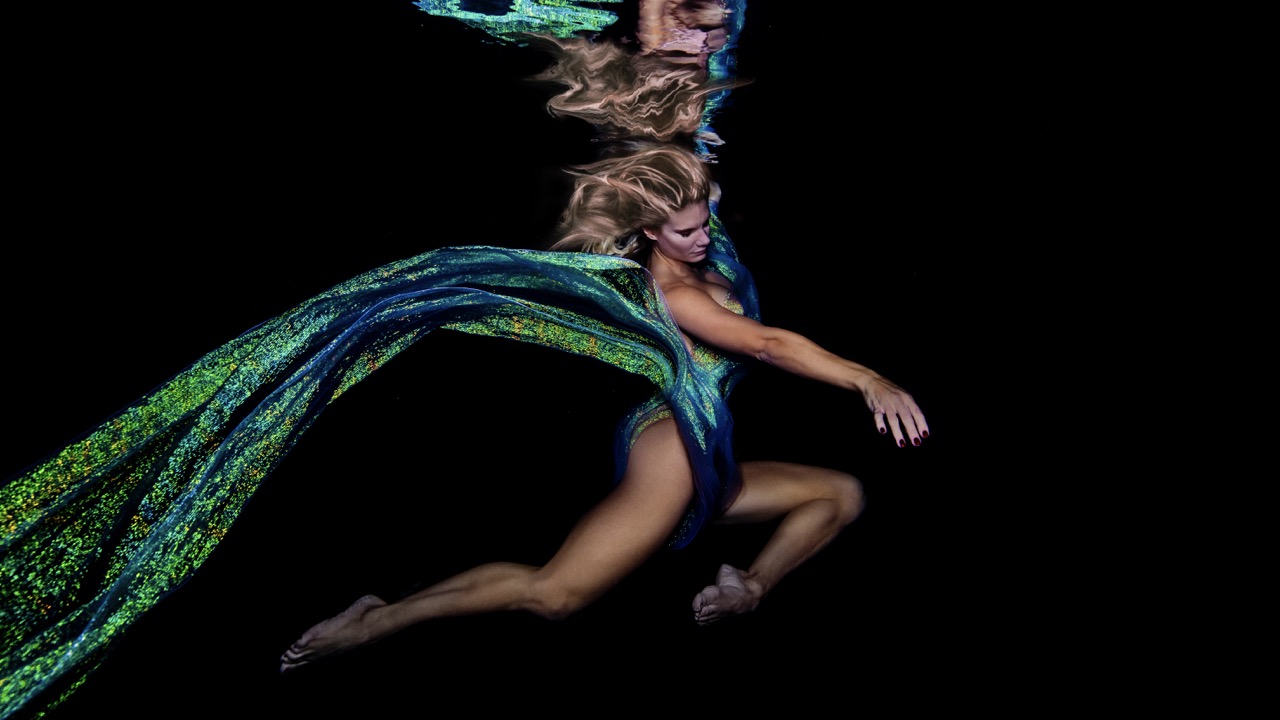
Wings, whether crafted from delicate fabrics or robust materials, introduce an extraordinary dimension to the dancer’s movement. As dancers twirl, leap, and glide, the wings respond in harmony, echoing the rhythm of the choreography. The interplay between the dancer’s body and the wings creates a visual symphony, where every gesture is accentuated by the flurry of material that surrounds it. This not only enhances the physicality of the performance but also allows the dancer to explore new forms of expression, as the wings become extensions of their own body.
Moreover, the use of wings in dance encourages a unique vocabulary of movement. Dancers can experiment with the fluidity and weight of their wings, learning to manipulate their movements to create illusions of flight or ethereal grace. This exploration leads to innovative choreography, where the wings can transform the simplest of actions into breathtaking displays of beauty. As a result, the dynamics of dance evolve, pushing the boundaries of what is possible and inviting audiences to experience a new level of artistry.
Finally, wings can serve as a practical tool for enhancing movement clarity and visibility in performance spaces. The sweeping motions and large silhouettes created by wings can draw attention and guide the audience’s gaze, emphasizing key moments and emotional high points in the dance. This visual emphasis not only enriches the narrative but also helps in conveying the essence of the performance, making wings an integral part of the artistic expression in dance.
Elevating Elegance: Visual Impact of Winged Costumes
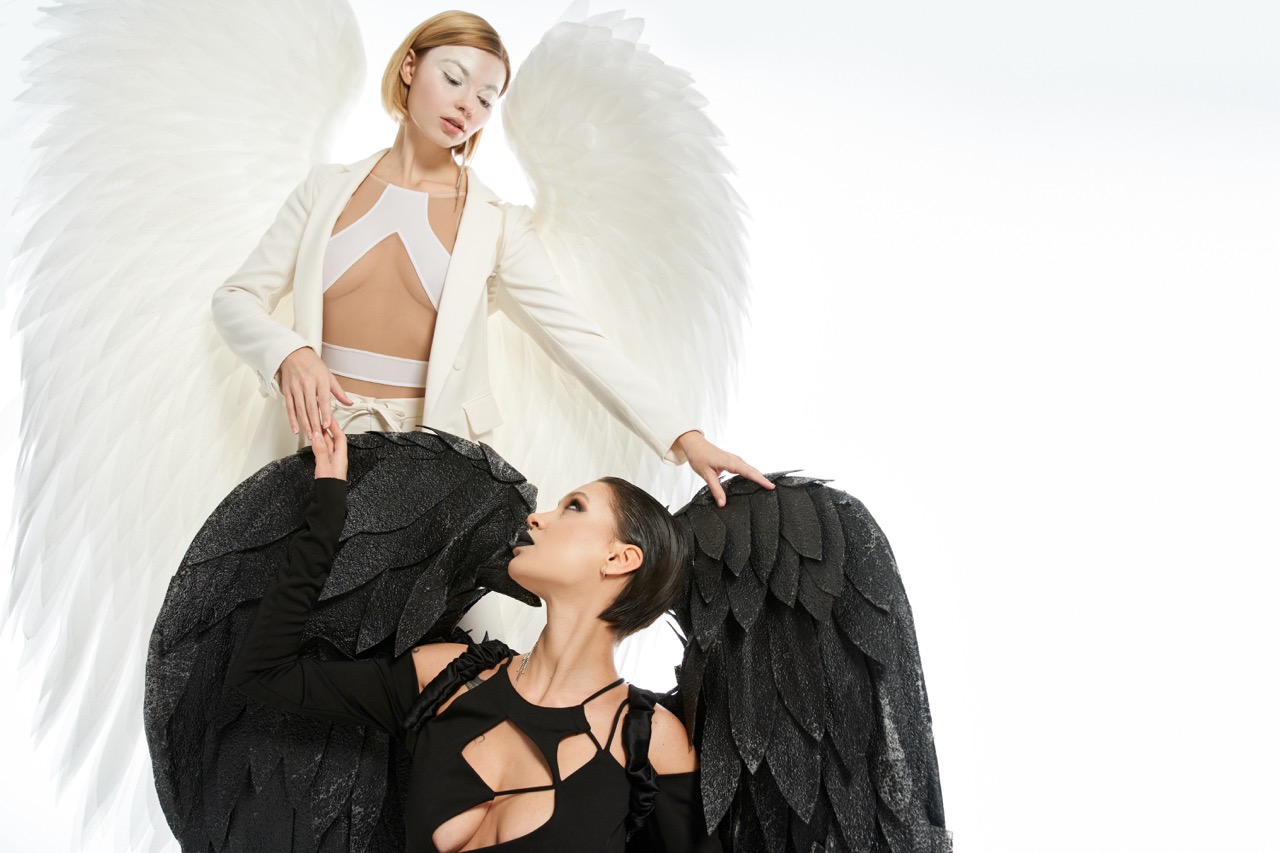
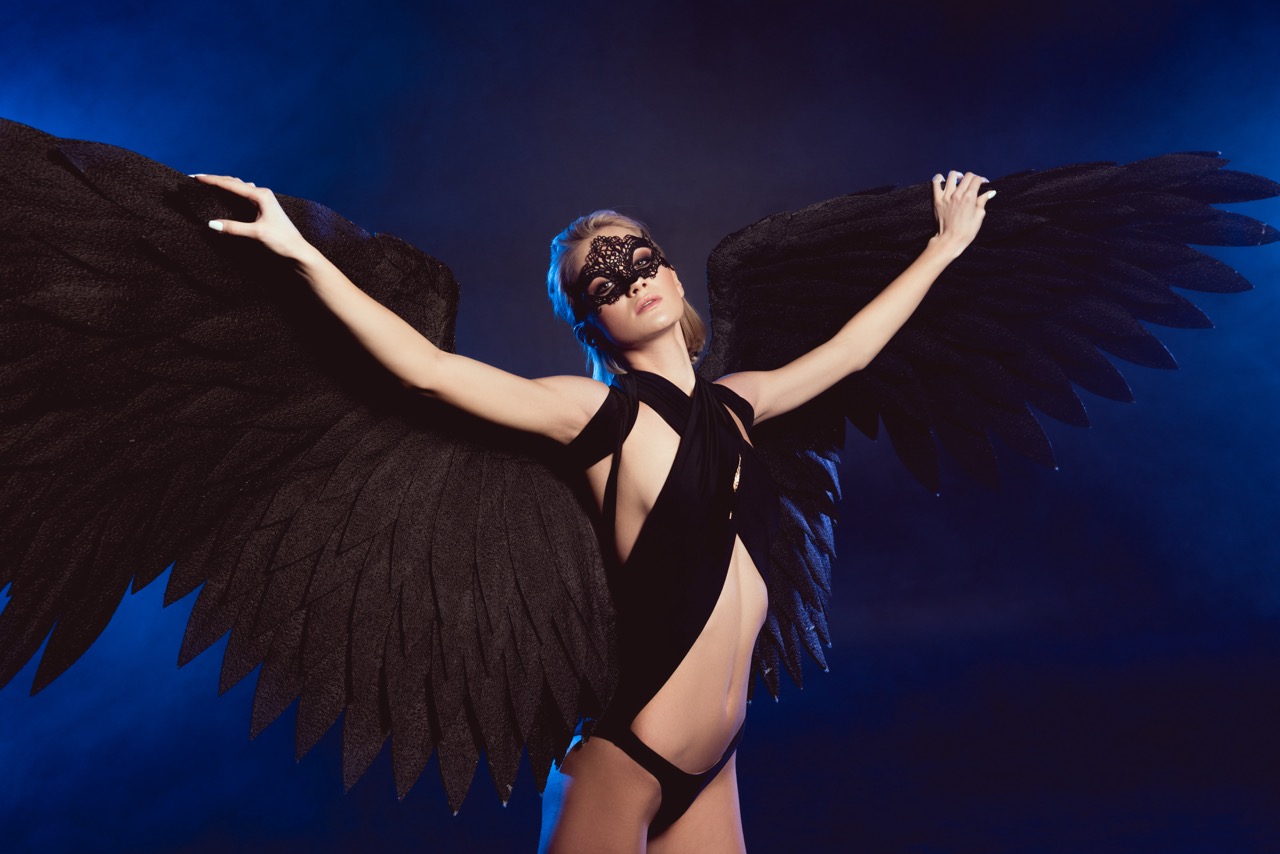
The allure of winged costumes lies in their ability to transform a dancer into a fantastical creature, evoking imagery that captivates the audience from the moment they step on stage. The aesthetic appeal of wings can be attributed to their inherent beauty and the way they harmonize with the dancer’s form. Whether adorned in shimmering sequins or textured fabrics, these costumes create a striking visual contrast that enhances the overall elegance of the performance.
Furthermore, the color and design of winged costumes play a crucial role in setting the mood and tone of the dance. Soft pastels can evoke a sense of innocence and grace, while vibrant, bold hues may symbolize power and freedom. This versatility allows choreographers to align the visual elements with the underlying themes of the performance, resulting in a cohesive and engaging experience for the audience. As the dancer moves, the wings catch the light and create dynamic shadows, adding an additional layer of visual intrigue.
In addition, the sheer size and movement of wings can expand the dancer’s silhouette, creating a more dramatic presence on stage. Large wings can envelop the dancer, creating a sense of grandeur and spectacle that captivates the audience’s attention. This visual impact not only enhances the aesthetic of the performance but also serves to amplify the emotional resonance of the dance, allowing the audience to connect more deeply with the narrative being portrayed.
Theatrical Transformation: Wings in Dance Narratives
Wings are not merely decorative elements; they possess the ability to convey powerful narratives within dance performances. Often associated with themes of transformation, elevation, and transcendence, wings can symbolize a character’s journey or evolution. From mythical creatures to celestial beings, the presence of wings can instantly transport the audience to a different realm, where the boundaries of reality are blurred by the beauty of movement.
In many performances, wings serve as a metaphor for freedom and liberation. When dancers unfurl their wings, there is often a sense of breaking free from constraints, whether they be personal, societal, or emotional. This visual representation of liberation allows audiences to experience the dancer’s journey on a deeper level, as they witness the physical embodiment of struggle and triumph. The dramatic effect of wings enhances the storytelling, making each performance not just a display of skill, but a poignant narrative that resonates with viewers.
Moreover, wings can also provide a visual shorthand for character development within a performance. Dancers may embody a range of emotions and roles—from the delicate vulnerability of a butterfly to the fierce strength of an eagle—merely through the use of wings. This ability to convey distinct emotional states and character arcs enhances the theatricality of the performance, enabling audiences to form connections with the narrative in an impactful way.
Crafting Dreams: The Symbolism of Wings in Performance
Wings carry profound symbolism, often representing dreams, aspirations, and the human desire to transcend limitations. In dance, this symbolism is magnified, as performers embody these ideals with every movement. The act of dancing with wings becomes a metaphor for reaching beyond oneself, inviting audiences to reflect on their own desires for freedom and exploration. Such symbolism imbues the performance with a dreamlike quality, allowing viewers to escape into a world where anything is possible.
Additionally, wings can symbolize protection and guidance, echoing the nurturing roles that various figures play in our lives. Dancers who incorporate wings into their performances can evoke this sense of safety and support, creating a comforting presence on stage. The visual representation of wings enveloping a dancer can signify the embrace of a loved one or the comforting spirit of a guardian, further deepening the emotional impact of the performance.
Finally, the imagery of wings often serves as a reminder of the beauty and fragility of life. Through the dance, performers can explore themes of loss, rebirth, and the transient nature of existence. The fluttering of wings can evoke a sense of nostalgia and longing, encouraging audiences to cherish the fleeting moments in their own lives. In this way, wings transcend their physical form, becoming vessels for deeper reflections on humanity and the pursuit of dreams.
As we explore the enchanting world of dance, it becomes evident that wings are much more than mere props; they are powerful tools of expression that enhance the aesthetic and emotional depth of performances. From their role in movement dynamics to their capacity for storytelling and symbolism, wings enrich the dance experience for both performers and audiences alike. In this beautiful confluence of artistry and movement, wings remind us of our own aspirations, dreams, and the timeless pursuit of beauty.