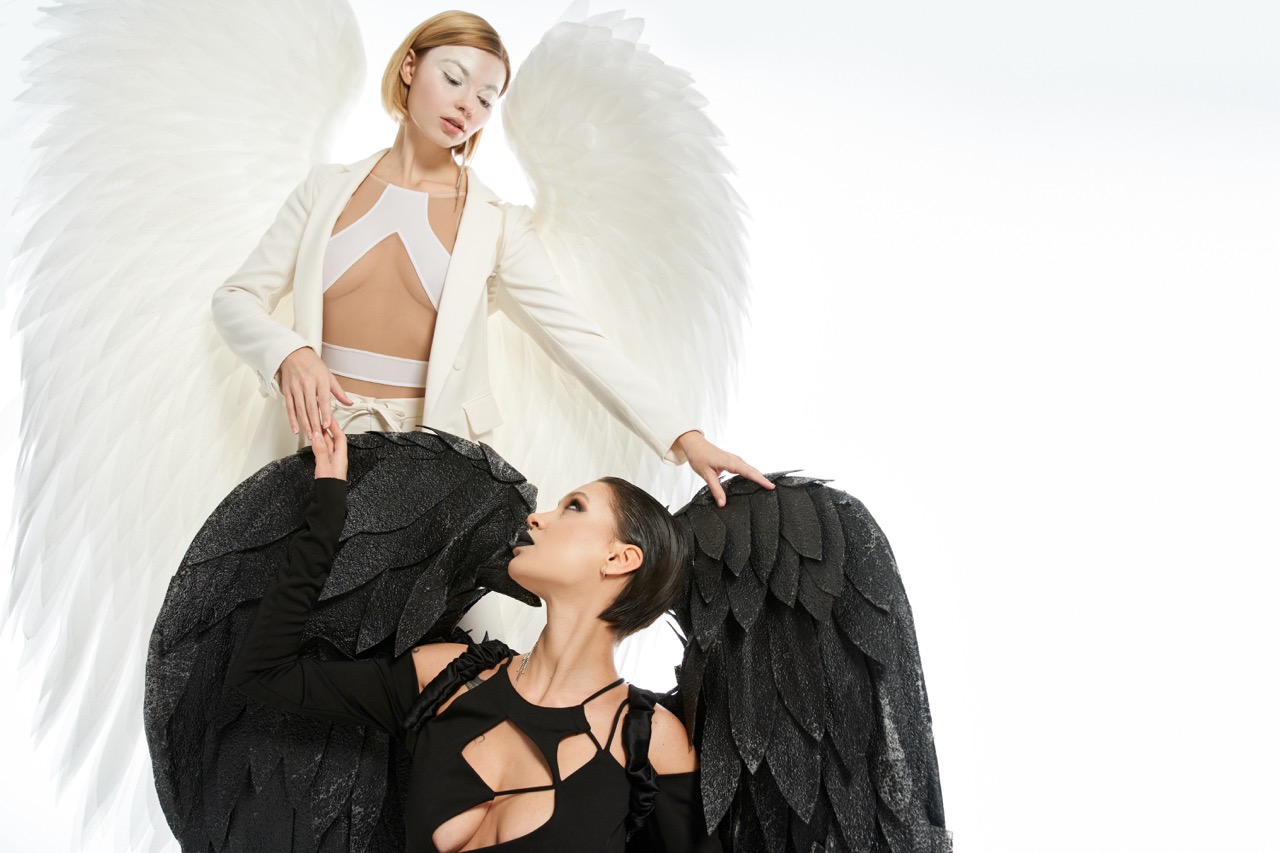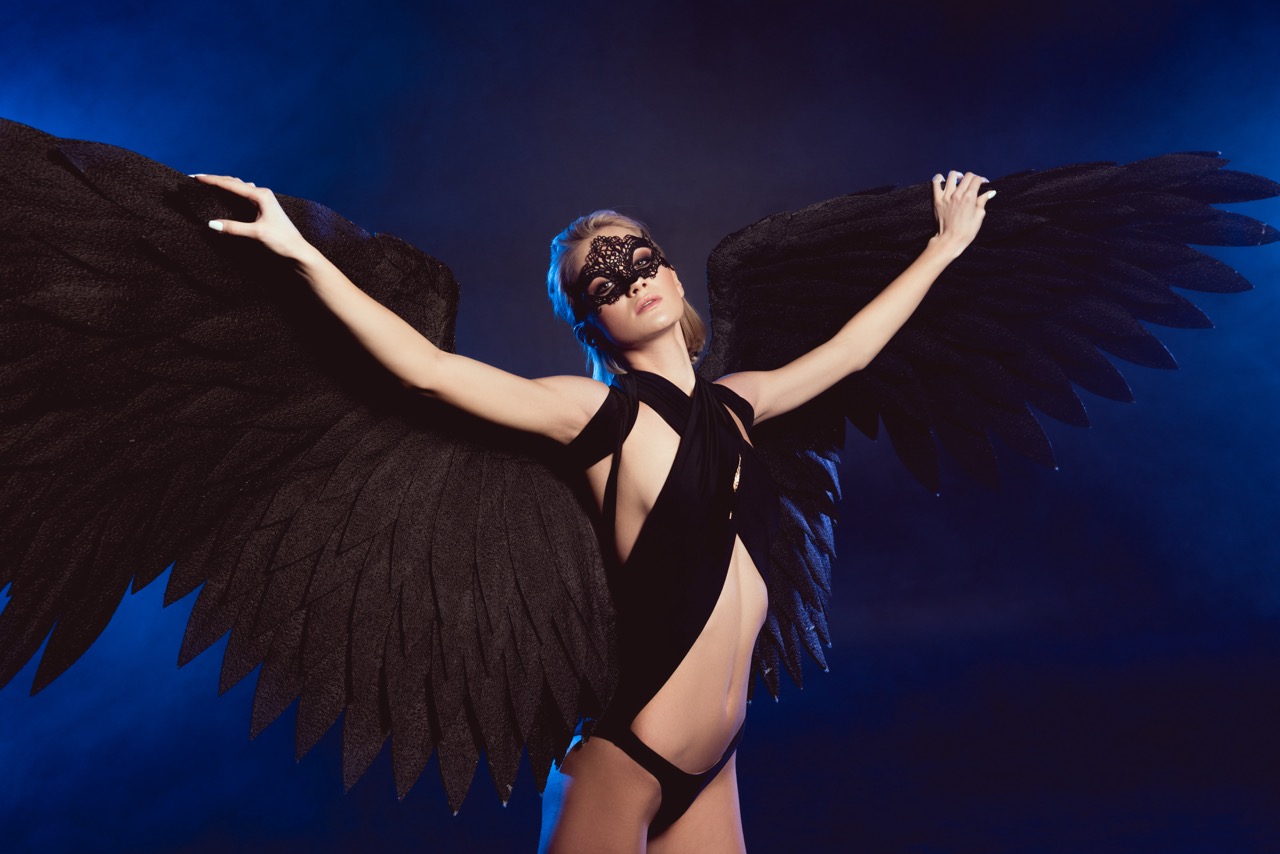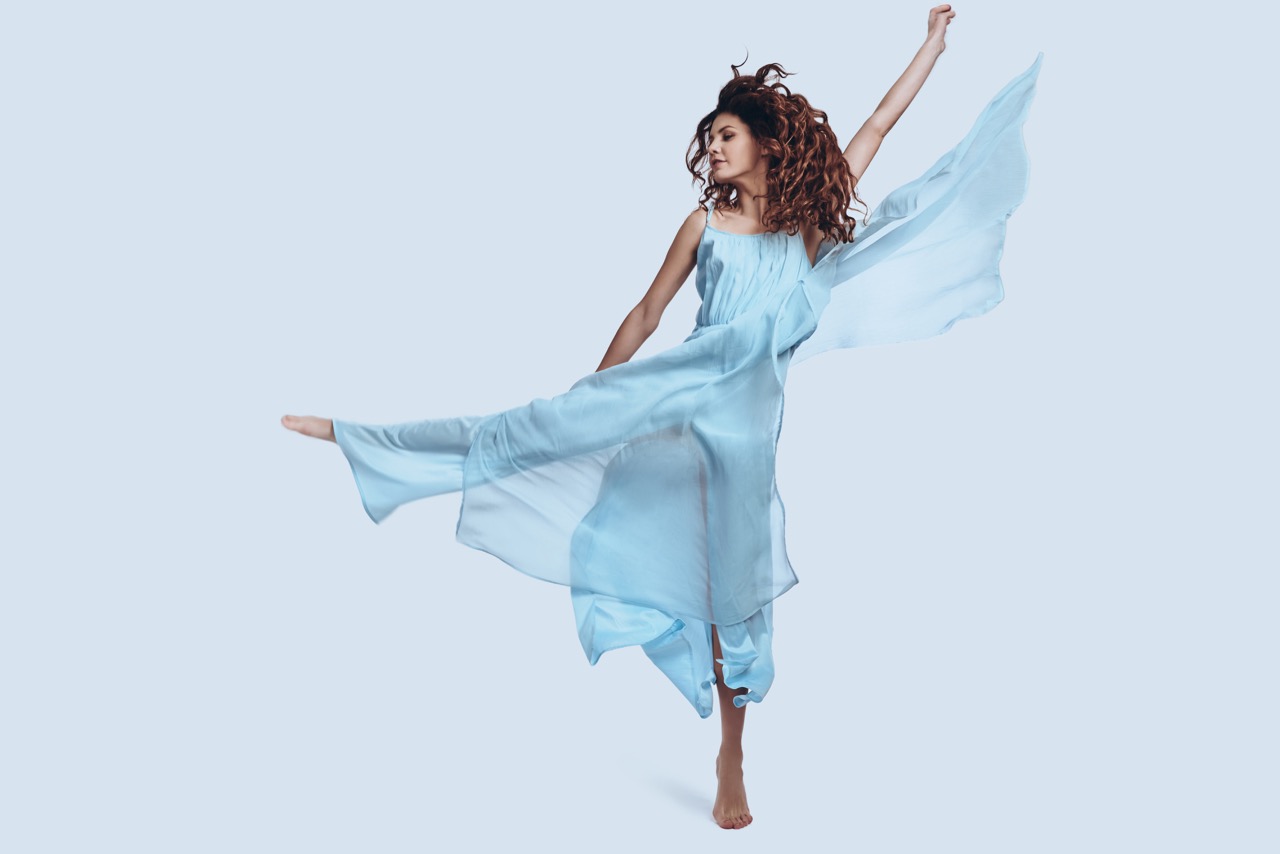
In the world of fashion and performance, costumes can transcend the ordinary, transforming the mundane into the extraordinary. Among the most enchanting elements found in both realms are winged costumes, which evoke a sense of magic, freedom, and whimsy. With their ability to capture the light and imagination, these costumes have become a pivotal component in fashion shows and theatrical performances. This article explores the artistry of winged costumes, their creative significance in performance, the transformative power of design, and the profound impact they have on audiences.
The Artistry of Winged Costumes: A Fashion Revolution
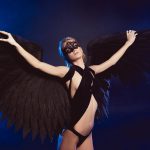
The evolution of winged costumes in fashion has marked a revolution in design, where the boundaries of creativity are constantly pushed. Designers such as Alexander McQueen and Iris van Herpen have elevated winged aesthetics into high art, merging traditional tailoring with avant-garde materials to create captivating pieces that challenge conventional notions of beauty. These costumes often feature intricate embellishments, delicate feathers, and even metallic structures that mimic the anatomy of wings, showcasing a remarkable fusion of craftsmanship and imagination.
The use of wings in fashion is not merely for spectacle; it represents a deeper symbolism of liberation and transcendence. By incorporating wings, designers invite the wearer to embody a narrative of flight and freedom. This narrative transcends the runway, allowing models to transform into mythical beings, ethereal creatures, or otherworldly entities, creating a visual story that resonates with the audience. As fashion becomes increasingly intertwined with storytelling, winged costumes emerge as powerful tools for self-expression and identity.
Moreover, the artistry of winged costumes extends beyond aesthetics. The technical challenges involved in creating a winged garment, from weight distribution to movement dynamics, compel designers to innovate constantly. The result is a breathtaking interplay of form and function, where each piece not only looks stunning but also allows for fluid movement. This innovative spirit is what drives the fashion world to continuously explore new materials and techniques, ensuring that the art of winged costumes remains fresh and exciting.
Soaring Creativity: The Role of Wings in Performance
In the realm of performance art, winged costumes serve as a vital element that enhances narrative depth and character development. Theatrical productions often utilize wings to symbolize transformation or elevation, allowing actors to embody characters that transcend human limitations. Whether it’s a fairy tale, a mythical story, or a modern interpretation, wings provide an immediate visual cue to audiences, indicating that something magical or extraordinary is about to unfold.
Wings also have a dynamic effect on physicality and choreography. Dancers and performers donning winged costumes are inspired to explore new movements, as the added weight and presence of wings invite a different style of expression. The fluttering and flapping of wings can be choreographed to harmonize with the rhythm of the performance, creating a mesmerizing spectacle that captivates the audience. This interaction ensures that both costume and performance evolve together, amplifying the emotional resonance of the story being told.
Moreover, the use of winged costumes can heighten the stakes of a performance. In productions like "Peter Pan," the inclusion of wings allows characters to embody the essence of flight, thus augmenting the themes of adventure and escape. Such designs challenge performers to inhabit their roles more fully, bridging the gap between reality and fantasy. The synergy between wings and performance not only elevates the overall experience but also leaves an indelible mark on audience memories, making the performance truly unforgettable.
From Runway to Stage: Transformative Costume Design
The transition from runway to stage is often seamless when it comes to winged costumes. Fashion shows and theatrical performances share a common goal: to evoke emotion and tell a story. The versatility of winged designs allows them to transcend their initial context, transforming from a mere fashion statement into an integral part of a narrative. Designers are increasingly blurring the lines between these two realms, creating pieces that are equally stunning on the runway and the stage.
Costume designers often draw inspiration from fashion trends, adapting runway pieces for theatrical use. This cross-pollination of ideas results in innovative designs that enhance character portrayal while still exuding a high-fashion aesthetic. For instance, a dress with exaggerated wings can serve as both a show-stopping fashion piece and a vital component of a character’s journey, emphasizing themes such as freedom, identity, or metamorphosis. The ability to adapt and recontextualize these designs is a testament to the creativity and resourcefulness of designers in both fields.
Furthermore, the collaborative nature of modern productions allows for a richer dialogue between fashion and performance. Designers, directors, and choreographers work together to envision how winged costumes can best serve the narrative. This collaborative spirit fosters an environment where bold ideas flourish, leading to groundbreaking designs that captivate audiences. The result is a new wave of artistic expression that celebrates the beauty of transformation, both on and off the stage.
Captivating Audiences: The Impact of Winged Aesthetics
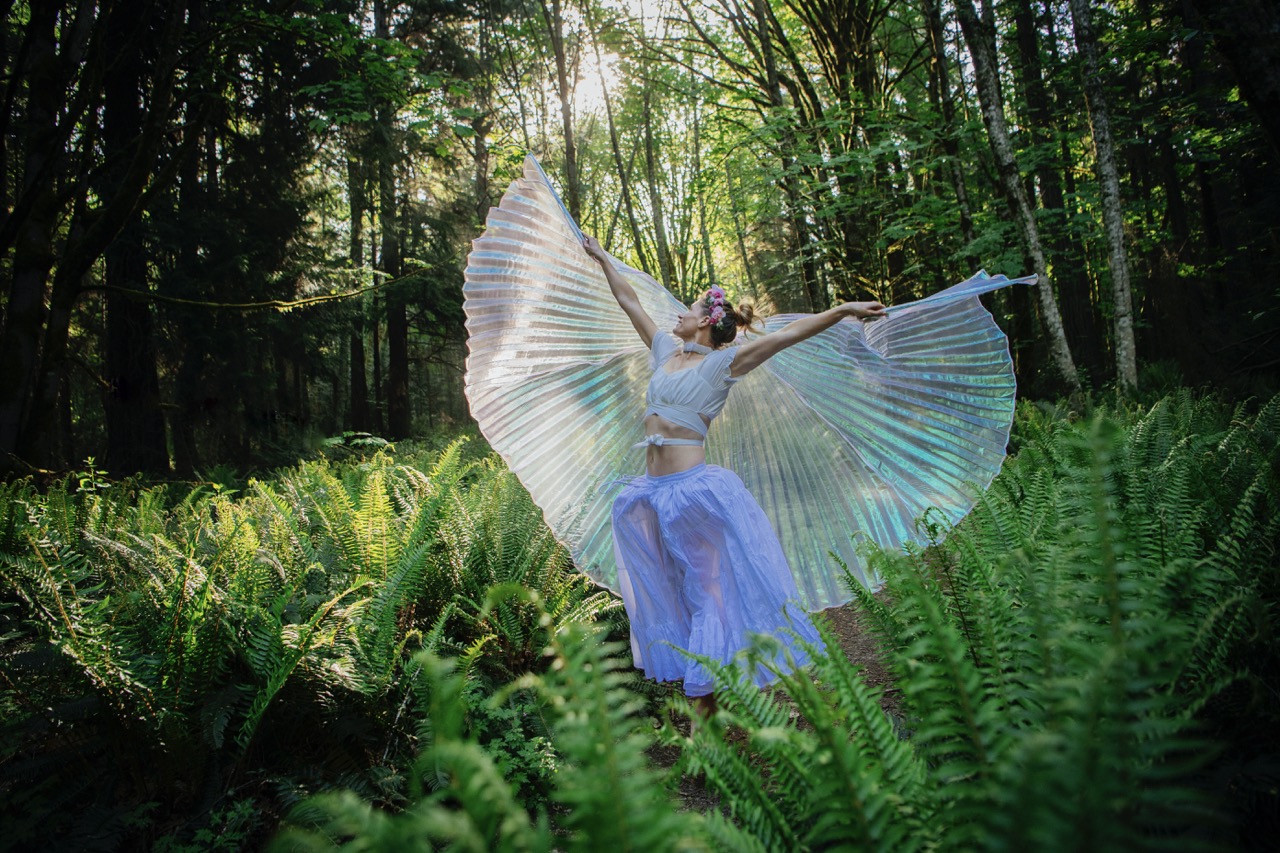
The visual language of winged aesthetics has a profound impact on audience engagement. When spectators encounter a performer adorned with magnificent wings, they are immediately drawn into a world of fantasy and wonder. The sheer spectacle of wings unfurling can create an emotional crescendo that resonates deeply, allowing audiences to connect with the performance on a visceral level. The symbolism of flight and freedom inherent in winged costumes evokes a sense of possibility and aspiration, inspiring viewers to dream beyond the confines of reality.
Moreover, winged costumes encourage a form of escapism that is particularly potent in both fashion shows and theatrical performances. As audiences watch models glide down the runway or performers take flight on stage, they are transported to an alternate realm where the laws of gravity and logic no longer apply. This sense of liberation not only captivates the viewer but also invites them to reflect on their own desires for freedom and transformation in their lives. In this way, winged aesthetics become a powerful vehicle for shared human experiences.
The lasting impression of winged costumes often extends beyond the immediate performance. Iconic designs have a tendency to linger in the cultural consciousness, inspiring future generations of designers and artists. As these winged creations become symbols of innovation and artistry, they influence trends and provoke dialogue about the nature of beauty and self-expression. Ultimately, the impact of winged aesthetics is not merely in their visual appeal but in their ability to evoke emotions and inspire change, both within the fashion industry and in the hearts of audiences worldwide.
In conclusion, winged costumes embody a unique intersection of artistry, performance, and storytelling that continues to evolve within the realms of fashion and theater. Their ability to captivate audiences and create transformative experiences is unparalleled, solidifying their significance in contemporary culture. As designers and performers push the boundaries of creativity, winged costumes will undoubtedly remain a source of inspiration, inviting us all to soar to new heights of imagination and self-expression.