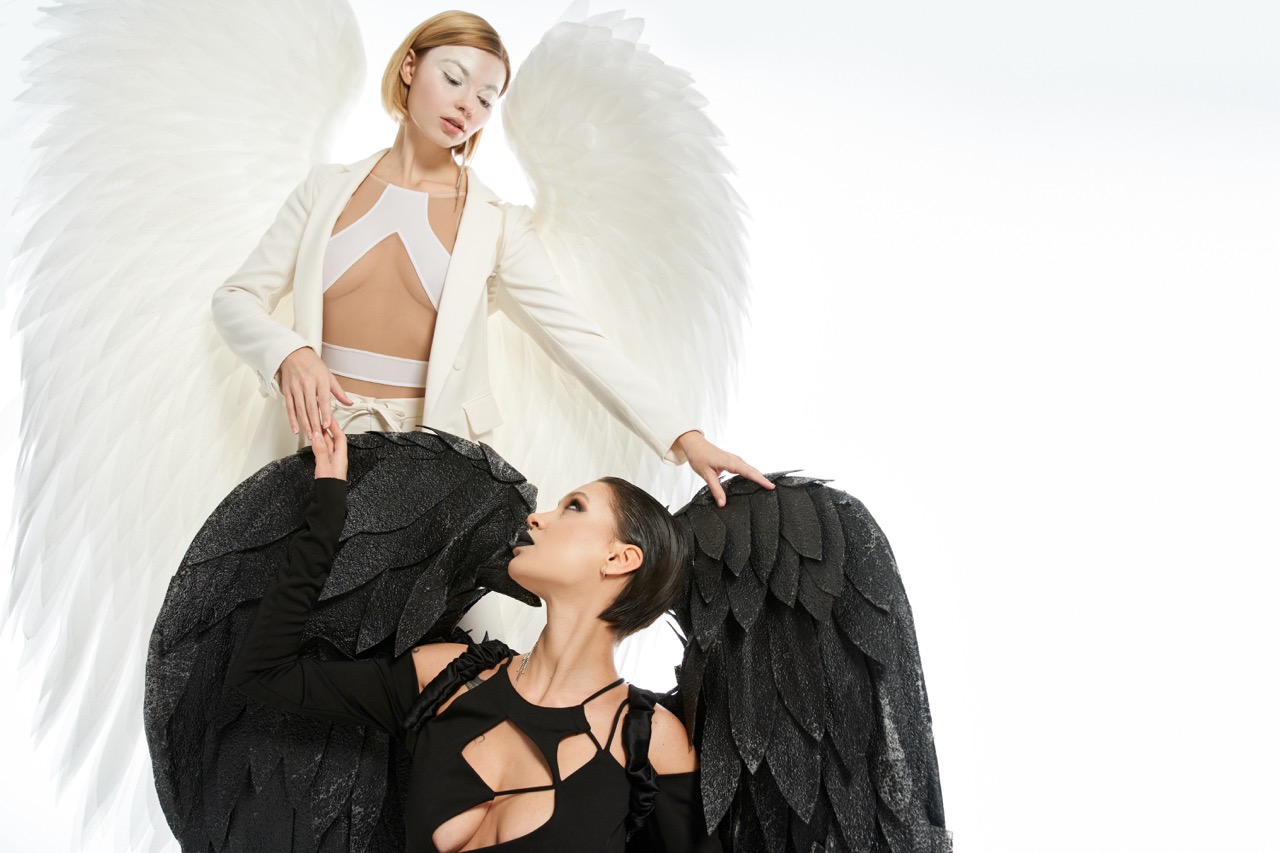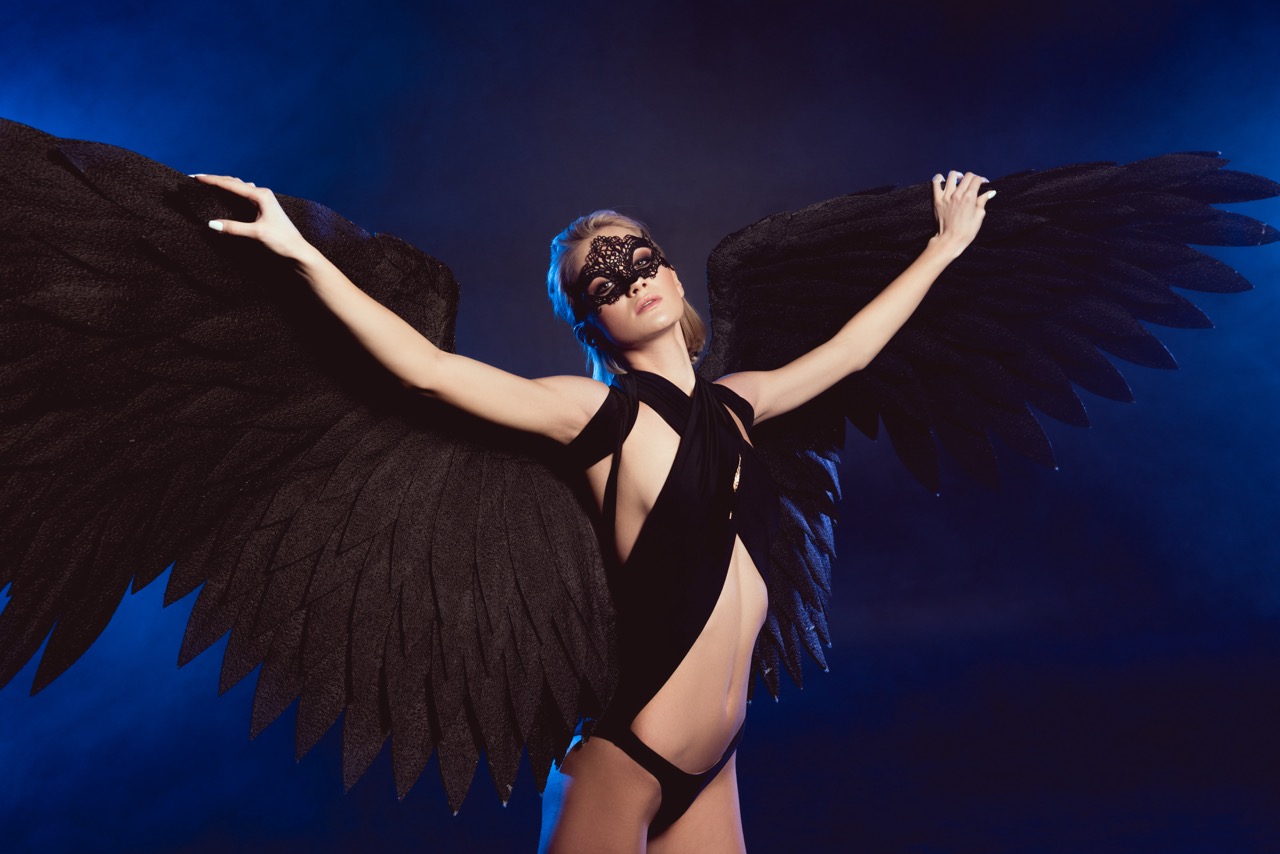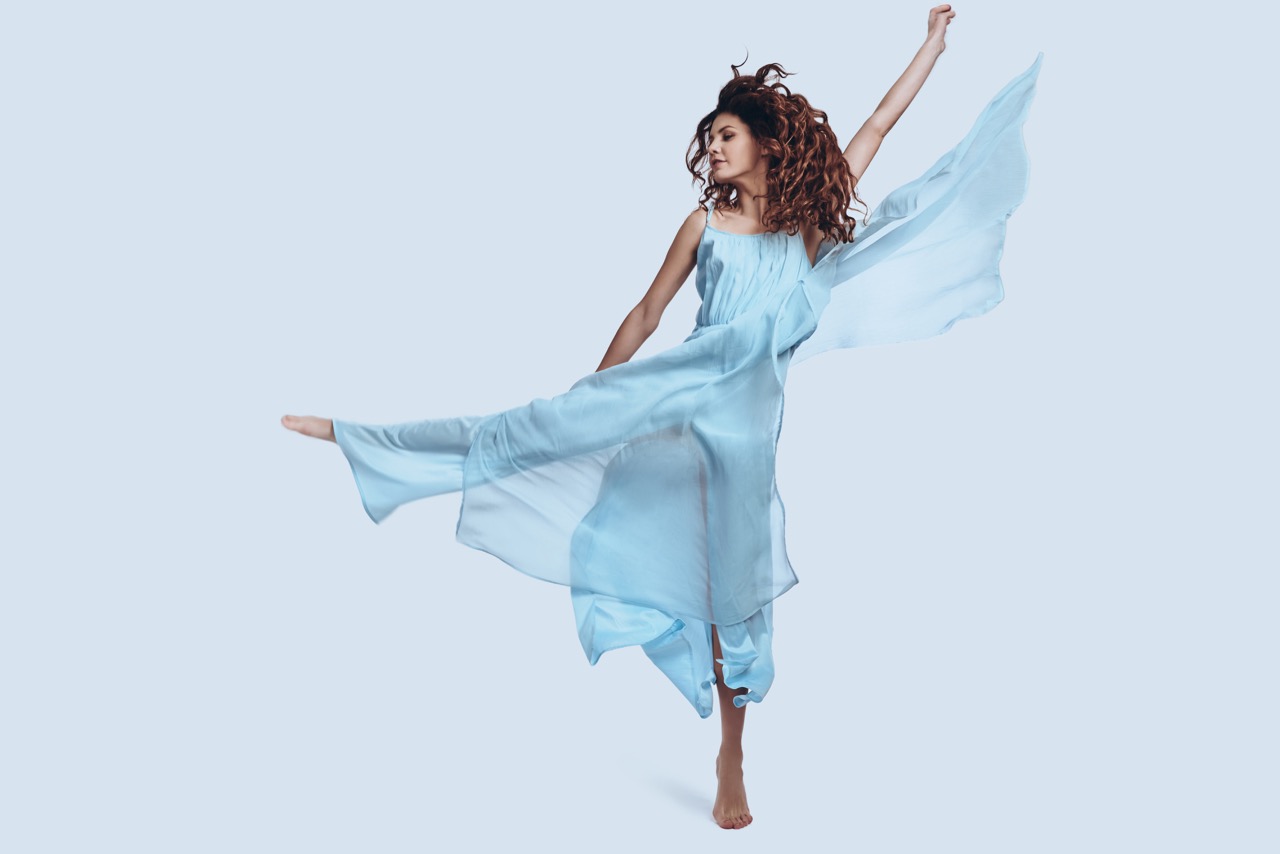

Contemporary dance is a dynamic form of self-expression that continually evolves, challenging performers to push boundaries and engage audiences in new ways. One such innovation gaining popularity is the use of wings as a dramatic element within choreography. Wings, in their various forms—whether fabric, feathered, or even constructed from alternative materials—offer dancers an opportunity to enhance visual storytelling and emotional depth. This article explores the transformative potential of wings in contemporary dance, providing insights into their integration, emotional resonance, and performance techniques.
Unleashing the Power of Wings: A Dance Revolution
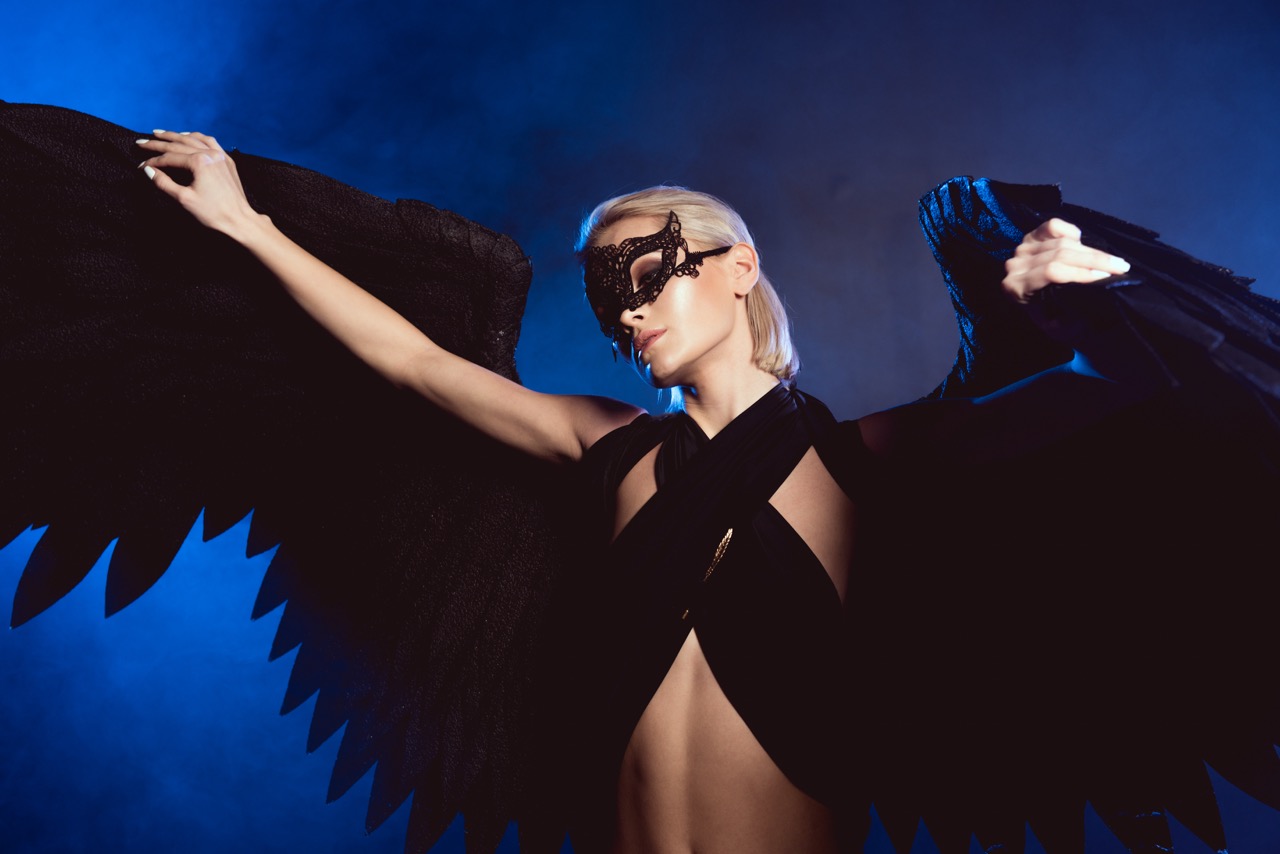
The introduction of wings into contemporary dance represents a revolutionary shift in how performers can engage with their art. Traditionally, dancers have relied on their bodies to express emotion and narrative, but wings expand that vocabulary, allowing for a visual augmentation that captivates the audience’s attention. The sheer spectacle of a dancer gracefully extending wings during a performance can evoke awe and wonder, transforming the stage into a magical space.
In addition to their aesthetic appeal, wings can symbolize a range of themes—from liberation and transcendence to fragility and constraint. The act of unfurling wings can serve as a powerful metaphor for breaking free from societal expectations or personal limitations. Dancers who masterfully integrate wings into their routines can create moments of pure transformation, inviting the audience to experience their journey on a deeper level.
Moreover, the use of wings can challenge conventional ideas about movement and gravity. By adding an element of lift and extension, dancers can explore new dynamics and pathways within their choreography, encouraging a more fluid and organic form of expression. This approach not only amplifies the visual impact of a performance but also enriches the storytelling aspect, allowing for a more immersive experience.
The Art of Movement: Integrating Wings into Your Routine
The successful integration of wings into contemporary dance requires careful consideration and practice. Dancers should begin by understanding the mechanics of their chosen wing design—how it moves, flows, and interacts with the body. Whether using fabric wings that billow or rigid structures that create sharp angles, familiarity with the material is essential for seamless movement.
Choreographers must also think critically about how wings can complement existing movements and transitions within a routine. The key is to allow the wings to enhance rather than overshadow the dancer’s physical expression. This can be achieved by rehearsing movements both with and without the wings to develop a sense of balance and harmony. Practicing in front of mirrors or recording sessions can help dancers visualize how their movements are affected by the wings, allowing for necessary adjustments to ensure fluidity.
Additionally, the spatial awareness required when wielding wings cannot be overstated. Dancers should be mindful of their surroundings, as the wings can extend the physical space they occupy. This awareness will enable them to perform with confidence, making deliberate choices about when to unfurl or retract their wings throughout the piece. Ultimately, the art of movement with wings lies in the delicate interplay between body and prop, creating an enchanting visual narrative that resonates with viewers.
Crafting Emotion: Wings as a Storytelling Device in Dance
Wings serve as a potent storytelling device in contemporary dance, adding layers of meaning to the performances. When used thoughtfully, they not only enhance the aesthetic quality of a dance piece but also convey complex emotions and narratives. For instance, the act of opening wings can symbolize a newfound freedom, while their constriction may represent emotional barriers. This duality allows dancers to explore a spectrum of feelings, evoking empathy and connection from the audience.
Creating a storyline around the use of wings can amplify their emotional impact. Dancers can draw inspiration from literature, mythology, or personal experiences to craft a narrative that resonates with viewers. By aligning the movement of their bodies with the movement of the wings, performers can create a cohesive story that unfolds naturally on stage. The choreography can ebb and flow like the wings themselves, guiding the audience through moments of tension, release, and transformation.
Moreover, dancers can use the wings to reflect their personal journey, inviting the audience into their world. This authenticity transforms the performance into a shared experience, where the audience can feel the weight of the dancer’s emotions. Whether it’s joy, sorrow, or empowerment, wings become an extension of the dancer’s spirit, amplifying their personal expression and fostering a deeper connection with those watching.
Elevating Performance: Techniques for Impactful Wing Use
To maximize the impact of wings in performance, dancers should explore a variety of techniques that enhance their visual and emotional effectiveness. One technique involves the use of timing—synchronizing the unfurling of the wings with specific musical cues or pivotal moments in the choreography can create a breathtaking visual effect. This synchronization not only captivates the audience but also emphasizes the narrative arc of the performance.
Another effective technique is the incorporation of contrast. Dancers can juxtapose the fluidity of their movements with the sharp, defined shapes created by the wings. For instance, a series of sharp, staccato movements can be contrasted with the soft, flowing motions of the wings, creating a dynamic interplay that keeps the audience engaged. This contrast can also mirror the emotional journey of the piece, adding depth and complexity to the storytelling.
Finally, breath and intention play crucial roles in the impactful use of wings. Dancers should be mindful of their breathing, using it to inform the movement of the wings and their own bodies. Each breath can be an opportunity to express intention, whether it’s a slow, deliberate inhale that signifies anticipation or a quick exhale that captures a moment of release. By harmonizing breath with movement, dancers can elevate their performance, imbuing it with a profound sense of purpose and artistry.
The integration of wings in contemporary dance represents a captivating evolution in artistic expression. By unleashing the power of wings, dancers can explore new dimensions of movement, emotion, and storytelling. Through careful practice and thoughtful choreography, wings transform not just the visual landscape of a performance but also the narrative depth, allowing audiences to engage with the dance on a profound level. As contemporary dance continues to innovate, the use of wings will undeniably remain a powerful tool in the dancer’s creative arsenal, inviting us all to soar to new heights of imagination and expression.