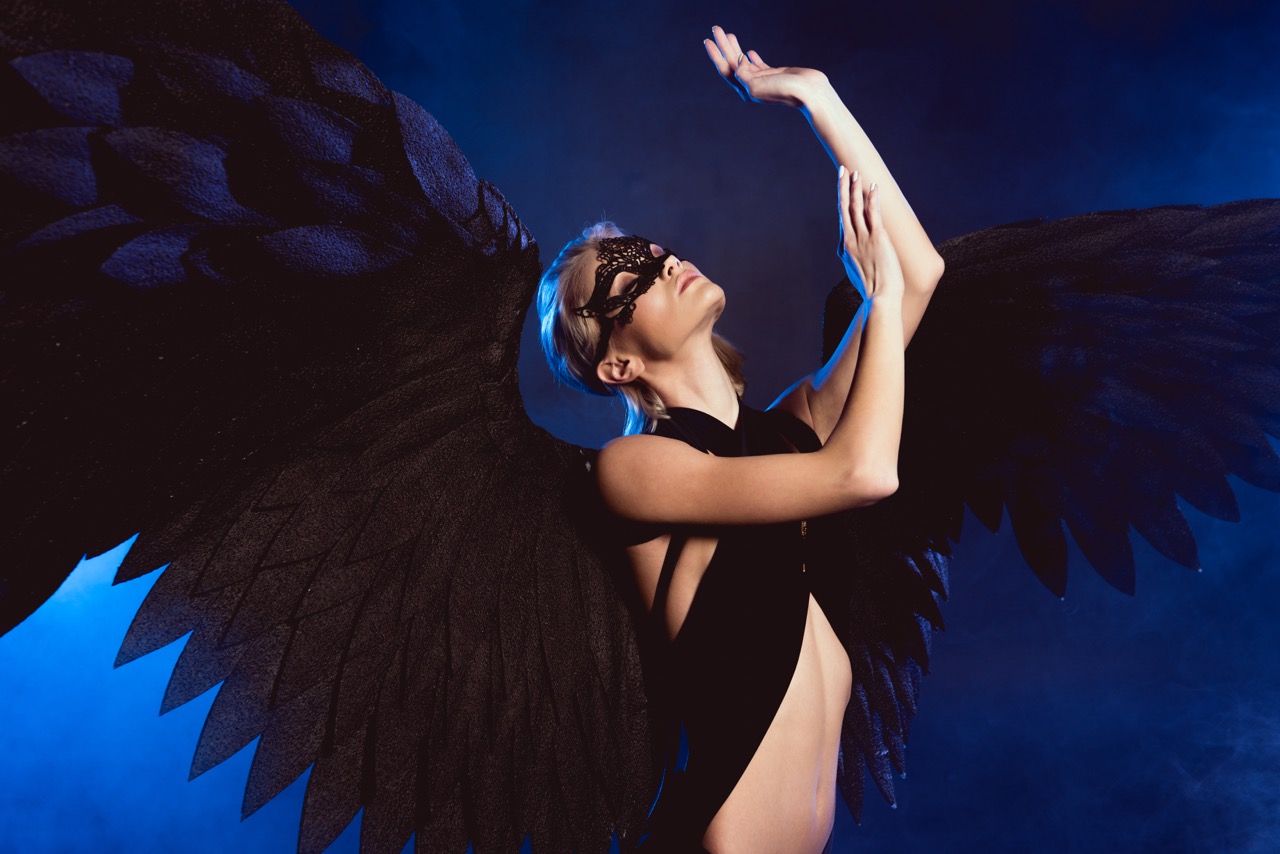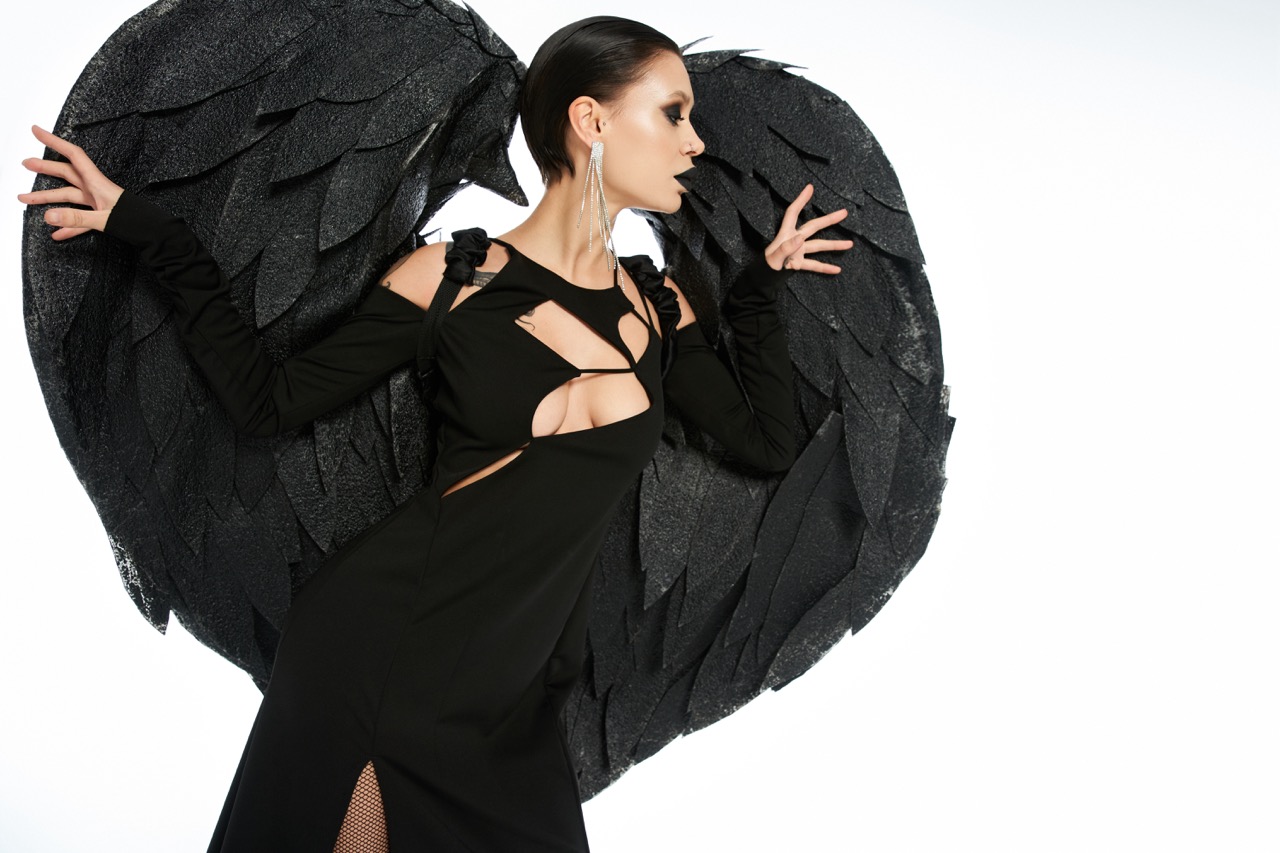





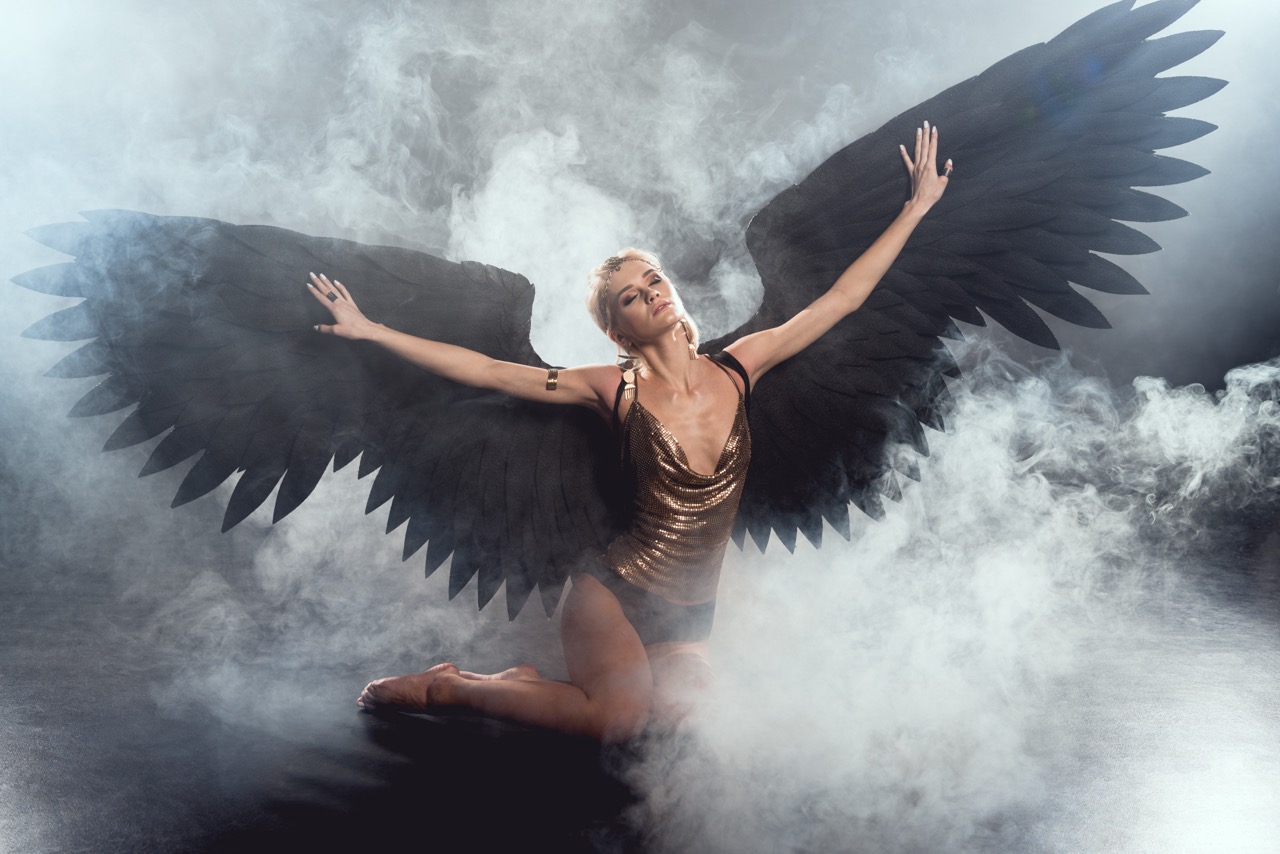
Dance wings are a captivating element of performance, adding flair and visual dynamics to choreography. Their graceful movements, combined with the artistry of design, can elevate a dancer’s expression to new heights. However, crafting the perfect dance wings requires more than just creativity; it necessitates a thoughtful approach to design. This is where 3D visualization comes into play. By leveraging sophisticated technology, designers can explore a multitude of styles, colors, and shapes before bringing their creations to life. This article delves into how 3D visualization can be harnessed to create stunning dance wings that captivate audiences while allowing designers to unleash their full creative potential.
Unleashing Creativity: The Power of 3D Visualization in Dance Wing Design
3D visualization holds transformative power in the realm of dance wing design, allowing creators to bring their imaginative concepts into a three-dimensional space. This technology enables designers to experiment freely, exploring how various materials, shapes, and colors interact in a virtual environment. With the ability to manipulate light and texture, designers can visualize how their wings will look under stage lighting, ensuring every detail is just right before physical production begins.
Moreover, 3D visualization fosters collaboration and communication among team members. Designers can share their virtual models with dancers, choreographers, and costume directors, gathering feedback and making real-time adjustments. This interactive process enhances creativity by incorporating diverse perspectives, leading to more innovative and well-rounded designs. As a result, the dance wings become a collective creation, resonating with the essence of the performance and the artists bringing it to life.
Additionally, the use of 3D models allows designers to conduct simulations of movement, testing how their wings will flow and react during performance. This is crucial for dance wings, which need to not only look visually stunning but also perform well with the dancer’s movements. By analyzing these simulations, designers can make informed decisions about structural elements, ensuring that the wings complement the dancer’s choreography seamlessly, enhancing the overall performance.
Essential Tools and Software for Stunning 3D Visuals
To embark on a journey into 3D visualization, designers must equip themselves with the right tools and software. Popular choices include Blender, a free and open-source 3D creation suite that offers powerful modeling, sculpting, and rendering capabilities. Its extensive community and resources make it an excellent choice for both beginners and advanced users seeking to create intricate designs. For those looking for a more user-friendly interface, tools like Tinkercad provide a simplified approach to 3D modeling, allowing designers to focus on creativity without getting bogged down by complex software.
Another compelling option is Autodesk Fusion 360, which combines CAD, CAM, and CAE in a single platform. This software is particularly beneficial for designers who want to create precise measurements and detailed technical drawings for their dance wings. Its cloud-based functionality facilitates collaboration and revision, making it easy to incorporate feedback from team members or clients. Such tools not only streamline the design process but also ensure that every design element is accurately represented in 3D.
Lastly, platforms like SketchUp and Rhino are also excellent for 3D visualization. SketchUp allows for quick and intuitive modeling, making it ideal for brainstorming sessions, while Rhino excels in creating complex shapes with precision. By selecting the appropriate software, designers can enhance their workflow, experiment with various design ideas, and ultimately produce the most stunning dance wings possible.
Step-by-Step Guide: Bringing Your Dance Wing Ideas to Life
The journey of designing dance wings begins with conceptualization. Start by sketching your initial ideas on paper or digitally, focusing on the shapes, sizes, and colors that resonate with the performance’s theme. Consider the emotions you wish to evoke and how the dance wings will interact with the choreography. Once you have a clear vision, transition to your chosen 3D software, importing your sketches as references to guide your modeling process.
Next, dive into the modeling phase. Utilize the software tools to create the basic form of your dance wings, paying close attention to proportions and symmetry. Experiment with various shapes, such as flowing curves or sharp angles, to see what best captures the essence of your concept. During this phase, it’s essential to regularly step back and assess your design in its entirety, ensuring that it aligns with your initial vision and the performance’s narrative.
As you progress, incorporate details such as textures and colors into your model. Utilize the software’s rendering features to visualize how different materials and finishes will appear in real-world conditions. This is a critical step, as the right choice of fabric and color can significantly impact the overall aesthetic of the wings. Don’t hesitate to explore various iterations of your design; the beauty of 3D visualization lies in the ease with which you can modify and refine your ideas until they are truly exceptional.
Final Touches: Refining Your Design for Maximum Impact
Once the initial design is complete, it’s time to refine the details that will ensure your dance wings are not only visually stunning but also functional. Focus on the structural integrity of the wings, verifying that they can withstand the movements of the dancer. This may involve adjusting the weight distribution, reinforcing certain areas, or experimenting with different materials that provide both durability and flexibility. Consider conducting additional simulations to observe how the refined design holds up during various movements.
In addition to structural adjustments, pay close attention to the visual elements that will enhance the overall impact of your wings. Experiment with embellishments such as sequins, feathers, or LED lights, which can add dynamic flair during performances. These final touches should complement the design and enhance the visual narrative without overwhelming the dancer or detracting from the choreography. Use the rendering tools to visualize these elements in action, ensuring they harmonize with the movement and lighting.
Finally, gather feedback from peers and dancers who will wear the wings. Their insights can provide valuable perspectives on comfort, mobility, and overall visual appeal. Incorporate any necessary adjustments based on their input, solidifying your design’s effectiveness for live performances. By taking the time to refine every aspect of your dance wings, you ensure they are not just a costume but a vital element of the artistic expression on stage.
In conclusion, the integration of 3D visualization in dance wing design opens a world of possibilities, allowing creators to push the boundaries of their artistry. With the right tools and a step-by-step approach, designers can transform their ideas into breathtaking visual spectacles that enhance any performance. By focusing on both the aesthetic and functional aspects of the design, one can create dance wings that not only look stunning but also support the dancer’s movement and storytelling. As technology continues to evolve, embracing these innovative methods will ensure that the art of dance remains vibrant, dynamic, and ever-evolving.