
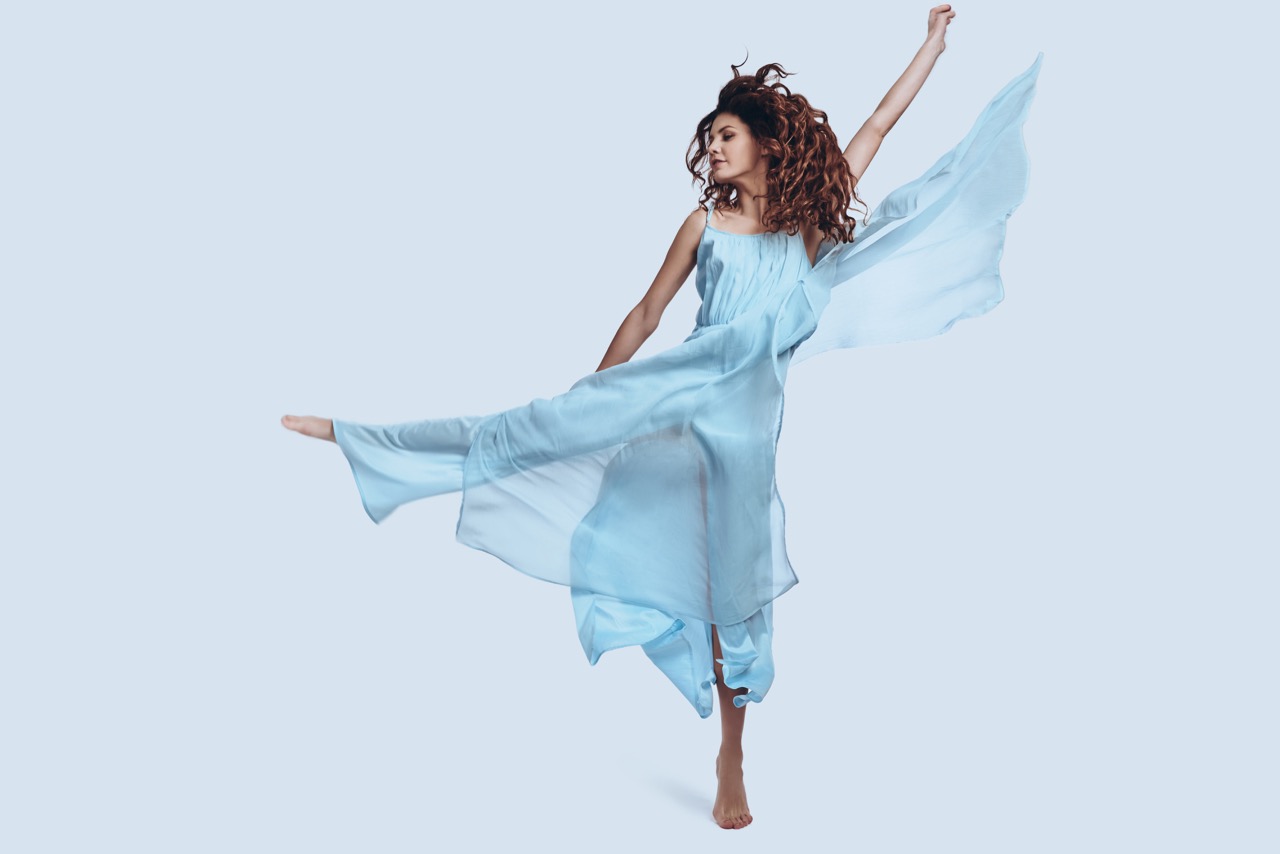
Dance is an expressive art form that transcends mere movement, allowing performers to tell stories and convey emotions. Dance wings, with their ethereal quality and dramatic flair, are an excellent tool for enhancing a themed dance performance. They add an element of enchantment, transforming dancers into ethereal beings and elevating the overall experience for both performers and audiences alike. This article explores how to effectively incorporate dance wings into a themed performance, from choosing the right wings to mastering movement techniques and captivating your audience.
Unleashing Creativity: The Magic of Dance Wings in Performance
Dance wings are not just accessories; they are extensions of the dancer’s movement and emotions. With their flowing fabric and dynamic shapes, they allow for a unique expression that can convey various themes, from the grace of nature to the intensity of a storm. When dancers incorporate wings into their performances, they create a visual spectacle that amplifies their storytelling. The fluttering and swirling of the fabric can mimic the natural elements, enhancing the narrative and drawing the audience into the dancer’s world.
Incorporating dance wings also invites creativity in choreography. The wings can dictate movement patterns, encouraging choreographers to explore new dynamics. For example, a simple arm movement can become a sweeping gesture, involving the entire body as the wings catch the air. This interplay between the dancer and the wings can inspire innovative sequences that captivate the audience’s imagination. The transformation of space and the dancer’s silhouette can evoke emotions and represent abstract concepts, making the performance not just a display of skill, but an artistic journey.
Furthermore, dance wings allow for thematic versatility. Whether the performance is rooted in mythology, nature, or fantasy, wings can adapt to convey a multitude of meanings. They can represent freedom, transformation, or even spiritual ascent. By carefully selecting the color, texture, and style of the wings, a choreographer can align them with the overarching theme of the performance, creating a cohesive artistic statement that resonates with the audience.
Choosing the Right Dance Wings for Your Theme and Style
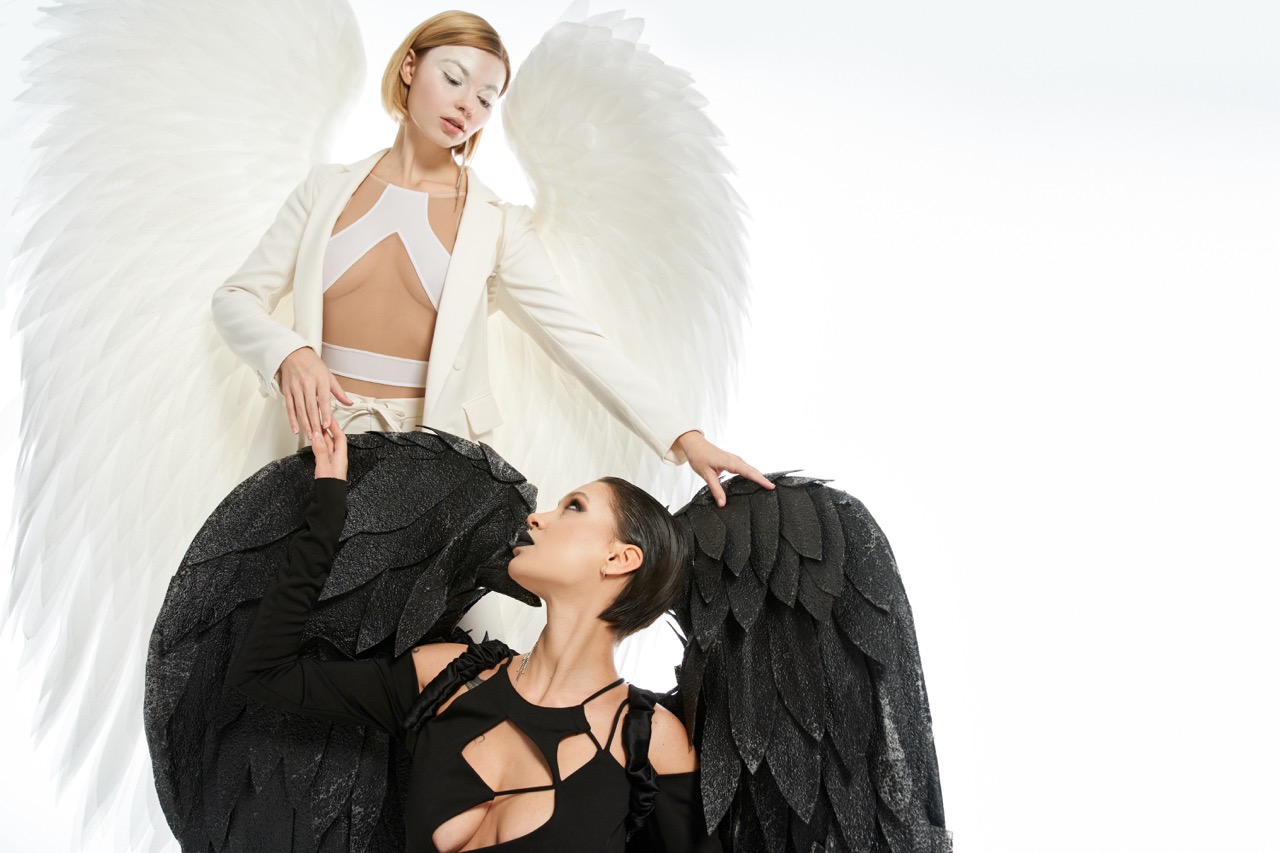
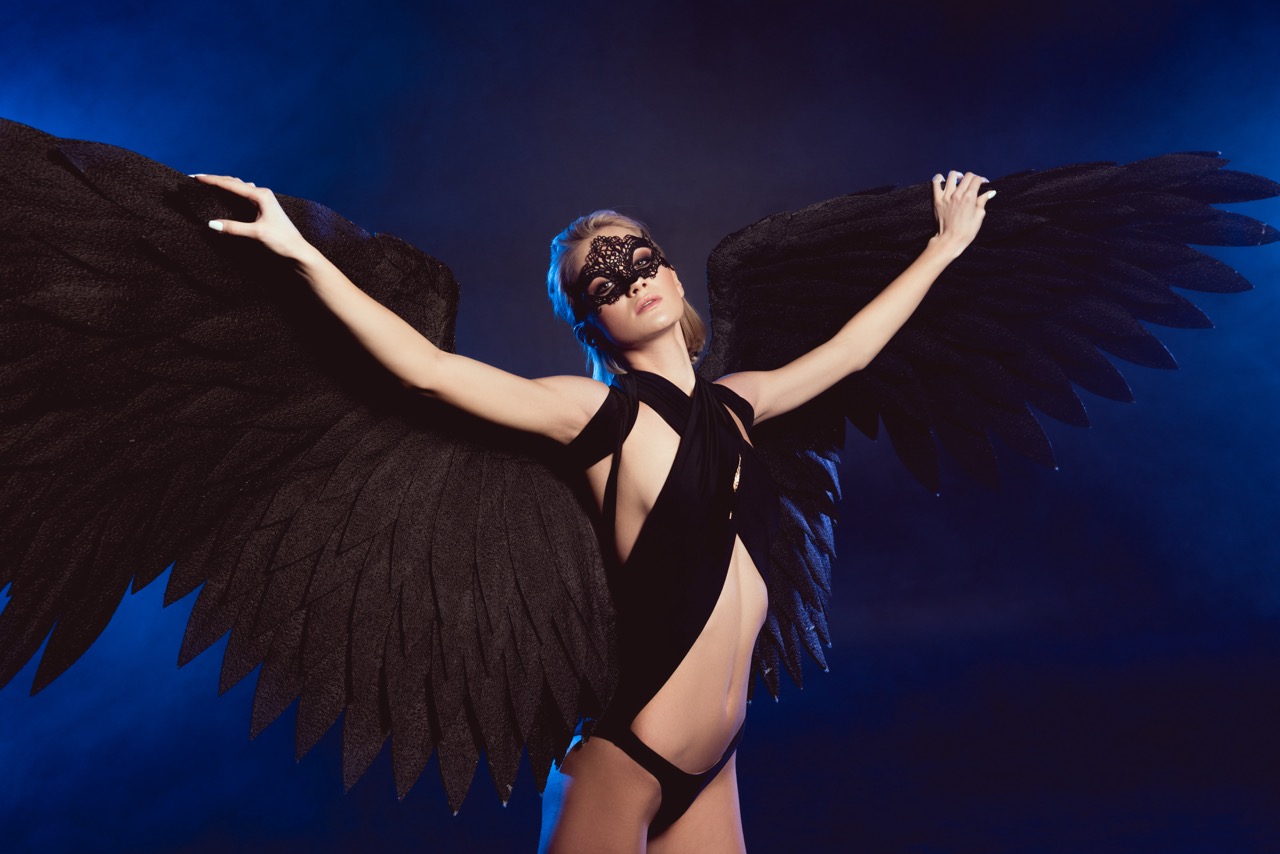
Selecting the appropriate dance wings is crucial for ensuring that they enhance rather than overshadow the performance. The first step is to consider the theme of your dance. For a whimsical fairy theme, delicate, pastel-colored wings can evoke a sense of lightness and joy. Conversely, for a more dramatic and powerful piece, darker, larger wings with intricate designs can convey strength and intensity. The colors and patterns of the wings should complement the costume and the overall aesthetic of the performance.
Next, think about the style of dance being performed. Different dance styles may benefit from different types of wings. For instance, contemporary or lyrical dance might utilize flowing, lightweight fabric that moves gracefully with the dancer’s body, while a theatrical piece may call for structured or metallic wings that make a bold statement. Understanding how the wings will interact with the choreography is essential. Ensure that the wings do not impede movement; instead, they should enhance the fluidity and expressiveness of the dance.
Lastly, consider the practical aspects of the wings. Are they easy to manipulate? Do they have the right weight to allow for effortless movement? Are they durable enough for repeated use? Test various options to ensure they align with your performance needs. Involving dancers in the selection process can also provide valuable insights, as their comfort and confidence with the wings will directly impact the performance’s execution.
Mastering Movement: Techniques to Enhance Dance Wing Use
To truly make the most of dance wings, performers must master specific techniques that enhance their use. One essential skill is learning to control the wings through various movements. Dancers should practice transitioning from one position to another while maintaining fluidity. Techniques such as arm isolation, grounding, and breath control can significantly improve how the wings flow with the dancer’s body. The goal is to create a seamless connection between the dancer and the wings, allowing them to become one cohesive entity on stage.
Additionally, understanding how to use space effectively is crucial. Dancers should be aware of their surroundings and how their wings interact with the stage. Developing spatial awareness will help dancers avoid collisions and awkward moments while maximizing the visual impact of their movements. Incorporating turns, leaps, and other dynamic movements can create stunning visuals, especially when the wings catch the light and create dramatic shadows. Practicing in front of mirrors or recording rehearsals can provide valuable feedback on movement quality and help refine wing techniques.
Finally, dancers should experiment with synchronization and timing. The wings should not just be an add-on but should work harmoniously with the rhythm and beats of the music. Integrating wing movements with musical crescendos and pauses can add an extra layer of emotional depth to the performance. By mastering these techniques, dancers can elevate their use of wings, transforming them into a powerful tool that enhances the overall performance and captivates the audience.
Captivating Your Audience: Tips for a Flawless Performance
A flawless performance is often the result of meticulous preparation and attention to detail. To captivate your audience, begin by ensuring that all elements of the performance are well-rehearsed. This includes synchronization with music, timing of movements, and coordination with fellow dancers. Conducting dry runs where performers can focus solely on the wing movements will help identify areas that may need tweaking before the final performance. This rehearsal time will also build confidence, allowing dancers to focus on expressing their artistry rather than worrying about technicalities.
In addition to rehearsals, consider the entrance and exit as key moments to engage your audience. A dramatic entry with wings fully extended can immediately draw in the audience’s attention. Similarly, a graceful exit can leave a lasting impression. Utilize these moments to showcase the wings’ beauty and enhance the audience’s emotional response. Creating a narrative that flows from the beginning to the end will keep the audience engaged, making them feel they’ve embarked on a journey alongside the performers.
Finally, connect with the audience during the performance. Engaging with viewers through eye contact, facial expressions, and body language can create an emotional bond that elevates the experience for both parties. When dancers convey genuine emotion and enthusiasm, it resonates deeply with the audience, making the performance memorable. By combining technical prowess with emotional connection, dancers can ensure that their use of wings not only enhances their performance but leaves a lasting impact on all who witness it.
Incorporating dance wings into a themed dance performance can elevate the artistry and emotional depth of the presentation. From unleashing creativity through thoughtful selection and movement techniques to captivating the audience with a flawless execution, the potential of dance wings is boundless. By thoughtfully integrating these elements, dancers can convey powerful narratives and engage audiences in a transformative experience. With the right approach, dance wings can become a magical conduit for storytelling, turning a performance into a mesmerizing celebration of movement and emotion.