
In the realm of dance, every performance is a tapestry woven with movement, emotion, and visual splendor. Among the myriad elements that can enhance a dancer’s presence on stage, dance wings stand out as a powerful tool for expression. These flowing extensions can transform a simple dance into an enchanting narrative, captivating the audience and elevating the overall performance. This article aims to guide you through the intricate process of choosing the perfect dance wings for your formal dance performance, ensuring that you not only look stunning but also feel confident and empowered as you take center stage.
Exploring the Enchantment: The Art of Dance Wings Selection
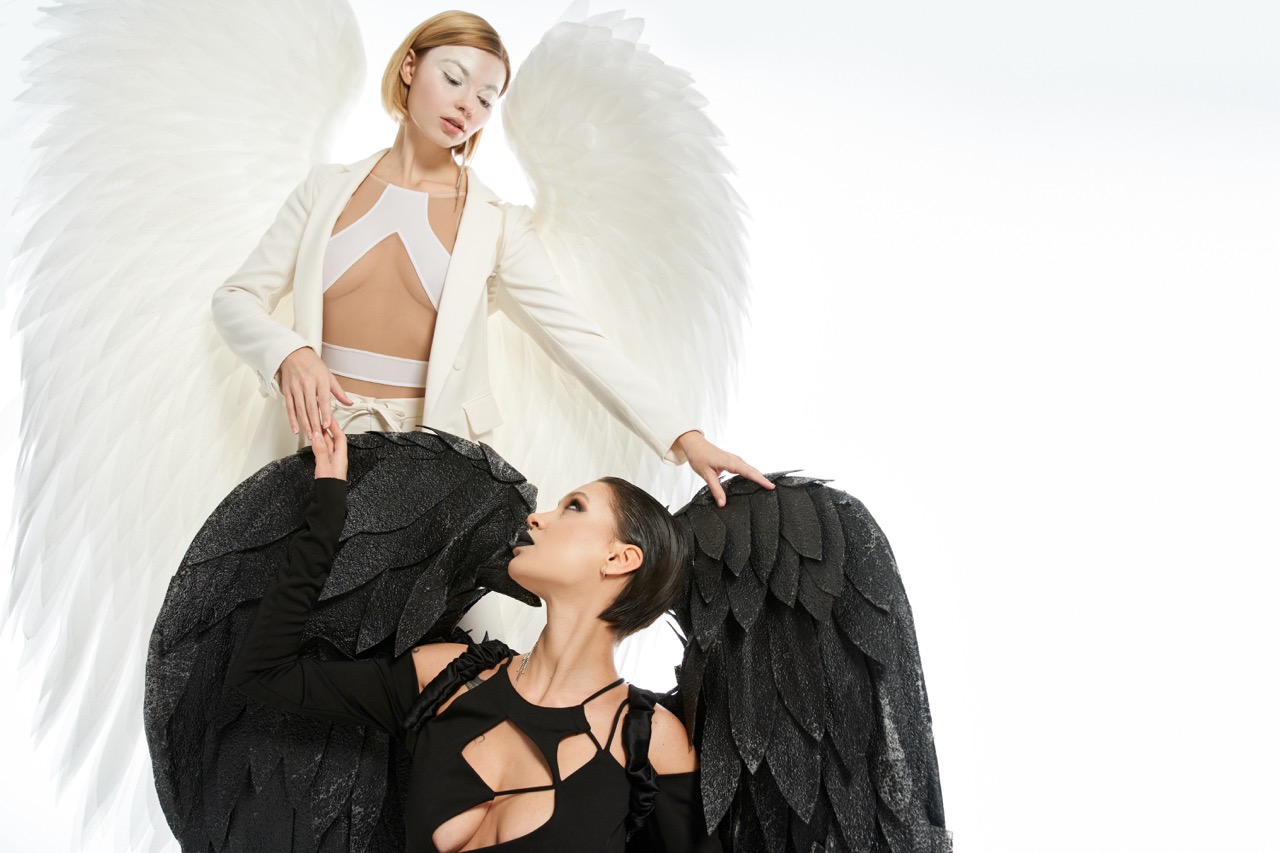
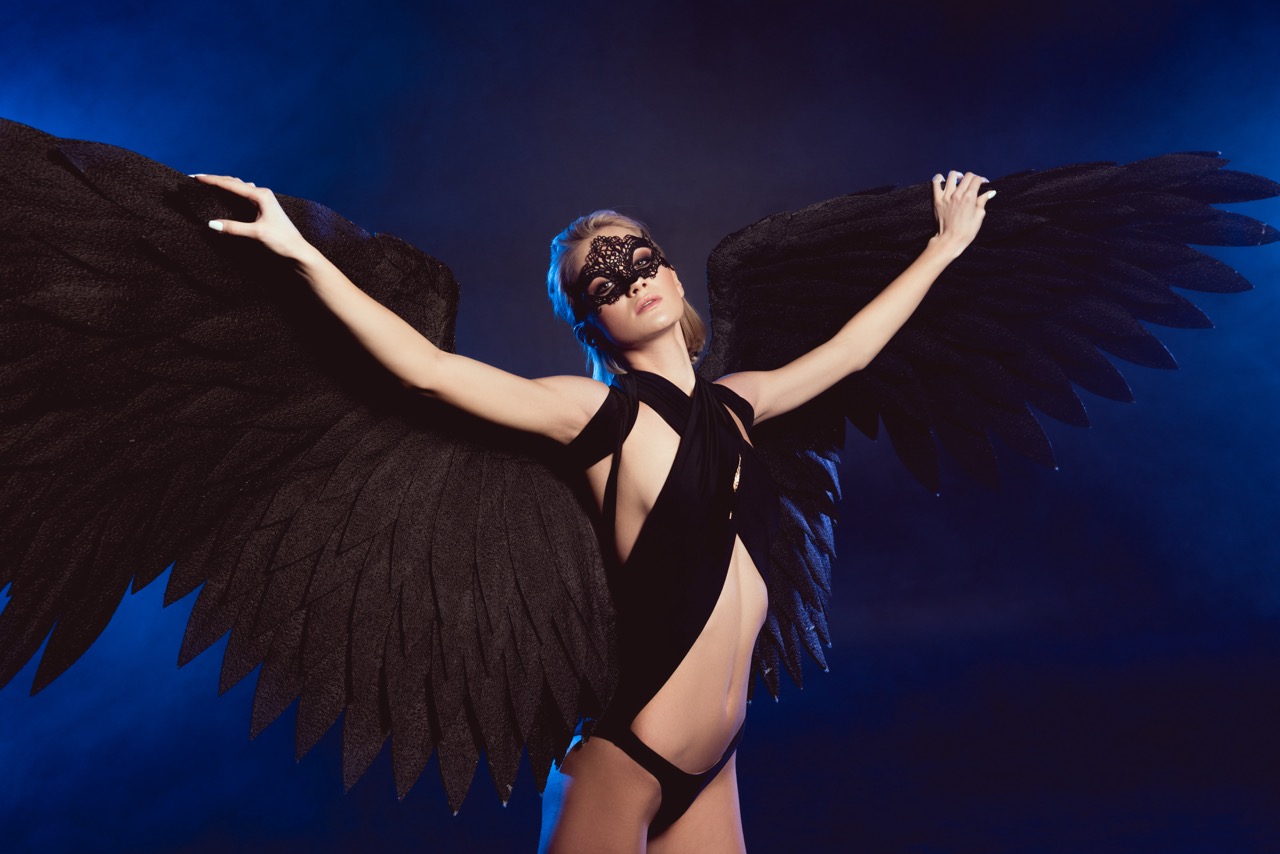
Selecting the right dance wings is akin to choosing the perfect brush for a masterpiece. The wings you choose should resonate with the essence of your dance style and the story you wish to convey. Whether you’re performing a lyrical piece, a contemporary number, or a traditional cultural dance, your wings should complement the choreography and enhance the mood. Consider the overall theme of your performance—if your routine is whimsical, opt for wings that are light and airy, whereas a dramatic piece may call for bold, heavier wings that create striking silhouettes.
Another essential aspect of this selection process is to experiment with various wing styles. From classical butterfly shapes to modern geometric designs, the options are endless. Consider the movement of the wings in relation to your dance; will they flow effortlessly or provide sharp, angular lines? Each design has its own personality and can significantly impact the visual storytelling of your performance. It’s advisable to try on different styles and observe how they interact with your movements, granting you a clearer vision of what will work best for your routine.
Lastly, consider the practical aspects of your dance wings. Will they be easy to attach and detach? Are they lightweight enough to allow for ease of movement? The enchantment of dance wings lies not just in their visual appeal, but also in their functionality. You want wings that will seamlessly integrate into your performance, allowing you to dance freely without distraction. Engaging with professionals or peers who have experience with dance wings can provide valuable insights and recommendations that align with your specific needs.
Material Matters: Selecting the Perfect Fabric for Grace
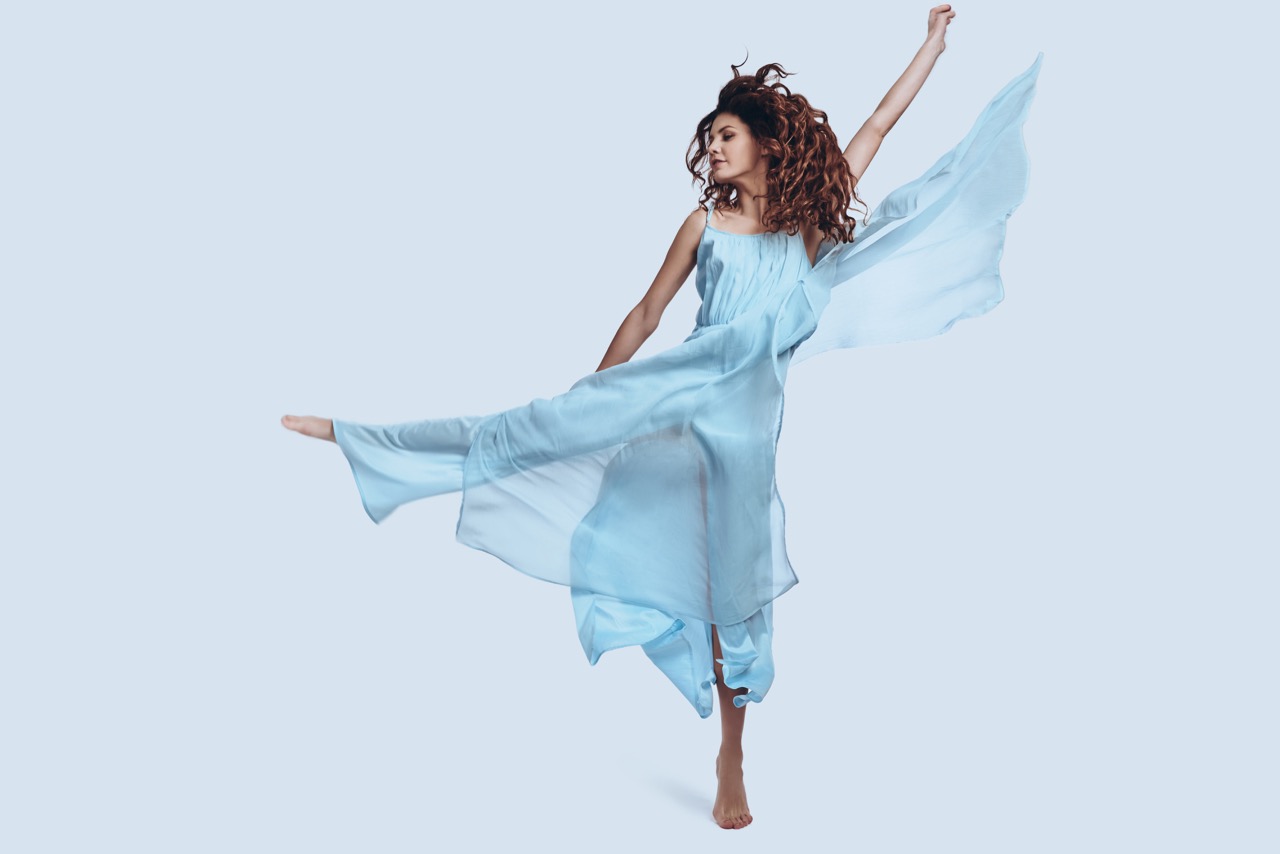
The material of your dance wings plays a vital role in how they look and feel during your performance. Fabrics such as silk and chiffon are popular choices due to their lightness and fluidity, allowing the wings to billow gracefully with even the gentlest of movements. On the other hand, heavier fabrics like satin or organza create a more structured appearance, which can be mesmerizing in their own right, especially during dramatic sequences. When selecting the fabric, consider the type of dance you’re performing and how you want the wings to behave in motion.
Durability and ease of care are also crucial factors when choosing fabric for dance wings. Performances often involve rigorous movements, and your wings must withstand the rigors of repeated use. Fabrics that are snag-resistant and easy to clean can save you from last-minute stress. Additionally, consider how the fabric drapes and catches the light; some materials will shimmer and reflect beautifully under stage lighting, enhancing your visual impact.
Lastly, comfort cannot be overlooked. The weight and texture of the fabric will influence how the wings feel against your skin and how they interact with your movements. A fabric that feels luscious and soft can boost your confidence, allowing you to focus solely on your performance. It’s essential to try on wings made from different materials and see how they resonate with you, ensuring that they align both with your vision and your physical comfort.
Color Psychology: Choosing Hues that Captivate the Audience
Color is a powerful tool in dance, capable of evoking emotions and influencing audience perception. Understanding color psychology will help you pick hues that not only enhance your performance but also communicate your intended message effectively. For instance, warm colors like red and orange exude energy and passion, making them excellent choices for high-energy performances. Conversely, cool colors like blue or green can evoke calmness and serenity, ideal for softer, more lyrical dances.
In addition to the emotional impact, consider how colors interact with stage lighting. Certain shades will appear differently under bright lights, so it’s essential to test your wings in similar lighting conditions to those you’ll encounter during your performance. Some colors may wash out entirely or become overly vibrant, altering the effect you intend to create. Selecting colors that hold their integrity under various lighting conditions will ensure that your visual impact remains consistent throughout your performance.
Lastly, don’t shy away from the idea of incorporating contrasting or complementary colors. This technique can create visual interest and depth, drawing the audience’s eyes to your movements and expressions. By thoughtfully combining colors, you can create a stunning palette that enhances both your dance wings and your overall performance. Seek feedback from trusted dancers or choreographers to ensure your color choices align with the narrative of your dance while still captivating the audience.
Size and Shape: Finding the Ideal Dance Wings for You
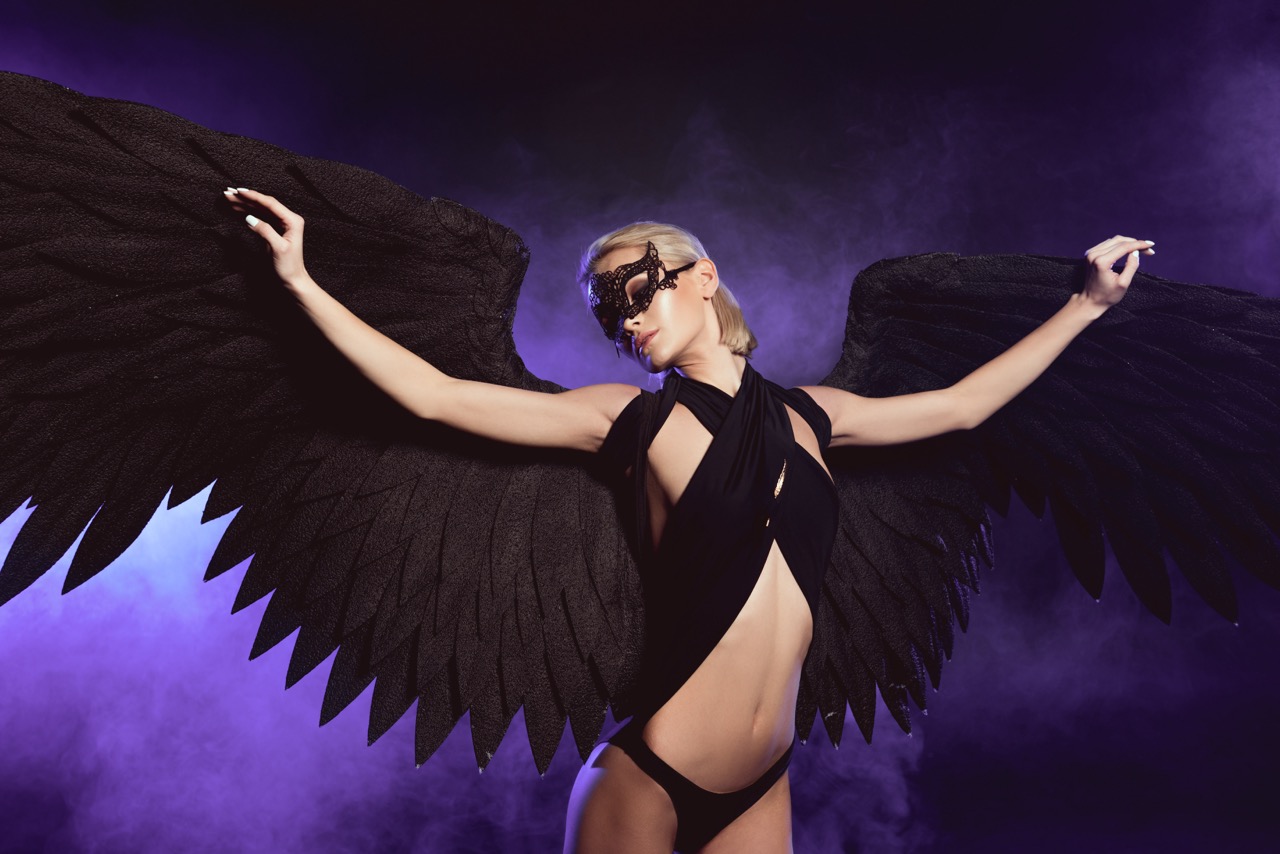
The size and shape of your dance wings are critical to achieving the desired effect on stage. Larger wings create a dramatic presence, allowing for expansive movements that can fill the space around you. However, oversized wings may also limit mobility and require careful consideration of the choreography. Striking a balance between visual impact and functionality is essential—wings that are too large might overshadow your performance, while those that are too small may lack the necessary presence.
Shape is equally important in defining the character of your wings. Traditional shapes, like large, sweeping arcs or delicate feathers, convey grace and elegance, while modern designs can introduce a boldness or abstract quality that complements contemporary choreography. Experiment with various shapes and how they interact with your movements. You’ll want to feel as if the wings are an extension of your body, enhancing your gestures rather than hindering them.
Finally, personal preference plays a significant role in determining the ideal size and shape of your dance wings. Every dancer has a unique build, style, and comfort level, which can influence how wings feel and perform. It’s crucial to choose wings that resonate with your individuality, allowing you to express yourself authentically on stage. Consider consulting with your choreographer or other dancers to gather insights and recommendations, but ultimately, your intuition should guide your final decision.
Choosing the perfect dance wings for a formal performance is an enchanting journey that combines creativity, practicality, and personal expression. By exploring the art of selection, understanding material nuances, appreciating color psychology, and considering size and shape, you can elevate your dance to new heights. Dance wings are not merely accessories; they are vital extensions of your artistry that can captivate audiences and tell your story in a breathtaking manner. So, embrace the enchantment, let your wings take flight, and prepare to make a lasting impression on stage.