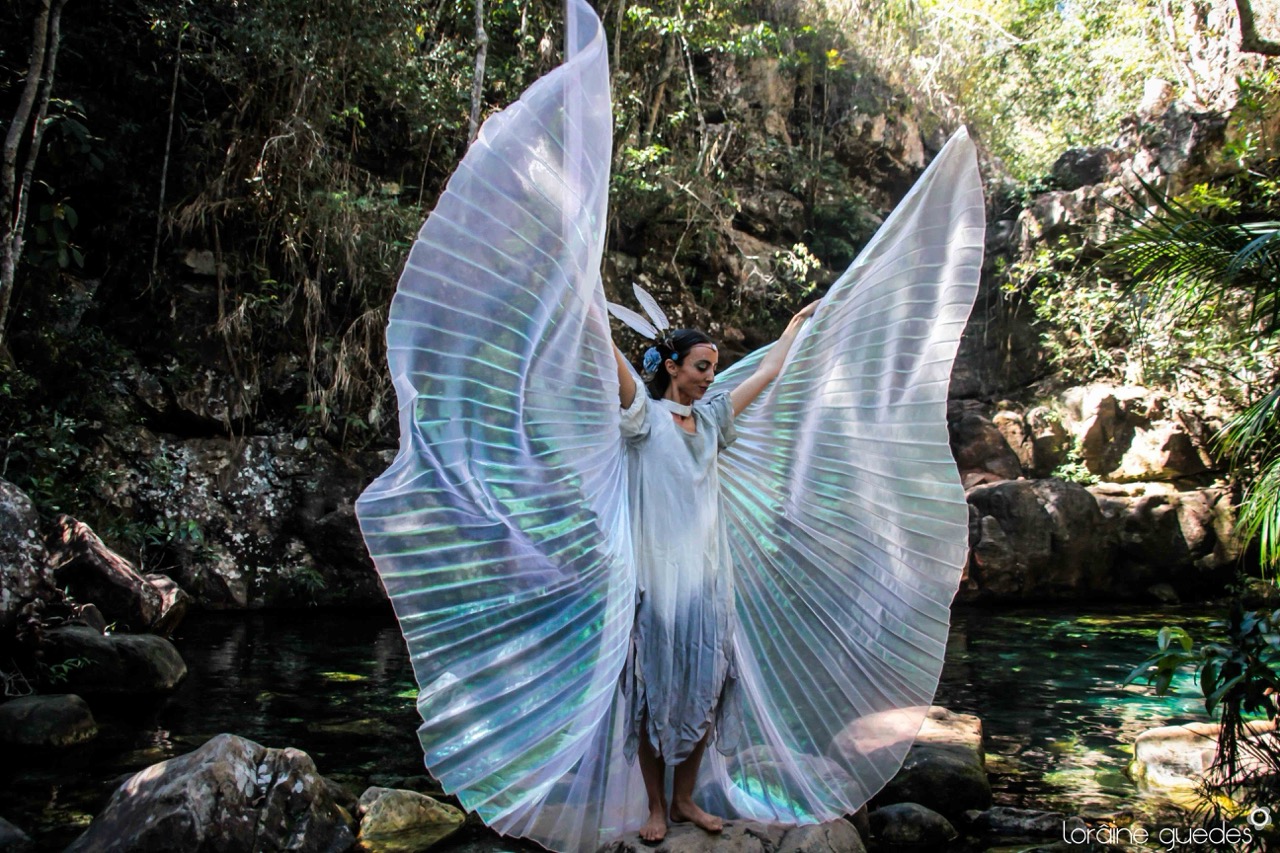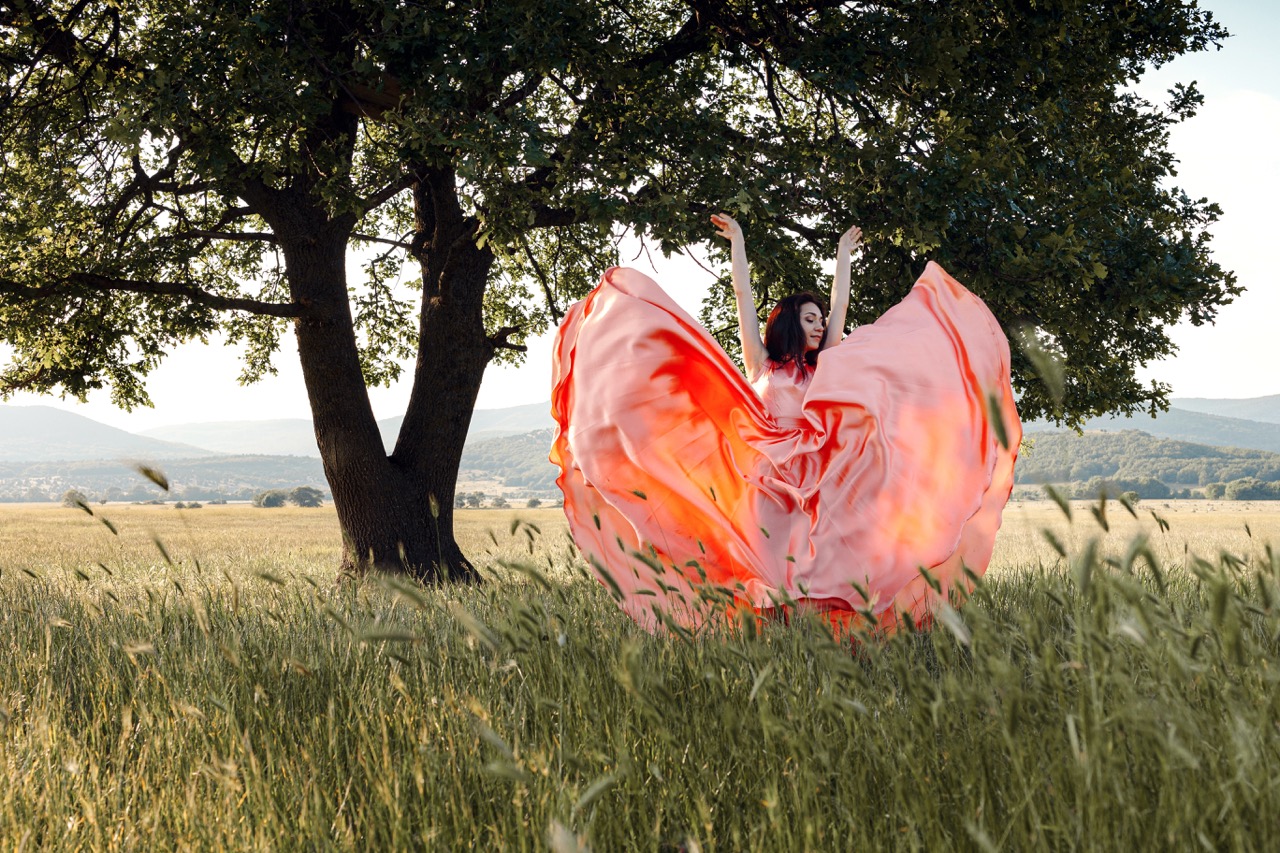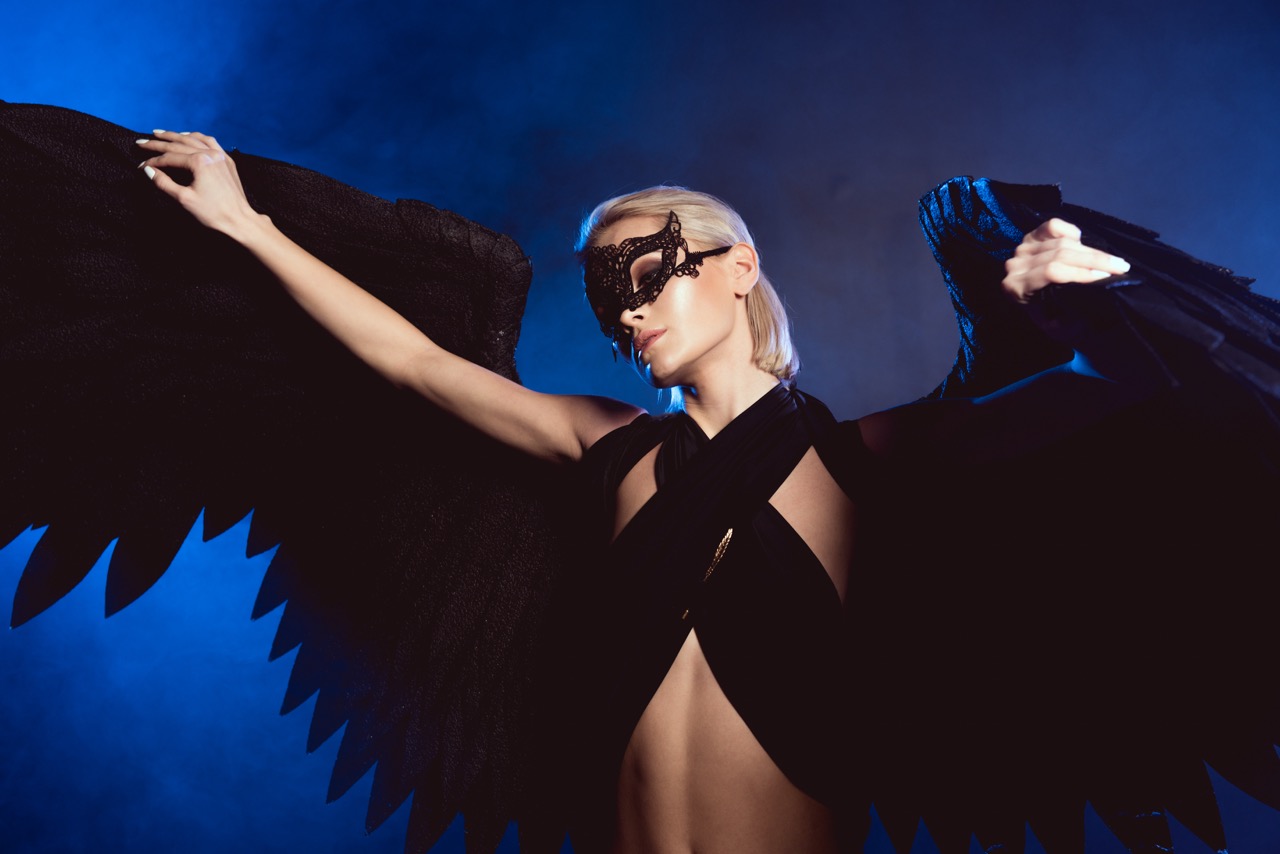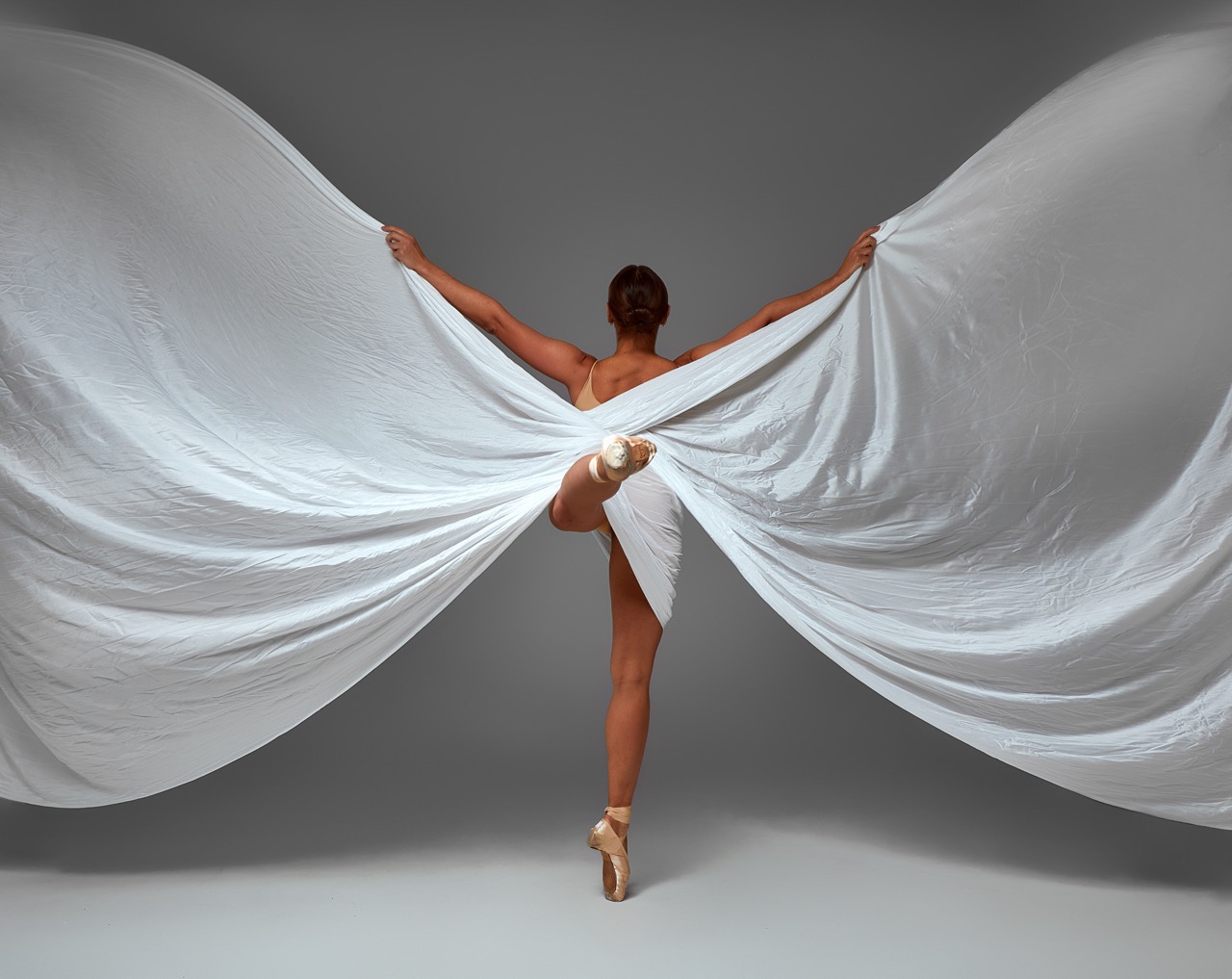


In the world of dance, the allure of winged costumes transcends mere aesthetics; they embody freedom, fantasy, and transformation. Dancers prepare meticulously for performances that include these elaborate outfits, as the costumes serve both as a visual spectacle and a physical extension of their artistry. The process of readying oneself for such performances involves a multifaceted approach, encompassing artistic expression, intricate design, intensive physical training, and mental fortitude. In this article, we delve into the preparation process for dancers adorned with winged costumes, exploring the artistry behind the aesthetic, the creativity required in crafting the look, the rigorous training for physical demands, and the mental techniques dancers employ to find their center before stepping onto the stage.
The Art of Transformation: Embracing the Winged Aesthetic
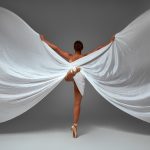
The transformation that occurs when a dancer dons a winged costume is both profound and enchanting. These costumes are often designed to evoke a sense of otherworldliness, allowing performers to transcend their human forms and embody mythical creatures or celestial beings. Dancers embrace this metamorphosis, understanding that the wings are not just accessories but integral components that elevate their storytelling. The ability to channel the essence of flight and grace is essential; it requires dancers to tap into their imagination, invigorating their movements with a sense of liberation and magic.
Moreover, the winged aesthetic challenges dancers to explore new dimensions of movement. The physical weight and spatial requirements of the wings necessitate a heightened awareness of one’s body, encouraging performers to break free from conventional dance norms. As they learn to navigate their newfound form, dancers often find fresh nuances in their technique, allowing them to express deeper emotions and narratives through their choreography. This journey of transformation fosters a strong connection between the dancer and the audience, as the visual impact of the wings amplifies the emotional journey being portrayed.
In embracing the winged aesthetic, dancers also engage with the transformative potential of their performance. The act of stepping onto the stage adorned in these elaborate costumes is a ritual, a reminder of the duality of their existence as both artist and character. This duality invites audiences into a world of fantasy, urging them to suspend disbelief and engage with the narrative on a deeper level. The wings become symbols of aspiration and transcendence, enabling dancers to share their vision of flight, freedom, and artistic expression.
Crafting the Perfect Look: Designing Winged Costumes
The design of winged costumes is a complex interplay of creativity, craftsmanship, and functionality. Costume designers often begin by collaborating closely with the dancers to understand their vision and the narrative they wish to convey. The process involves sketching initial designs, selecting materials, and considering the practicality of movement. Fabrics must be lightweight yet durable, allowing for fluidity while providing sufficient support for the elaborate structures of the wings. Designers must also contemplate color palettes, textures, and embellishments that will resonate with the performance’s theme and enhance the overall visual impact.
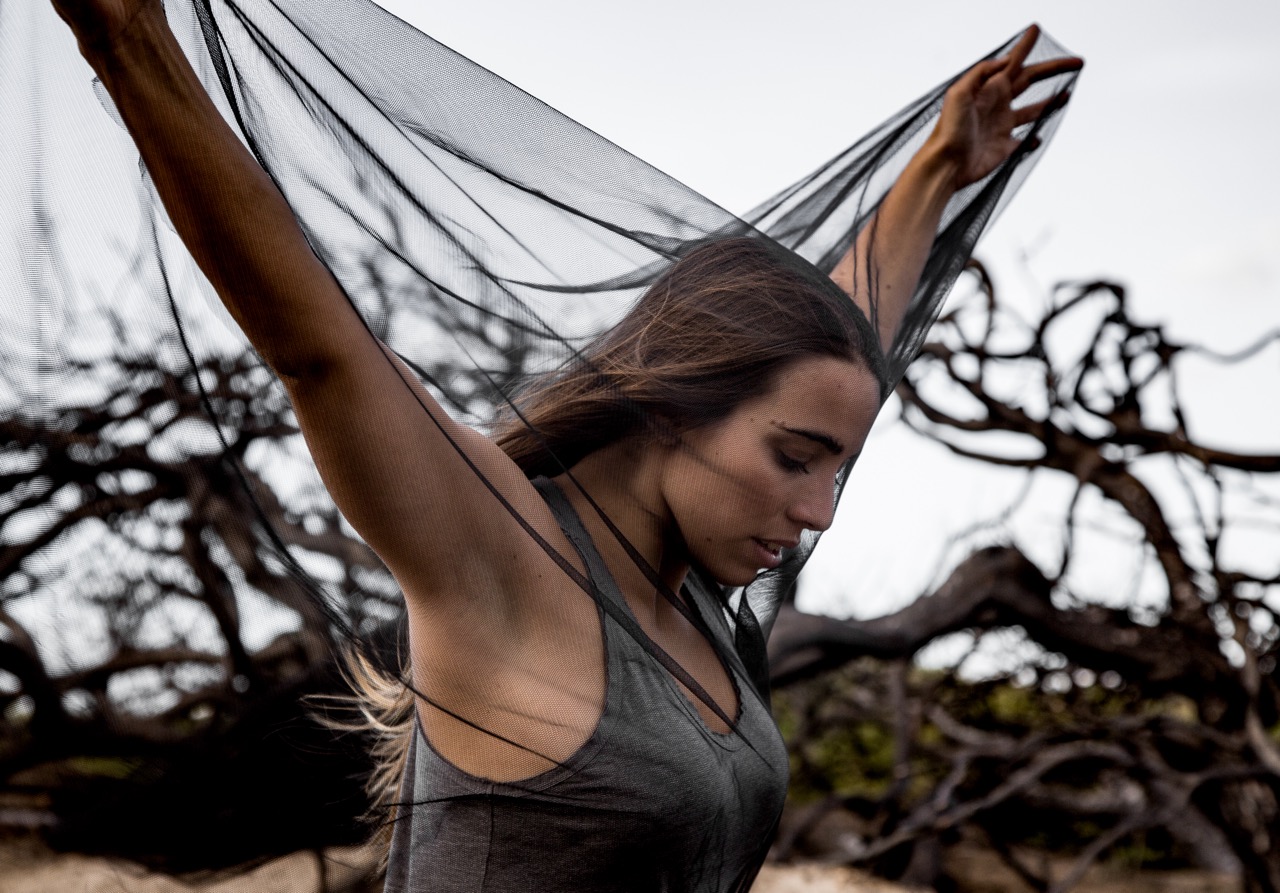
Once the initial designs are conceptualized, the crafting process begins, often involving multiple fittings to ensure that every detail is refined. The wings themselves can vary significantly in design—from ethereal, gossamer structures that catch the light to more robust, sculptural forms that command attention. Each choice—be it the length of the wings, the type of fastenings, or the integration of LED lights—plays a crucial role in how the dancer will embody the costume. Designers must strike the delicate balance between artistic expression and practical considerations, ensuring that the costumes allow for agility while still appearing visually stunning.
The final touch often involves a rehearsal period where dancers become accustomed to their new costumes. This acclimatization is essential; even the most beautifully designed winged costumes can present challenges if the dancer does not feel comfortable or confident in the attire. Through trial and error, dancers learn to adapt their movements to complement the weight and dynamics of their wings, ultimately discovering how to integrate the costume into their performance seamlessly. The result is a captivating visual spectacle that accentuates both the dancer’s performance and the intricate artistry of the costume itself.
The Physical Prep: Training for Grace and Strength
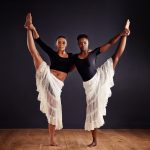
Dancing in winged costumes demands not just artistic flair but also significant physical preparation. The weight and bulk of wings can change a dancer’s center of gravity, requiring them to develop enhanced core strength and balance. Dancers may engage in targeted strength training to build the muscles necessary for supporting the added weight, focusing on exercises that strengthen the shoulders, back, and abdominal areas. This physical conditioning is crucial, as it enables them to maintain grace and fluidity while performing complex movements.
In addition to strength training, flexibility exercises are paramount in ensuring dancers can move freely and effortlessly while wearing winged costumes. Stretching routines that emphasize shoulder mobility, hip flexibility, and overall body alignment are integral parts of their preparation. As dancers become accustomed to the added dimensions of their costumes, they often incorporate specific movements that mimic the expansive reach of wings, allowing them to practice their choreography with the necessary spatial awareness. This combination of strength and flexibility training ultimately enhances their performance, enabling them to execute dynamic sequences with ease.
Finally, the physical preparation for a performance with winged costumes is complemented by rigorous rehearsal schedules. Dancers spend countless hours practicing their routines, focusing on the integration of their movements with the costume. This practice helps them identify any potential challenges—such as restricted movement or balance issues—and make adjustments accordingly. Through this dedicated training, dancers not only hone their skills but also cultivate the strength and grace required to embody their characters fully, ensuring that their performance leaves a lasting impression on the audience.
Mental Readiness: Visualization Techniques for Dancers
As vital as physical preparation is, mental readiness plays an equally significant role in a dancer’s performance, especially when adorned in winged costumes. Visualization techniques are commonly employed to help dancers mentally rehearse their choreography, envisioning each movement with clarity and precision. By imagining themselves executing their routines flawlessly, dancers can build confidence and reduce performance anxiety. This mental practice allows them to establish a sense of familiarity with their movements, making it easier to adapt on stage when the actual performance occurs.
Moreover, visualization extends beyond mere choreography; it encompasses the entire experience of performing in winged costumes. Dancers take time to imagine how they will look, feel, and connect with the audience while wearing their costumes. This holistic approach to mental preparation fosters a deeper understanding of their character, allowing them to embody the essence of flight and freedom. By visualizing the emotional arc of their performance, dancers can tap into the underlying themes of their piece, ensuring that they convey the intended message with authenticity and impact.
Finally, mindfulness and grounding techniques are often used to cultivate a sense of calm and focus before stepping onto the stage. Dancers engage in breathing exercises, meditation, or even gentle stretching to center themselves, quieting any racing thoughts or nerves. This practice not only helps them connect with their bodies but also allows them to focus their energy on the performance ahead. By harmonizing their physical readiness with mental clarity, dancers transform into captivating embodiments of their art, ready to take flight in front of an audience.
Preparing for performances with winged costumes is an intricate dance of artistry, design, physical conditioning, and mental fortitude. Each aspect—from the transformative embrace of the winged aesthetic to the collaborative process of costume crafting, the rigorous physical training, and the essential mental preparation—contributes to the overall success of the performance. Ultimately, it is this holistic approach that allows dancers to not only shine in their roles but also connect with their audiences on a profound level, transporting them to a realm where the boundaries of reality and fantasy blur. As they take flight on stage, these dancers invite us to witness the beauty of transformation and the power of artistry in motion.