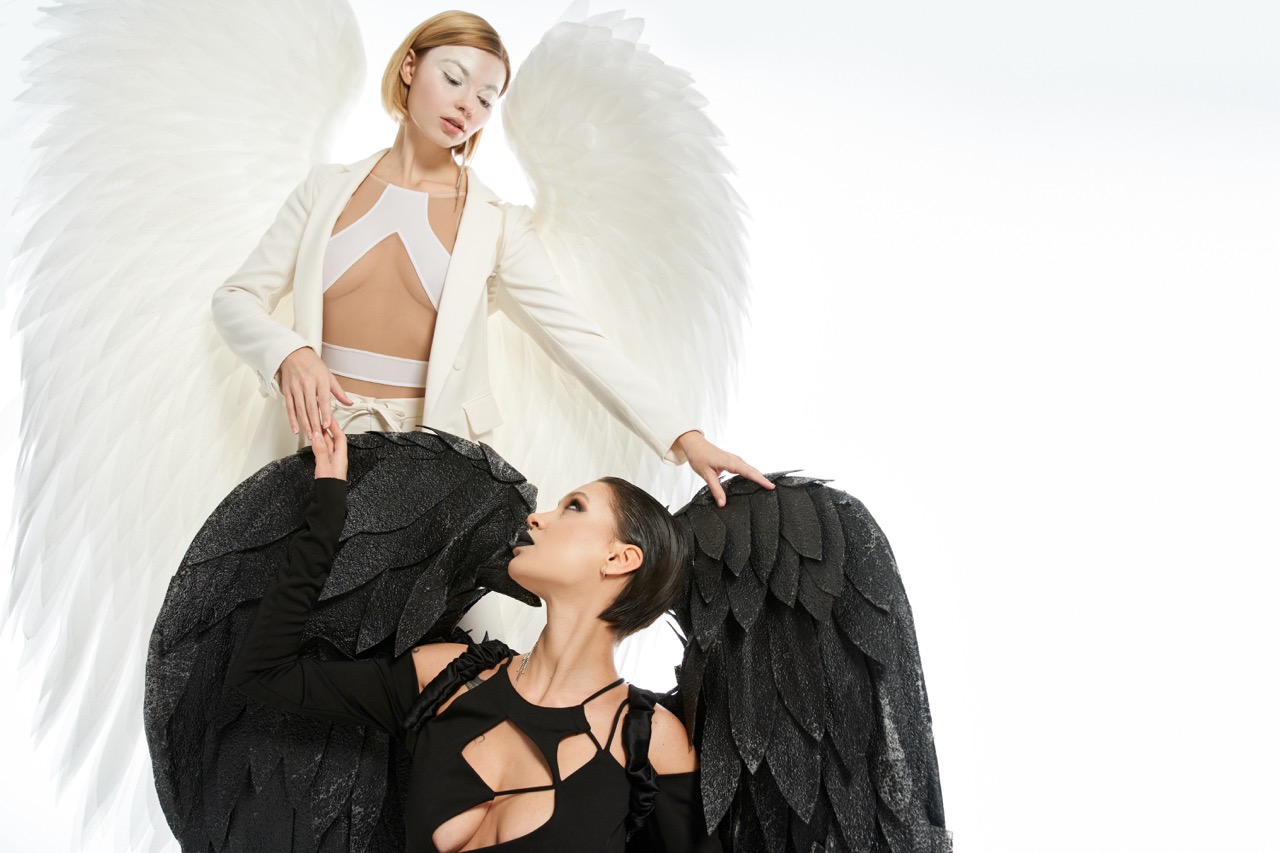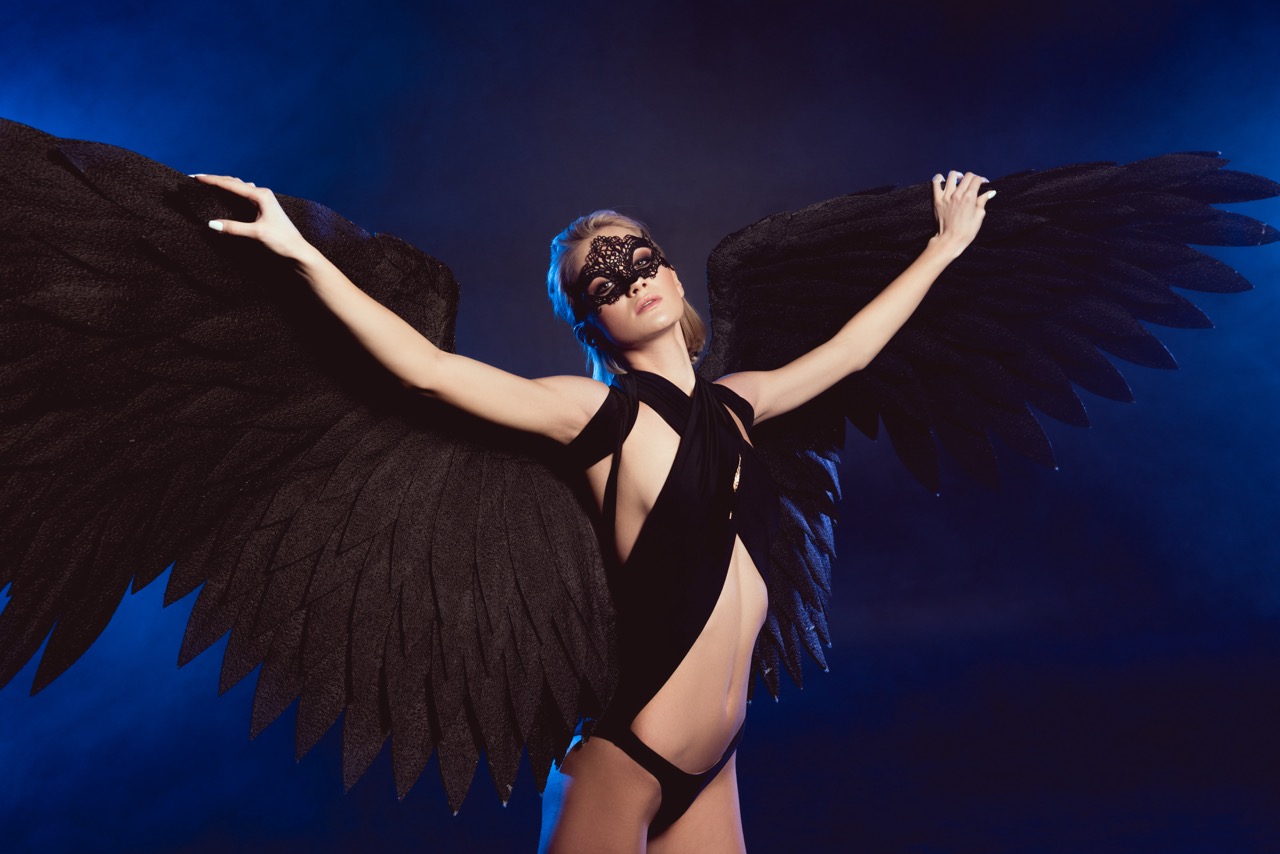

Dance is a language of the body, a form of expression that transcends words and unites people through movement. Among the myriad of tools dancers utilize to enhance their performance, dance wings stand out as a captivating element that transforms the visual narrative of a dance piece. These flowing extensions not only add an element of grace and drama but also serve as a medium through which emotions and stories are conveyed. In this article, we explore how dance wings elevate dance expression, exploring their artistry, transformative power, emotional amplification, and the visual symphony they create during performances.
Embracing Elegance: The Artistry of Dance Wings
Dance wings are more than just fabric; they are an extension of the dancer’s artistry, allowing for a visual language that complements and enhances the choreography. Typically made from lightweight materials such as silk, chiffon, or organza, these wings catch the light and move fluidly, creating a mesmerizing effect that draws the audience into the performance. The sheer elegance of dance wings adds a layer of sophistication, transforming a simple dance routine into a captivating spectacle.
The use of color and design in dance wings further enhances their aesthetic appeal. Vibrant hues can evoke specific emotions, while intricate patterns tell stories of their own. When dancers manipulate these wings in tandem with their movements, they create a dynamic interplay of color and motion that captures the viewer’s attention and imagination. Every flutter and sweep of the wings speaks to the artistry of the performer, bridging the gap between dance and visual art.
In many cultural dances, wings have historical significance, representing various elements within storytelling traditions. From the elegant movements of a ballet to the spirited expressions of folk dance, the incorporation of wings can lend authenticity and depth, allowing dancers to pay homage to their cultural roots while simultaneously exploring contemporary interpretations. As performers embrace the artistic potential of dance wings, they invite audiences into a world rich with beauty and emotion.
The Transformative Power of Flowing Materials in Dance
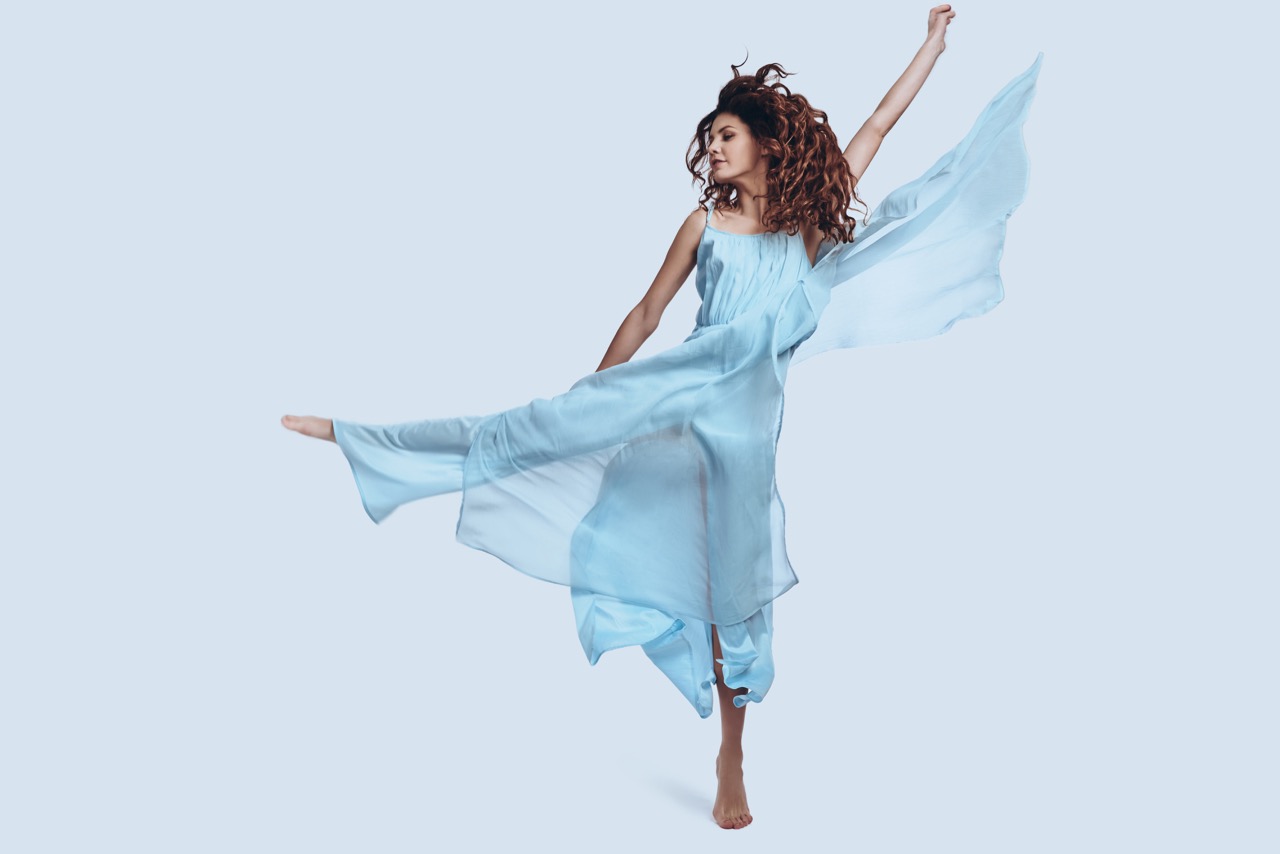
The materials used in dance wings play a crucial role in their transformative power. Flowing fabrics enhance the sense of movement, allowing dancers to create waves and arcs that mimic the natural rhythm of the music. This fluidity serves to amplify the dancer’s physical expression, making each gesture more pronounced and impactful. As the dancer moves, the fabric ripples and flows, creating a striking visual that can evoke a range of emotions—from joy to melancholy, strength to vulnerability.
Moreover, the way materials interact with light adds an extra layer of enchantment. In a well-lit performance space, the shimmering surfaces of dance wings can reflect and refract light, producing a dazzling effect that elevates the overall ambiance. This interplay of light and movement not only captivates the audience but also allows for a deeper emotional connection with the performance. Each movement becomes a dance of light and shadow, encouraging viewers to experience the performance on a sensory level.
The versatility of dance wings also enables choreographers to experiment with different styles and themes. Whether it’s a dramatic solo performance or an ensemble piece, wings can be adapted to suit the mood and message of the dance. This adaptability allows for a creative exploration of form and style, encouraging dancers to push the boundaries of traditional movement while maintaining a connection to the essence of the art form.
Enhancing Movement: How Dance Wings Amplify Emotion
Dance is inherently emotional, and the addition of dance wings serves to amplify these feelings, allowing dancers to convey complex emotions more effectively. The very act of manipulating the wings can become an expression of inner feelings—each wave and flourish speaks volumes. For instance, a slow, sweeping motion can portray grace and serenity, while a quick, erratic flutter may express urgency or turmoil. This adaptability enables dancers to connect with their audiences on a deeper emotional level.
Furthermore, the relationship between the dancer and their wings fosters a unique synergy that enhances the storytelling aspect of their performance. As the dancer becomes one with their wings, the boundaries between performer and prop blur, creating a seamless narrative flow. The wings become a reflection of the dancer’s inner thoughts and emotions, a visual manifestation of their psychological journey throughout the piece. This depth of expression is what captivates audiences, inviting them to engage with the performance beyond the superficial.
In ensemble performances, the collective use of wings can heighten the emotional impact exponentially. When dancers move in unison, the synchronized waves of fabric create a stunning visual tapestry that tells a shared story of connection and unity. This harmonized movement not only showcases individual talent but also illustrates the power of collaboration within dance, where the collective expression of emotion can resonate deeply with the audience.
Crafting a Visual Symphony: Dance Wings in Performance
In performance, dance wings serve as a powerful instrument to craft a visual symphony that enhances the overall artistic experience. The choreographer’s vision, combined with the dancer’s interpretation, creates a harmonious relationship between movement, music, and visual design. The wings can accentuate specific beats or crescendos in the music, allowing the audience to experience a multi-sensory journey that goes beyond mere observation.
Additionally, the varying sizes and shapes of dance wings open up a plethora of creative possibilities for staging and choreography. Whether it’s a large, billowing cape that envelops the dancer or delicate, smaller wings that shimmer with each subtle movement, these elements can be manipulated in countless ways to create striking visuals. The choreography can be designed around the wings, allowing for dynamic formations that capture the essence of the music and the story being told.
Ultimately, dance wings contribute to a rich tapestry of visual storytelling that elevates the performance to new heights. The combination of movement, material, and emotion creates a scene that resonates with the audience long after the final bow. This visual symphony showcases the beauty of dance as an art form, emphasizing the importance of creativity and expression in every performance, and reminding us of the powerful role that dance wings play in this enchanting world.
In conclusion, dance wings are more than mere accessories; they are transformative tools that enhance the artistry of dance and elevate its expression. By embracing elegance, utilizing flowing materials, amplifying emotion, and crafting a visual symphony, wings have become an integral part of the dance narrative. As dancers continue to explore the possibilities that these enchanting pieces offer, they invite audiences into a deeper understanding of the emotions and stories conveyed through movement. In the realm of dance, where every gesture carries meaning, dance wings serve as a beautiful reminder of the artistry and creativity that lies at the heart of this timeless expression.