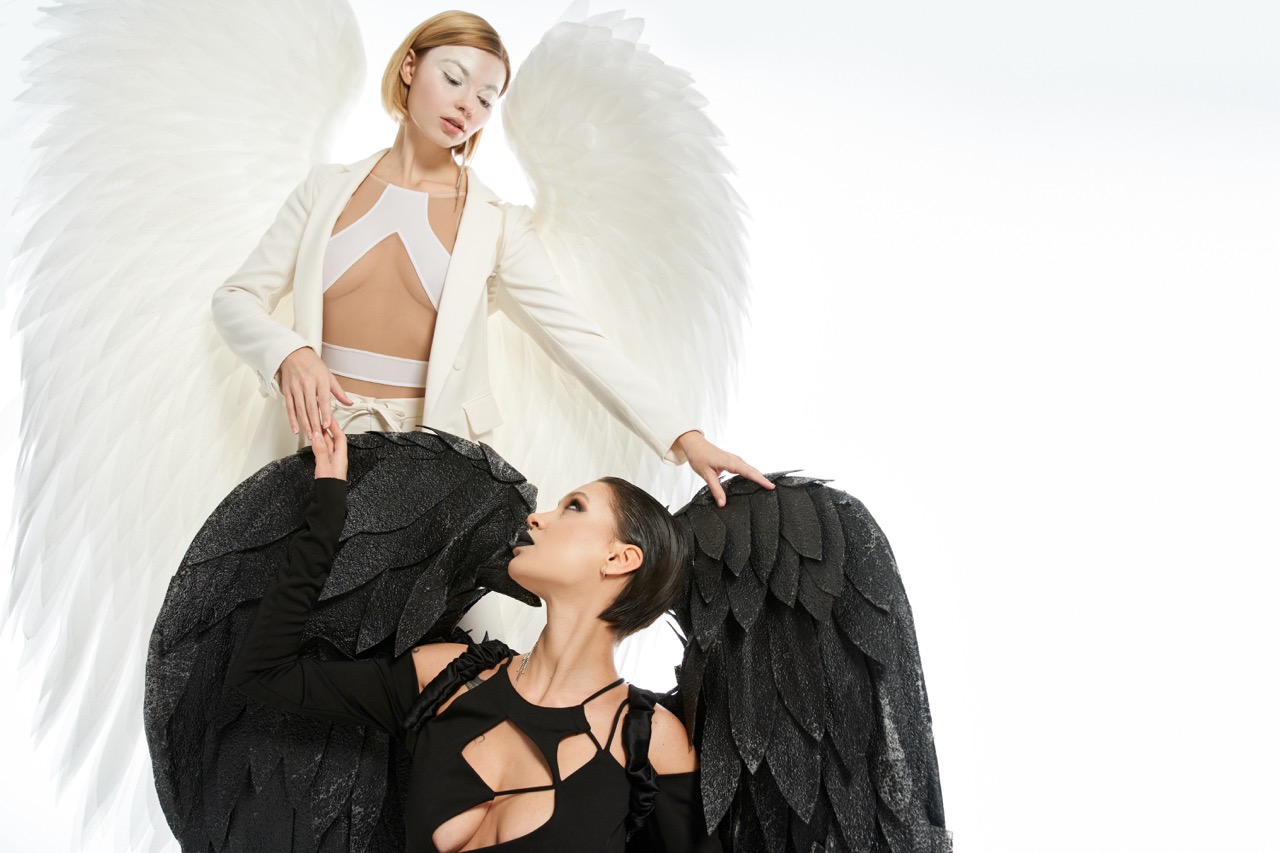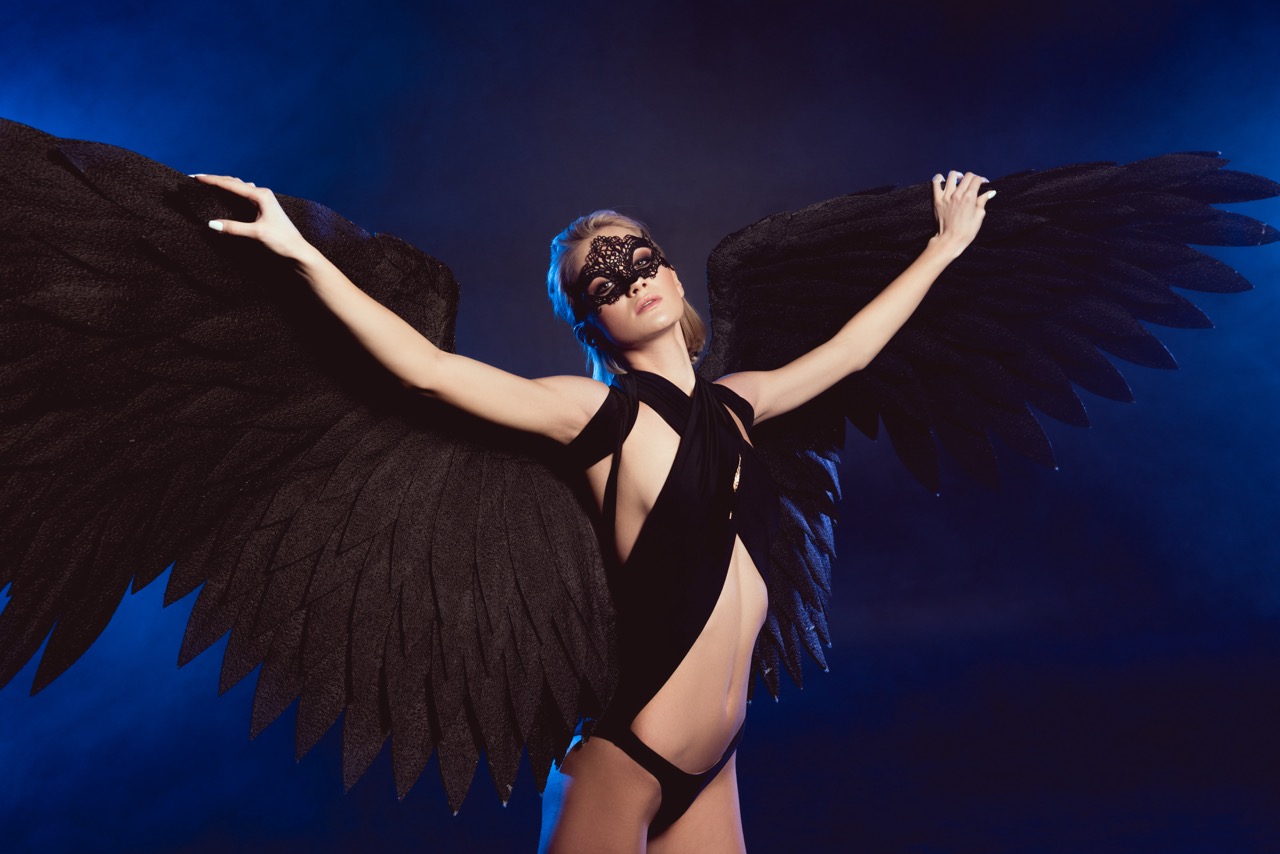

In the world of performing arts, visual elements play a pivotal role in conveying emotion, narrative, and character. Among these elements, dance wings stand out as a remarkable accessory that enhances the dynamics of stage performance. These ethereal creations not only add a layer of visual intrigue but also serve as powerful tools that elevate the dancer’s presence. From fabric to design, and choreography to execution, dance wings create a captivating spectacle that enchants audiences and enriches storytelling in dance.
The Art of Dance Wings: Enhancing Stage Presence
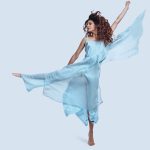
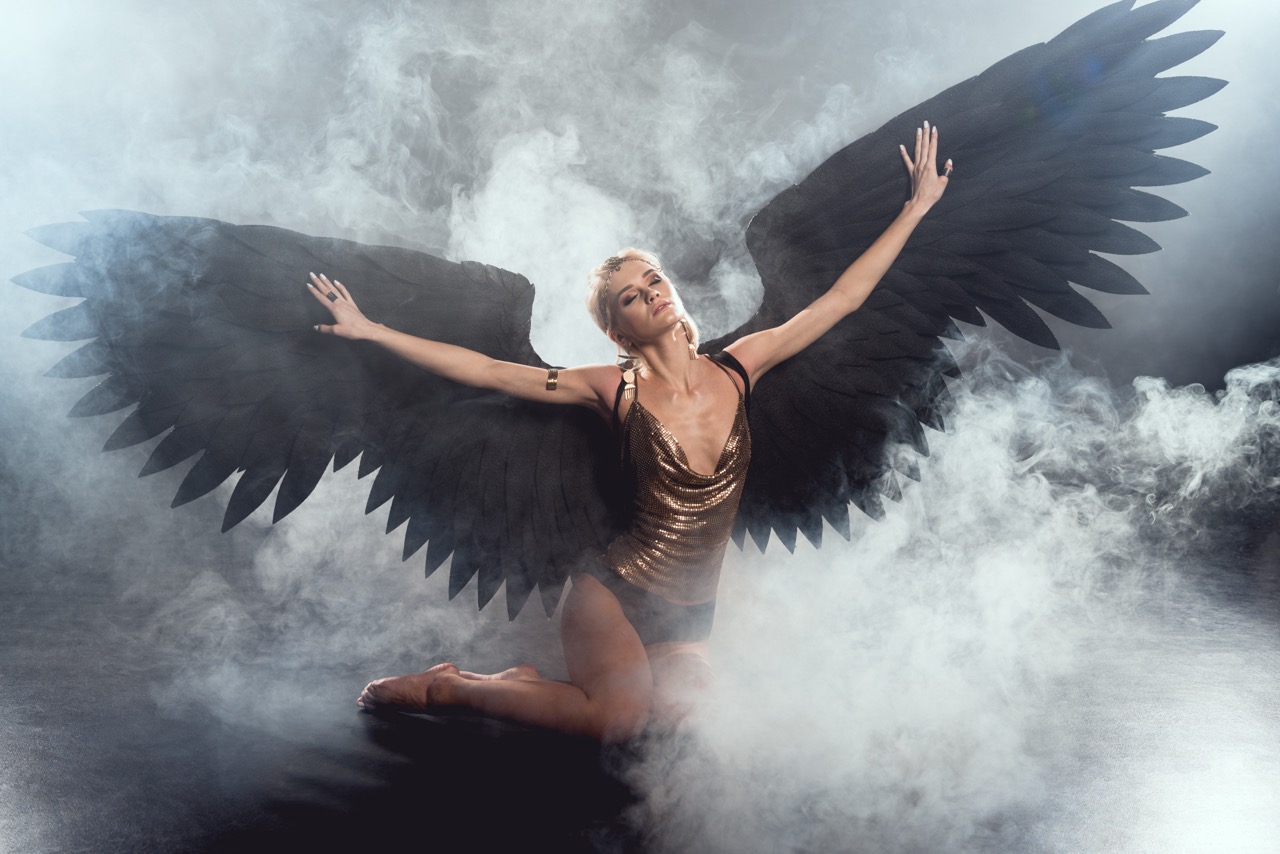
Dance wings are more than just decorative garments; they are a testament to the intricate artistry involved in performance. Traditionally crafted from light, flowing materials, dance wings can transform even the simplest of movements into a sweeping, graceful display. When dancers expand their arms, the wings billow and flutter, creating a dramatic visual effect that captures the essence of movement and emotion, drawing the audience into the narrative being portrayed.
The psychological impact of dance wings is profound. They serve as extensions of the dancer’s body, amplifying their physical expressions and allowing for a greater range of movement. When dancers incorporate wings into their choreography, they create a dialogue between the performer and the audience, evoking feelings of wonder and enchantment. This connection transforms the stage into a dynamic canvas where every flutter and sway tells a story, enhancing the overall impact of the performance.
Moreover, the use of dance wings can symbolize various themes within a performance, from freedom and transcendence to mystery and transformation. By selecting specific colors, patterns, and materials, choreographers and designers can imbue the wings with deeper meaning, thus enriching the narrative. This thoughtful integration of wings into a performance not only enhances the stage presence of the dancer but also invites the audience to reflect on the layers of significance woven into each movement.
From Fabric to Fantasy: The Magic of Movement
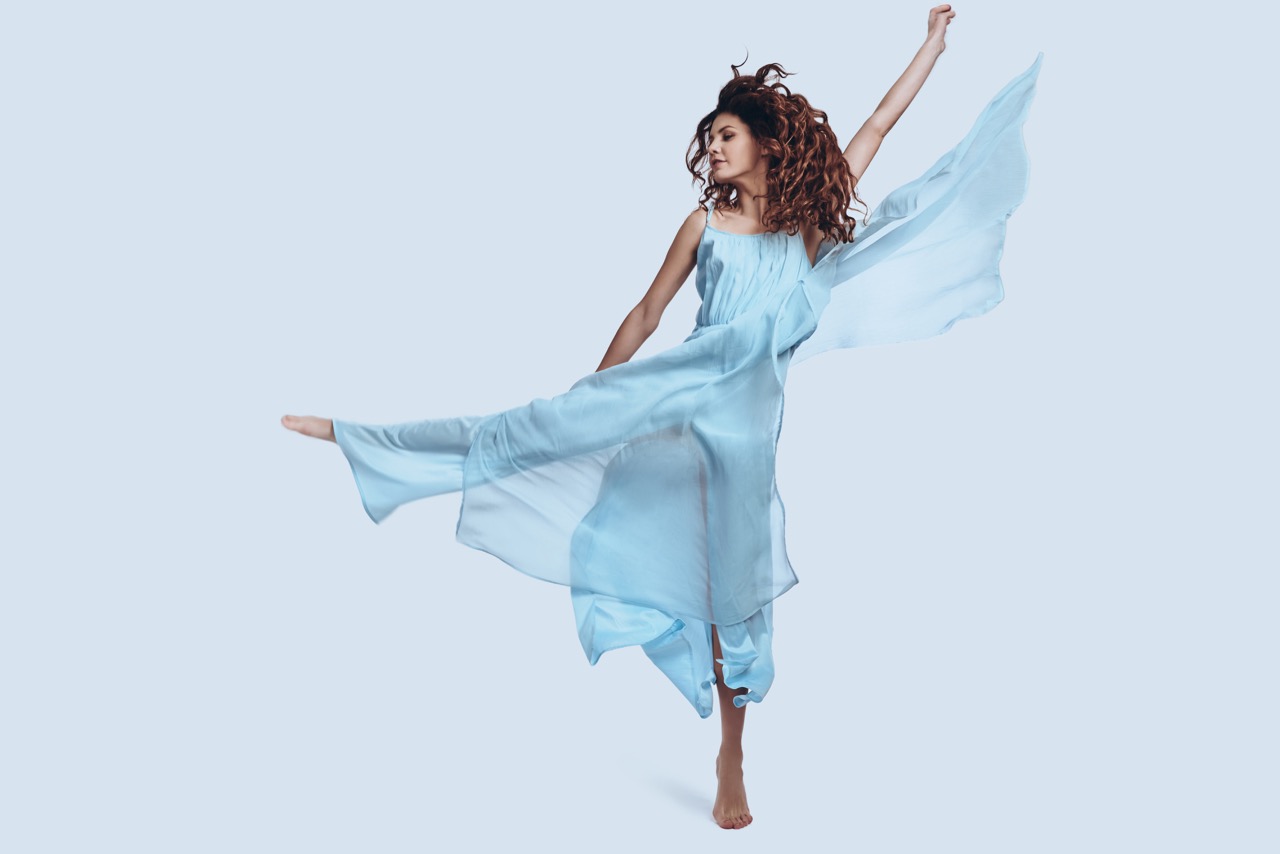
When it comes to dance wings, the choice of fabric is crucial. Lightweight materials like chiffon, organza, or silk lend themselves beautifully to movement, allowing for a graceful cascade that mimics the flow of air. The way these fabrics catch the light can create an illusion of fluidity, turning every twirl into a moment of visual poetry. When dancers move, the wings create ripples and waves that resonate with the audience, transforming an ordinary performance into a breathtaking spectacle.
The colors and patterns of dance wings can also play a vital role in shaping the atmosphere of the performance. Bright hues can evoke energy and joy, while softer tones may convey serenity and introspection. By thoughtfully choosing colors that align with the choreography, designers enhance the emotional depth of the performance, allowing the audience to experience a richer connection with the story being told. The fantastical elements created through these visual choices transport spectators into a world where reality and imagination intertwine.
In essence, dance wings are not just an accessory; they are a crucial element in the narrative fabric of a performance. By understanding how movement interacts with fabric, dancers can harness the magic of wings to create enchanting moments that linger in the minds of their audience. This synergy between movement and material allows for a transformative experience, turning the stage into a realm of fantasy and wonder that captivates the heart and mind.
Choreography Meets Design: Crafting Visual Stories
The collaboration between choreographers and costume designers is fundamental in creating a cohesive performance that resonates with audiences. Dance wings, with their ability to enhance movement and visual storytelling, require careful consideration in both choreography and design. Dancers must learn to integrate the wings into their movements, allowing the fabric to complement rather than hinder their performance. This synergy can inspire innovative choreography that takes advantage of the wings’ inherent beauty and fluidity.
For example, a choreography that includes sweeping gestures, spins, and elaborate arm movements can be elevated significantly by the addition of dance wings. As the dancer moves, the fabric can follow and accentuate their motions, creating patterns and shapes that enhance the story being told. This relationship between choreography and design allows for the development of a visual language that communicates emotion and narrative, inviting the audience to engage on multiple levels.
Moreover, the design of the dance wings themselves can influence the choreography’s direction. Certain wing shapes and sizes can inspire specific movements, guiding a dancer toward more dynamic or subtle expressions. This interplay fosters a creative environment where choreographers can experiment with movement, allowing the dance wings to become not just an accessory but an integral part of the storytelling process. Together, choreography and design work in harmony to craft captivating visual stories that linger in the minds of audiences long after the curtain falls.
Transformative Impact: Wings that Elevate Performance
The impact of dance wings extends beyond their visual appeal; they have the power to transform the entire performance experience. When used effectively, wings can amplify emotions and enhance the narrative, making every performance a memorable spectacle. Their ability to create visual grandeur allows for moments of dramatic tension and release, deepening the audience’s emotional investment in the story being told.
Additionally, dance wings can serve as a metaphorical device, signifying transformation, release, or ethereal qualities. In many performances, they represent the journey of the dancer, embodying themes of aspiration or transcendence. As dancers navigate their choreography, the wings become a representation of their emotional journey, allowing the audience to connect with the performance on a personal level. This connection fosters a sense of empathy and understanding, making the performance not just an act of entertainment, but an experience that resonates deeply within.
Ultimately, dance wings are a powerful element in the art of performance, showcasing the seamless blend of artistry and expression. Their transformative impact elevates performances, allowing dancers to explore new dimensions of movement and storytelling. Through thoughtful design and choreography, wings have the ability to transport audiences into fantastical realms, making the act of watching dance an enchanting experience that transcends the ordinary.
In conclusion, the incorporation of dance wings is a compelling aspect of the performing arts that enhances stage presence, enriches visual storytelling, and transforms the audience’s experience. Their magical ability to amplify movement, combined with the thoughtful collaboration between choreography and design, creates a captivating spectacle that resonates on multiple levels. As dancers take to the stage, the wings become an extension of their artistry, inviting audiences into a world where movement and imagination intertwine, leaving a lasting impression that transcends the boundaries of performance.