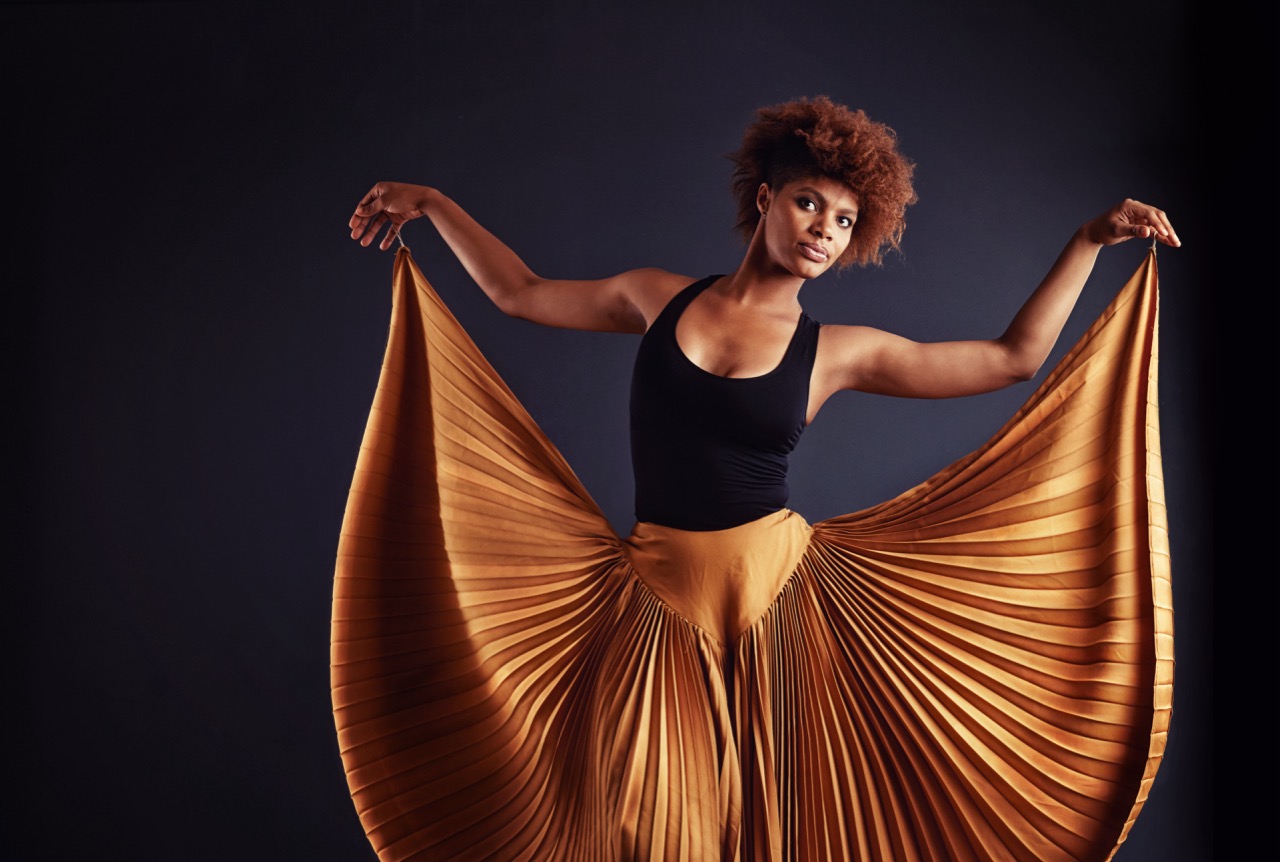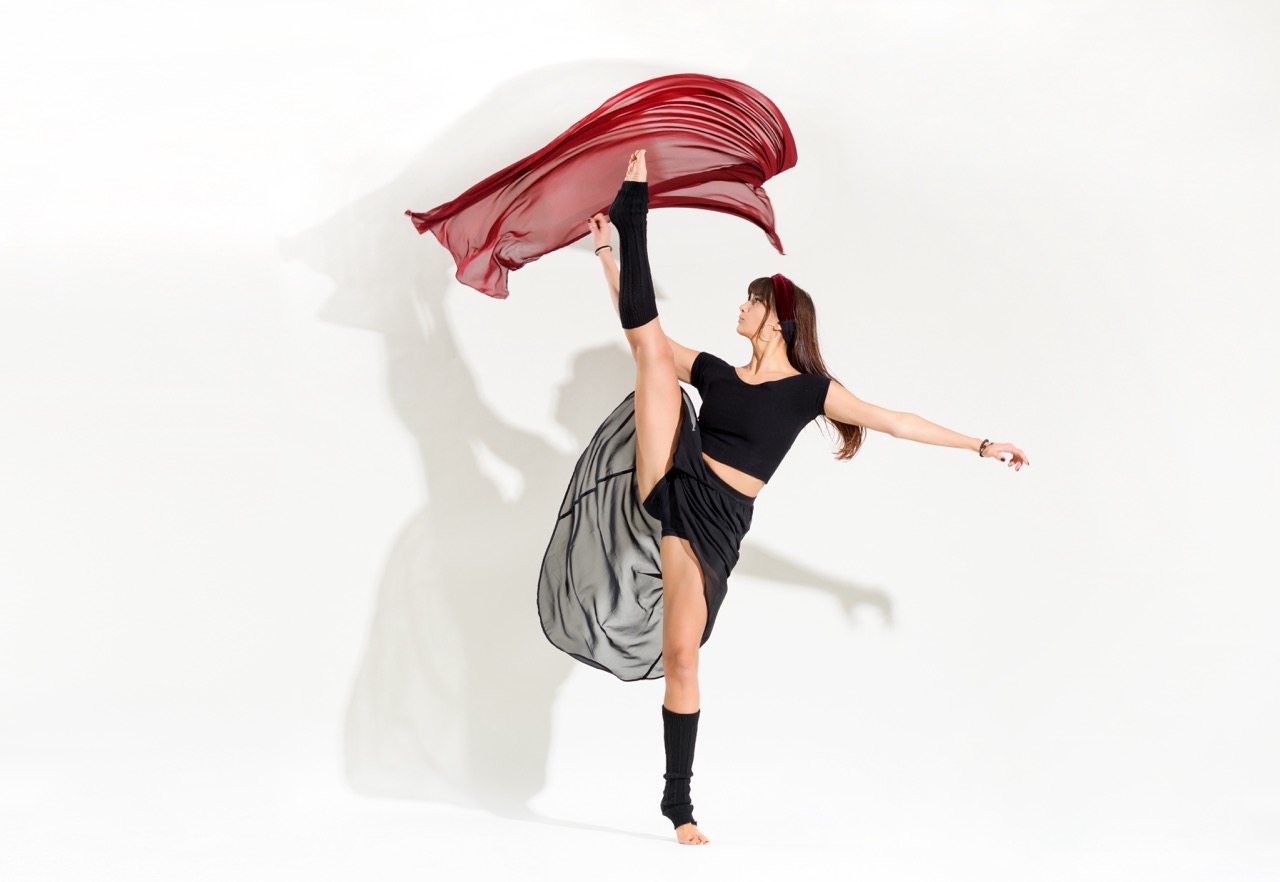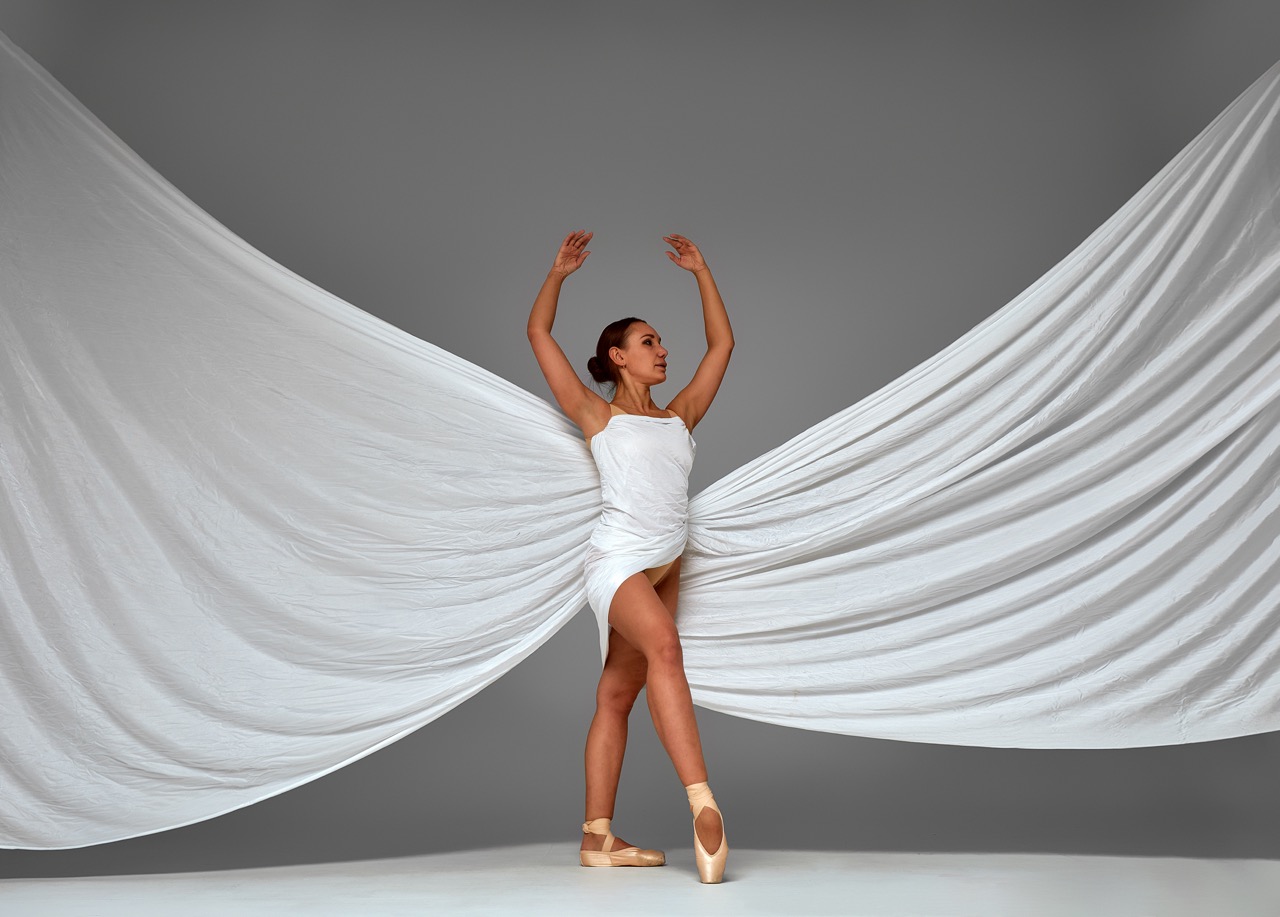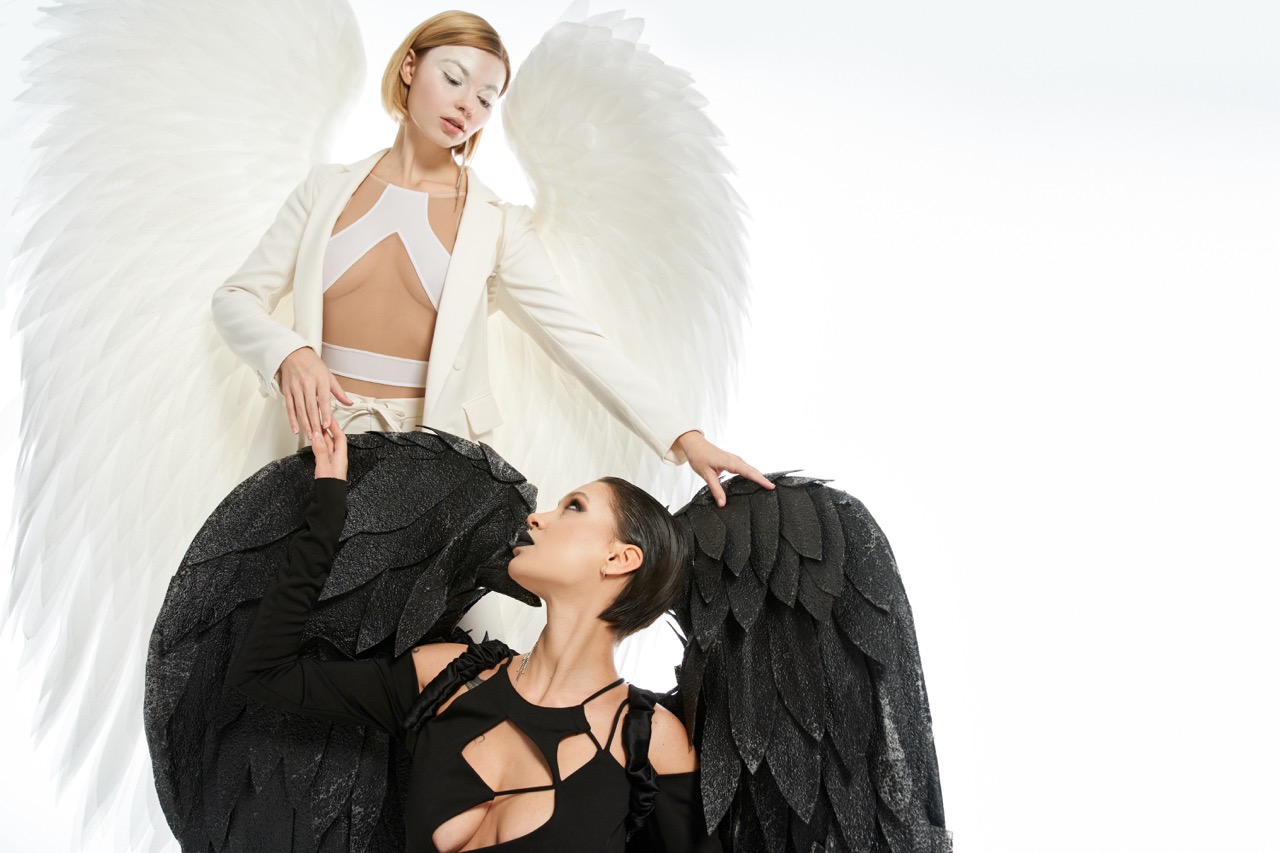

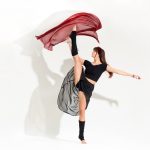
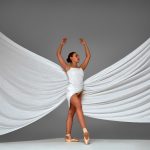


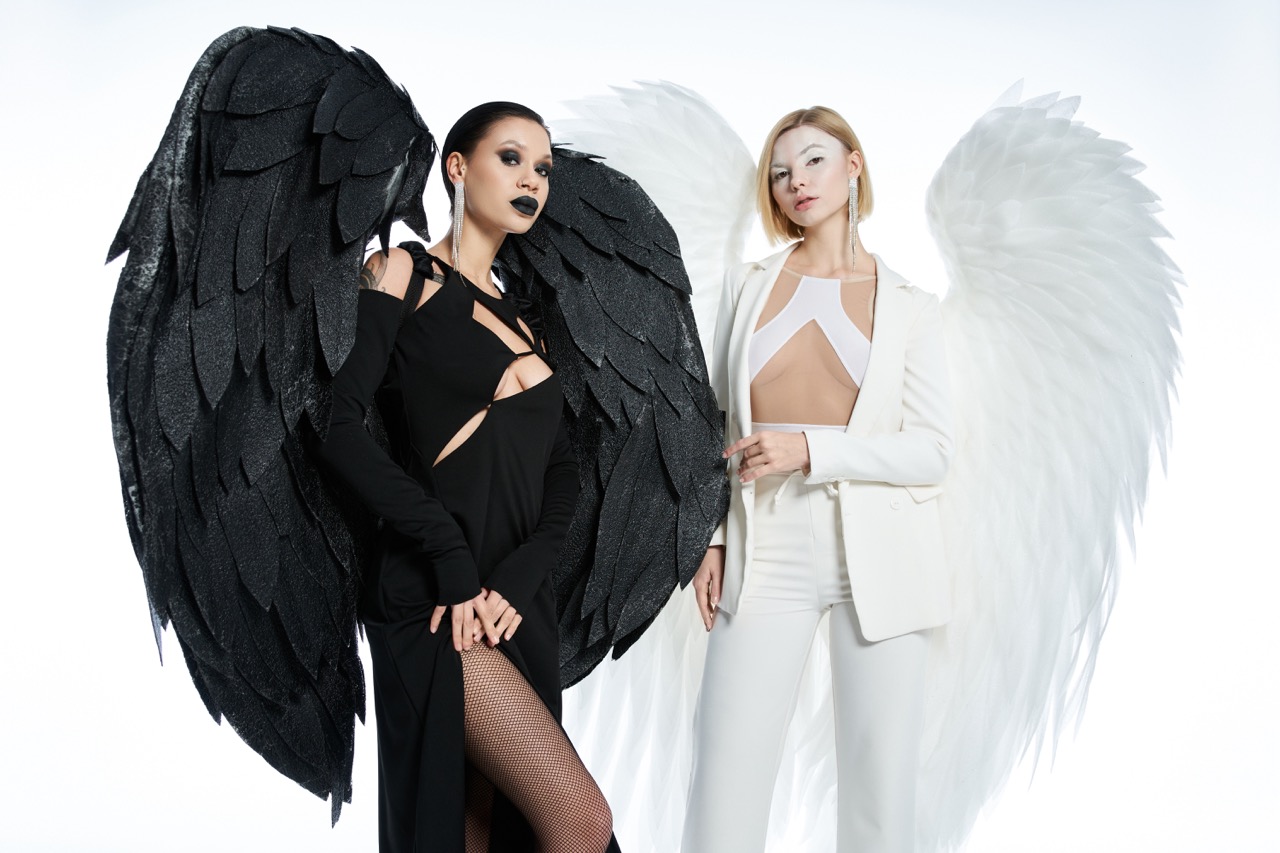
In the world of ballet, where every movement speaks volumes and every costume tells a story, dance wings have emerged as a captivating addition that enhances the elegance and grace of the art form. These flowing appendages, often crafted from delicate fabrics and vibrant colors, have transformed the visual narrative of ballet. By integrating dance wings into performances, choreographers and dancers are pushing the boundaries of traditional ballet aesthetics, leading to a fresh and enchanting experience for audiences worldwide.
The Allure of Dance Wings: A Ballet Aesthetic Revolution
The introduction of dance wings into ballet has marked a significant aesthetic revolution. Historically, ballet has relied on the purity of lines and the gracefulness of movement to convey emotion and story. However, dance wings shatter this mold by adding an element of dynamic visual storytelling. Their ethereal presence allows for a more immersive experience, creating a connection that deepens the audience’s engagement with the performance. The wings flutter and glide with the dancer, transforming each movement into a spectacle of color and fluidity.
Dance wings are not merely accessories; they are a form of artistic expression that amplifies the themes and emotions conveyed in a ballet. With their ability to mimic natural elements like water, wind, or even the fluttering of a bird, these wings enable dancers to embody a wider range of characters and emotions. The choice of fabric, color, and design further enhances this effect, inviting a kaleidoscope of interpretations and resonances that can vary with each performance.
Moreover, the allure of dance wings speaks to the evolving nature of ballet itself. As contemporary influences seep into classical forms, the integration of such innovative elements illustrates a willingness to embrace change and experimentation. This fusion of traditional ballet with modern aesthetics through dance wings invites a broader audience, making ballet more accessible and relatable while maintaining its timeless elegance.
Elevating Movement: The Artistry Behind Dance Wings
The artistry involved in using dance wings goes beyond mere aesthetics; it is about enhancing the very essence of movement. When a dancer wears wings, they are not just moving their bodies; they are crafting a visual symphony that resonates with the audience on multiple levels. The wings create a new dimension of movement, enabling dancers to explore the interplay between their physicality and the flowing fabric, which can accentuate or alter the perception of speed, strength, and grace.
Choreographers have embraced dance wings as a tool to elevate their artistic vision. By choreographing movements that harmoniously complement the wings’ flow and shape, they can create breathtaking sequences that captivate viewers. The movement of the wings can dictate the pacing and dynamics of a piece, encouraging dancers to push their limits while maintaining the elegance that ballet is renowned for. This synergy between the dancer and the wings can lead to moments of pure magic on stage, where the two become inseparable.
Furthermore, the technical skill required to maneuver with dance wings adds an additional layer of challenge for performers. Dancers must master the coordination of their own movements with the fluttering and swaying of the fabric, requiring precision and control. This heightened level of artistry not only showcases the dancer’s talent but also emphasizes the beauty of collaboration between human grace and artistic design, ultimately leading to performances that are both visually stunning and emotionally resonant.
Captivating Elegance: Dance Wings in Contemporary Ballet
In contemporary ballet, dance wings have become synonymous with captivating elegance. Unlike traditional ballet costumes that often prioritize structured lines and formality, dance wings introduce soft, billowing shapes that invite fluidity and grace. This evolution reflects a shift in the ballet landscape, where the boundaries of traditional choreography are being redefined, allowing for greater expression and creativity.
The incorporation of dance wings into contemporary ballet also serves to highlight the emotional depth of performances. As dancers weave through their routines, the wings visually echo their emotions, whether it be joy, sorrow, or longing. The wings’ graceful movements can transform a simple gesture into a poignant declaration, capturing the audience’s imagination and drawing them into the emotional core of the performance. It’s as if the wings themselves become a character, amplifying the narrative and enhancing the overall experience.
Moreover, the use of dance wings has encouraged collaborations between fashion designers and choreographers, leading to unique and innovative creations. This fusion of disciplines reinforces the notion that ballet is not merely a dance form but a comprehensive art experience. The resulting costumes often reflect contemporary themes, pushing the envelope of what ballet can represent and drawing in new audiences who appreciate the intersection of art, dance, and fashion.
Transforming Performance: The Impact of Dance Wings on Grace
Dance wings have a transformative impact on ballet performance, particularly in enhancing the grace that is so central to the art form. The ethereal quality of the wings allows for an amplification of the dancer’s movements, as they glide and flow through the air. This visual spectacle can create an illusion of weightlessness, making the dancer appear to float, which is a hallmark of the grace that ballet strives to achieve.
The integration of dance wings also encourages dancers to explore new dimensions of their artistry. With the wings in play, dancers often find themselves experimenting with their lines and movements, discovering new ways to express emotion and narrative. This exploration can lead to a redefinition of what grace means in ballet, as it transcends traditional notions and embraces a more fluid and organic form of expression.
Furthermore, the impact of dance wings on performance extends beyond individual dancers. As ensembles come together, the collective movement of multiple dancers adorned with wings creates a stunning visual tableau that showcases unity and harmony. This captivating display not only elevates the aesthetic quality of group performances but also reinforces the idea that ballet is a communal art form, where the grace and elegance of one dancer can enhance that of another, creating an unforgettable experience for the audience.
In conclusion, dance wings have revolutionized the world of ballet, adding an entirely new layer of elegance and grace to performances. By merging artistry, emotional expression, and innovative design, these captivating elements elevate the aesthetic experience for both performers and audiences alike. As the ballet landscape continues to evolve, dance wings represent a beautiful fusion of tradition and modernity, ensuring that this timeless art form remains dynamic, engaging, and ever more enchanting.