


In a world increasingly dominated by sedentary lifestyles, the importance of good posture cannot be overstated. Poor alignment can lead to a host of health issues, from chronic pain to decreased mobility. Interestingly, one of the most enjoyable and dynamic remedies for these challenges is dance. Not only does dance provide an artistic outlet, but it also serves as a powerful means of improving posture and alignment. This article explores how the practice of dance can transform our physical habits and promote a healthier spine, stronger core, and greater overall well-being.
The Art of Movement: Dance as a Path to Better Posture
Dance is a beautiful expression of human creativity, but it is also a discipline that demands awareness of body mechanics. Through the practice of various dance forms, individuals learn to engage their core muscles, lengthen their spine, and maintain a balanced stance. Each movement, whether a graceful ballet pirouette or an energetic hip-hop routine, requires an understanding of how to align the body effectively. This heightened awareness translates directly into everyday life, encouraging individuals to adopt more ergonomic postures as they go about their daily activities.
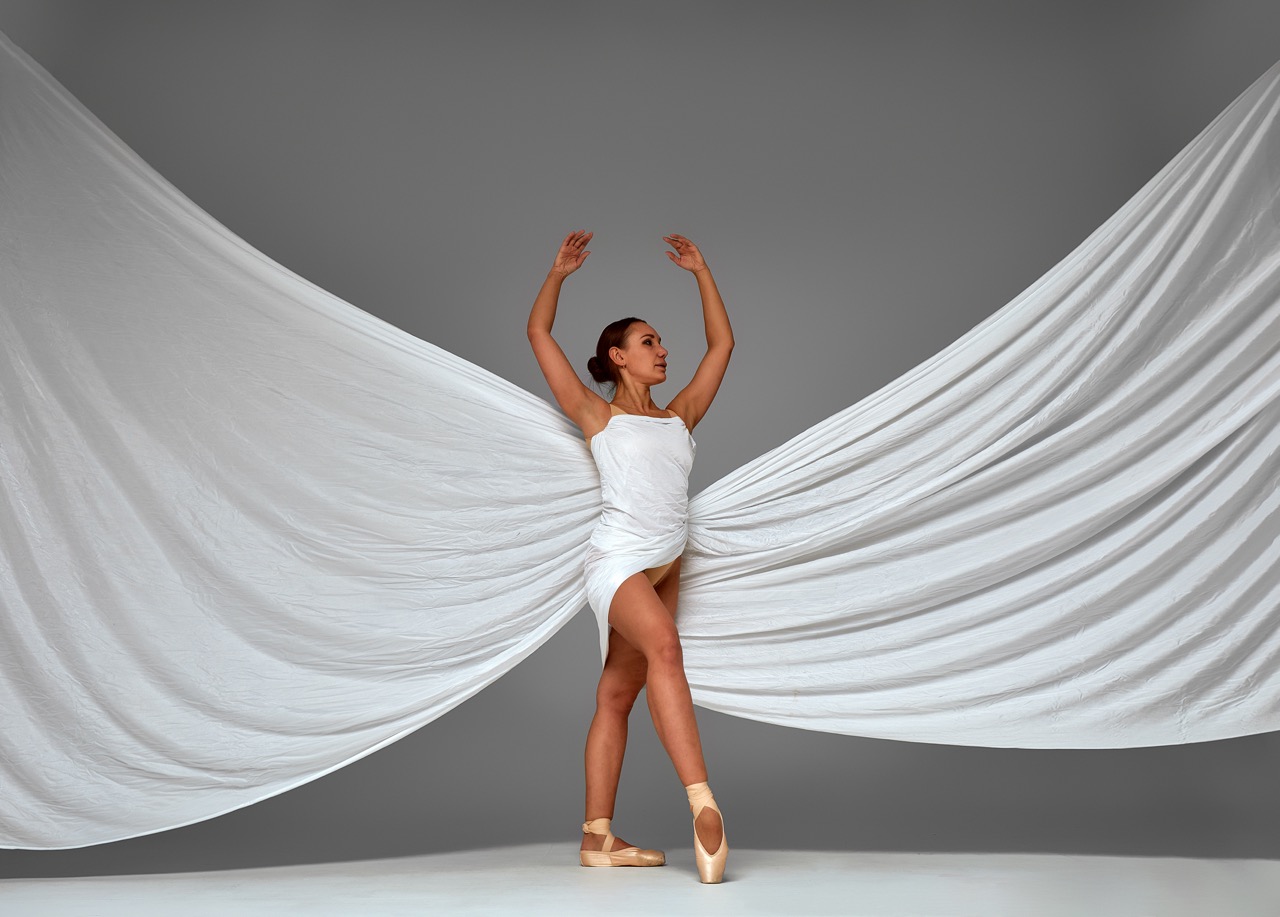
In dance, the concept of posture is not merely about standing tall; it encompasses the alignment of the entire body from head to toe. Dancers are taught to position their shoulders, hips, and feet in harmony, resulting in a natural, poised stance. This practice encourages the development of muscle memory that reinforces proper alignment, making it easier for individuals to maintain good posture even when they are not dancing. As these alignments become ingrained, the benefits extend beyond the dance studio into home, work, and social environments.
Moreover, the social aspect of dance fosters a sense of community and accountability. Engaging in group classes or dance troupes encourages individuals to refine their techniques alongside peers, creating a supportive environment for personal growth. As dancers correct each other’s postures and share tips on alignment, they become more invested in their own physical well-being. This collective journey towards better posture not only enhances individual practices but also strengthens social bonds, creating a holistic approach to health and wellness.
Aligning Body and Mind: The Dance Technique Advantage
Dance is not just a physical activity; it is a fusion of body and mind. The mental focus required for dance training enhances one’s ability to concentrate on body alignment. Whether mastering a complicated routine or perfecting a specific technique, dancers cultivate mindfulness that resonates both on and off the dance floor. This mental engagement is invaluable when it comes to developing a keen sense of body awareness, which is crucial for achieving and maintaining optimal posture.
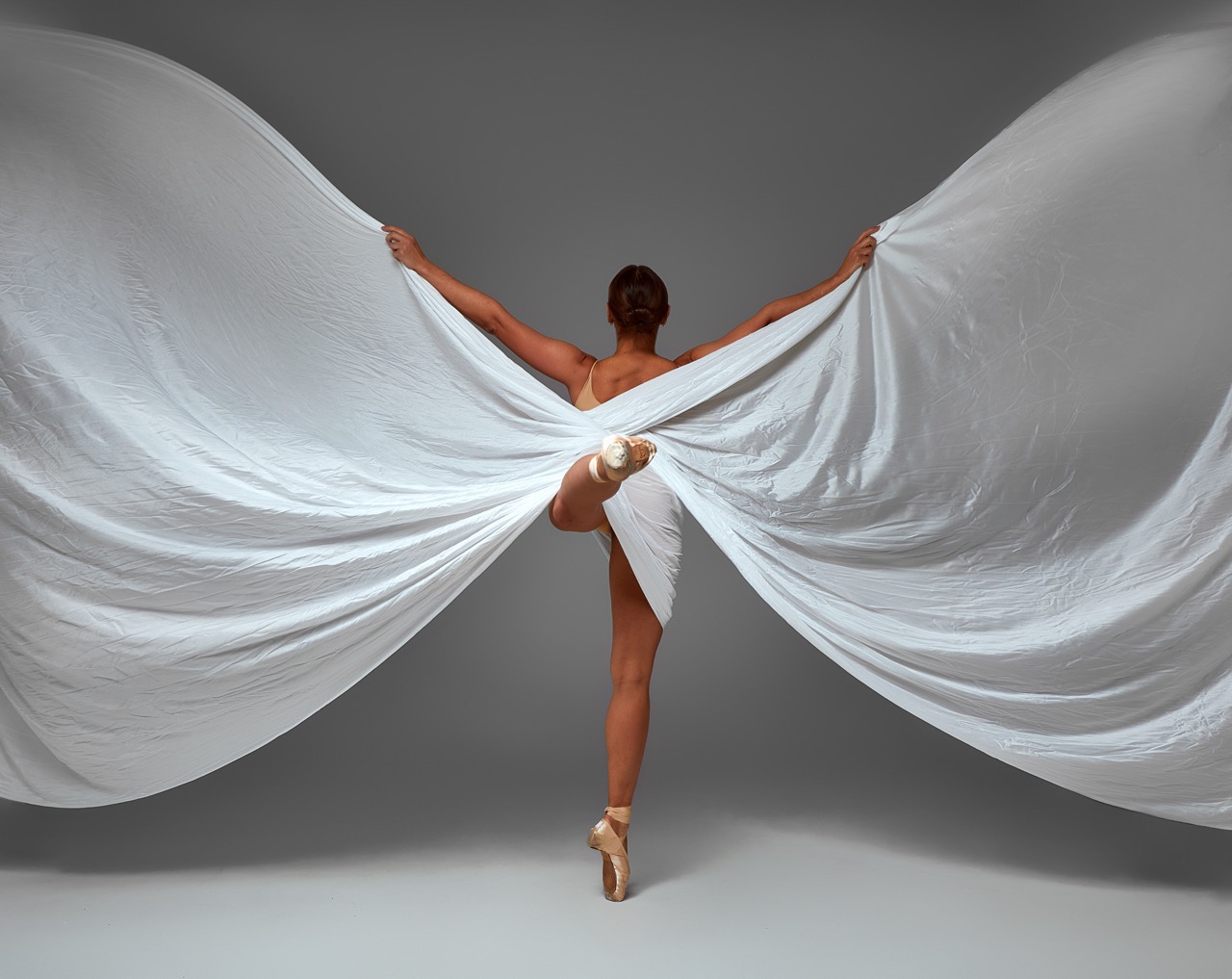
The various styles of dance emphasize different techniques that promote alignment. For instance, ballet teaches the importance of turnout and the role of the core in stabilizing the body, while contemporary dance focuses on fluidity and balance. Each discipline offers unique insights into bodily mechanics, allowing practitioners to explore and refine their alignment in diverse ways. As dancers experiment with different techniques, they gain a broader understanding of their own bodies, ultimately leading to improved posture and reduced tension throughout the body.
Additionally, the discipline of dance encourages regular practice, which is key to mastering alignment. With consistent training, dancers not only improve their skills but also reinforce good postural habits. As they rehearse and perform, these habits become more intuitive, allowing them to move with grace and efficiency. This gain in confidence further enhances their ability to maintain proper posture, creating a positive feedback loop that benefits their physical and mental well-being.
Grace in Motion: How Dance Enhances Physical Alignment
Dance is inherently about movement, and this fluidity plays a significant role in enhancing physical alignment. Each step, turn, and leap is an opportunity to engage the muscles in a way that promotes balance and stability. The dynamic nature of dance requires a keen awareness of body mechanics, encouraging dancers to develop strength in their core and limbs. By building these muscle groups, individuals can better support their spine and improve overall posture.
Moreover, the varied movements in dance challenge the body to adapt and respond, further promoting alignment. Dancers often transition between positions that require both strength and flexibility, leading to a more well-rounded physicality. For instance, a dancer may go from a deep plié to a high leap, each requiring distinct postural adjustments. This constant interplay between strength and mobility fosters greater physical awareness, teaching the body to align itself naturally during movement and even in moments of stillness.
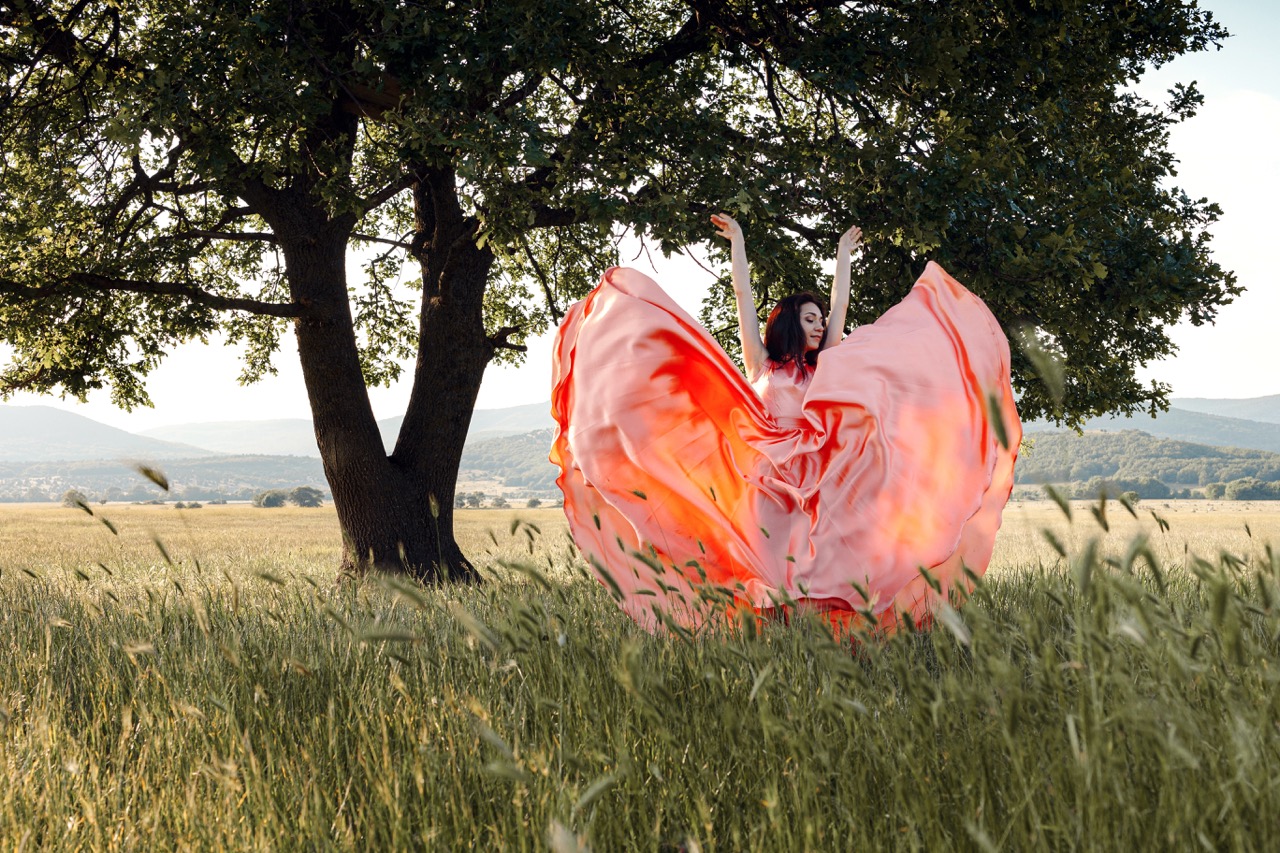
In addition to physical benefits, the artistry of dance instills a sense of grace and elegance in movement. As dancers learn to move with intention and poise, they embody a sense of confidence that radiates in their posture. This elegance is not merely aesthetic; it reflects a deeper understanding of how to align the body harmoniously. A dancer’s ability to embody grace transforms their approach to movement, making good posture feel effortless and engrained.
From Rhythm to Remedy: Dance’s Role in Postural Health
The rhythmic nature of dance serves as both a motivator and a remedy in the pursuit of better posture. The upbeat tempos and compelling melodies inspire individuals to engage their bodies fully, encouraging rhythmic movement that promotes alignment. As dancers sync their movements to music, they naturally find a flow that emphasizes body coordination and posture, allowing them to move freely without compromising their alignment.
Furthermore, dance can also be therapeutic. Engaging in regular dance sessions can alleviate the physical strain associated with poor posture. As individuals become more attuned to their bodies through movement, they often notice and address tension areas that may contribute to misalignment. Whether it’s a tight neck from hours at a desk or rounded shoulders from stress, dance provides a joyful outlet that promotes recovery and rejuvenation, ultimately supporting postural health.
Finally, dance is accessible to a wide range of individuals, making it a versatile tool for improving posture. From ballet to salsa, and even line dancing, there are countless forms of dance that cater to different preferences and abilities. This inclusivity allows people of all ages to harness the benefits of movement while fostering a sense of community and shared purpose. As participants embrace the joys of dance, they inadvertently cultivate healthier postural habits that can last a lifetime.
In conclusion, dance emerges as a multifaceted approach to improving posture and alignment. Through the art of movement, the technical advantages of dance, and the grace it instills in participants, individuals can develop a deeper understanding of their bodies and enhance their overall postural health. Moreover, the rhythmic and therapeutic qualities of dance provide a joyful pathway to physical wellness that transcends the confines of the dance studio. By embracing the transformative power of dance, we can all take significant strides toward better posture and a healthier, more aligned life.