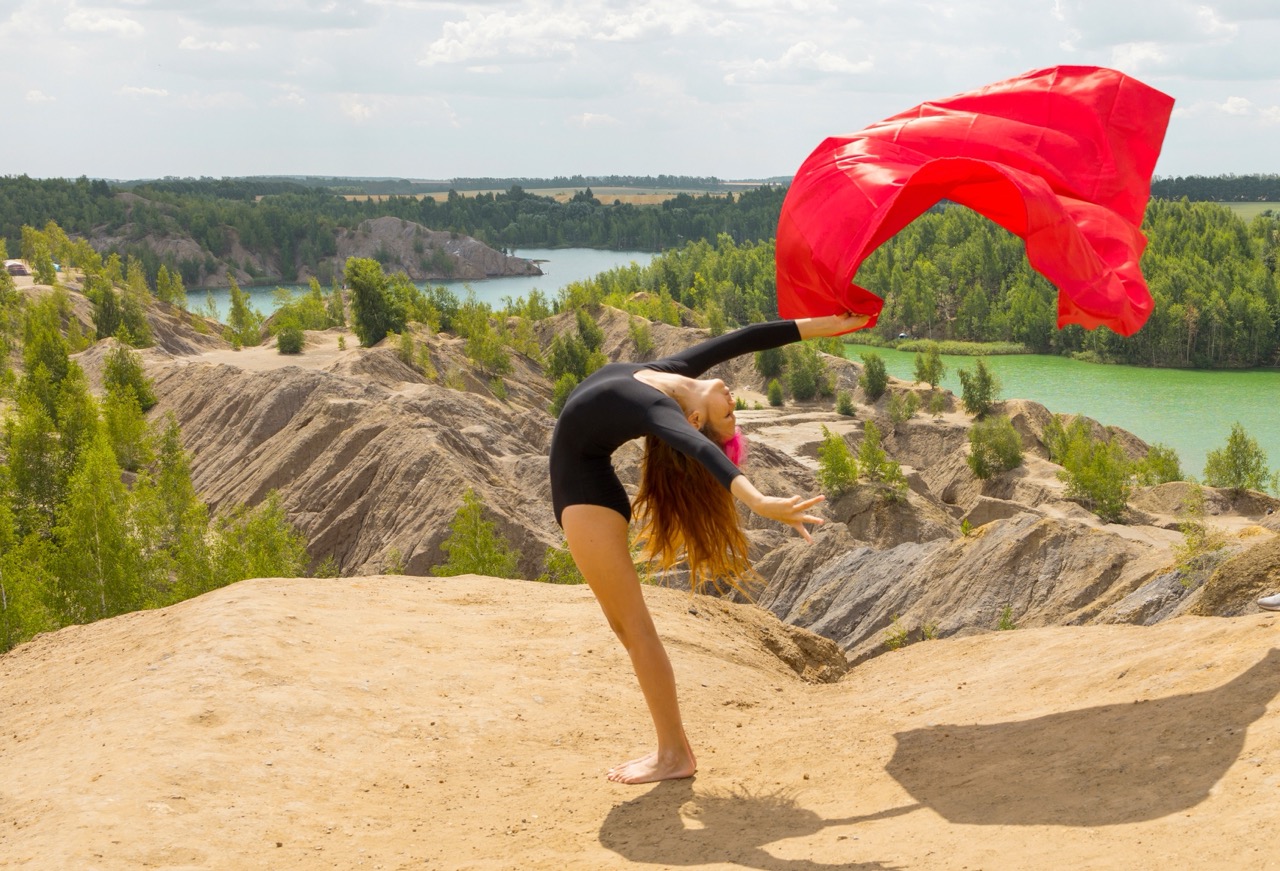





Dance is an art form that transcends mere movement, weaving together the threads of physicality, creativity, and emotional expression. Beyond its aesthetic appeal, dance serves as a powerful tool for enhancing cognitive functions such as memory and coordination. This article explores the intricate relationship between dance and these cognitive abilities, revealing how rhythmic movements can stimulate the mind and improve our overall brain health. As we delve into the science of dance, we will uncover how this elegant practice can transform not only our bodies but also the way we think and remember.
The Intricate Dance Between Movement and Memory
Our brains are remarkable organs that constantly adapt and reorganize in response to new experiences. Dance, as a complex form of physical activity, engages multiple brain regions, particularly those involved in memory and learning. When we dance, we not only memorize steps and patterns but also navigate the spatial relationships between ourselves and other dancers. This multifaceted engagement encourages neuroplasticity, the brain’s ability to form new neural connections, which is essential for enhancing memory retention.
Moreover, the social aspect of dance further enriches this memory-making process. Participating in group dances fosters communication and connection with others, creating communal experiences that can lead to shared memories. The more emotionally charged the experience, the stronger the memory imprint. This is why dances often have cultural significance: they not only tell stories but also preserve traditions, enhancing our collective memory through embodied movement.
Finally, the act of learning choreography is itself a memory exercise. Dancers must recall sequences, positions, and timing, which exercises their working memory. This phenomenon is akin to practicing a musical instrument; the more one engages with the material, the more ingrained it becomes. Thus, through consistent practice, dancers can sharpen their memory skills, creating a positive feedback loop that benefits their cognitive capabilities.
Unleashing Coordination: Dance as a Cognitive Booster
Coordination is a fundamental skill that plays a crucial role in our daily lives. Dance, which often requires intricate movements in sync with music, can significantly enhance our coordination abilities. The coordination involved in dance is not just physical; it encompasses cognitive faculties that allow us to process information quickly and accurately. As dancers learn and perform complex routines, they engage in a constant interplay of motor skills and mental agility.
The rhythmic nature of dance necessitates the synchronization of various body parts, which helps to improve overall motor control. When dancers combine footwork with arm movements while maintaining balance and timing, they are effectively training their brains to coordinate multiple actions simultaneously. This practice can lead to improved proprioception—the awareness of one’s body position in space—which is essential for executing both simple and complex movements.
Furthermore, dance serves as a practical application of coordination in social settings. Partner and group dances require dancers to stay attuned to their companions, often leading to a heightened sense of body awareness and spatial orientation. This not only enhances coordination but also promotes teamwork and communication skills. As a result, regular engagement in dance can lead to better performance in other physical activities and sports, showcasing its impact as a powerful cognitive booster.
Rhythmic Patterns: How Dance Engages the Brain
At the heart of dance lies rhythm—a powerful force that can influence our cognitive processes. Engaging with rhythmic patterns activates the brain’s auditory and motor systems, enhancing our ability to process information and respond to stimuli. Studies show that rhythmic movements can stimulate neural pathways associated with memory and learning, underscoring the importance of rhythm in dance as a cognitive enhancer.
When we dance to music, our brains respond to the beats and melodies, creating a dynamic interaction between auditory input and physical output. This synchronization can lead to increased concentration and focus, as dancers must be attuned to both the music and their movement. By repeating dance sequences, the brain solidifies the connection between rhythm and motor memory, resulting in improved recall and execution of movements over time.
Additionally, the use of rhythmic patterns in dance can enhance our ability to anticipate and react to changes. This skill has practical applications beyond the dance floor, as it can improve our performance in various tasks requiring quick decision-making and agility. The cognitive engagement fostered by rhythmic dance serves as a stimulating exercise for the brain, enhancing our overall cognitive prowess and memory retention.
Memory in Motion: The Science Behind Dance and Recall
Recent research in neuroscience highlights the profound impact of dance on memory recall. The physical movements involved in dance stimulate the hippocampus, a brain region crucial for forming and retrieving memories. As dancers practice routines, they create unique neural pathways that facilitate memory consolidation, making it easier to recall sequences and steps during performances.
Moreover, the emotional engagement associated with dance can significantly enhance memory recall. Studies suggest that memories tied to strong emotions are more likely to be remembered. Dance often evokes feelings of joy, nostalgia, or even catharsis, thereby creating rich emotional contexts that anchor memories more firmly. As dancers express themselves through movement, they are not only embodying their feelings but also embedding those experiences into their long-term memory.
Finally, the interplay between physical exercise and cognitive performance cannot be understated. Regular participation in dance increases blood flow to the brain, promoting the release of neurotrophic factors that encourage neuronal growth and repair. This biological response further enhances the brain’s capacity for memory and learning, reinforcing the idea that dance is not just a form of artistic expression but also a vital tool for cognitive enhancement.
In conclusion, the intricate relationship between dance, memory, and coordination is profound and multifaceted. As we engage in the rhythmic and expressive art of dance, we simultaneously nurture our cognitive abilities and enhance our brain health. The benefits of dance extend beyond the physical realm, impacting our memory retention and coordination skills in ways that resonate throughout our daily lives. Embracing dance as a practice not only enriches our cultural experiences but also serves as a powerful catalyst for cognitive growth, fostering a vibrant mind-body connection that can enhance our well-being for years to come.