
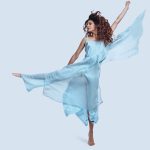
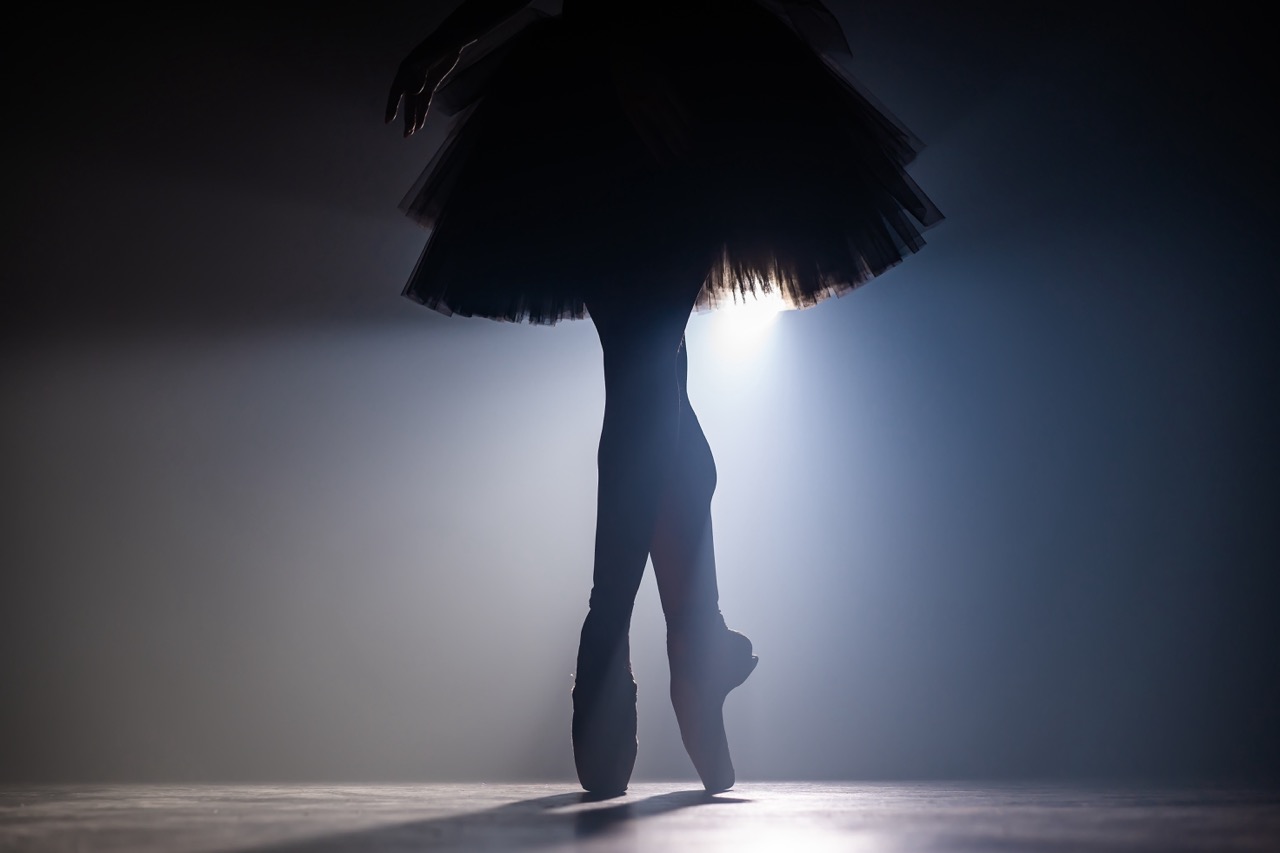
In the realm of large-scale dance productions, the visual spectacle is as essential as the choreography itself. One of the most captivating elements that can elevate a performance is the use of winged costumes. These garments not only enhance the dancers’ movements but also create a fantastical atmosphere that transports the audience into another world. Designing winged costumes involves a delicate balance between artistic vision and practical engineering. This article explores the intricacies of crafting these ethereal garments, from material selection to the final presentation on stage.
Crafting Ethereal Elegance: The Art of Winged Costumes
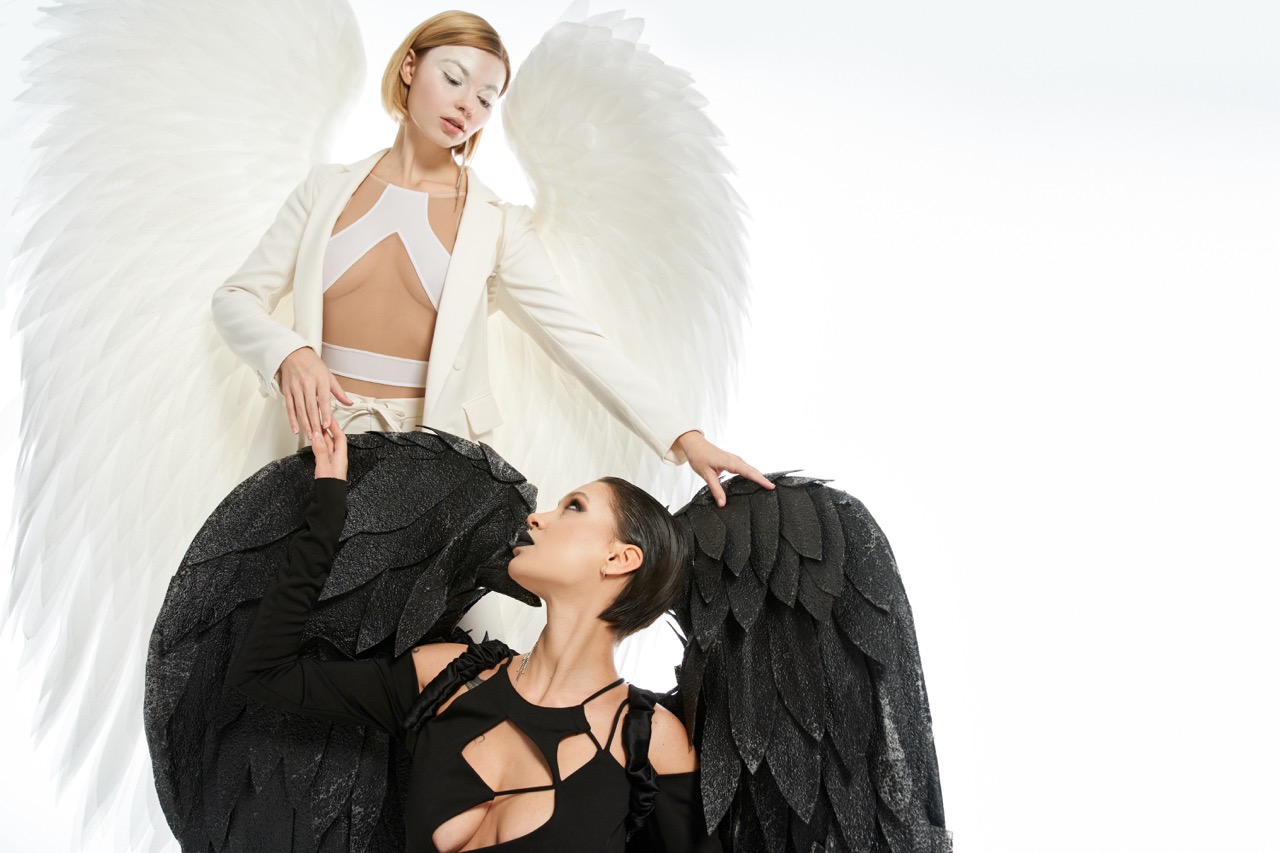
Creating winged costumes begins with an exploration of artistry and character. Designers must delve into the narrative of the performance to ensure that the wings reflect the essence of the characters they adorn. Whether inspired by mythical beings, nature, or abstract concepts, each wing design should encapsulate the thematic elements of the production. This requires an understanding of the dance style and the story being told, allowing the designer to create costumes that resonate with both dancers and the audience alike.
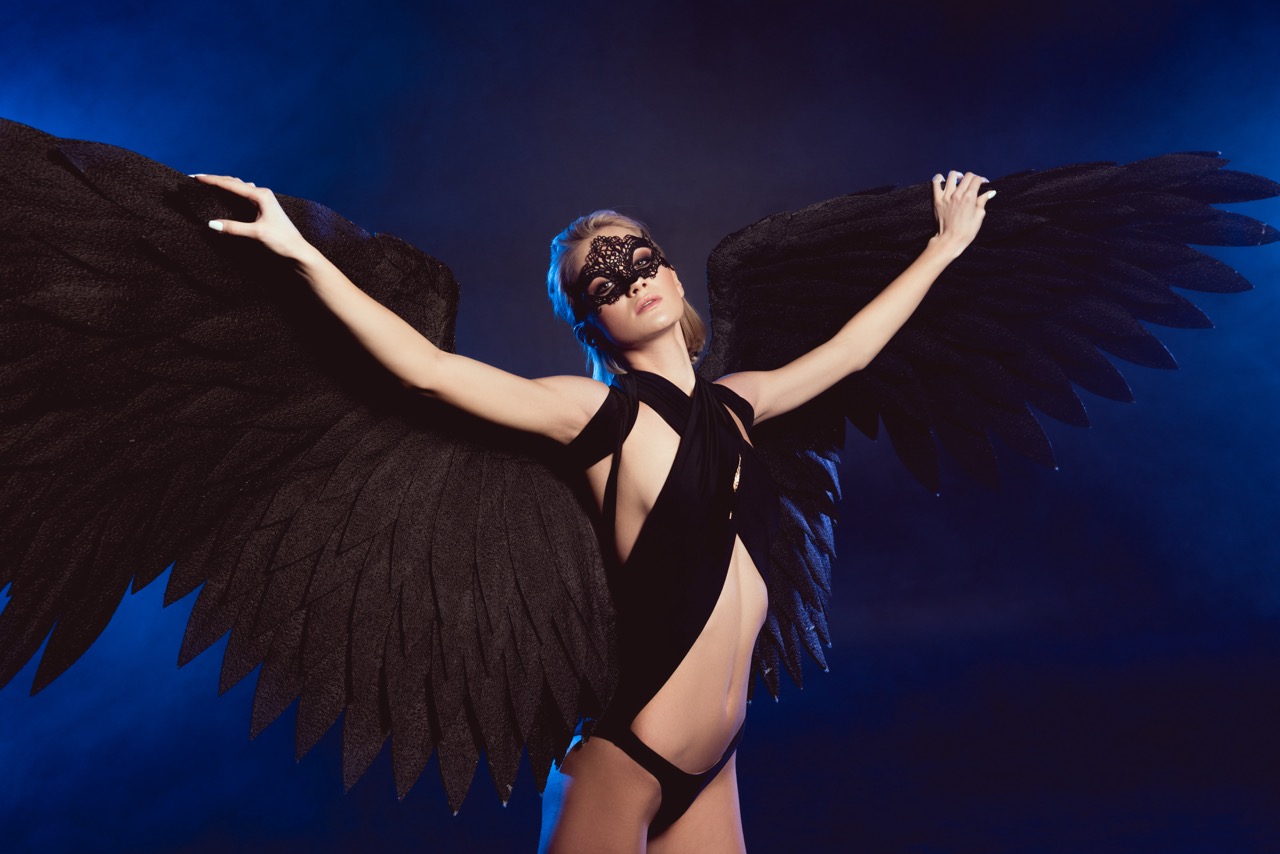
The silhouette of the wings is crucial, as it affects how they interact with the dancers’ movements. Designers often sketch multiple variations, experimenting with different shapes and sizes to determine which will best enhance the choreography. The wings should mirror the grace of flight while still being in harmony with the body of the dancer. Detailed embellishments, such as feathers, sequins, or fabric paints, can further accentuate the ethereal quality, providing visual interest without overpowering the performance.
Ultimately, the art of winged costume design lies in the marriage of style and substance. Each costume must not only look breathtaking but also embody the fluidity and grace required in dance. This artistic endeavor challenges designers to push boundaries while remaining true to the core essence of the performance, creating pieces that are both visually stunning and narratively significant.
Materials Matter: Choosing Fabrics for Flight and Flow
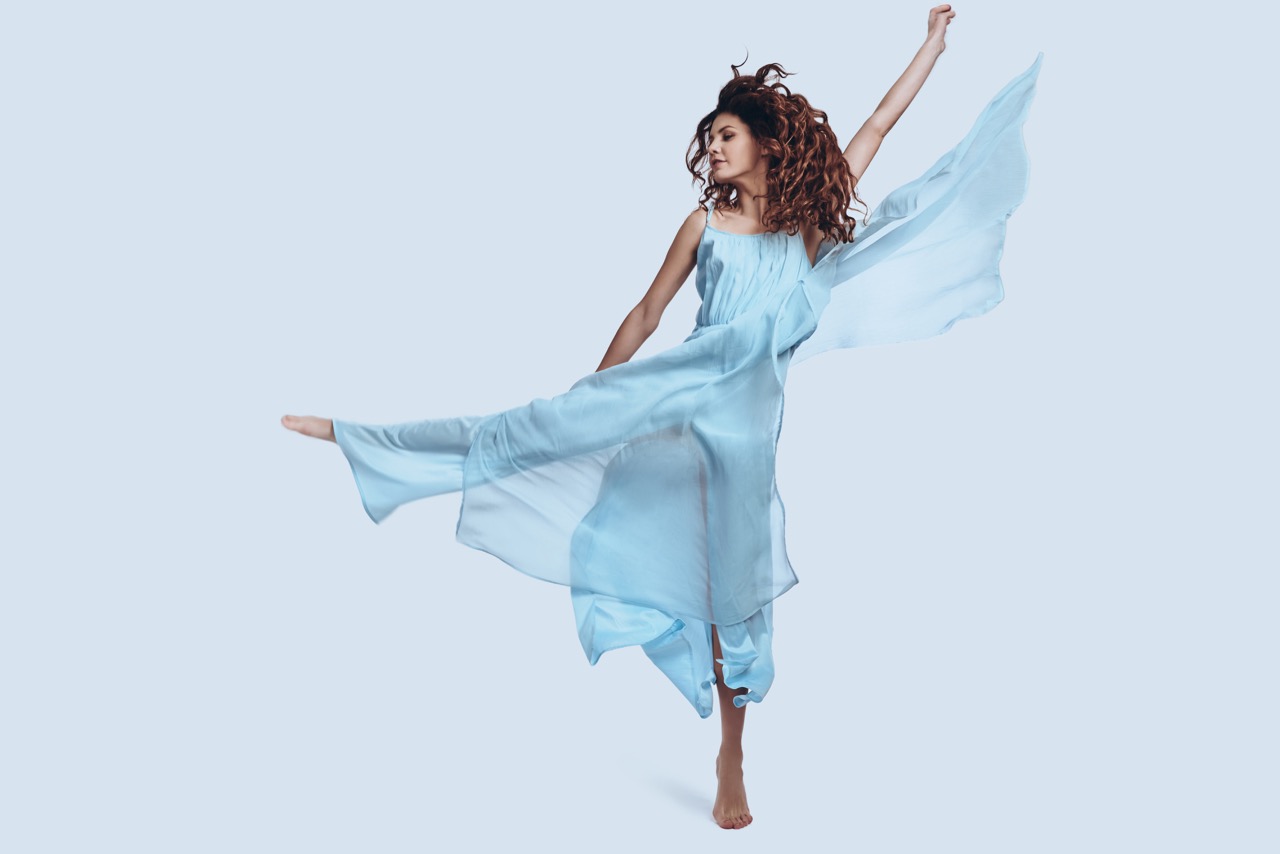
The selection of materials is a critical aspect of designing winged costumes. Fabrics must be lightweight yet durable, allowing for both mobility and structural integrity. Common choices include organza, chiffon, and tulle, which offer a delicate appearance while providing the necessary flow for dance. These materials can catch the light beautifully, enhancing the visual impact of the wings and creating an illusion of ethereality as they flutter with each movement.
Furthermore, the choice of material can affect the sound and sensation of the performance. Soft, flowing fabrics create a whispering effect as they move, adding an auditory layer to the visual experience. Designers must also consider the practical aspects, such as breathability and comfort, ensuring that the dancers can perform for extended periods without hindrance. A well-informed choice of materials can result in costumes that not only look stunning but also allow for the dancers to fully embody their characters without distraction.
Another essential factor in material selection is the color and print of the fabrics. Choosing hues that complement the lighting design and overall aesthetic of the production can elevate the visual experience. Designers may opt for iridescent fabrics to mimic the shifting colors of wings in nature, or they might incorporate patterns that reflect the themes of the dance. Each decision in fabric selection contributes to the overall impact of the winged costumes, making it a critical focus in the design process.
Engineering Movement: Balancing Aesthetics and Function
While the visual appeal of winged costumes is undeniable, functionality is paramount. Designers must engineer the wings to move harmoniously with the dancers, ensuring that they do not impede choreography. This often involves innovative techniques such as using light structural supports or flexible frameworks that allow the wings to flap, sway, or glide with the performers. By integrating these elements, designers can create a dynamic interplay between the costume and the dance, enhancing the storytelling aspect of the performance.
Additionally, the attachment of the wings to the dancer’s body must be carefully considered. Costumes should allow for unrestricted movement while providing enough support to maintain the wings’ desired shape. Solutions may include harnesses, straps, or even body suits that distribute weight evenly. This engineering aspect not only ensures that the wings remain stable during performances but also provides the dancers with the confidence to execute their movements without worrying about their costumes.
Finally, testing the wings in rehearsal is a crucial step in the design process. Observing how the wings interact with varied movements allows designers to make necessary adjustments, ensuring a seamless integration of costume and choreography. This iterative process solidifies the balance between aesthetics and function, resulting in winged costumes that are as practical as they are enchanting, enhancing the overall production experience.
From Concept to Stage: Bringing Winged Visions to Life
The journey from concept to stage is a multifaceted process that requires collaboration among various teams. Designers often work closely with choreographers, lighting designers, and technical crews to ensure that the winged costumes fit seamlessly into the overall vision of the production. This collaborative approach helps to align the costume design with the lighting and set design, ensuring that every element complements each other for maximum impact.
Once the designs are finalized, the construction phase begins. Skilled artisans and seamstresses are brought on board to bring the designs to life. This stage is where attention to detail plays a crucial role. Intricate embellishments, precise stitching, and thoughtful layering are meticulously executed to ensure that the final product meets the designer’s vision. Regular fittings with the dancers help to fine-tune the costumes, allowing for adjustments that ensure both comfort and aesthetic appeal.
As the costumes make their way to the stage, the excitement builds. Final adjustments are made during technical rehearsals, where lighting and staging elements are integrated for the first time. It is during these rehearsals that designers can witness their vision come to life, as the dancers embody the characters enhanced by the winged costumes. The culmination of creativity, craftsmanship, and collaboration results in a stunning visual presentation that captivates audiences and elevates the entire dance production.
Designing winged costumes for large-scale dance productions is a complex yet rewarding endeavor that marries artistry with technical precision. From the initial sketches to the final performance, each stage of the process requires careful consideration of aesthetics, materials, and functionality. The result is a breathtaking visual spectacle that not only enhances the dancers’ performance but also immerses the audience in a world of wonder. As productions continue to evolve, the art of winged costume design remains an enchanting element, inviting both creators and audiences alike to dream, soar, and embrace the magic of movement.