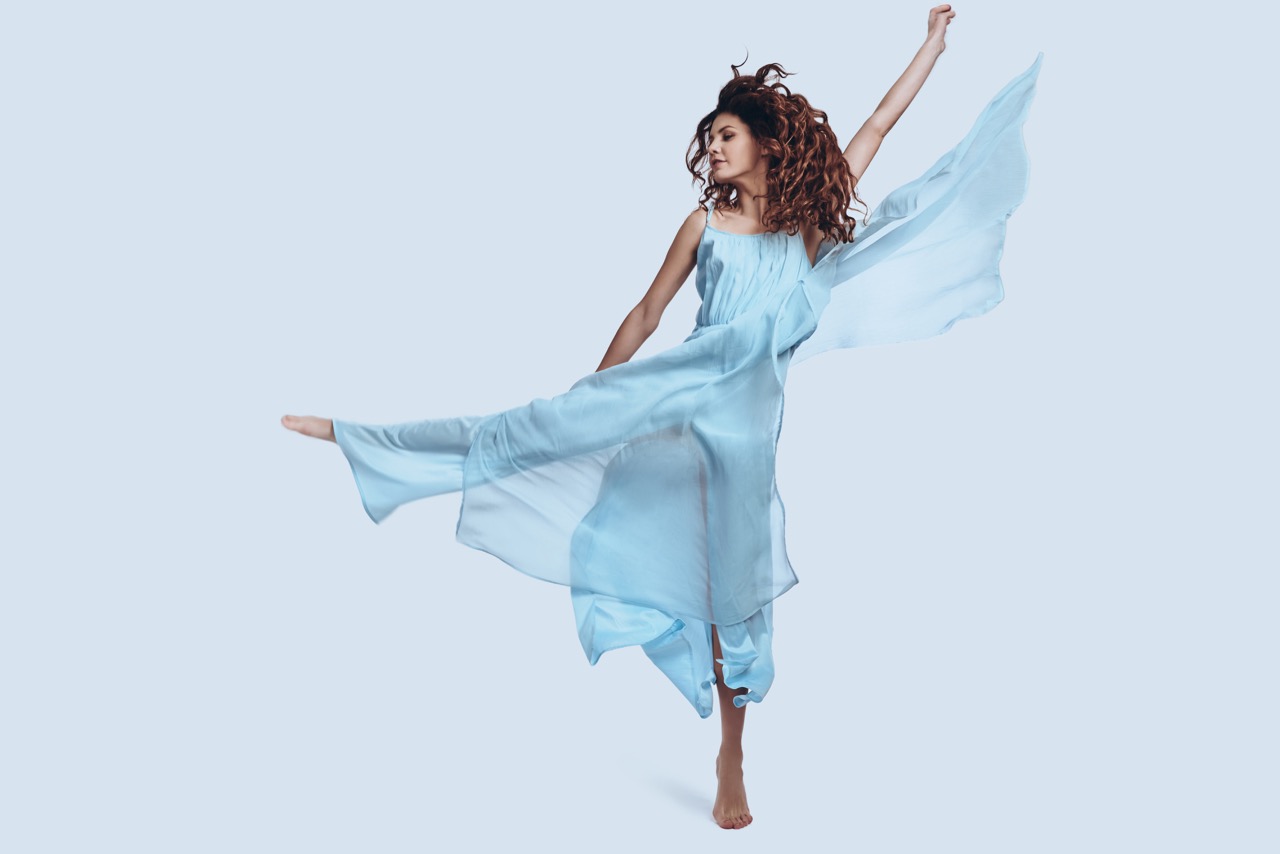




In a world increasingly dominated by sedentary lifestyles and digital distractions, the age-old practice of dance emerges as a vibrant antidote to stagnation. More than just a form of entertainment or artistic expression, dance serves as a multifaceted approach to enhancing physical fitness and nurturing holistic well-being. With its rhythmic movements and engaging nature, it captivates participants of all ages and abilities, offering countless benefits that extend beyond the dance floor. In this article, we explore the various dimensions of dance as a powerful vehicle for personal health and community engagement.
The Art of Movement: Dance as a Pathway to Wellness
Dance is often described as the art of movement, embodying a rich tapestry of cultural and individual expression. It encourages people to engage their bodies in ways that promote flexibility, strength, and coordination. Whether it’s salsa, ballet, hip-hop, or contemporary, every dance style fosters a unique connection between mind and body. This connection is vital for maintaining physical wellness, as it encourages regular movement while also allowing individuals to express themselves creatively.
Moreover, dance requires participants to be present and engaged, which is beneficial for mental health. The very act of moving to music can be incredibly freeing, allowing individuals to escape the stresses of daily life. Dance classes often provide a structured environment where learners can develop their skills while also getting a full-body workout. This combination of physical and mental engagement makes dance a holistic approach to promoting overall wellness.
Finally, the diverse range of dance forms reflects the universality of movement as a means of self-care and expression. As people explore different styles, they often discover new aspects of themselves. Dance encourages individuals to celebrate their bodies, fostering body positivity and self-acceptance. In this way, dance acts not only as a fitness tool but also as an essential pathway to greater self-awareness and personal growth.
Unleashing Energy: How Dance Boosts Physical Fitness
From an aerobic standpoint, dance is an exhilarating way to elevate heart rates and improve cardiovascular health. Many forms of dance involve high-energy movements that engage multiple muscle groups, promoting endurance and strength. The choreography often requires quick footwork and dynamic body movements, making each session a fun yet challenging workout. This combination of enjoyment and exertion helps individuals maintain consistency in their fitness routines, as they are more likely to stick with activities they find pleasurable.
In addition to cardiovascular benefits, dance enhances flexibility, balance, and coordination. Practicing specific dance techniques can lead to improved posture and reduced risk of injury in daily life. The fluidity and grace required in dance movements also contribute to better body awareness, enabling individuals to connect with their physical selves in ways they might not have experienced before. As individuals gain strength and flexibility, they may notice improvements in their overall physical performance, benefiting not only their dance practice but also other sports and physical activities.
Moreover, dance is an inclusive form of exercise that accommodates various fitness levels. Whether one is a seasoned professional or a novice, there are dance classes and styles suited for everyone. This accessibility encourages individuals to engage in physical activity without the intimidation often associated with traditional fitness regimens. By participating in dance, individuals can enjoy a fulfilling workout while celebrating their progress and achievements, fostering a lifelong commitment to fitness.
Mind, Body, Rhythm: The Psychological Benefits of Dance
The psychological benefits of dance are profound, as it integrates movement with emotional expression. Engaging with music and rhythm can be a cathartic experience, allowing individuals to process emotions and release pent-up stress. The rhythmic nature of dance, coupled with the release of endorphins, creates a natural high that uplifts mood and promotes happiness. This powerful connection between dance and mental health illustrates why it is often employed in therapeutic settings.
Furthermore, dance promotes cognitive function by requiring participants to learn and remember choreography, which enhances memory and attention. Learning new routines stimulates the brain and can improve overall mental agility. Dance classes often involve social interaction, which combats feelings of loneliness and enhances feelings of connection and belonging. This social aspect is particularly significant, as it fosters a sense of community and provides emotional support among participants.
The sense of accomplishment derived from mastering a new dance move or performance can significantly boost self-esteem and confidence. As individuals witness their own progress over time, they cultivate a positive self-image and a greater appreciation for their bodies. This increased self-confidence transcends the dance floor, contributing to a more fulfilling and empowered life outside of dance. Thus, the psychological benefits of dance make it an invaluable practice for supporting mental well-being alongside physical fitness.
A Cultural Connection: Dance and Community Well-Being
Dance is not merely an individual pursuit; it is also a shared cultural experience that can strengthen community ties. Many dance forms are deeply rooted in cultural traditions, allowing individuals to connect with their heritage while sharing their stories through movement. Participating in community dance events fosters a sense of belonging and collective identity, as people come together to celebrate their unique histories and experiences.
Moreover, dance offers a platform for social interaction and community building. Group classes, workshops, and performances create opportunities for individuals to meet others with similar interests. These connections are vital for mental health, as they reduce isolation and promote social skills. Dance also encourages collaboration, allowing individuals to work in pairs or groups, enhancing teamwork and communication skills.
Finally, the community aspect of dance can be transformative, particularly in a world that often feels disconnected. Events such as dance festivals, local performances, and charity events unite people across diverse backgrounds, fostering inclusivity and understanding. By sharing the joy of dance, communities can cultivate a sense of unity and resilience, making dance not just an art form but a vital component of social health and well-being.
In summary, dance emerges as a dynamic and multifaceted practice that significantly contributes to fitness and well-being. From enhancing physical health and promoting psychological resilience to fostering community connections, dance offers a holistic approach to personal development and social engagement. As individuals and communities continue to embrace the power of movement, dance will undoubtedly remain a cherished pathway to wellness, bridging the gap between body, mind, and spirit. Whether through structured classes or spontaneous expression, the dance floor is a realm of possibility, where every step taken can lead to a healthier, happier life.