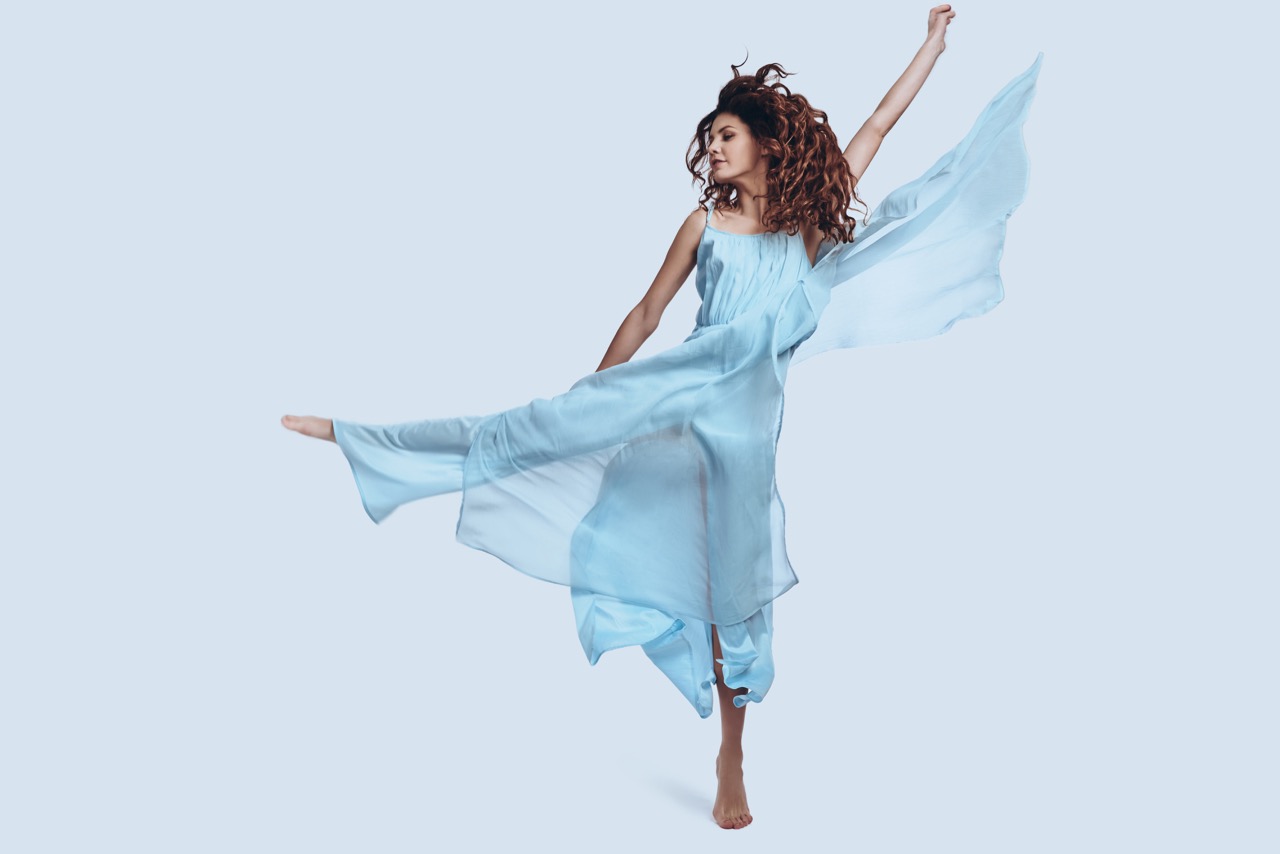

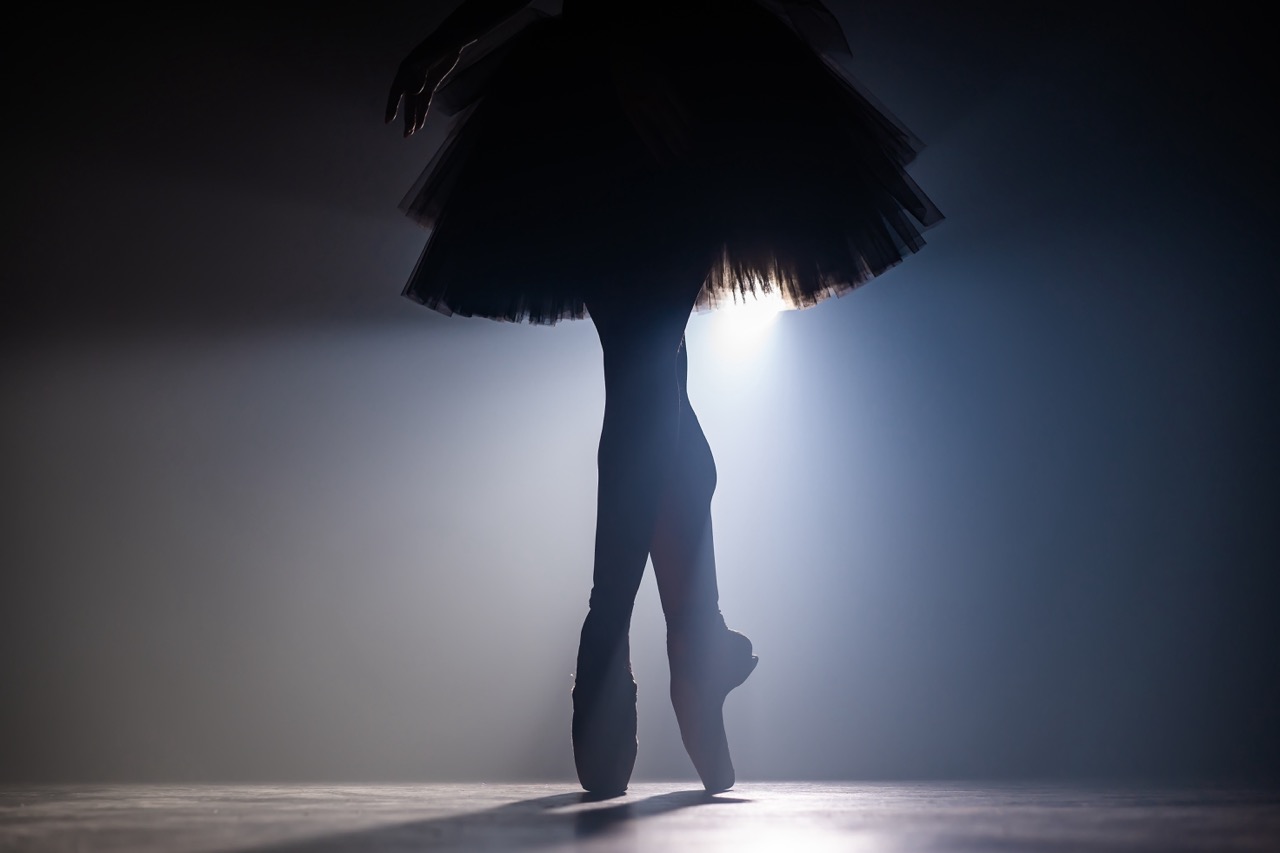
As we gracefully age, the pursuit of activities that enrich our lives becomes increasingly important. Dance, a universal language of movement, offers a myriad of benefits for seniors, bridging the gap between physical health, mental wellness, and social engagement. From the rhythmic sway of the body to the joy of shared experiences, continuing to dance later in life can enhance the golden years in profound ways. In this article, we will explore the multifaceted advantages of dance for older adults, illuminating the vibrant tapestry that movement weaves into their lives.
The Rhythm of Life: Embracing Dance in Your Golden Years
Dance transcends mere entertainment; it serves as a powerful expression of individuality and creativity. For seniors, embracing dance can rekindle a sense of joy and vitality that might have dimmed over the years. The act of dancing allows older adults to reconnect with their bodies, rediscovering movements that bring liberation and pleasure. Whether it’s a gentle sway to a beloved tune or a lively salsa class, the rhythm can spark a renewed enthusiasm for life, reminding participants that age is merely a number.
Moreover, engaging in dance can lead to the development of new skills and the exploration of diverse styles. From ballroom to line dancing, seniors have the opportunity to learn different dance forms, which keeps the mind sharp and encourages cognitive engagement. This willingness to learn and adapt fosters a sense of accomplishment and boosts self-esteem, reinforcing the belief that it is never too late to embark on new adventures.
Additionally, the act of dancing can become a personal ritual, a cherished part of daily or weekly routines. Establishing a dance practice provides structure and purpose, encouraging seniors to look forward to these moments of joy and creativity. As they twirl, sway, and step, they cultivate a deeper appreciation for the beauty of movement, allowing them to embrace their golden years with grace and enthusiasm.
Moving with Grace: Physical Benefits of Dance for Seniors
The physical advantages of dance for seniors are as varied as the styles themselves. Dance is a low-impact activity that promotes flexibility, strength, and balance—essential components for maintaining mobility and reducing the risk of falls. Engaging in regular dance sessions helps to enhance coordination and agility, allowing seniors to navigate their environments with greater ease and confidence. The rhythmic movements stimulate circulation and improve cardiovascular health, laying the groundwork for a more active lifestyle.
Moreover, dance offers a delightful way to incorporate exercise into one’s routine without the monotony often associated with traditional workouts. As seniors move to the music, they are not just exercising; they are engaging in a joyful experience that boosts their mood and energy levels. This combination of fun and fitness can lead to improved overall health and a greater willingness to stay active.
Importantly, the benefits of dance extend beyond the physical realm. The discipline of learning choreography or memorizing routines fosters mental sharpness and cognitive function, which is vital in combating age-related cognitive decline. By keeping both the body and mind engaged, seniors can cultivate a holistic approach to their health, ensuring that they not only live longer but also live well.
The Joy Factor: Enhancing Mental Well-Being Through Dance
Dance is not just about movement; it is a powerful tool for emotional expression and psychological well-being. For seniors, engaging in dance can serve as an outlet for stress relief, allowing them to release pent-up emotions and connect with their inner selves. The joy of dancing can lead to increased levels of serotonin and dopamine—neurotransmitters that play a significant role in mood regulation—resulting in reduced feelings of anxiety and depression.
Additionally, the act of dancing can stimulate memories and evoke nostalgia, particularly for older adults who may recall youthful experiences tied to specific songs or dances. This reminiscence has therapeutic benefits, allowing seniors to engage with their pasts in a positive light while fostering a sense of identity and continuity. As they share these cherished memories with others, they create an emotional tapestry that enriches their present lives.
Moreover, the regular practice of dance can lead to the development of mindfulness, as participants become attuned to their bodies and the music. This heightened awareness facilitates a deeper connection to oneself and the surrounding environment, promoting a sense of peace and fulfillment. By incorporating dance into their lives, seniors can cultivate a reservoir of joy that enhances their mental and emotional health, contributing to a more vibrant and engaged existence.
Community and Connection: Dance as a Social Lifeline
The social aspect of dance is perhaps one of its most enriching benefits for seniors. Dance classes and community events create opportunities for older adults to meet new people and forge lasting friendships. This sense of belonging is essential for combating feelings of isolation that can often accompany aging. By participating in group dance activities, seniors find themselves immersed in a supportive environment where they can share laughter, stories, and experiences, fostering a strong sense of community.
Moreover, dance can serve as a bridge between generations. Intergenerational dance programs can bring together seniors and younger participants, allowing for a vibrant exchange of ideas, experiences, and cultural traditions. This interaction not only benefits older adults but also enriches the lives of younger generations, creating a tapestry of shared knowledge and understanding. Such programs foster respect and appreciation for the wisdom that comes with age while instilling a sense of purpose in older participants.
The connections made through dance extend beyond the dance floor, often leading to social outings, celebrations, and community events. These interactions help seniors maintain an active social life, which is crucial for emotional well-being. By dancing together, older adults create bonds that can last a lifetime, reinforcing the notion that joy and companionship can flourish at any age.
In summary, the benefits of continuing to dance later in life are as vibrant and diverse as the dances themselves. From physical health improvements to enhanced mental well-being and the formation of meaningful social connections, dance emerges as a powerful ally for seniors looking to enrich their golden years. As older adults embrace the rhythm of life through movement, they can celebrate not only their past but also their present and future, embodying the spirit of joy and vitality that dance uniquely offers. So, whether you are a seasoned dancer or a curious beginner, take that step onto the dance floor; your golden years are waiting to be filled with music and movement!