

Dance has long been a conduit for storytelling, transcending the limitations of spoken language. In this realm of artistic expression, dance wings—those mesmerizing, flowing garments that adorn dancers—serve not simply as embellishments but as pivotal tools that deepen the narrative experience. This article explores the intricate connection between dance wings and movement-based storytelling, illuminating how this vibrant art form breathes life into tales through the fluidity of motion.
The Art of Dance Wings: A Gateway to Storytelling
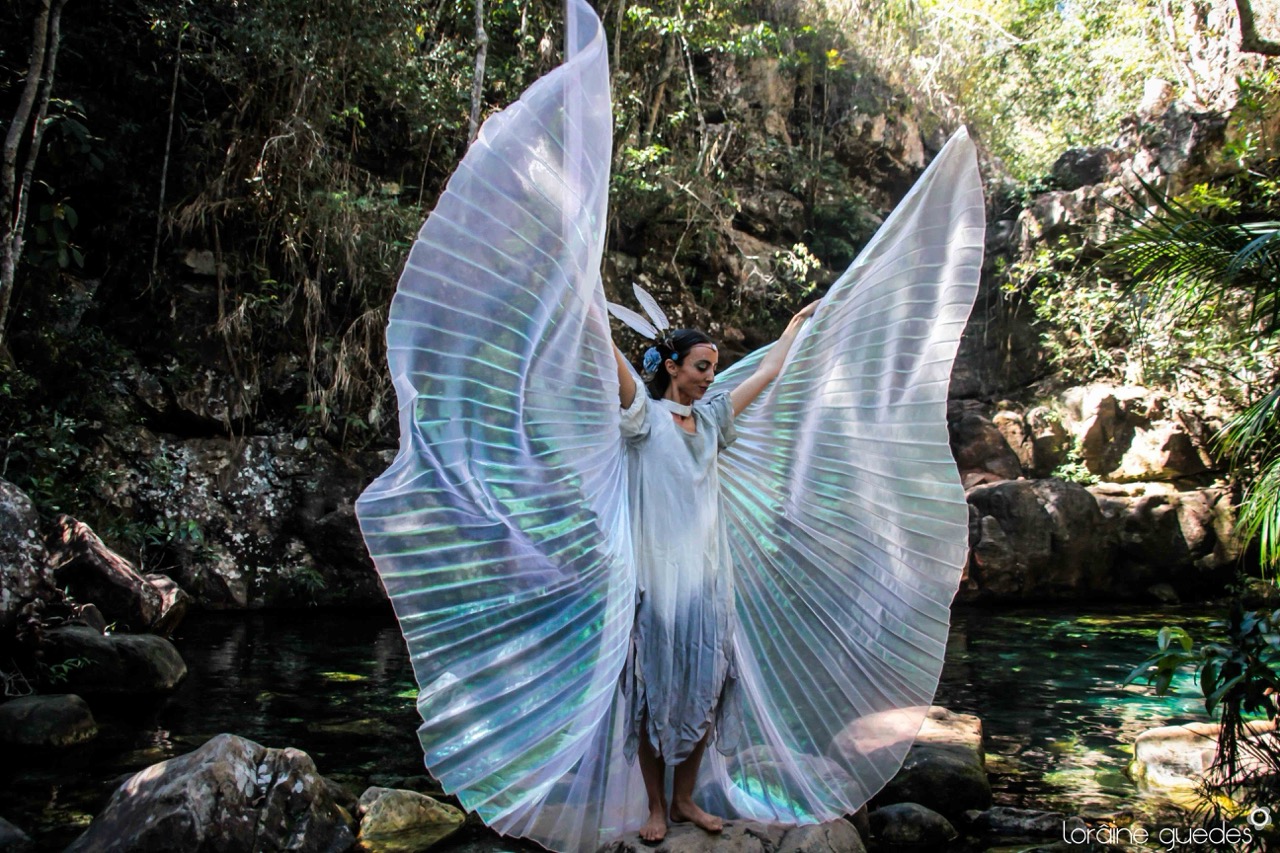
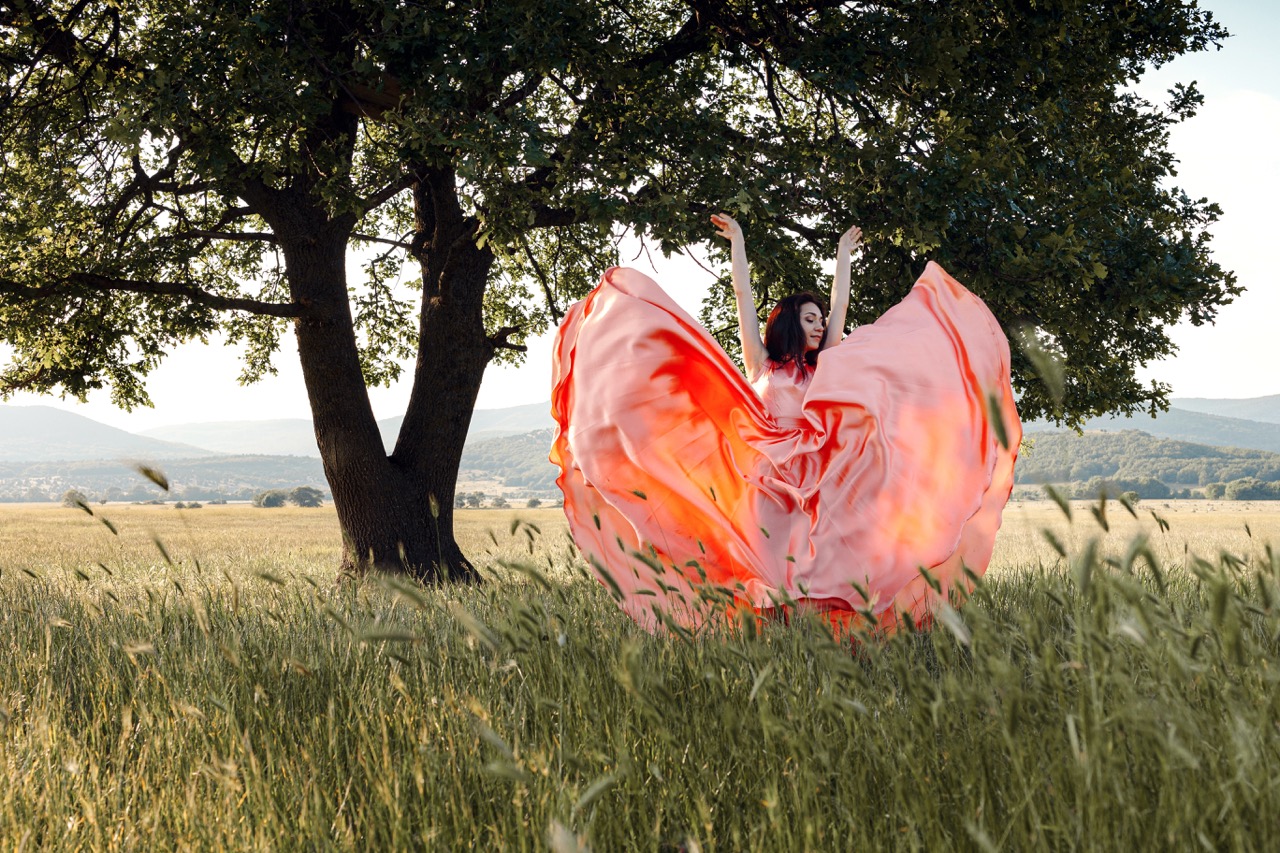
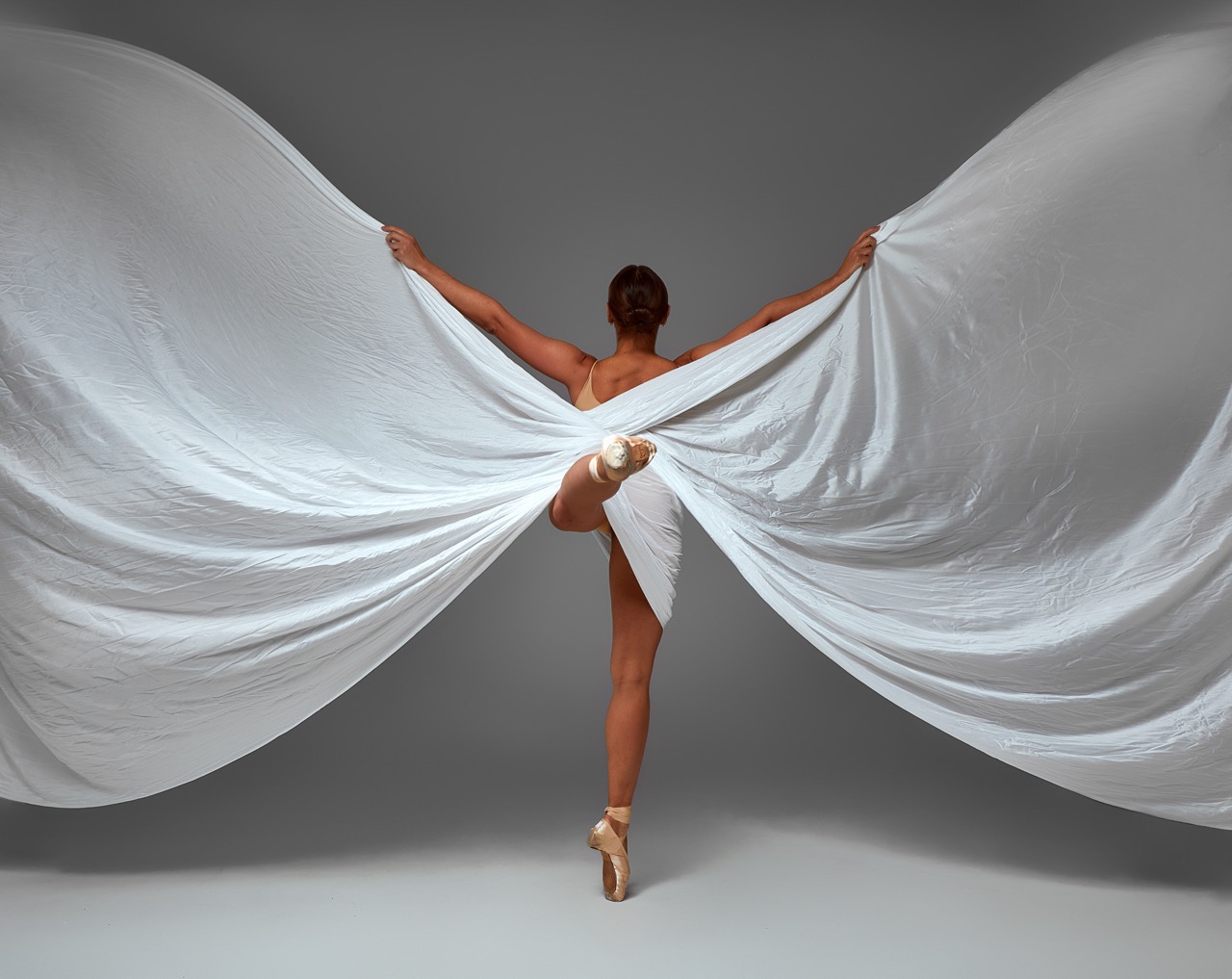
Dance wings, often crafted from delicate fabrics such as silk or chiffon, can transform a dancer’s performance into a visual spectacle. When extended, these wings create an ethereal presence, allowing the dancer to embody the essence of their character. The swirling fabrics mimic the movement of nature, such as the flutter of a bird or the rustle of leaves, establishing a profound link between the dancer and the story being told. This artistic tool becomes a canvas for the imagination, where the dancer’s movements are painted in broad strokes of color and texture.
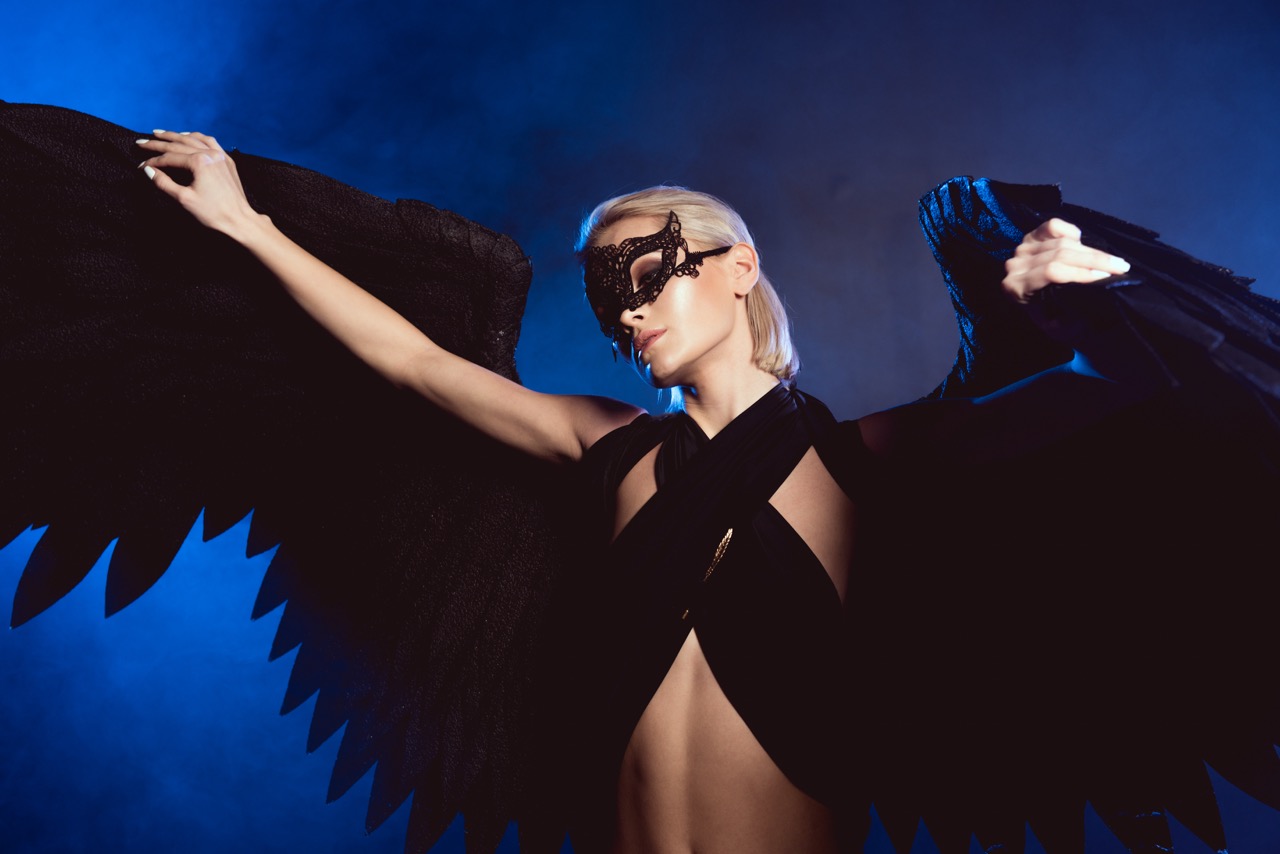
The design of dance wings can also reflect the themes of the story. For instance, wings adorned with vibrant hues may signify joy and celebration, while darker shades might evoke mystery or sorrow. As a result, the audience not only witnesses the narrative unfold through movement but also engages visually with the aesthetics of the performance. Through this interplay between color, texture, and movement, dance wings serve as a gateway to a deeper understanding of the artistic narrative.
Moreover, the act of wearing and manipulating dance wings demands a heightened awareness of movement. Dancers must synchronize their physical expressions with the flow of the fabric, creating a harmonious relationship between body and garment. This synergy enhances the storytelling process, as each gesture is amplified by the wings’ graceful arcs and folds, allowing the audience to become fully immersed in the unfolding tale.
Unveiling Movement: The Language of Expressive Dance
Dance, at its core, is a language of movement that communicates emotions, ideas, and stories without the need for words. Each step, spin, and gesture conveys a particular sentiment, inviting the audience to interpret the narrative in their own way. This expressive nature of dance is further amplified by the use of dance wings, which expand the vocabulary of movement. The wings can signify transformation, elevation, and a connection to the ethereal, inviting viewers to delve into the layers of meaning behind each performance.
For example, a dancer might use expansive arm movements combined with the flutter of their wings to illustrate liberation. This fluid motion can evoke a sense of freedom and transcendence, allowing the audience to resonate with the emotion being conveyed. In this way, dance wings become not just an accessory, but a vital component of the narrative language, enhancing the overall impact of the performance.
The nuances of movement can also depict a character’s internal struggles or triumphs. A dancer might choose to close their wings tightly around themselves to signify distress or vulnerability, while a dramatic opening gesture can symbolize a breakthrough or awakening. Through these intentional movements, the dancer communicates complex emotions, allowing the audience to experience the story on both a visual and visceral level.
Harmonizing Emotion: Dance Wings in Narrative Form
Dance wings provide a unique opportunity for choreographers to harmonize emotion with narrative structure. The choreography can be meticulously crafted to ensure that every flourish and sweep of the wings aligns with the story’s emotional arc. As the dancer transitions from moments of tension to release, the wings can mirror this journey, visually representing the ebb and flow of feelings. This harmonious relationship between wings and choreography enriches the narrative, allowing viewers to feel the emotional weight of each scene.
Additionally, the versatility of dance wings allows for diverse interpretations of a single story. A choreographer may choose to emphasize different themes or emotions through the style and movement of the wings. For instance, in a story about transformation, the wings could be used to symbolize change—first appearing heavy and burdensome, then becoming lighter and more fluid as the character evolves. This dynamic quality adds depth to the storytelling, as each performance can offer a new perspective on the same narrative.
In this way, dance wings contribute to a shared emotional experience between performer and audience. As the dancer articulates the essence of the story through movement, the audience is invited to journey alongside them, engaging in a collective exploration of feelings and ideas. The power of this connection lies in the ability of dance to transcend language barriers, allowing for universal themes to resonate across cultures and experiences.
Crafting Stories Through Motion: The Dance Connection
The connection between dance and storytelling is rooted in the idea that motion can convey narrative far more powerfully than words alone. Through choreography that incorporates dance wings, performers create immersive experiences that transport audiences into different worlds. Each performance becomes a living storybook, where the dancer’s body becomes the pen that writes the tale in real-time. The intricate choreography, paired with the visual spectacle of dance wings, creates a multifaceted narrative that engages viewers on multiple sensory levels.
Moreover, the act of crafting stories through motion fosters collaboration among dancers, choreographers, and designers. This collaborative energy is essential in creating a cohesive narrative, as each member of the team brings their unique vision to the project. Dance wings, in this context, become a collaborative canvas, where the dancer’s movements are in dialogue with the artistic choices made by the costume designer. This synergy leads to performances that are both visually stunning and rich in narrative depth.
Ultimately, the dance connection transcends the stage, inspiring audiences to reflect on their own stories and experiences. When dancers embody emotions through the graceful manipulation of dance wings, they invite viewers to see their own lives mirrored in the performance. This profound connection is what makes movement-based storytelling such a powerful and transformative art form, capable of sparking conversations and evoking empathy long after the final bow.
In the realm of performance art, the synergy between dance wings and movement-based storytelling creates a unique tapestry of expression that captivates and inspires. As dancers weave their narratives through the fluidity of motion, the dance wings become instruments of transformation, inviting audiences to embark on a journey of emotions and ideas. This intricate relationship between fabric, movement, and story not only enhances the aesthetic experience but also deepens the resonance of the narratives told. It is through this magnificent dance that we come to understand the universal language of storytelling, reminding us of the power of art to connect us all.