


The world of dance is a vibrant tapestry woven from threads of history, culture, and innovation. Among the various influences that shape contemporary dance, ballet costumes stand out as a significant source of inspiration. The intricate designs, colors, and materials of ballet costumes not only serve aesthetic purposes but also resonate with the philosophy and technique of movement. This article explores how the legacy of ballet costumes has influenced modern dance wing design, tracing a journey from traditional tutus to futuristic fabric technologies, and examining the delicate interplay between form and function in creating unique visual narratives.
Unveiling the Legacy: Ballet Costumes’ Historical Impact
The history of ballet costumes is rich and multifaceted, serving as a reflection of the evolving artistic sensibilities over centuries. From the opulent garments of the Italian Renaissance to the lighter, more functional tutus of the 19th century, each era has contributed to the overall aesthetic of dance. Costumes in ballet were not merely clothing; they were integral to storytelling, allowing audiences to connect with characters and emotions on a deeper level. The elaborate designs often highlighted the grace and precision of the dancer’s movements, establishing a visual language that spoke volumes about the narratives being portrayed.
As modern dance began to emerge as a distinct form in the 20th century, it inherited the rich legacy of ballet costumes while simultaneously breaking away from its constraints. Pioneers like Martha Graham and Merce Cunningham sought to redefine movement and expression, utilizing costumes that were more grounded in the realities of everyday life rather than theatricality. Despite this divergence, the influence of ballet’s historical costumes remained palpable, as modern choreographers drew inspiration from the sophisticated lines and intricate details that characterized ballet attire.
Today, the historical impact of ballet costumes continues to resonate in contemporary dance. Modern choreographers and designers often pay homage to the classical roots of dance by incorporating elements from traditional ballet attire in their own creations. This melding of past and present not only enriches the visual aesthetic of modern dance but also fosters a dialogue between different dance forms, encouraging a deeper appreciation for the stories told through movement and attire.
From Tutu to Tech: Evolving Aesthetics in Dance Wings
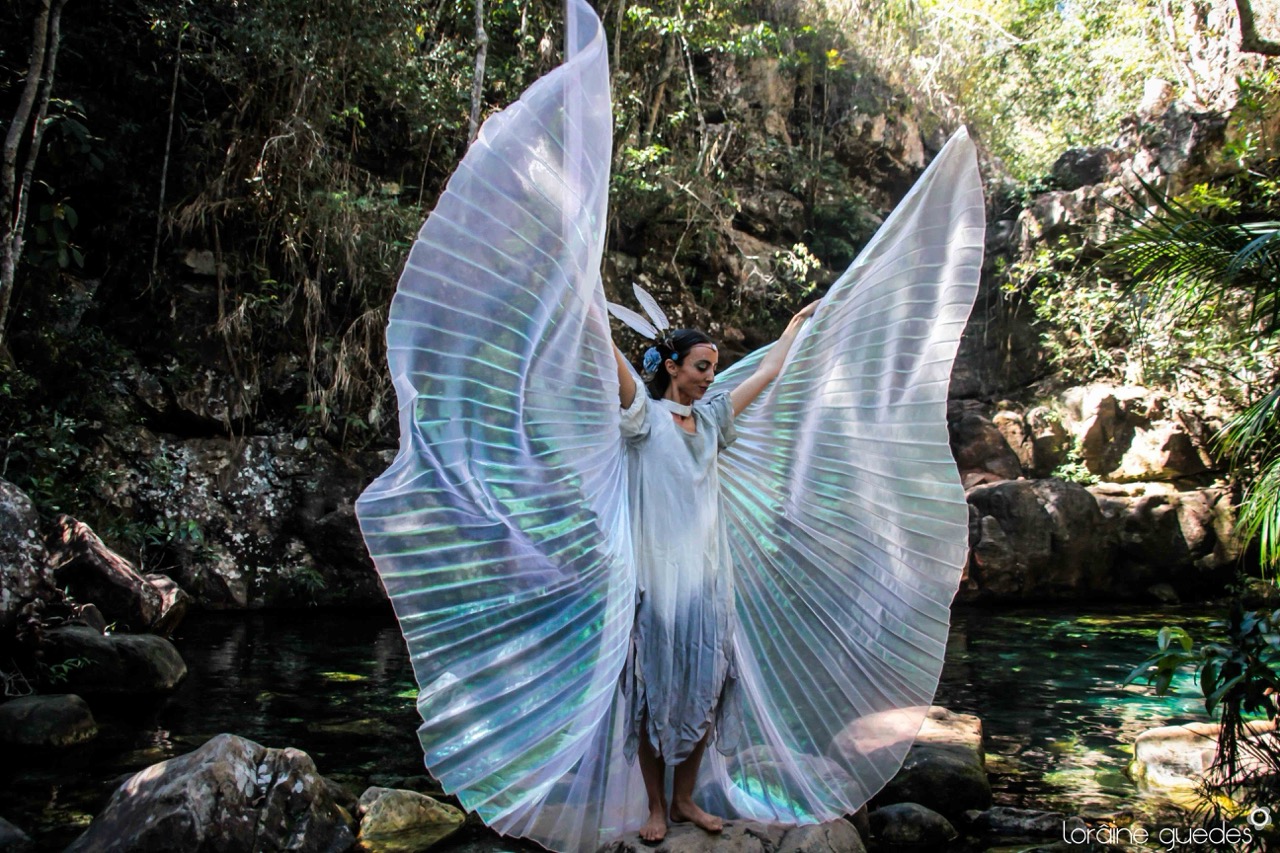
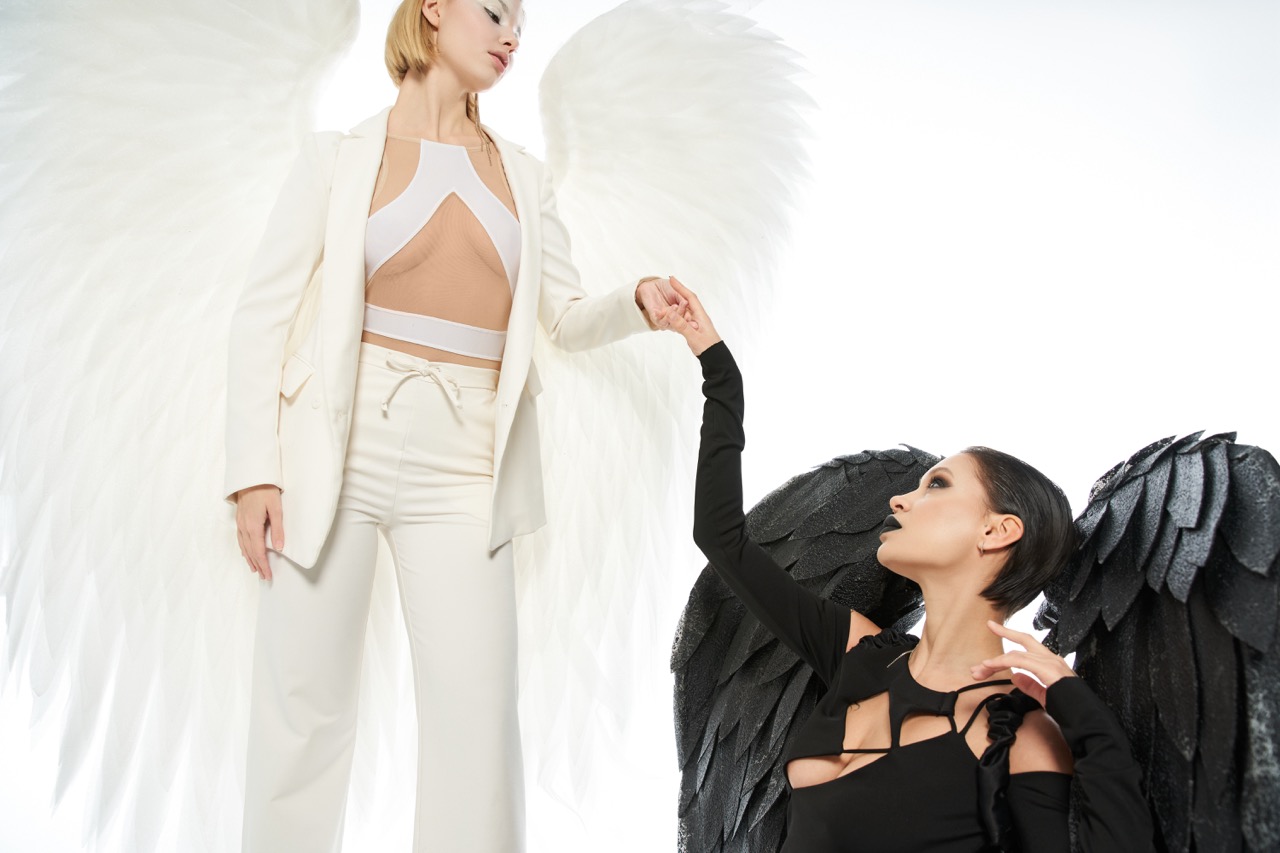
The transition from traditional ballet costumes to modern dance wings symbolizes a broader shift toward innovation in design. The classic tutu, with its flared layers of tulle, embodies the grace and elegance of ballet, but as dance evolved, so too did its costumes. Modern dance wings have emerged as a unique fusion of artistry and technology, allowing dancers to explore new dimensions of movement. These avant-garde designs often incorporate unconventional materials, interactive elements, and even wearable technology, pushing the boundaries of what a costume can achieve.
The aesthetic evolution from the tutu to the contemporary dance wing is marked by a greater emphasis on individuality and personal expression. Dancers are increasingly seeking costumes that not only enhance their performance but also reflect their own unique styles and personas. This demand for innovation has led designers to experiment with shapes, colors, and materials previously unimagined in the context of dance. As a result, the aesthetic of dance wings transcends traditional standards, embracing a more eclectic and diverse range of influences, from streetwear to haute couture.
Moreover, the modern dance wing design process often involves collaboration between choreographers, dancers, and costume designers. This collaborative spirit fosters a creative dialogue that allows for the blending of artistic visions, resulting in costumes that enhance the narrative of the performance while providing optimal freedom of movement. The influence of ballet’s aesthetic traditions can still be felt in these designs, as the precision and elegance of ballet continue to inform the development of contemporary dance wings, revealing a dynamic interplay between past and present.
Fabric and Function: The Role of Costumes in Design
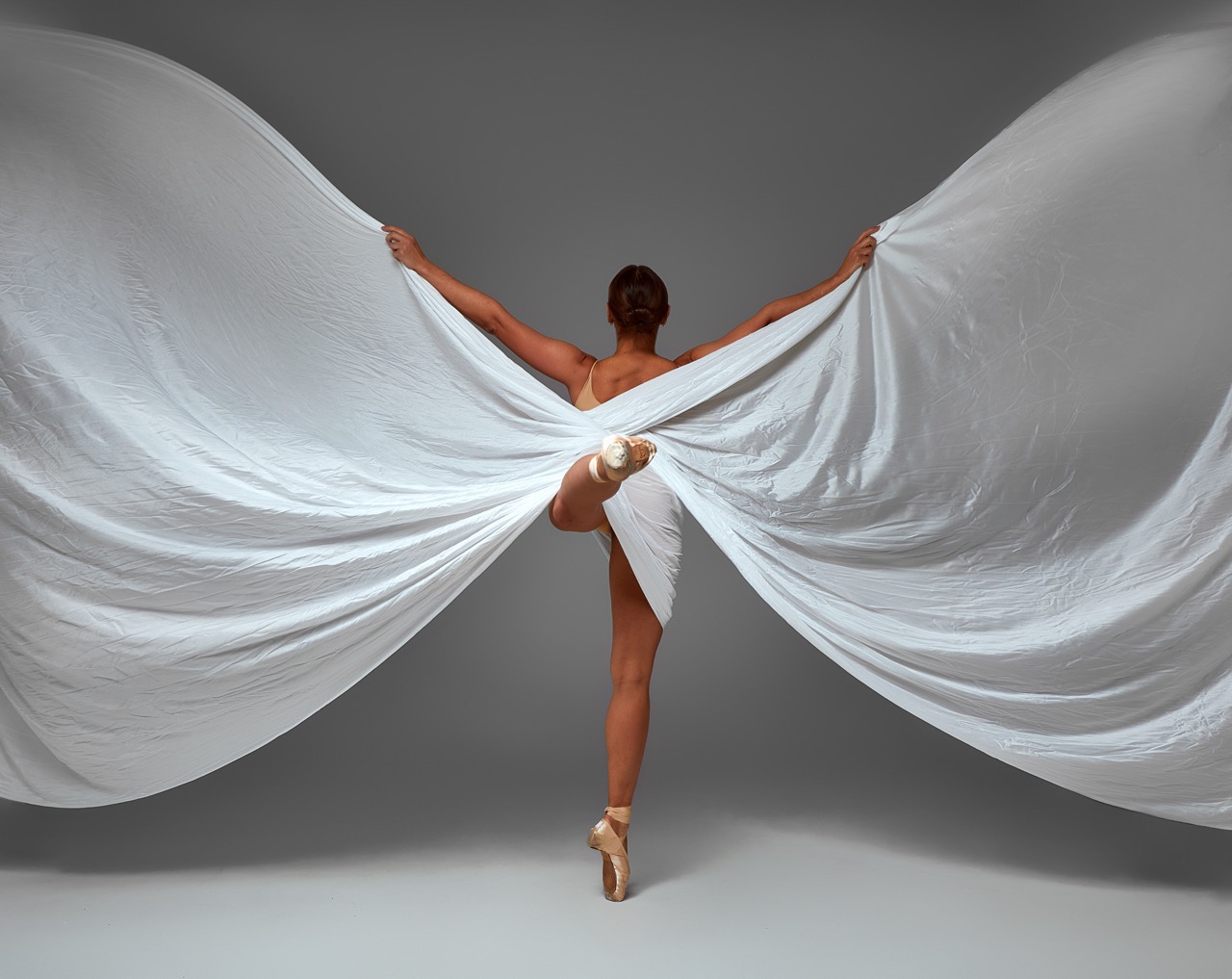
In the realm of dance, the relationship between fabric and function is critical, especially as it pertains to modern design. Ballet costumes are crafted to highlight the dancer’s physique and movement, employing fabrics that flow, stretch, and support. This tradition carries over to modern dance wings, where the choice of materials plays a pivotal role in the overall design and its functionality. Fabrics such as lycra, mesh, and even 3D-printed elements are now commonplace, offering not only comfort but also innovative ways to enhance visual impact.
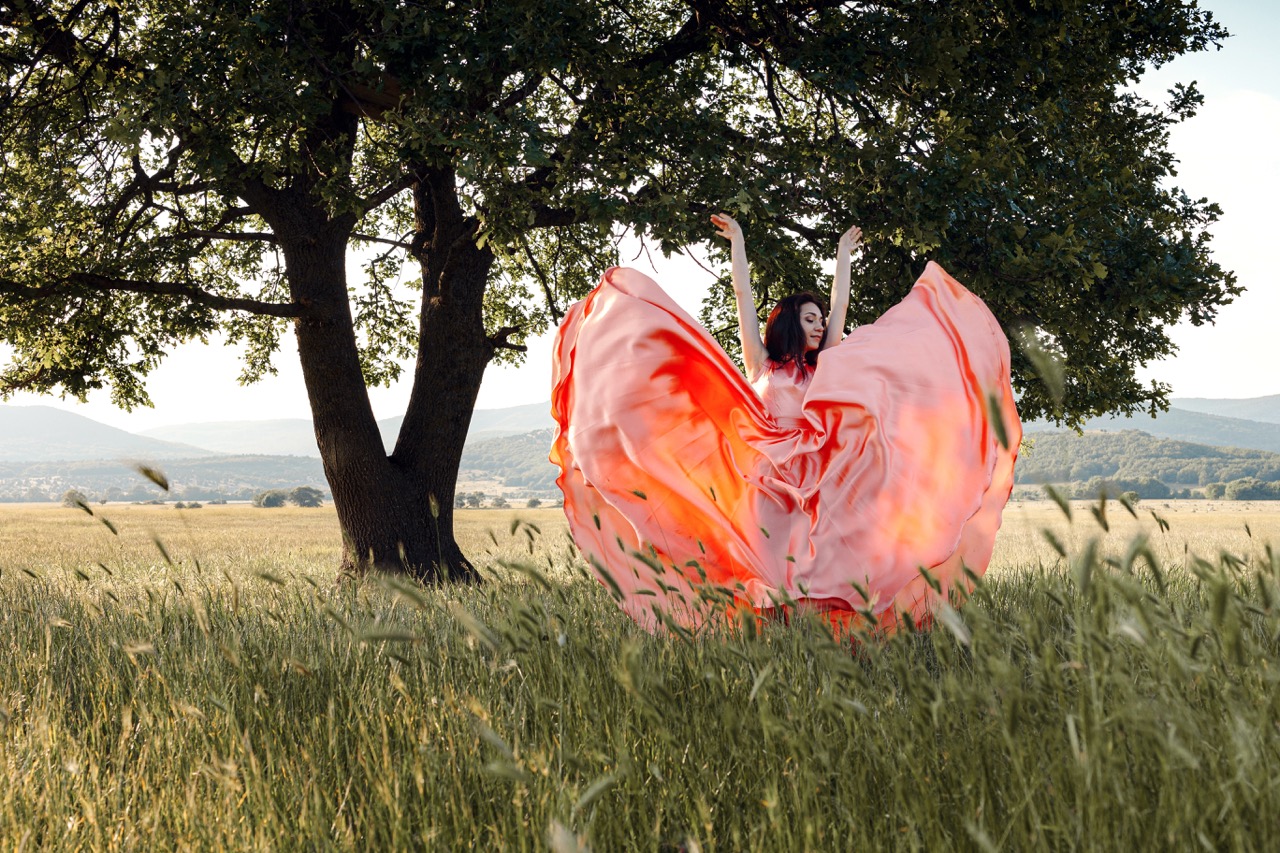
The evolution of fabric technology has transformed modern dance costume design, allowing for greater versatility and expression. These advancements enable designers to create costumes that can respond dynamically to movement, creating visual narratives that are as fluid as the dancers themselves. For instance, costumes may incorporate features like reflective materials that catch the light during performance, or layers that shift and transform as dancers move. This ability to manipulate fabric in response to choreography sets modern dance wings apart, making them both functional and striking.
Furthermore, the integration of technology into costume design has led to the development of smart textiles that can adapt to the dancer’s body and performance environment. These innovations not only enhance the aesthetic appeal of the costume but also revolutionize the way movement is experienced by both dancers and audiences. As modern dance continues to explore themes of identity and emotion, the intersection of fabric and function in costume design becomes increasingly vital, embodying the essence of the performance while respecting the dancer’s need for freedom and expression.
Bridging Traditions: Modern Dance Inspired by Ballet Styles
Modern dance has always existed in a state of dialogue with its historical predecessors, and ballet is no exception. The intricate movements and stylistic nuances of ballet have profoundly influenced the development of modern dance forms. Choreographers often adapt ballet techniques, reinterpreting them within a contemporary context that encourages innovation and experimentation. This bridging of traditions is particularly evident in the design of modern dance wings, where elements of ballet costumes can be found alongside new creative expressions.
The influence of ballet can be seen in the choreography and performance style of many modern dance companies, which often incorporate ballet-inspired techniques while emphasizing a more visceral expression of movement. This synthesis allows dancers to draw from a rich vocabulary of physical expression, enabling them to explore a wide range of emotional landscapes. The costumes worn in these performances reflect this hybridity, merging traditional ballet influences with contemporary design principles to create unique visual experiences.
As modern dance continues to evolve, the enduring legacy of ballet costumes serves as a reminder of the interconnectedness of dance forms. By embracing the elegance and sophistication of ballet while forging new paths in expression, contemporary dance artists are able to create performances that resonate with audiences on multiple levels. The dialogue between the past and present enriches the dance community, inspiring future generations of dancers and designers to explore the boundaries of movement and artistic expression.
The influence of ballet costumes on modern dance wing design encapsulates a journey of artistic evolution, bridging history with innovation. As we delve into the intricate interplay between fabric, function, and form, it becomes evident that the legacy of ballet is not merely a relic of the past, but a living source of inspiration that continues to shape the future of dance. By honoring the traditions of ballet while embracing the possibilities of modern design, choreographers and costume designers alike are crafting a vibrant narrative that reflects the ever-changing landscape of dance. This ongoing dialogue between heritage and innovation ensures that the artistry of dance remains a dynamic and transformative force, captivating audiences and dancers alike for generations to come.