

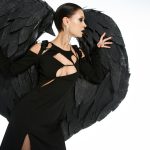
In the vibrant world of dance, costumes serve not just as clothing but as extensions of the performers’ artistic expression. Among the most breathtaking and complex costumes are those adorned with wings, elevating the visual impact of any performance. The process of building winged costumes for large dance productions is an intricate blend of artistry, innovation, and technical skill. From the initial spark of inspiration to the final performance on stage, each phase is crucial in creating a stunning visual narrative that captivates audiences. This article delves into the multifaceted journey of crafting these enchanting costumes, highlighting the artistry, design, construction techniques, and final touches that bring them to life.
Crafting Dreams: The Artistry Behind Winged Costumes
Creating winged costumes is an artistic endeavor that transforms visions into tangible creations. The initial inspiration often draws from nature, mythology, or fantastical themes, where artists envision how wings can symbolize freedom, transformation, or otherworldly beauty. This imaginative process involves sketching designs and selecting color palettes that will resonate with the dance’s narrative and the performers’ movements. Every detail matters, from the size and shape of the wings to the textures and embellishments that will adorn the final piece.
The artistry extends beyond mere aesthetics; it encompasses the emotional resonance the costume evokes. Designers must consider how the wings interact with the dancer’s body, enhancing their movements while also contributing to the overall storytelling. Collaboration with choreographers is vital, as the wings should not only complement the dance but elevate it. This partnership ensures that the costume aligns with the choreography and allows for seamless integration within the performance context.
As the design ideas take shape, mood boards and prototypes may be created to visualize the final concept. This phase is essential for refining the artistic vision and making decisions about dimensions and functionality. Ultimately, the artistry behind winged costumes is a delicate balance between inspiration, practicality, and expression, setting the stage for the next phase of development.
Design to Reality: Conceptualizing Winged Costume Ideas
Once the artistic vision is established, the next step is to translate those ideas into practical designs. This phase involves creating detailed technical drawings and schematics that illustrate how the wings will attach to the dancer’s body, ensuring both comfort and freedom of movement. Designers must take into account the weight distribution, balance, and how the wings will interact with the dancer’s choreography. This careful planning is essential, as the costumes must perform well under the rigors of live performance.
Choosing the right materials is a critical component of this process. Designers often experiment with various fabrics, feathers, and plastics to achieve the desired look and functionality. Lightweight materials are preferred to ensure that dancers can move easily, while also maintaining the visual impact of the wings. Additionally, considerations regarding durability and ease of maintenance play a significant role in material selection, as costumes must withstand repeated wear and the rigors of performance.
To further refine the concept, mock-ups of the wings may be constructed, allowing designers to test their ideas in real-time. These prototypes provide invaluable insights into how the wings will look and feel during a performance, and they offer an opportunity to make adjustments before the final build. This iterative process is crucial for achieving the perfect balance between artistic vision and practical application, setting the stage for the construction phase.
Construction Techniques: Materials and Methods Unveiled
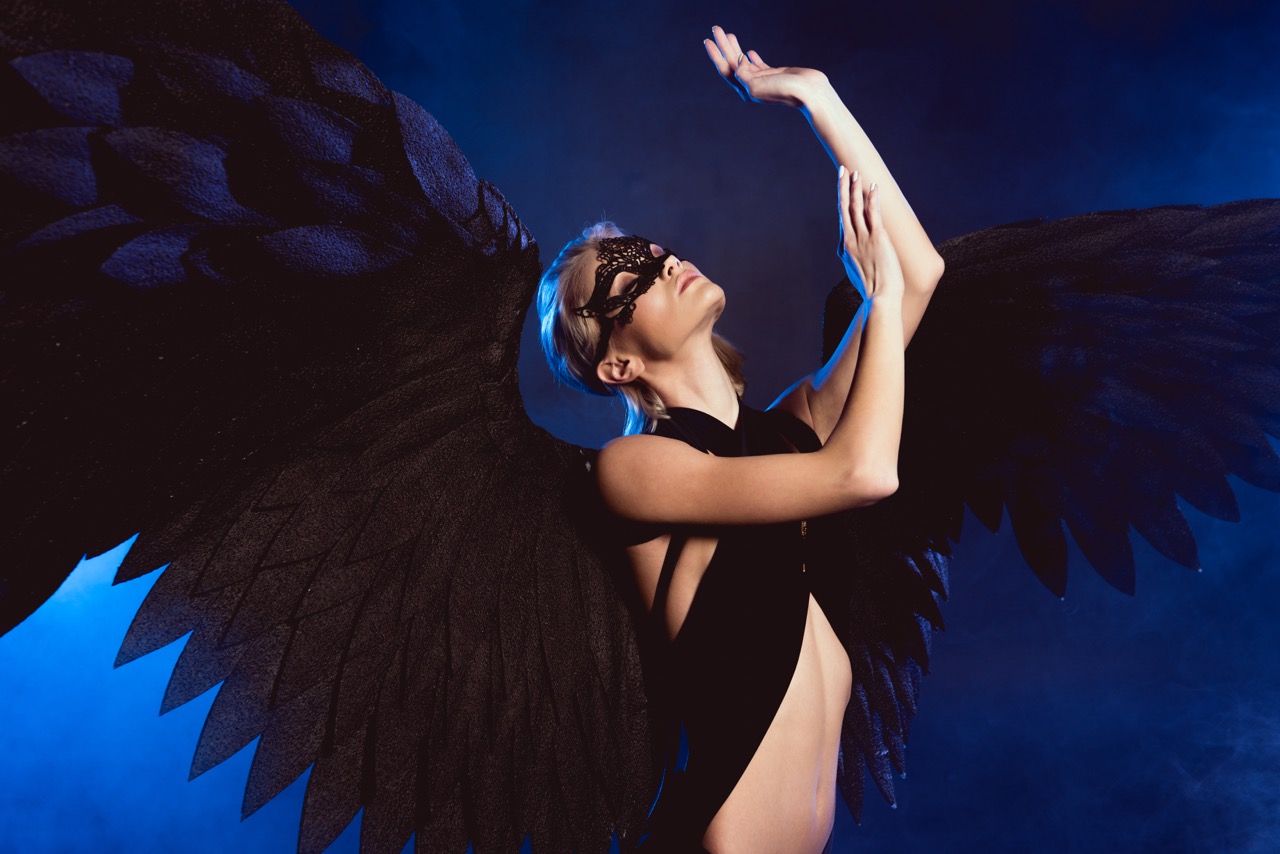
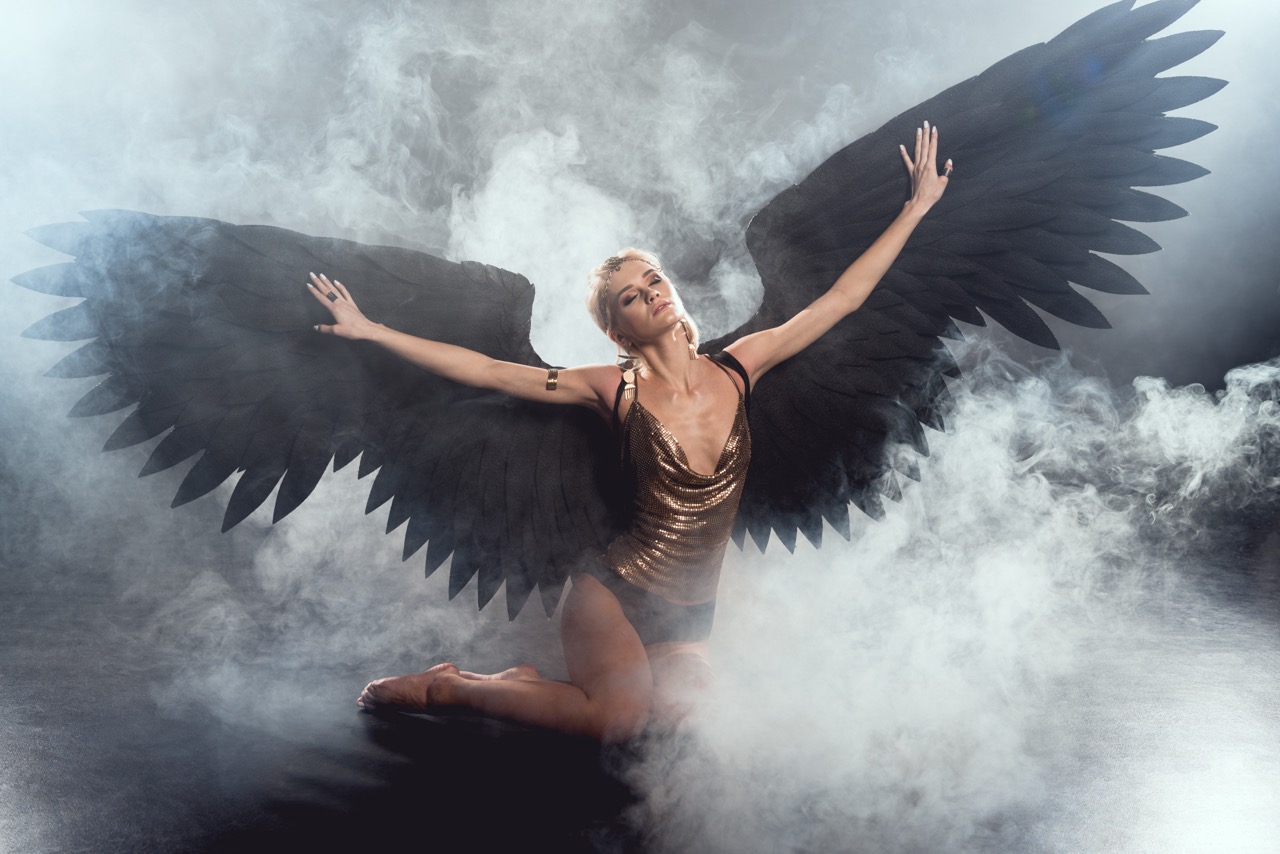
The construction of winged costumes requires a diverse array of techniques and skills. Once the designs and materials have been finalized, artisans embark on creating the wings, often starting with a sturdy framework. This framework, typically made from lightweight materials such as aluminum or fiberglass, provides the necessary support to hold the wings’ shape. The choice of framework is critical, as it must allow for flexibility and movement without compromising the overall structure.
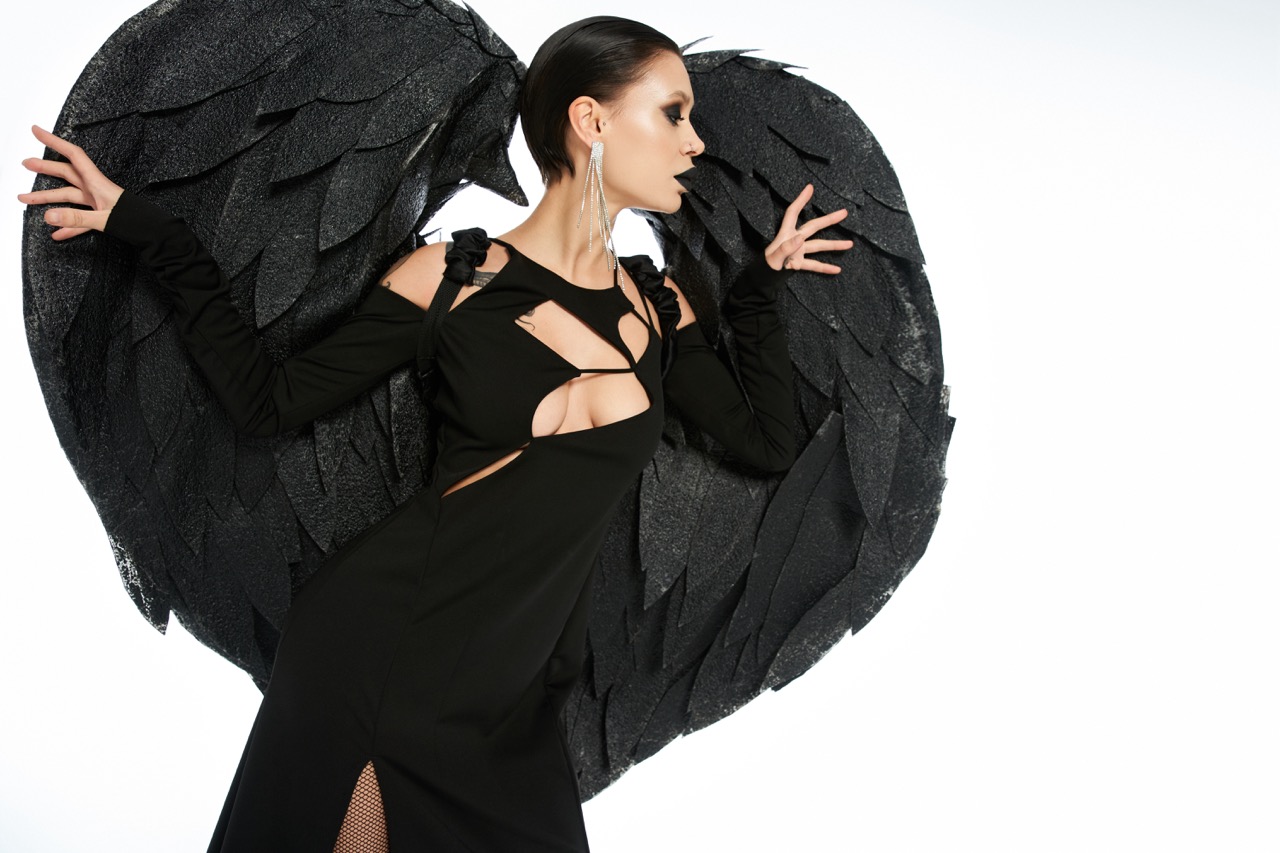
Covering the framework is where creativity truly flourishes. Designers may opt for draping fabrics, layering feathers, or crafting intricate patterns with various materials. Each layer adds depth, texture, and color, transforming a simple structure into a visually stunning piece of art. Techniques such as sewing, gluing, and even painting come into play to ensure the final product aligns with the initial vision. Attention to detail is paramount; every stitch and placement contributes to the wings’ overall aesthetic and functionality.
In addition to traditional construction methods, modern technology has begun to play a significant role in costume design. Techniques such as 3D printing allow for the creation of unique components that may be difficult to achieve through conventional means. This fusion of art and technology opens new avenues for innovation, enabling designers to push the boundaries of what winged costumes can achieve. As the construction progresses, collaboration among the team becomes essential to troubleshoot challenges and ensure that the final pieces are ready for their debut on stage.
Final Touches: Fitting, Functionality, and Performance Testing
As the winged costume approaches completion, the final fitting is a crucial step in the process. This stage involves dressing the performer in the costume and making necessary adjustments to ensure a perfect fit. Designers meticulously assess how the wings move with the dancer, making tweaks to straps and fastenings to optimize comfort and functionality. After all, the performers’ ability to express themselves fully during the dance relies heavily on how well the costume fits and feels.
Functionality is also a key consideration during this stage. Designers need to evaluate how the wings respond to movement, ensuring they enhance the performance rather than hinder it. This may involve testing the wings under various conditions, such as different lighting or stage settings. The goal is to identify any potential issues before the costume is presented to an audience, allowing for modifications to be made for optimal performance.
Finally, performance testing plays a pivotal role in ensuring that the costume is stage-ready. Dancers will rehearse in their complete outfits, giving designers the opportunity to observe how the wings interact with the choreography in real-time. Feedback from performers is invaluable, as they can share insights about mobility, weight, and overall comfort. This collaborative effort between designers and dancers ultimately culminates in a costume that not only looks stunning but also supports the performers’ artistry, ready to take flight on stage.
The journey of building winged costumes for large dance productions is a remarkable blend of artistry, collaboration, and craftsmanship. From the spark of an idea to the final performance, each phase contributes to the creation of costumes that not only enhance the visual experience but also serve as vital tools for the expression of the dancers. The intricate process of conceptualizing, constructing, and perfecting these costumes highlights the dedication and creativity of all involved. As audiences are transported into worlds of wonder and imagination, the artistry behind winged costumes continues to inspire and captivate, reminding us of the boundless possibilities that dance and costume design can achieve together.