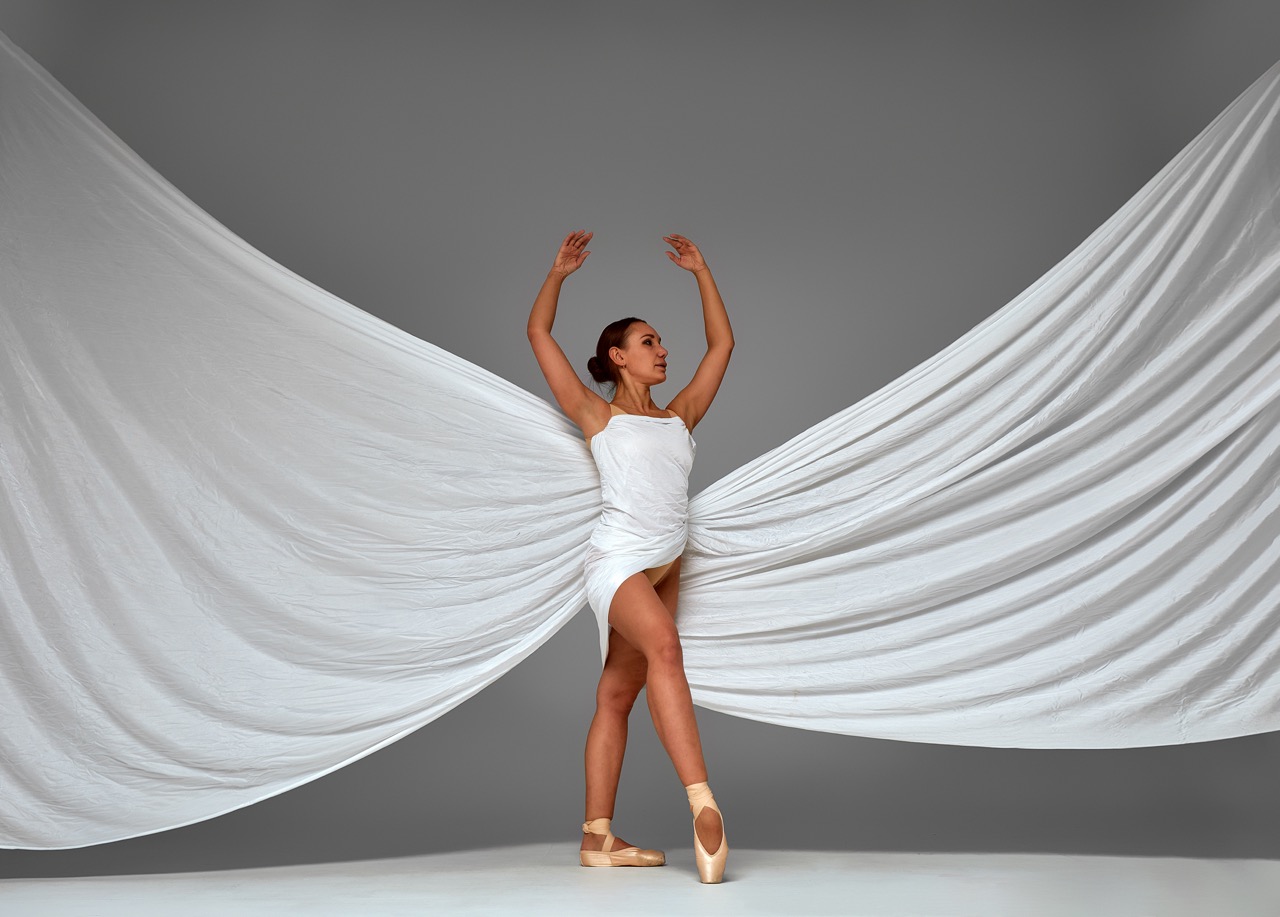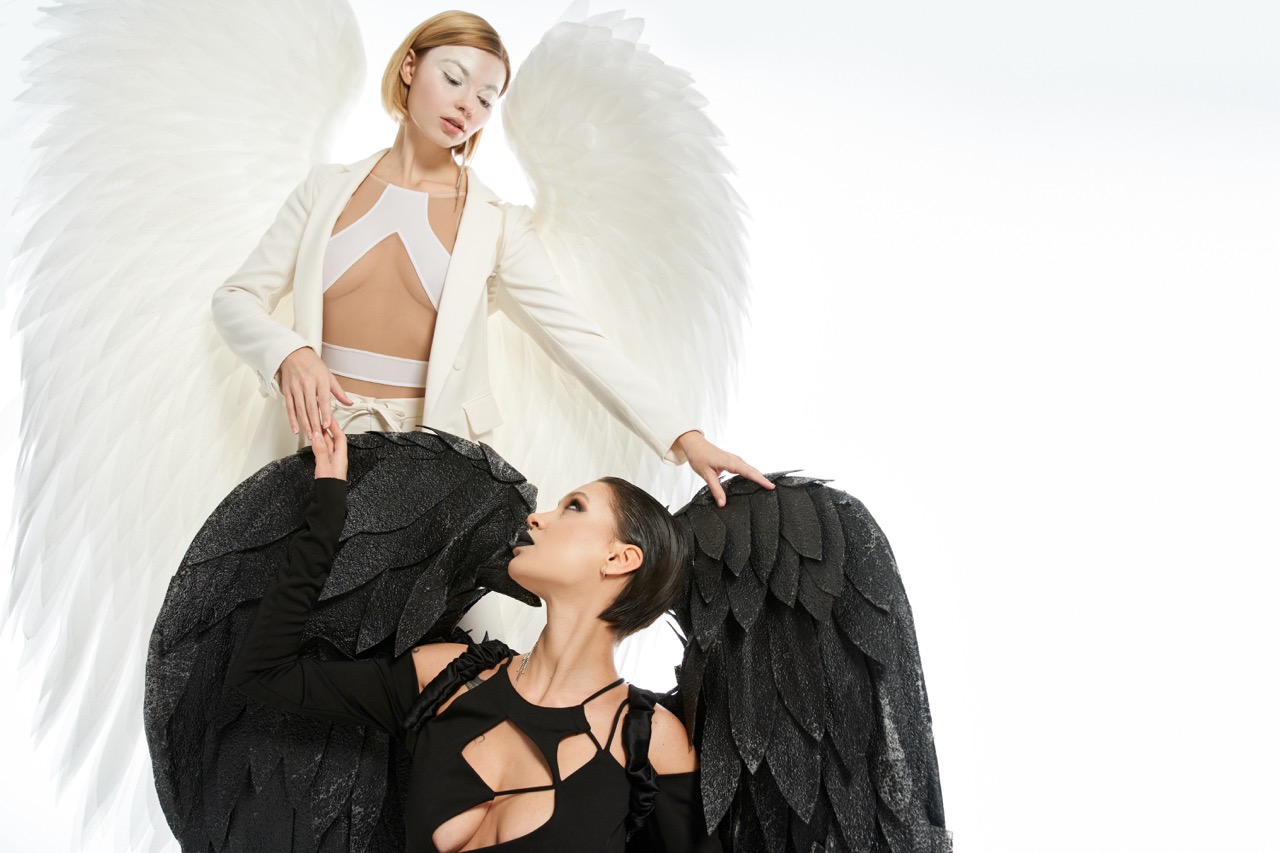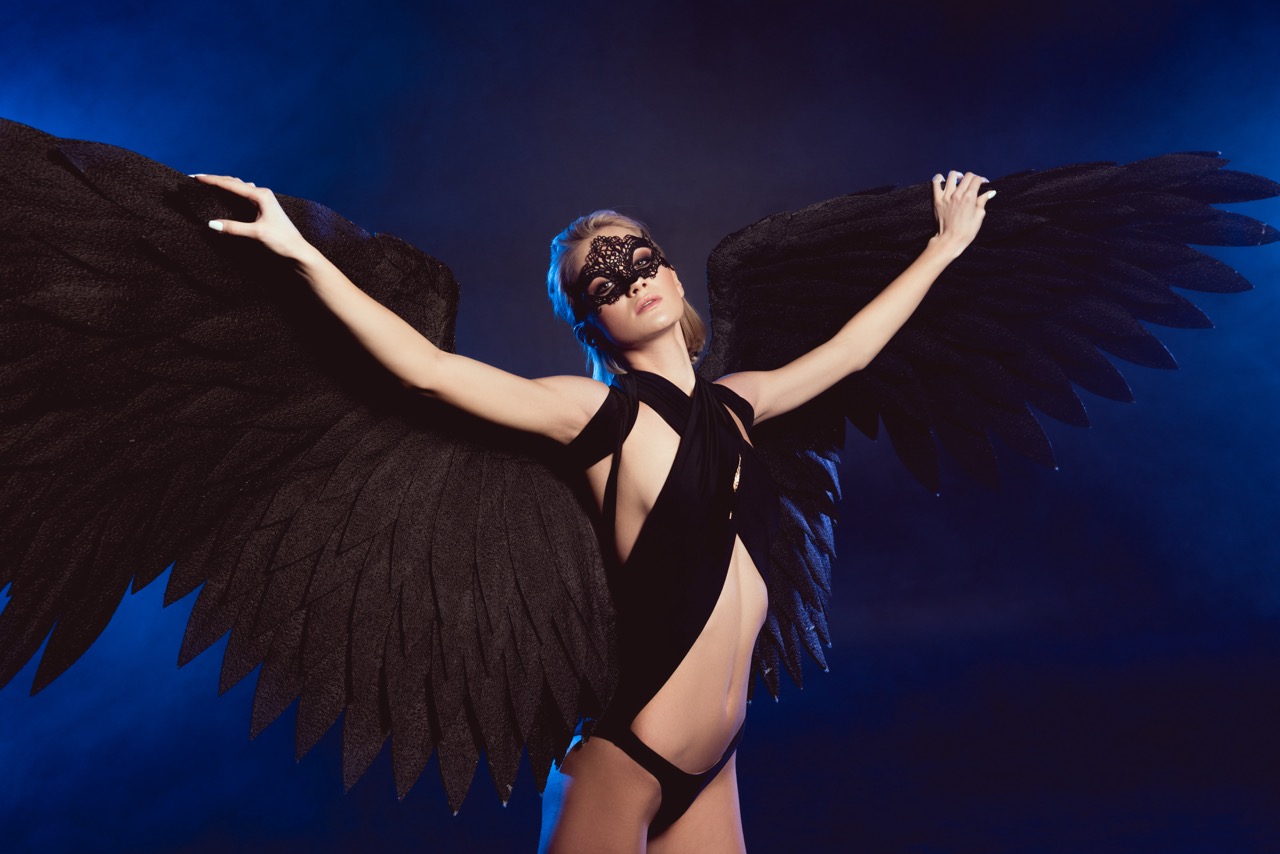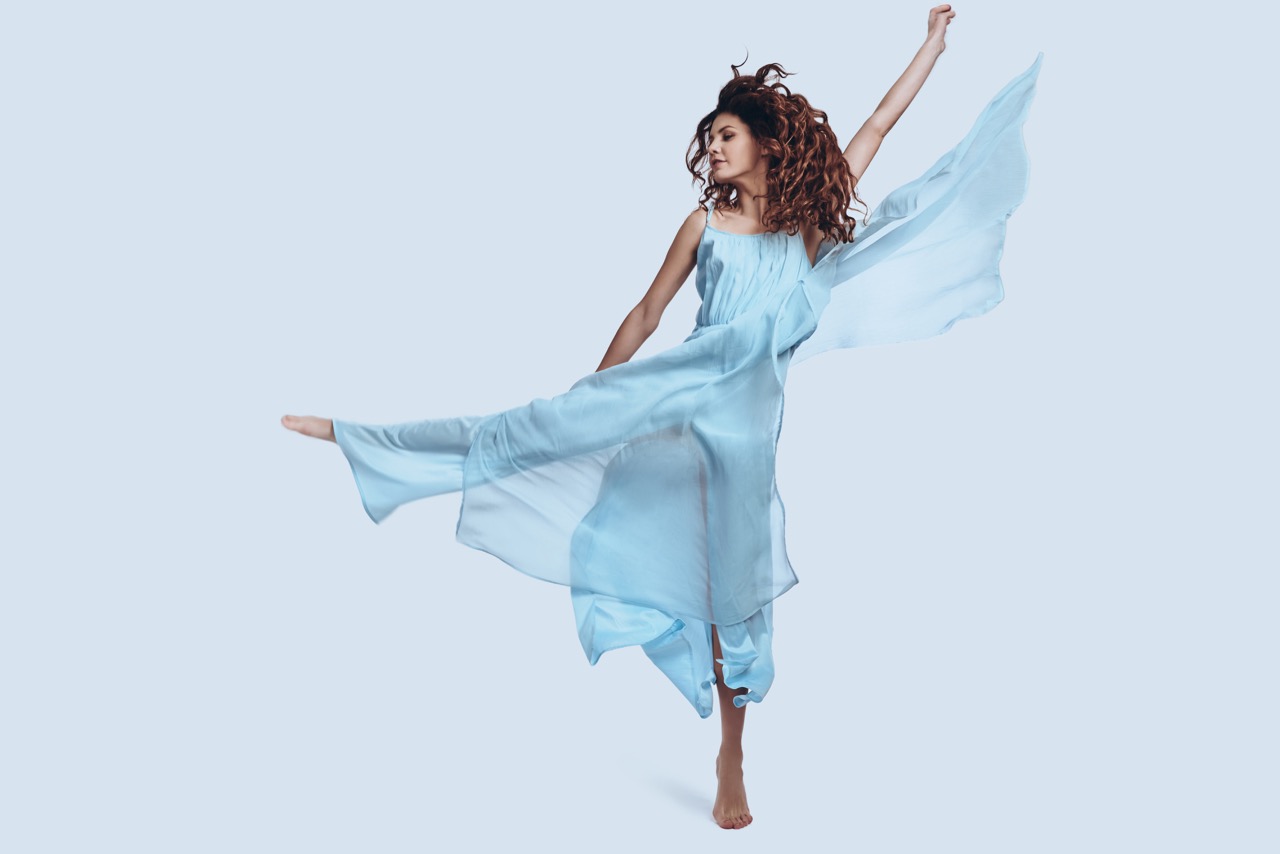



Throughout history, the presence of wings in dance attire has captivated audiences and performers alike. From mythological figures to contemporary interpretations, the image of dancers adorned with wings evokes a sense of wonder and ethereality. This article delves into the enigmatic origins of winged attire, exploring its symbolism and significance across various cultures, and examining the modern adaptations that keep this timeless motif alive in the world of dance.
The Enigmatic Origins of Dancer’s Winged Attire
The origins of dancers wearing wings can be traced back to ancient civilizations where wings were seen as symbols of divine connection and transcendence. In Egyptian mythology, for instance, the goddess Isis was often depicted with outstretched wings, representing protection and healing. This divine imagery established a precedent, allowing dancers to emulate celestial beings as they performed rituals and celebrations. Over time, this practice expanded across various cultures, with performers incorporating wing-like elements into their costumes to enhance the visual impact of their dances.
In Ancient Greece, dancers adorned themselves with winged costumes during festivals dedicated to the gods, particularly during the Dionysian celebrations. The inclusion of wings in their attire not only drew attention to their movements but also served to bridge the earthly realm with the divine. The connection between dance, spirituality, and the performance of mythological narratives became a defining characteristic of these early dance forms, solidifying the significance of wings as a visual and symbolic representation of the heavens.
As societies evolved, so did the representation of wings in dance attire. The Renaissance period, marked by a renewed interest in classical art and mythology, saw a resurgence of celestial themes in performance. Dancers in elaborate productions began donning winged costumes to evoke the angelic and the otherworldly, further embedding the concept of flight and fantasy into the narrative of dance. Thus, the enigmatic origins of winged attire set the stage for a rich tapestry of meanings and interpretations that would unfold through the ages.
Symbolism and Significance: Wings Through the Ages
Wings, throughout history, have symbolized various themes—freedom, transcendence, and the divine. In many cultures, the act of flight represents liberation from earthly constraints. By incorporating wings into dance attire, performers embody this sense of freedom, allowing them to escape the mundane and connect with higher realms of existence. The movement of wings, whether real or imagined, can amplify the ethereal quality of dance, captivating audiences and transporting them to places beyond their imagination.
The significance of wings in dance also extends to the representation of duality. While they often symbolize angelic or divine qualities, wings can also evoke darker themes, such as the unsettling presence of fallen angels or mythical creatures. This duality allows for a rich layering of meaning in performances where dancers explore themes of transformation, struggle, and enlightenment. The ability to oscillate between light and shadow through the symbolism of wings deepens the emotional resonance of dance, inviting audiences to contemplate the complexities of the human experience.
Moreover, as dancers adorn themselves with wings, they become vessels of storytelling, weaving narratives that transcend language. From folk tales to epic myths, the power of the winged dancer lies in their ability to evoke emotions and provoke thought. The symbolic weight of wings not only enhances the aesthetic beauty of performances but also serves as a catalyst for cultural dialogue, allowing diverse traditions to converge in celebration of the shared human experience.
Cultural Interpretations: Wings in Global Dance Traditions
The representation of wings in dance is not confined to a single culture or tradition; instead, it reflects a rich tapestry of interpretations across the globe. In traditional Indian dance forms such as Bharatanatyam and Kathak, dancers often incorporate movements that mimic birds in flight, using their arms to create wing-like gestures. These movements, laden with symbolism, reflect the connection between the dancer and the natural world, illustrating themes of grace, spirituality, and the beauty of nature.
In contrast, the indigenous dances of the Americas often feature costumes adorned with feathers, serving as a direct homage to birds and the spiritual significance they hold. For many Native American cultures, feathers symbolize honor, strength, and a spiritual connection to the Creator. Dancers donning feathered winged attire participate in sacred rituals, channeling the energy of the birds into their movements. This cultural interpretation of wings is deeply rooted in traditions that honor ancestors and the natural world, highlighting the profound connection between dance and spirituality.
As one traverses the globe, the influence of wings in dance can be seen in various cultural expressions, including the vibrant tango of Argentina, where dancers’ sweeping movements resemble the flaring of wings in passionate embrace. Similarly, in the traditional dances of East Asia, the delicate movements and costumes of performers often include wing-like elements that convey grace and fluidity. Each cultural interpretation adds layers of meaning to the concept of wings, showcasing the diversity and richness of dance as a universal language.
Modern Adaptations: The Evolution of Winged Costumes
In contemporary dance, the adaptation of winged attire has taken on new dimensions, reflecting the complexities of modern artistic expression. Designers and choreographers now experiment with materials, technology, and aesthetics to create innovative winged costumes that challenge traditional notions of movement and form. From LED-lit wings that pulsate with rhythm to intricate fabric structures that expand and contract with the dancer’s body, modern adaptations allow for a dynamic interplay between performer and costume, enhancing the visual spectacle of the performance.
Moreover, the influence of pop culture has led to a resurgence of winged imagery in commercial dance, particularly in music videos and stage performances. Artists like Beyoncé and Lady Gaga have famously donned winged costumes, merging high fashion with performance art. This contemporary interpretation often blurs the lines between reality and fantasy, inviting audiences to engage with the concept of wings as symbolic manifestations of empowerment and self-expression.
Additionally, the rise of aerial dance has further transformed the way wings are perceived in performance. By integrating aerial techniques, dancers have redefined the relationship between body and space, creating a visual narrative that elevates the concept of flight to new heights. In this context, wings are no longer just a decorative element; they become integral to the choreography, enabling performers to explore the physicality of movement in three dimensions. The evolution of winged costumes continues to inspire creativity, ensuring that this age-old symbol remains relevant in the ever-changing landscape of dance.
The enduring allure of wings in dance attire reflects a rich tapestry of historical significance, cultural interpretations, and modern adaptations. From ancient rituals to contemporary performances, wings serve as a powerful symbol of freedom, transcendence, and the human spirit’s capacity for storytelling. As dancers continue to innovate and explore the possibilities of winged costumes, they honor the traditions of the past while simultaneously forging new narratives for the future. The legacy of wings in dance is a testament to the art form’s ability to inspire, captivate, and connect us all to the sublime.