


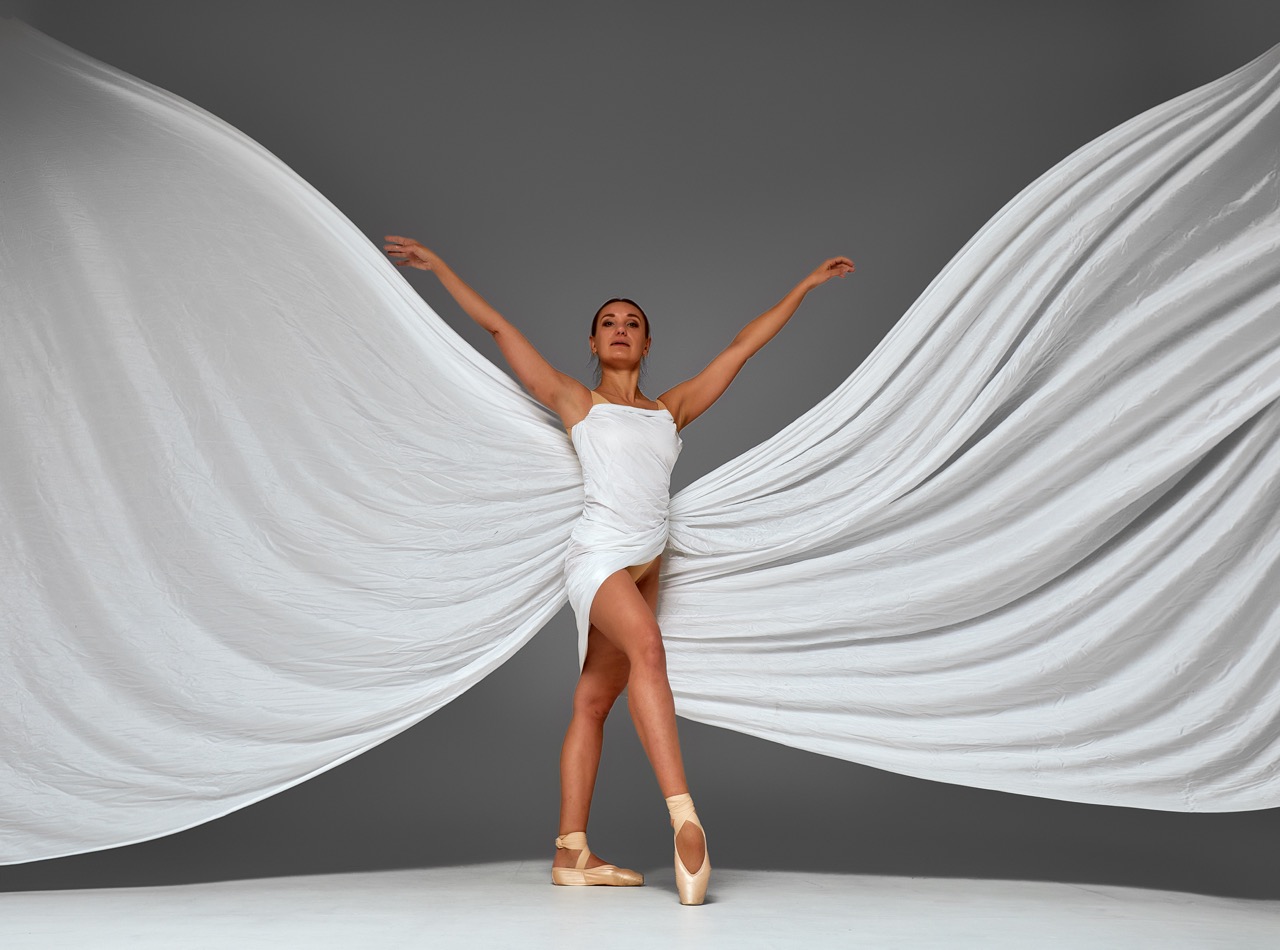
In the world of dance, wings serve as mesmerizing extensions of the dancer’s spirit, enhancing the performance with visual splendor and grace. The art of designing feathery, flowing dance wings is a unique fusion of creativity, technical skill, and performance science. These ethereal creations not only elevate the aesthetic appeal of a dance but also amplify the emotional connection between the dancer and the audience. In this article, we will explore the essential elements of dance wing design, from the principles of elegance to the materials and techniques required to bring these enchanting accessories to life.
Embracing Elegance: The Essence of Dance Wing Design
When it comes to dance wing design, elegance is paramount. The essence of these wings lies in their ability to complement the dancer’s movements, enhancing the overall narrative of the performance. Each curve and contour should echo the fluidity of the dance itself, allowing the wings to become an extension of the dancer’s body. Designers must consider not only the aesthetics but also how the wings interact with the dancer’s movements, thereby creating a harmonious visual display that captivates the audience.
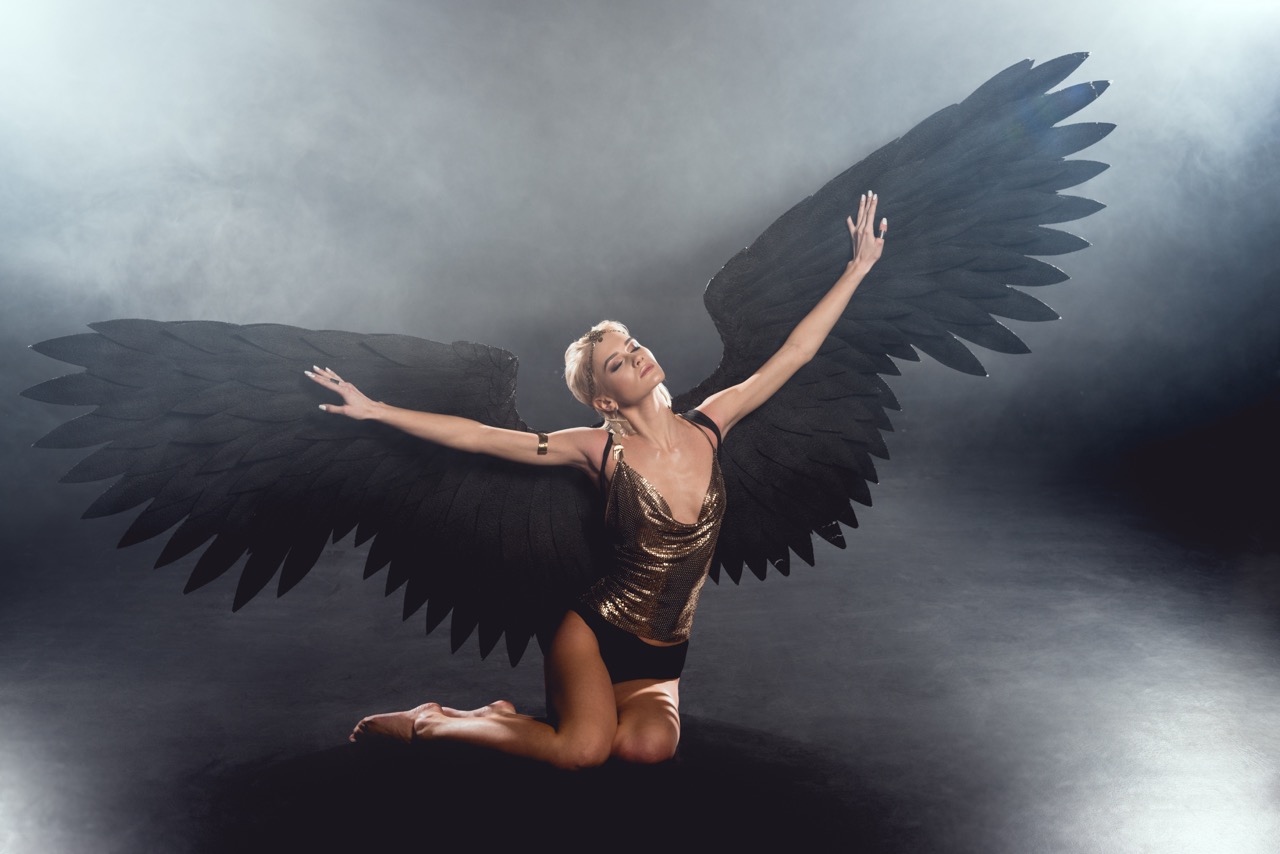
The silhouette of the wings is crucial; it should embody the themes of the dance while allowing for freedom of movement. Whether opting for dramatic, sweeping shapes or delicate, fluttering designs, the wings should resonate with the emotional tone of the piece. Furthermore, incorporating elements such as gradient colors or light-catching embellishments can enhance the visual impact, drawing the audience’s eye and evoking a sense of wonder. Ultimately, the art of design lies in the delicate balance between form and function, creating a look that is both stunning and practical.
To achieve elegance in design, inspiration is often drawn from nature, art, and cultural motifs. The delicate structure of a butterfly’s wings or the flowing lines of classical art can provide ideas for patterns and shapes. By respecting these inspirations while infusing personal creativity, designers can create wings that not only look beautiful but also tell a story. This narrative aspect is vital as it connects the dancer to the audience, allowing for a shared experience that transcends the performance.
Materials Matter: Choosing Fabrics for Flow and Feathers
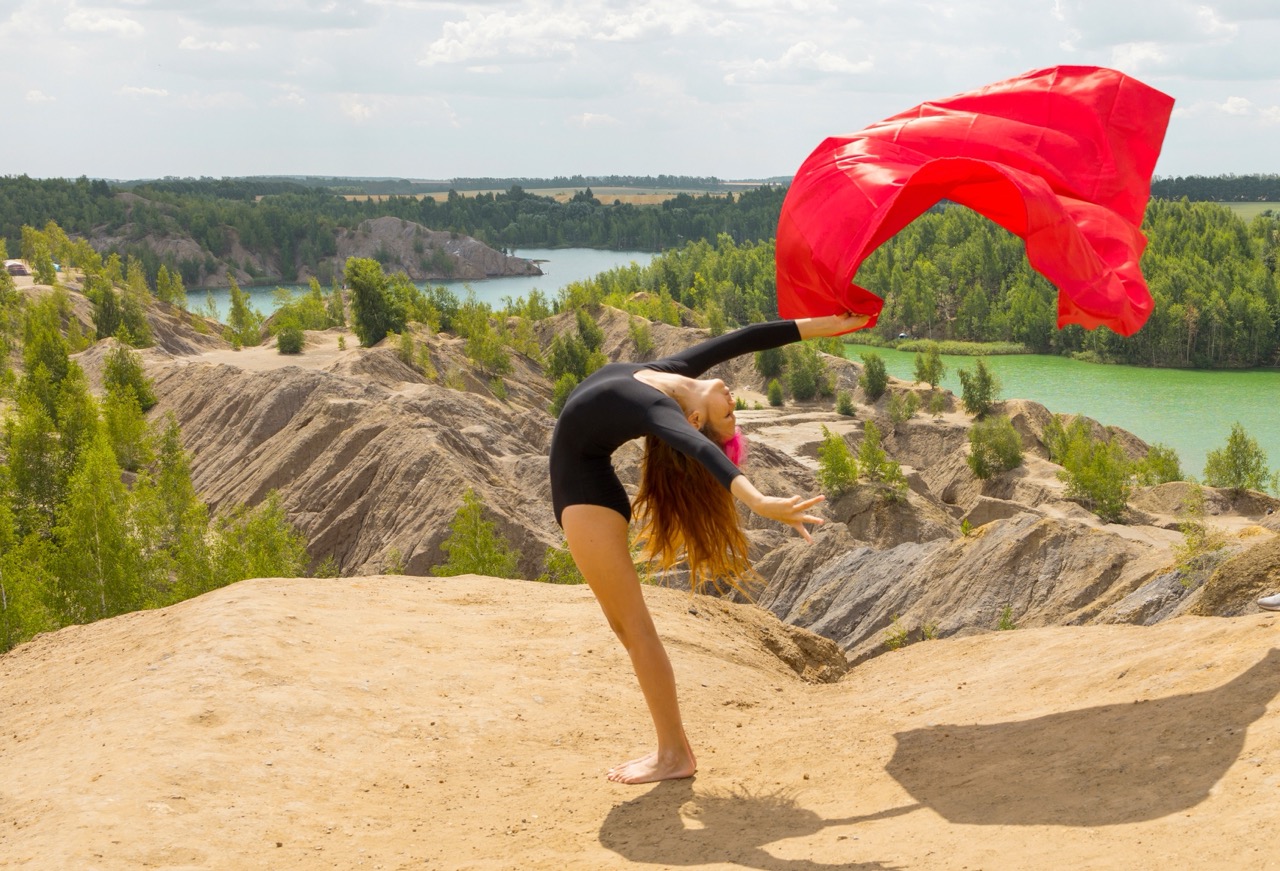
Selecting the right materials is a critical step in the design process of dance wings. The choice of fabric can significantly impact the wings’ flow, weight, and aesthetic appeal. Lightweight materials such as silk, chiffon, or organza are often favored due to their ability to catch the air and create a buoyant effect. These fabrics allow for graceful, airy movements that enhance the dancer’s performance, creating a mesmerizing visual experience that captivates the audience’s attention.
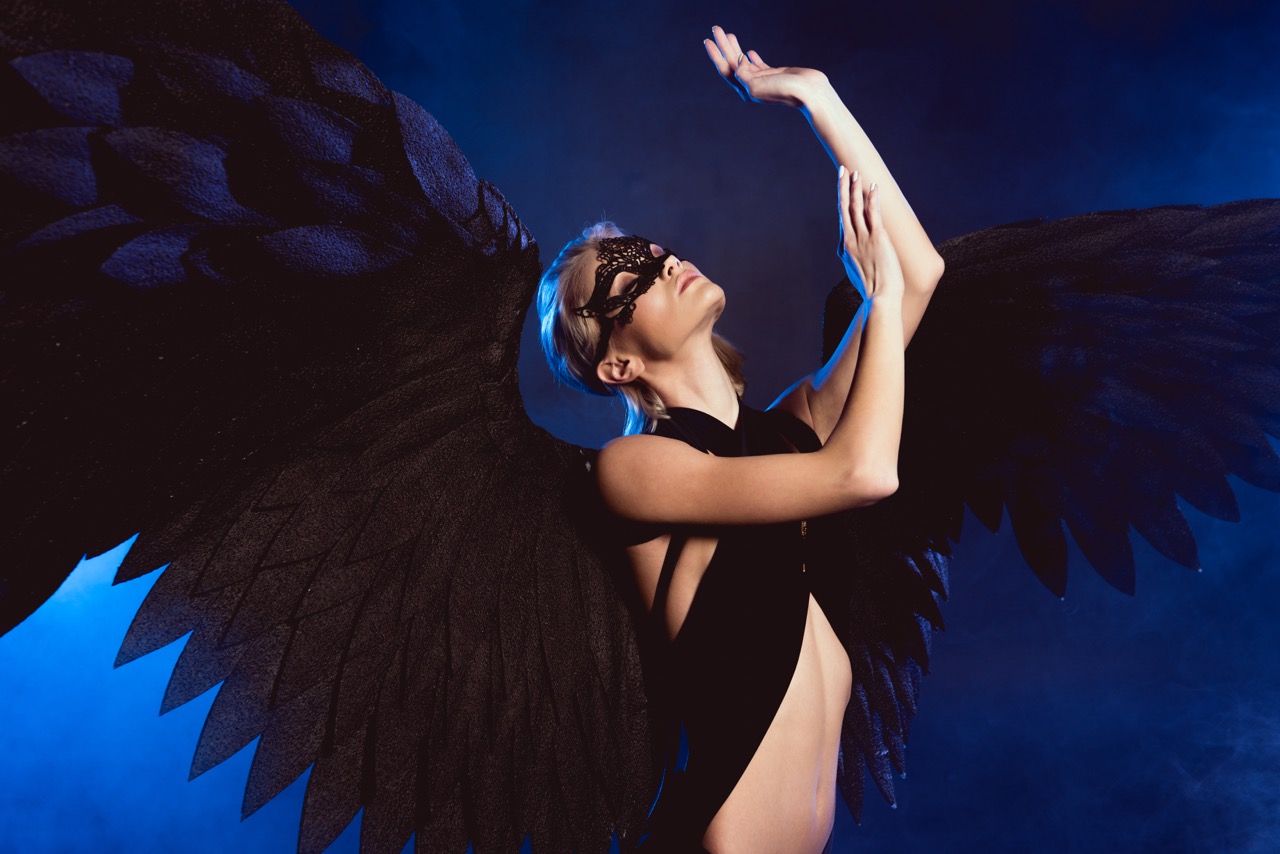
Incorporating feathers into the design adds another layer of sophistication and texture. Feathers can offer a dramatic flair while providing a tactile element that enhances the sensory experience of the dance. When selecting feathers, it is essential to consider their weight and flexibility, ensuring they complement the chosen fabric rather than detract from it. Additionally, the color and pattern of the feathers should harmonize with the overall design, helping to create a cohesive look that resonates with the performance’s themes.
Sustainability is also becoming an important factor in material selection. Many designers are now opting for eco-friendly fabrics and ethically sourced feathers. This shift not only promotes environmental responsibility but also aligns with the growing demand for conscious consumerism in the fashion and performance industries. Embracing sustainable materials allows designers to create beautiful dance wings that are both enchanting and ethically sound, providing performers with a sense of pride in their costumes.
Techniques for Mastering Movement in Dance Wing Creation
Creating dance wings that move seamlessly with the dancer requires mastering various design techniques. One effective method is to incorporate tiered layers into the wing structure. By using multiple layers of fabric, each varying in length and opacity, designers can achieve a dynamic visual effect that mimics the natural movement of wings. This layering technique adds depth to the wings and creates playful interactions with the air, resulting in a captivating display during performances.
Another essential technique is to focus on the wing’s attachment method. Whether using a harness, straps, or detachable elements, the way wings are secured to the dancer is crucial for both comfort and fluidity. A well-designed attachment allows for unrestricted movement, enabling the dancer to execute intricate choreography without the wings becoming a hindrance. Designers often experiment with various attachment methods to find the perfect balance between security and ease of movement, ensuring that the wings enhance rather than impede the performance.
Lastly, understanding the physics of movement is vital in dance wing design. Designers must consider how the weight distribution of the wings affects the dancer’s movements. Strategic placement of heavier elements, such as beads or additional fabric, can create a striking visual as the wings move through the air, while lighter materials can enhance fluidity and grace. By analyzing how movement interacts with different materials and designs, creators can develop wings that not only look stunning but also perform exceptionally well in tandem with the dancer’s artistry.
From Vision to Reality: Bringing Dance Wings to Life
Transforming the vision of dance wings into a tangible reality involves careful planning and execution. The initial design phase typically involves sketching out ideas and creating prototypes. This iterative process allows designers to visualize how their concepts translate into physical form, making it easier to identify potential issues early on. Feedback from dancers during this phase is invaluable, as it provides insight into functionality and movement, ensuring that the final product meets the performance needs.
Once the designs are finalized, the construction phase begins. This stage involves cutting, sewing, and assembling the chosen fabrics and materials into cohesive wings. Attention to detail is crucial; reinforcing seams and ensuring proper alignment will contribute to the durability and aesthetic quality of the final product. It is also during this phase that embellishments, such as sequins or beads, can be added to enhance the overall look and feel of the wings.
After the wings are constructed, extensive fitting and rehearsal are essential to achieve the desired effect. Dancers should practice in the wings to ensure comfort, balance, and seamless integration into their choreography. This final adjustment period allows designers to make necessary refinements based on real-world performance scenarios, ensuring that when the dance wings debut on stage, they do so with effortless elegance and stunning visual impact.
The art of designing feathery, flowing dance wings is a beautiful blend of creativity, craftsmanship, and performance acumen. By embracing elegance in design, carefully selecting materials, mastering movement techniques, and transforming visions into reality, designers can create stunning wings that elevate the dancer’s artistry. These creations not only enhance the aesthetic appeal of performances but also foster a deeper emotional connection between dancers and audiences. As the world of dance continues to evolve, the enchanting allure of dance wings will undoubtedly remain a captivating and vital element of artistic expression.