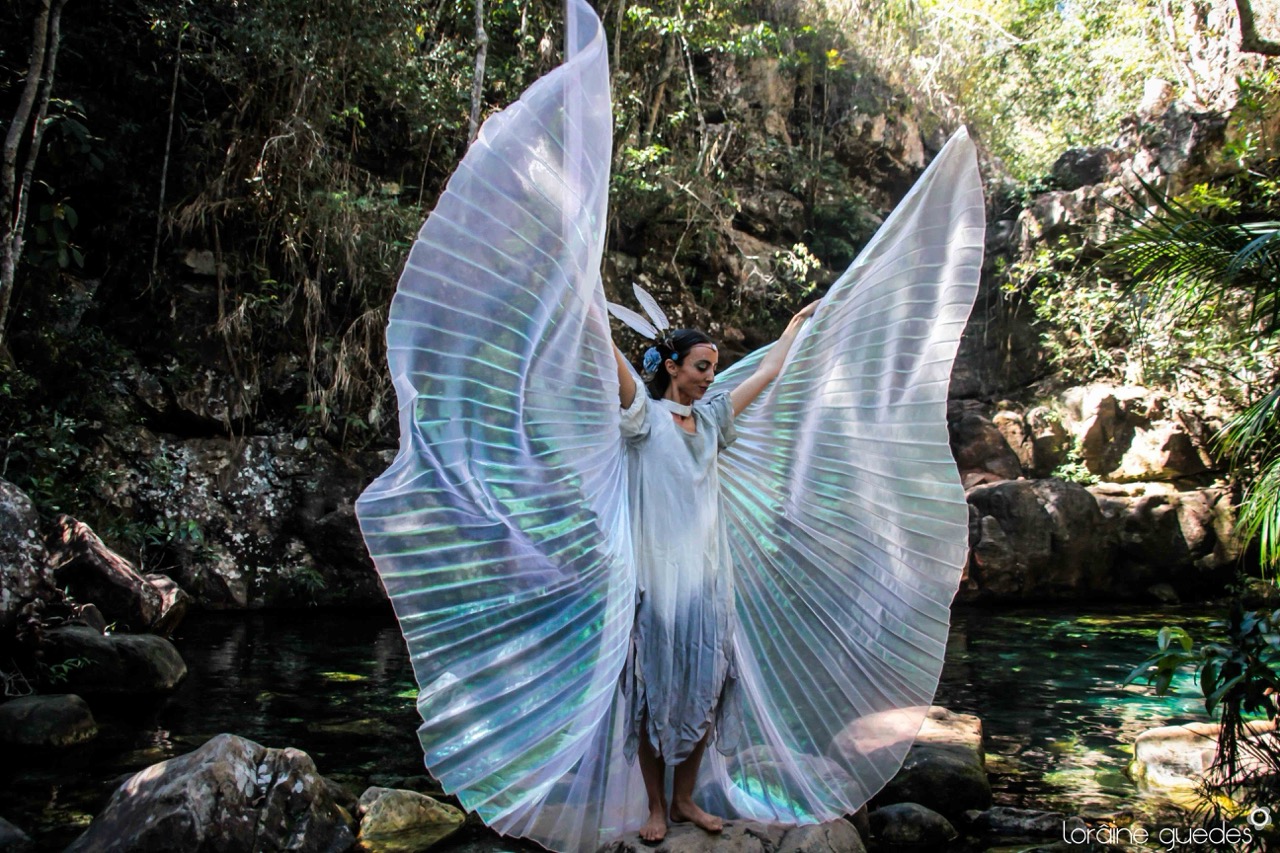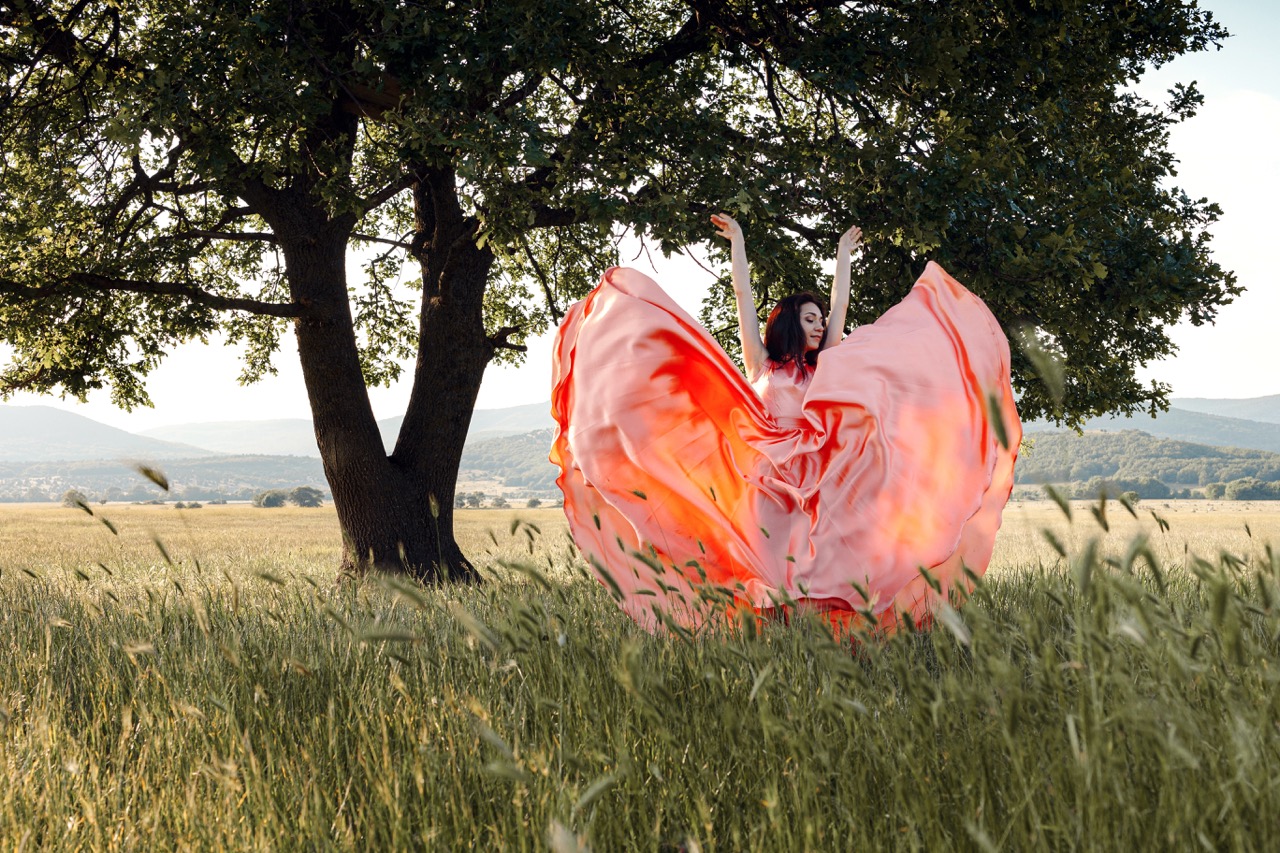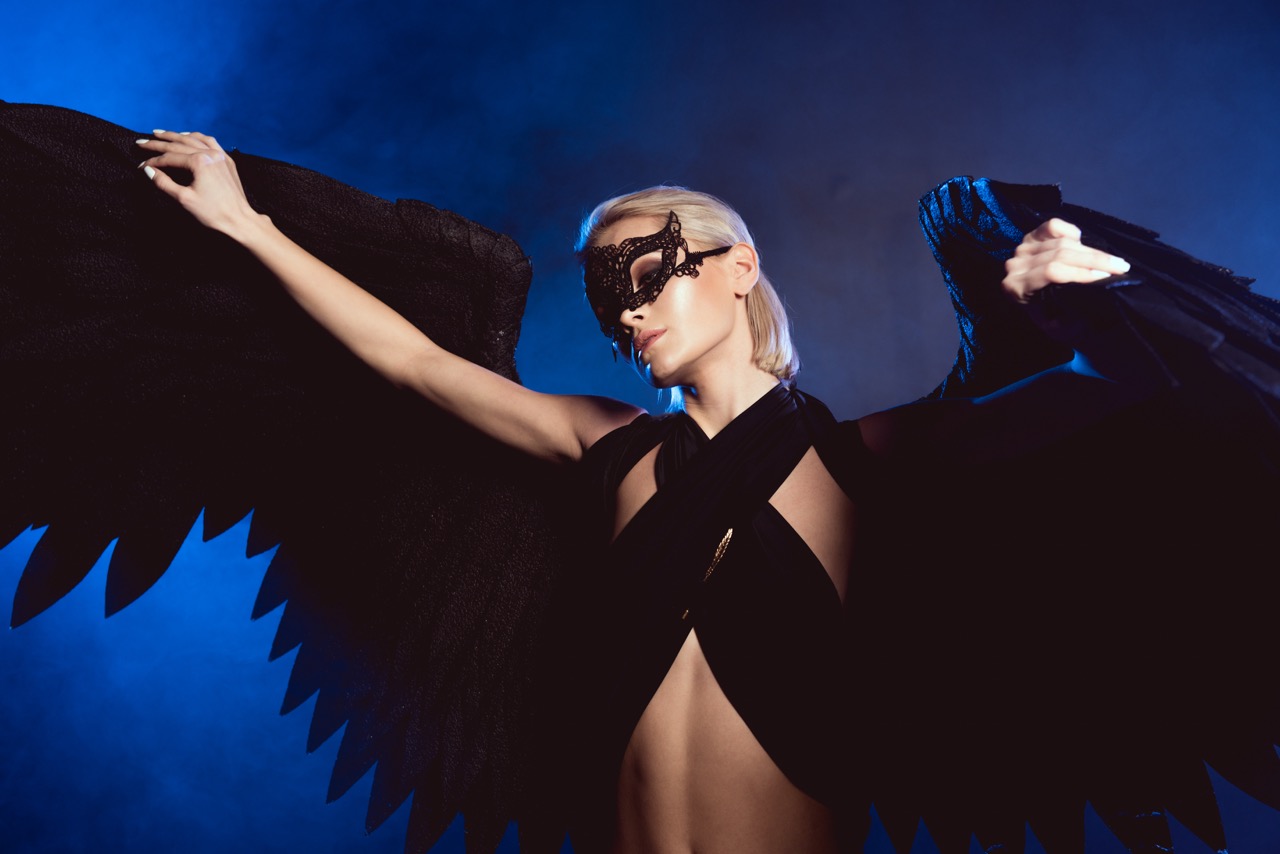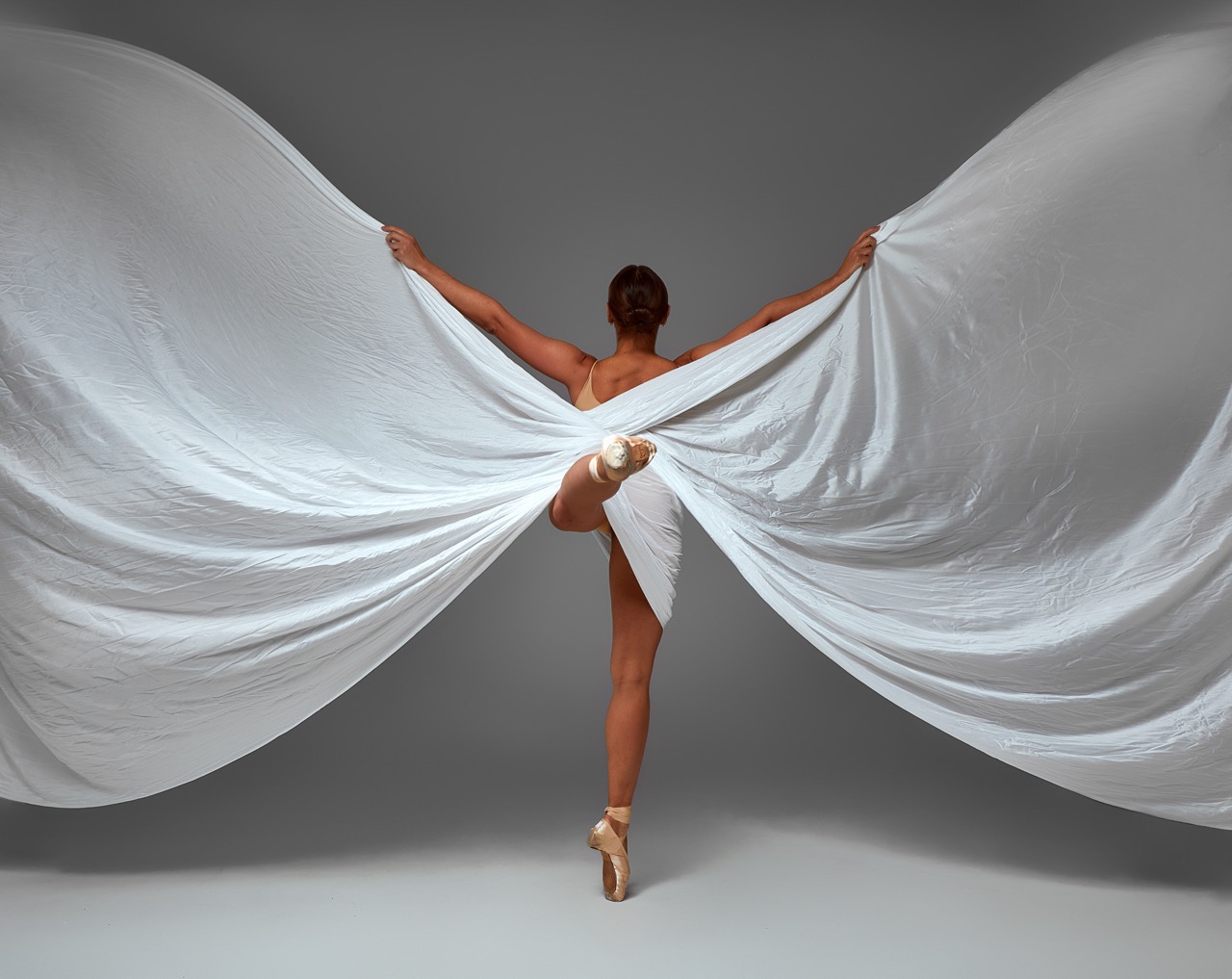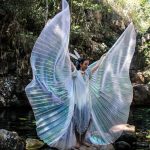
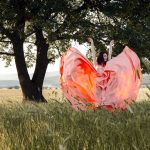
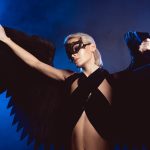
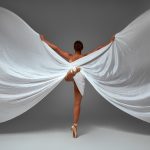
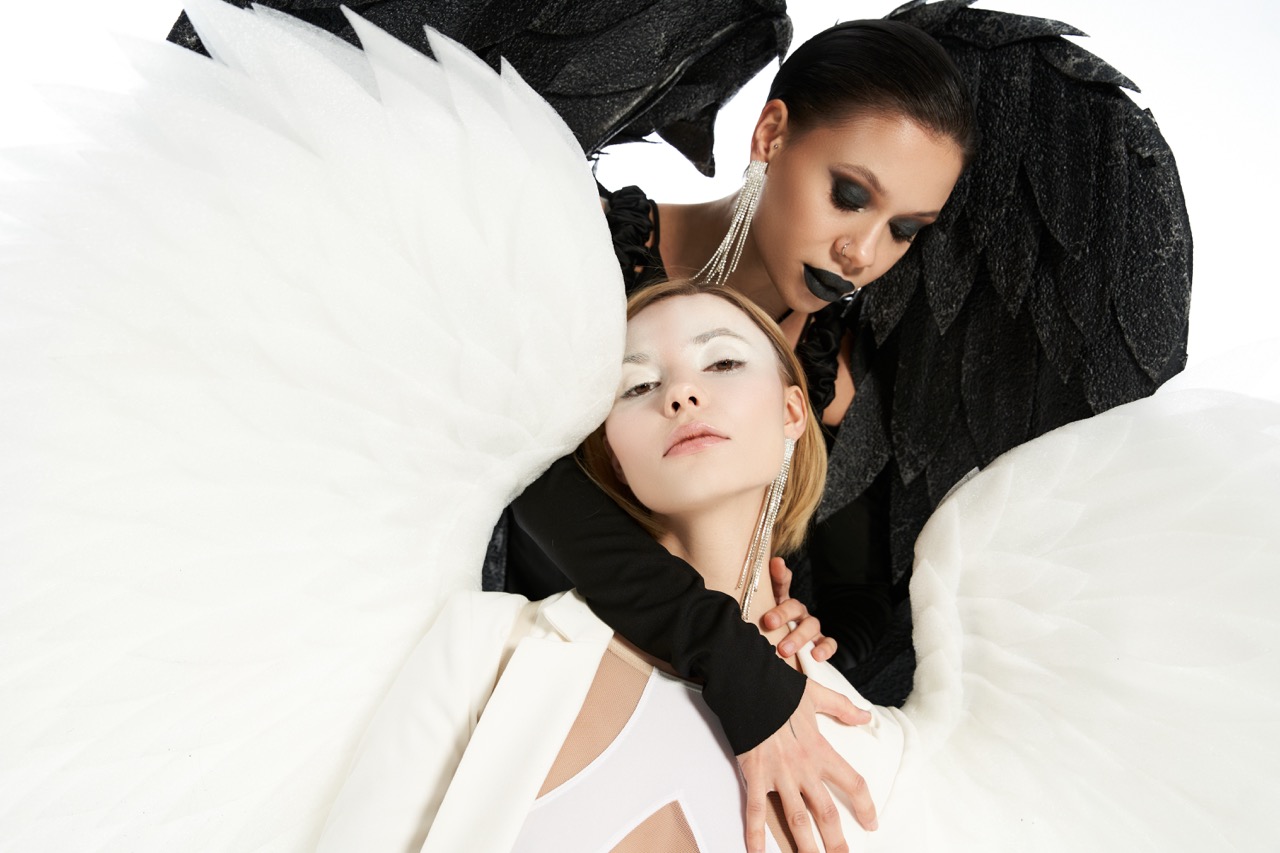
The world of musical theatre and dance is a realm where imagination takes flight, quite literally, through the use of winged costumes. These ethereal adornments not only enhance the visual spectacle of performances but also serve as powerful symbols of transformation and liberation. With their ability to evoke a sense of wonder and transcendence, winged costumes have become a hallmark of creativity in stage design, captivating audiences and performers alike. This article explores the artistic merits, symbolic significance, design techniques, and iconic moments of winged costumes in the vibrant world of performance.
Soaring Styles: The Art of Winged Costumes in Performance
Winged costumes have a unique ability to transport performers—and their audiences—into an otherworldly dimension. From the majestic swan in "Swan Lake" to the whimsical fairies in "A Midsummer Night’s Dream," designers cleverly incorporate wings into their creations to enhance character depth and narrative. The styles range from ethereal, delicate designs to bold, statement pieces that can amplify emotions like joy, confidence, or even melancholy. The aesthetics of these costumes are often influenced by the nature of the character, the themes of the story, and the overall visual language of the production, making each pair of wings a vital element in the storytelling process.
In addition to their aesthetic appeal, winged costumes can also transform the physicality of the performers. The incorporation of wings often necessitates specific movement styles, prompting dancers and actors to adapt their performances to accommodate their new appendages. This interplay between costume and choreography allows for a dynamic relationship that can enhance the expressiveness of movement, creating moments of sheer beauty and drama on stage. The choreography often becomes a symphony of motion, with wings fluttering and billowing, adding an additional layer of storytelling that draws audiences deeper into the experience.
Furthermore, winged costumes can evoke a sense of fantasy that blurs the line between reality and imagination. They invite audiences to partake in a suspension of disbelief, where humans can embody the grace of birds or the magical qualities of mythical creatures. This enchanting element invites imagination and emotional connection, allowing the audience to engage with the characters on a deeper level. The artistry involved in crafting winged costumes elevates performances, turning them into mesmerizing spectacles that linger in the memory long after the curtain falls.
The Symbolism of Wings: Freedom and Transformation Explored
Wings are often seen as a universal symbol of freedom, representing the ability to rise above earthly constraints and explore new horizons. In both musical theatre and dance, this symbolism takes on various forms depending on the narrative context. For instance, in productions like "Peter Pan," wings represent the childlike desire to escape the limitations of adulthood and embrace imagination. Characters who don wings often undergo a transformation, embodying the duality of their human experience—caught between reality and the freedom of their dreams.
Moreover, wings can symbolize transformative journeys, both personal and communal. In many performances, characters who take flight often experience a pivotal change that is emblematic of growth, self-discovery, or liberation from societal norms. The act of donning wings may signify a shedding of the past, allowing characters to embrace their true selves or unite with others in a quest for belonging. This reflective symbolism adds depth to the narrative, making the winged costume not just an accessory, but a critical component of character development and thematic exploration.
The emotional weight carried by winged costumes extends beyond individual stories; they can also echo broader societal themes. Productions might utilize wings to comment on the human condition, the conflict between aspiration and reality, or even the fight for personal and collective freedoms. In this way, winged costumes transcend their physical form, becoming powerful metaphors for hope, resilience, and the innate desire for liberation across generations and cultures within the performance landscape.
Crafting the Extraordinary: Design Techniques for Winged Wear
Creating winged costumes for performance requires a blend of artistry, innovation, and technical skill. Designers often begin by conceptualizing the wings’ purpose within the narrative context. This might involve sketching various styles, considering the character’s personality, and how wings can complement movement and enhance visual storytelling. The choice of materials plays a crucial role; feathers, fabric, and even metal can be used to achieve different textures and appearances, each choice imbued with symbolic meaning. The materials must also consider the weight and functionality, ensuring the performer can move naturally while still capturing the intended visual effect.
In addition to material selection, designers must consider how the wings will attach to the performer. Innovative fastening techniques, such as harnesses or shoulder straps, are often integrated to ensure comfort and security during performances. The mechanical aspect of wings can also be an exciting challenge; some costume designers incorporate elements that allow wings to move or flutter, creating an enchanting effect that enhances the overall performance. This intersection of fashion and engineering is indicative of the creativity required to bring these costumes to life, marrying aesthetics with practicality.
Once designed, the process involves meticulous crafting and fitting to ensure that each piece not only looks stunning but also feels comfortable and allows for full range of motion. Tailoring the costume to the specific performer is crucial, as their individual movements and interpretations will directly impact how the wings are perceived. The result of this creative process is not just a costume, but a transformative tool that empowers performers to embody their characters fully and transport audiences into a world of imagination and artistry.
From Stage to Sky: Iconic Moments of Wings in Theatre and Dance
Throughout the history of musical theatre and dance, there have been iconic moments where winged costumes have left an indelible mark on audiences. One of the most memorable is the grand transformation of Elphaba in "Wicked," where her witch’s wings become a powerful visual representation of her journey from outcast to empowered individual. The moment she takes flight, soaring above the stage, captures the audience’s imagination, solidifying wings as a vivid symbol of self-acceptance and courage.
Another unforgettable instance occurs in the ballet "Giselle," where ethereal, ghostly wings are used to represent the Wilis—spirits of jilted brides who seek revenge on unfaithful lovers. The delicate movements of the dancers, paired with the graceful fluttering of their wings, create a hauntingly beautiful image that lingers long after the final bow. This juxtaposition of beauty and tragedy exemplifies the rich emotional tapestry that wings can weave into performance narratives.
In contemporary dance, productions like "The Lion King" showcase innovative use of wings to bring to life the majesty of the animal kingdom. The combination of elaborate puppetry and winged costumes creates a stunning visual spectacle that captures the essence of the story while pushing the boundaries of movement. These iconic moments, where wings harmonize with storytelling, represent the pinnacle of creativity in theatre and dance, inviting audiences to witness the extraordinary power of performance art.
Winged costumes in musical theatre and dance are more than just visually striking elements; they serve as powerful symbols of freedom, transformation, and the boundless potential of the human spirit. Through thoughtful design techniques and a deep understanding of their narrative significance, these costumes elevate performances and resonate with audiences on multiple levels. As we continue to witness the evolution of performance art, the enchanting allure of winged costumes will undoubtedly remain a constant source of inspiration, reminding us of the magic that happens when creativity takes flight.