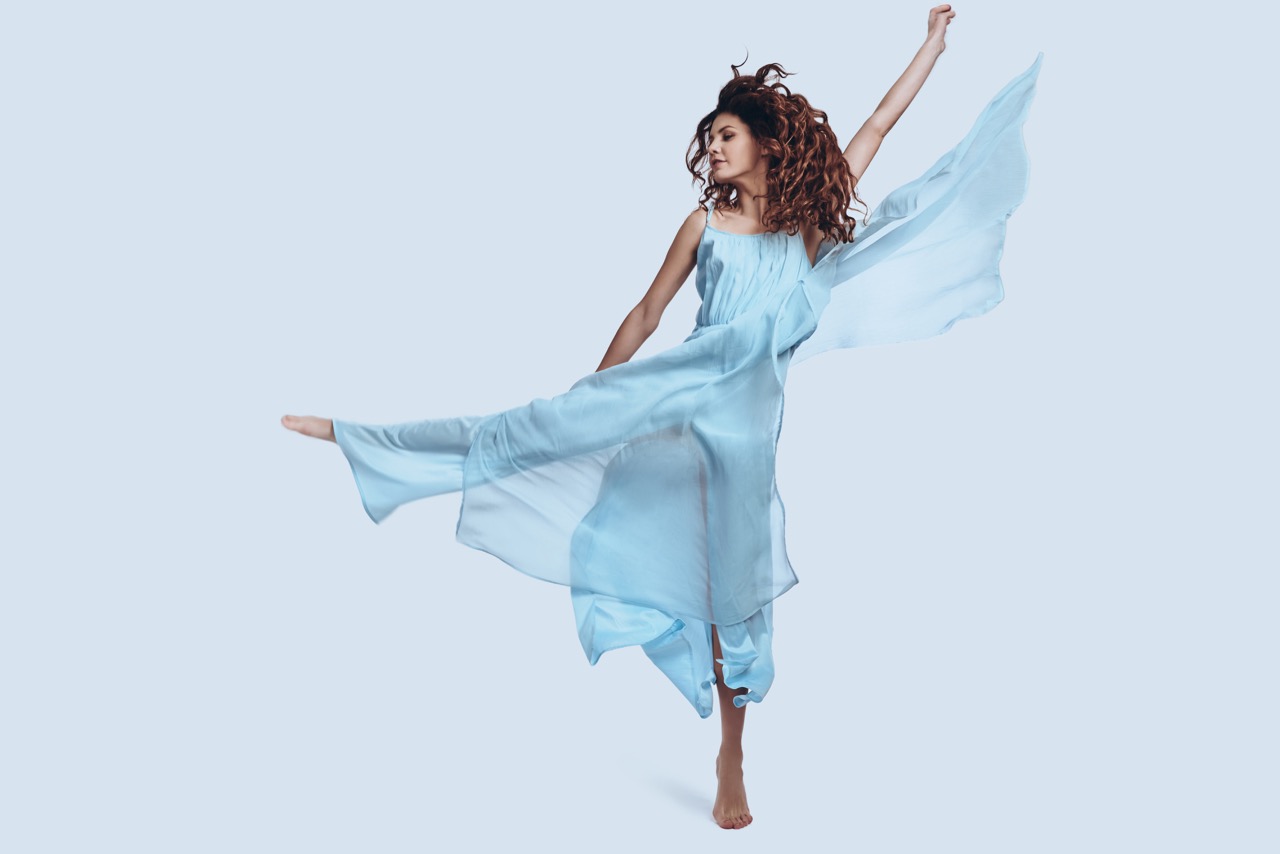



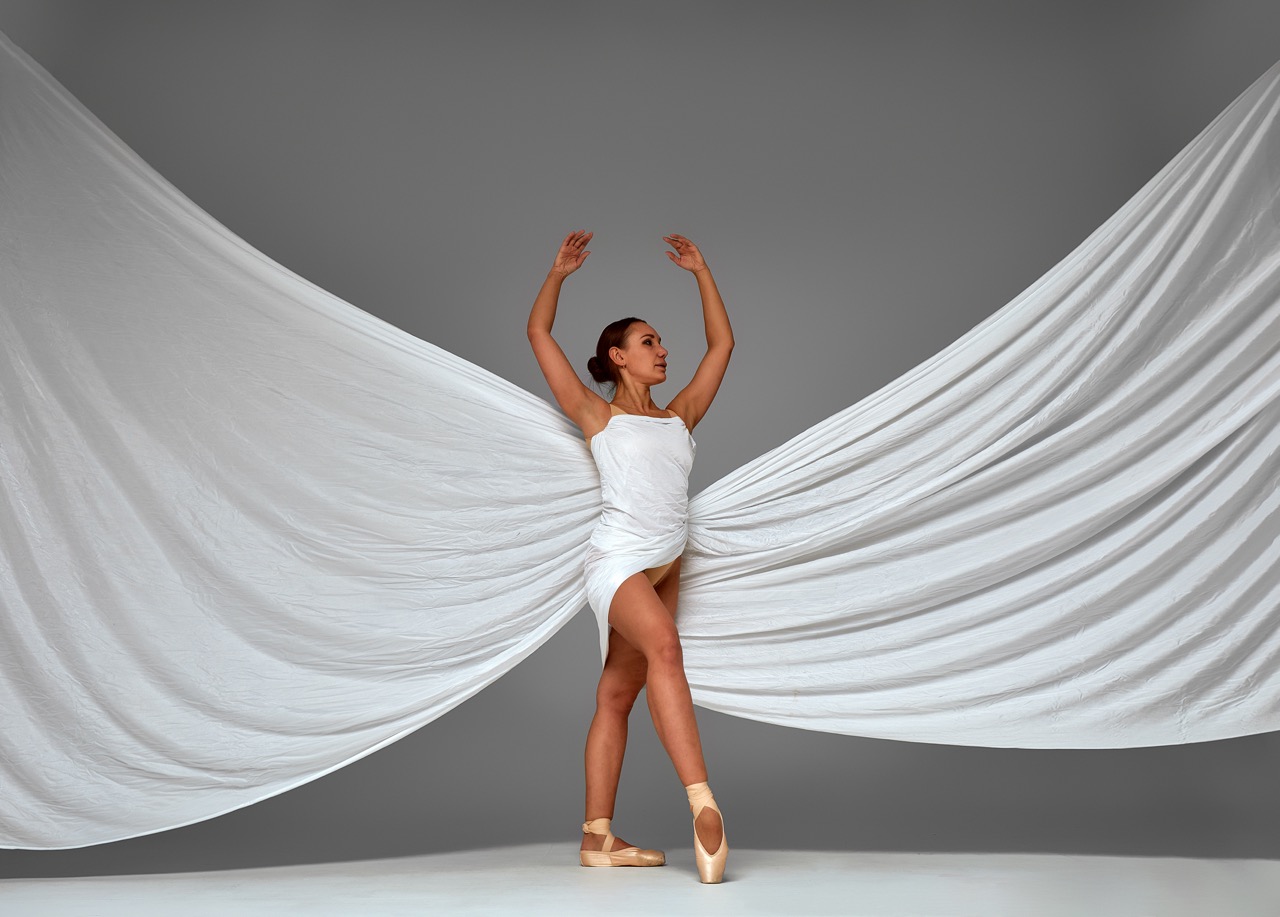
In a world where stress and emotional turmoil are all too common, the ancient art of dance is emerging as a powerful ally in the pursuit of healing and balance. With a history that intertwines cultural expression and social connection, dance transcends mere movement to become a therapeutic tool for individuals seeking to restore harmony within themselves. This article delves into the multifaceted role of dance in healing, exploring how rhythmic movement can lead to profound physical, emotional, and mental rejuvenation.
The Healing Rhythm: Dance as a Therapeutic Tool
Dance has long been recognized for its ability to transcend language and communicate deep-seated feelings. As a therapeutic modality, it offers a unique approach to healing, tapping into the body’s innate rhythms. When individuals engage in dance, they activate a range of bodily systems, promoting physical health while simultaneously addressing emotional and psychological well-being. Through structured dance forms like ballet or improvisational styles like contact improvisation, participants can explore their physicality in a safe and nurturing environment.
Research has shown that dance therapy can be effective in treating various conditions, including anxiety, depression, and trauma. The physical act of dancing releases endorphins, the body’s natural mood lifters, fostering a sense of joy and connectivity. Furthermore, dance encourages self-expression, allowing individuals to articulate feelings that may be difficult to convey verbally. This expressive component of dance therapy is particularly valuable for those who have experienced trauma, as it provides a non-verbal means of processing their experiences.
Additionally, the communal aspect of dance can also enhance its healing properties. Group dance sessions can foster a sense of belonging and reduce feelings of isolation, which are common in many psychological conditions. Together, participants become part of a supportive network, encouraging one another through shared movement and rhythm. This collective experience can further deepen the healing process, as individuals feel seen, heard, and understood within a community context.
Movement Medicine: Restoring Mind-Body Harmony Through Dance
The concept of "movement medicine" emphasizes the idea that our bodies hold the key to emotional and psychological balance. Through dance, individuals can reconnect with their bodies, allowing them to release pent-up emotions and stress that often manifest physically. Engaging in rhythmic movement encourages mindfulness, as dancers must focus their attention on their bodies, breath, and the music, promoting a meditative state of being. This alignment of mental and physical presence can lead to a profound sense of tranquility.
Moreover, dance serves as an effective tool for regulating the nervous system. By incorporating various tempos and styles, dancers can stimulate or calm their physiological responses, influencing their emotional states. Faster-paced dances may invigorate and energize, while slower movements can facilitate relaxation and introspection. This dynamic interplay between movement and emotion allows participants to explore and shift their mental states intentionally, fostering a greater sense of control over their well-being.
The benefits of dance extend beyond the individual; they ripple through communities. Dance programs in schools, rehabilitation centers, and community spaces can cultivate an environment of healing and resilience, fostering collective well-being. By advocating for movement as a form of self-care, communities can empower individuals to take control of their health and wellness, reinforcing the idea that dance is both a personal and communal practice, integral to a balanced life.
Expressive Arts: Dance’s Impact on Emotional Well-Being
Dance is inherently expressive, serving as a conduit for emotional release and exploration. This expressive quality can be particularly healing for individuals grappling with feelings of anger, sadness, or confusion. In a dance therapy setting, participants are often encouraged to move freely, allowing their bodies to guide them in expressing what words may fail to capture. This process can lead to catharsis, providing an outlet for emotions that might otherwise remain bottled up.
Furthermore, dance can serve as a powerful tool for self-discovery and personal growth. Through movement, individuals can explore different facets of their identity, confronting fears or celebrating joys in a safe space. The act of moving to music can evoke memories or feelings, allowing individuals to process their past and reframe their narratives. For many, the dance floor becomes a sacred space for healing, where they can connect with their authentic selves and reclaim their stories.
Additionally, the integration of dance into therapeutic practices has been shown to enhance emotional intelligence, helping individuals recognize and articulate their feelings more effectively. As participants engage in movement, they learn to listen to their bodies and understand the messages their emotions convey. This heightened emotional awareness not only aids in personal healing but also enhances interpersonal relationships, as individuals become more empathetic and attuned to the emotions of others.
Steps to Recovery: How Dance Cultivates Inner Balance
The journey to inner balance is often non-linear, requiring patience and perseverance. Dance can serve as a powerful ally in this process, offering tangible steps toward recovery. For many, establishing a regular dance practice creates a routine that promotes discipline and self-care. This commitment to movement fosters resilience and can serve as a grounding force amidst life’s challenges, encouraging individuals to prioritize their well-being.
Incorporating dance into recovery also invites individuals to embrace playfulness and creativity—elements often suppressed in times of stress. Dance encourages exploration and improvisation, allowing participants to release rigid patterns of thought and behavior. This playful attitude can be transformative, enabling individuals to approach their healing journey with curiosity and openness rather than fear or resistance.
Ultimately, the journey of healing through dance emphasizes the importance of self-compassion. As individuals learn to honor their bodies and express their emotions through movement, they cultivate a deeper sense of understanding and acceptance of themselves. This journey toward balance is not merely about overcoming challenges but celebrating the strength found in vulnerability. Dance becomes a mirror reflecting the journey of recovery, illuminating the path toward a more balanced and fulfilled life.
In conclusion, the role of dance in healing and restoring balance is profound and multifaceted. As a therapeutic tool, dance encourages physical engagement and emotional expression, fostering resilience and self-awareness. Through movement, individuals can reconnect with their bodies, uncover their emotions, and rediscover their sense of self in a supportive community. In a world often dominated by disconnection, dance offers a beautiful reminder of our shared human experience and the healing power of rhythm and movement. By embracing dance, we can embark on a journey toward inner balance, allowing the healing rhythm to guide our steps toward recovery and wholeness.