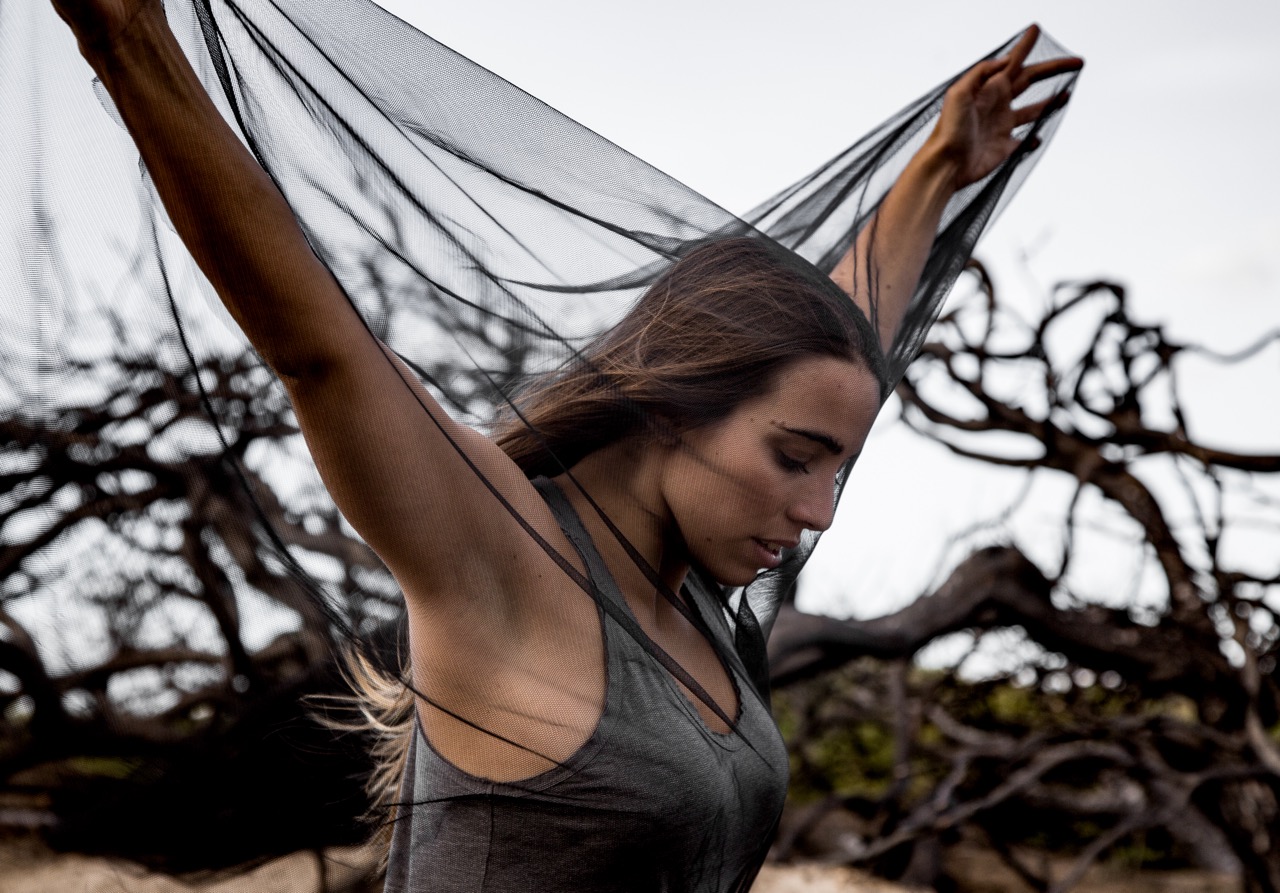






As the world continues to evolve, so does the landscape of dance education. The integration of technology and online learning platforms has transformed traditional methods, allowing for a more accessible and dynamic approach to teaching and learning dance. This article explores the future of dance education, analyzing its current evolution, the role of technology, innovative curriculum design, and the global connections formed through online platforms.
Embracing Change: The Evolution of Dance Education Today
The traditional model of dance education, often rooted in physical studios and face-to-face instruction, has been dramatically reshaped by recent global events. The rise of online learning has challenged educators to rethink how they deliver content and engage with students. Dance schools and universities have adapted by offering virtual classes, workshops, and masterclasses, which not only broaden the reach of skilled instructors but also provide greater flexibility for students. This evolution signifies a move towards a more learner-centric approach, where individual needs and preferences can be accommodated.
Dance educators are now utilizing blended learning techniques, combining live instruction with pre-recorded materials and interactive online resources. This mix allows students to revisit complex choreography at their own pace while still benefiting from real-time feedback during live sessions. Moreover, educators are increasingly employing innovative assessment methods, such as video submissions and digital portfolios, which provide an opportunity for dancers to showcase their progress and creativity in new ways. This evolution is essential not just for survival but for nurturing a future generation of dancers who are adaptable and resilient.
As the dance community embraces these changes, there is a growing emphasis on fostering a culture of inclusivity and diversity. Online platforms offer an unprecedented opportunity for underrepresented voices to be heard and celebrated, ensuring that dance education reflects a broad spectrum of styles, techniques, and cultural influences. This shift towards inclusivity enriches the learning experience for all students, cultivating a more vibrant and diverse dance landscape that is essential for its continued evolution.
Virtual Stages: How Technology Transforms Dance Learning
The advent of digital tools and platforms has revolutionized the way dance is taught and experienced. Virtual stages, such as Zoom, YouTube, and specialized dance apps, have enabled instructors to connect with their students in real-time, regardless of geographical barriers. Through high-quality video streaming, dancers can participate in live classes, interact with their peers, and receive instant feedback from their instructors. This immediacy transforms the learning experience, fostering a sense of community even in a virtual environment.
Additionally, technology has facilitated the creation of immersive learning experiences through augmented and virtual reality. These innovations allow dancers to engage with their art form in entirely new ways, such as experiencing different environments or simulating performances on virtual stages. By integrating these advanced technologies into dance education, teachers can provide students with unique perspectives that enhance their understanding of space, movement, and expression. Such interactive experiences not only captivate learners but also promote creativity and innovation in the dance process.
However, the reliance on technology also comes with challenges. Educators must ensure that their students have access to necessary resources such as reliable internet connections, appropriate devices, and a conducive learning environment at home. Moreover, there is an ongoing need for professional development for educators to stay abreast of technological advancements and incorporate them effectively into their teaching. Balancing technology’s benefits with the potential drawbacks will be critical in shaping the future of dance education.
Blending Tradition and Innovation in Dance Curriculum Design
As dance education evolves, there is a growing realization that blending traditional techniques with modern innovations is key to creating effective and engaging curricula. While foundational training in ballet, jazz, and contemporary styles remains essential, integrating contemporary methodologies such as improvisation, composition, and digital choreography can enrich students’ overall learning experience. This fusion encourages dancers to become versatile artists proficient in both classical and modern forms.
Incorporating technology into curriculum design allows dance educators to create interactive modules that enhance traditional techniques. For instance, online platforms can host choreography challenges where students can collaborate and share their work seamlessly. Additionally, the use of digital tools for video analysis enables students to dissect their performances, fostering a deeper understanding of body mechanics and movement quality. The result is a curriculum that not only honors the rich history of dance but also prepares students for the contemporary dance landscape.
Moreover, fostering a collaborative environment is crucial as it encourages students to learn from each other and develop their unique artistic voices. Dance education must not be an isolated journey; rather, it should involve mentorship, peer feedback, and networking opportunities. By merging tradition with innovation, educators can cultivate a new generation of dancers who are equipped with the skills, knowledge, and adaptability needed to thrive in an ever-changing artistic landscape.
The Global Classroom: Connecting Dancers Worldwide Online
One of the most exciting aspects of the shift to online dance education is the ability it provides to connect dancers from around the world. The virtual classroom transcends borders, allowing students from diverse backgrounds to participate in global workshops, compete in international competitions, and collaborate on projects. This connectivity fosters cross-cultural exchange, enriching the dance education experience and broadening students’ artistic perspectives.
Dancers can now learn from instructors who specialize in styles and techniques that may not be available locally. Online platforms are facilitating masterclasses led by renowned choreographers and dancers from various cultures, providing students with insights into different movement languages and artistic philosophies. This democratization of access empowers aspiring artists to broaden their skill sets and develop a more comprehensive understanding of the global dance community.
Moreover, the global classroom nurtures a sense of camaraderie among dancers. Online forums and social media groups have become vibrant spaces for sharing experiences, offering support, and celebrating achievements. This sense of belonging is especially important for students in remote or underserved areas, who may feel isolated in their pursuit of dance. By fostering global connections through online learning, the future of dance education holds the promise of a more united and diverse artistic community.
The future of dance education is being redefined through the lens of online learning and technology. While the traditional elements of dance training remain vital, the integration of innovative teaching methods, diverse curricula, and global connections showcases the limitless possibilities ahead. As educators and students alike adapt to this new landscape, they will not only preserve the rich heritage of dance but also pave the way for a more inclusive, dynamic, and interconnected world of dance. The stage is set, and the future of dance education is ready to shine.